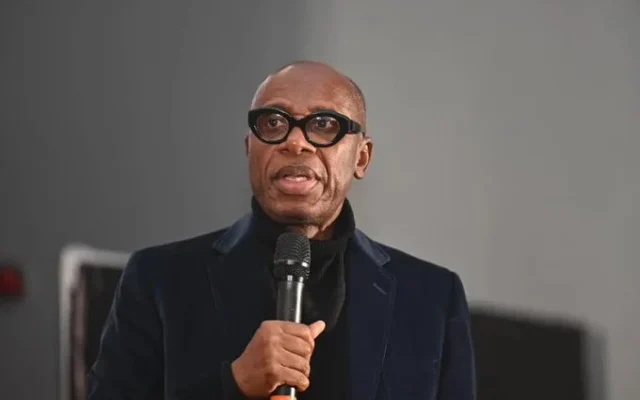

ILE-IFE, NIGERIA — Professor Tunji Ogunyemi of Obafemi Awolowo University has issued a stark warning that 15 northern states would collapse within three months if the fuel subsidy is reinstated, criticising African Democratic Congress presidential candidate Atiku Abubakar over his pledge to return the subsidy if elected in 2027.
Speaking on the Open Forum 360 podcast with Dare Adekanmbi, Ogunyemi described Atiku’s proposal as “calamitous” and warned that reversing the subsidy regime would lead to four major disabilities for the country, including reduced accrual to the Federation Account, a return to states’ incapacity to pay salaries, inability to support minimum expenditure, and failure to meet debt obligations.
“I think it is calamitous, to say the least, if we reverse the subsidy regime in Nigeria in favour of returning the subsidies,” Ogunyemi said. “It will lead to four disabilities. The first is that there will be reduced accrual to the Federation Account. The Federation Account is the jugular of more than 30 states in the federation. Only about four states in Nigeria can survive without the Federation Account.”
Ogunyemi further warned that the economic consequences would be devastating, particularly for northern states. “So if you now say reduce the accrual from the federal account, I tell you more than about 15 states in the north will collapse. They will collapse within three months,” he said. He also predicted that states would return to a regime of incapacity to pay salaries, let alone pensions, adding that Nigeria would not be able to meet its debt obligations.
The academic urged Atiku to stop playing to the gallery and clarify the implications of his policy proposal. “You don’t want to get political support through votes or more votes by wanting to cut the jugular of your country,” he said.
Atiku, who is seeking the presidency for the sixth time, has consistently argued that the removal of fuel subsidies was implemented without adequate safeguards and that his proposed fuel subsidy model would not be a return to the old import-subsidy regime but a targeted, capped, transparently budgeted, and independently audited intervention designed to support domestic refining and reduce the cost burden on consumers. He has maintained that the support would gradually become unnecessary as domestic refining capacity expands, supply stabilises, and competition increases.
Ogunyemi’s warning reflects broader concerns among economists and policymakers about the sustainability of subsidy removal and its impact on the nation’s finances. While some have welcomed the removal of subsidies as a necessary reform, others have expressed concern about the impact on the poor and vulnerable. The debate is likely to intensify as the 2027 elections approach, with candidates expected to present their economic agendas to the electorate.
The Federal Government has also defended the removal of subsidies, arguing that maintaining a retail price of N200 per litre would have rendered the Dangote Refinery commercially unviable and stifled the private sector investment necessary to transform Nigeria’s downstream petroleum sector. The government has maintained that the policy is irreversible and that the long-term benefits will justify the short-term pain.
As the debate continues, Ogunyemi’s warning serves as a reminder of the high stakes involved in Nigeria’s economic policy decisions. The coming months will reveal whether the opposition can present a credible alternative to the government’s economic agenda, and whether Nigerians will be persuaded by arguments for or against the return of subsidies. For now, the debate continues to dominate political discourse ahead of the 2027 elections.