The Independent National Electoral Commission (INEC) is facing growing scrutiny over the reported absence of the preliminary voters’ register from its online portal during the statutory public display period, raising concerns about electoral transparency ahead of Nigeria’s 2027 general elections.
The controversy centres on INEC’s Continuous Voter Registration (CVR) portal, which reportedly displayed the message, “There are currently no preliminary registers to display. Please check back later,” despite the commission’s announcement that the public display exercise would run from October 9 to 15.
Further checks reportedly showed that the message later changed to a notice stating that the portal was undergoing maintenance to improve performance and introduce new features.
The development has prompted questions about whether voters were given adequate opportunities to inspect their details and request corrections before the register was finalised.
What the Electoral Act says
Section 19(1) of the Electoral Act 2026 provides for a seven-day period during which copies of the voters’ register must be made available for public scrutiny.
The provision requires INEC to display the register for each local government area, area council or ward at registration areas and publish it on its official website or another website established for that purpose.
Section 19(5), as cited in the report, prescribes a penalty of a ₦100,000 fine, six months’ imprisonment or both for an official who fails to display or publish the register as required.
The public display is intended to allow voters to verify their details and identify errors, omissions or the inclusion of ineligible persons.
Under Section 19(2), the commission is also required to receive and consider claims and objections within 14 days after the display period.
Without convenient access to the register, voters who cannot easily visit their registration areas may face difficulties checking their information and seeking corrections.
INEC says voter register exceeds 103 million
The controversy comes after INEC announced that Nigeria’s national register of voters had surpassed 103 million.
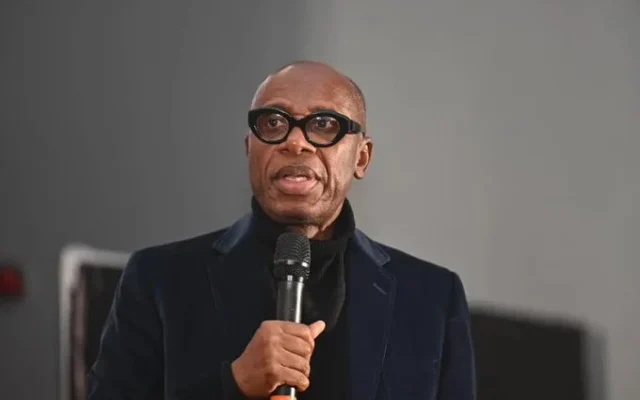
INEC Chairman Joash Amupitan disclosed the figure on October 5 in Abuja during a strategic workshop for editors.
According to the commission, the figure followed a three-phase Continuous Voter Registration exercise and biometric cleanup.
However, the overall number of registered voters does not replace the need to make the detailed register available for public inspection.
Access to individual records allows voters, political parties and civil society organisations to scrutinise the register and identify possible duplication, errors and omissions.
INEC disputes report on Lagos display exercise
The controversy has also extended to the physical display of the register.
According to the report, ARISE News reported that in Alimosho Local Government Area of Lagos State, residents could inspect the register only on request between 9 a.m. and 3 p.m., with access restricted to checking their own names.
However, INEC’s Lagos State office disputed the report.
In a statement issued on October 15, the Head of Voter Education and Publicity, Esther Emeh, said the display exercise had taken place across all 245 registration areas in the state.
As of the time of the report, INEC had not provided a detailed public explanation for the continued absence of the preliminary register from its online portal.
Concerns over electoral credibility
The reported failure to provide online access has raised concerns among political observers about the transparency of preparations for the 2027 elections.
Some critics and opposition figures have alleged that the development could be intended to manipulate voter figures.
However, the report said those allegations had not been independently established.
The immediate concern is whether INEC complied with the legal requirements and provided voters with a practical opportunity to inspect and correct their details.
Political analyst Segun Odefenwa told BusinessDay that publishing the register promptly could have strengthened public confidence in the electoral process.
“I think that development is their own failing; publishing it would have made the public trust them more, help build trust between the institution and the people and could have helped fight voters’ apathy,” he said.
Odefenwa added that failure by the electoral body to comply with the law could weaken the effectiveness of the legislation itself.
As preparations for the 2027 elections continue, the accessibility of the voters’ register remains an important test of INEC’s transparency and accountability.
A clear explanation of the portal’s status, alongside confirmation of how voters can inspect their records and submit corrections, would help address the concerns surrounding the exercise.