


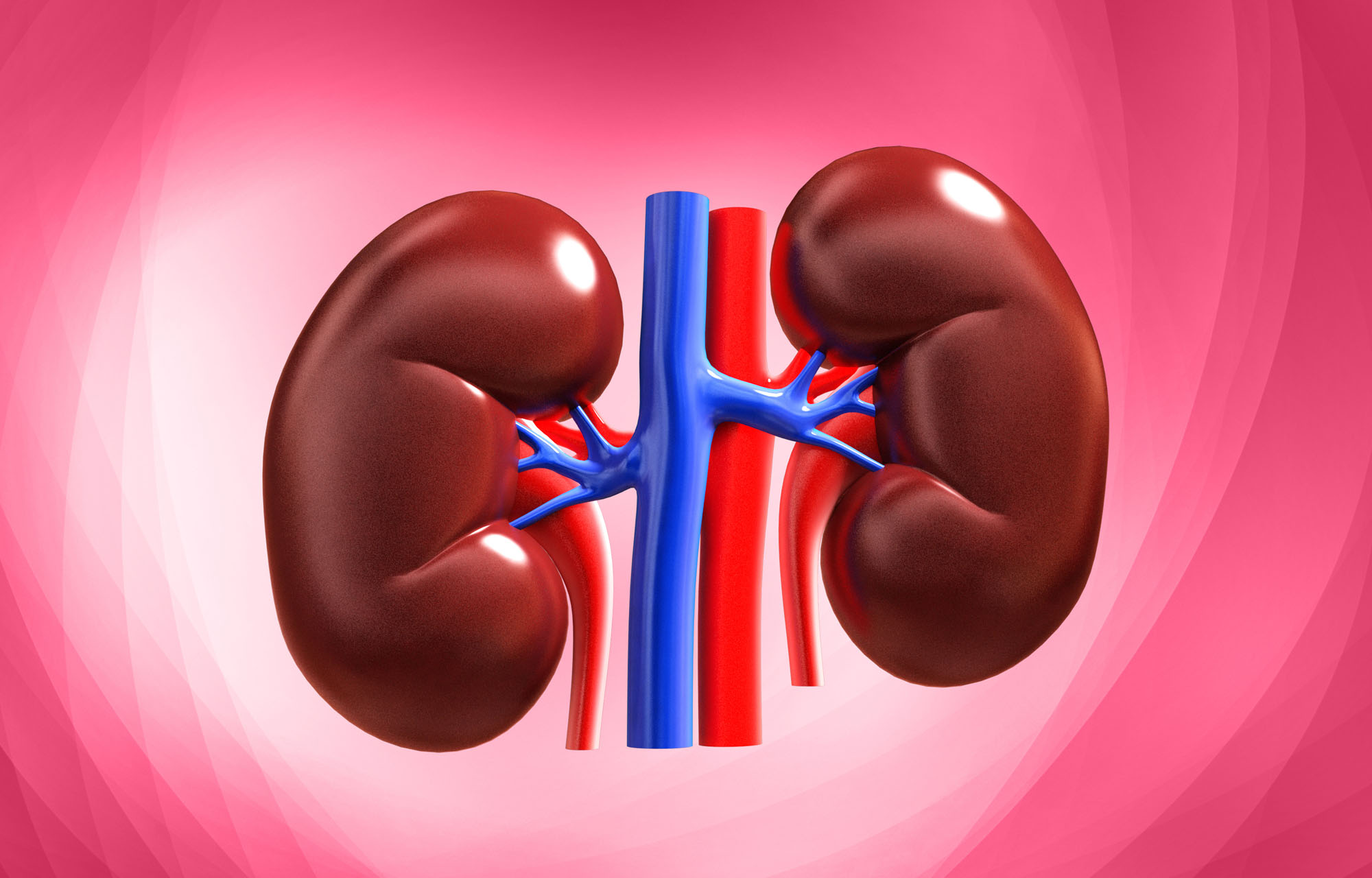
Health experts are urging the public to pay closer attention to body pain that may indicate underlying kidney problems, warning that early recognition of symptoms can prevent severe complications.
The kidneys vital organs responsible for filtering waste and excess fluids from the blood can develop conditions such as Kidney Disease and Kidney Stones, often with subtle or misunderstood warning signs. One of the most commonly overlooked indicators is pain in specific areas of the body.
Where Kidney Pain Is Commonly Felt
Lower Back or Flank Pain
Pain associated with kidney issues is most often felt in the flank—the area on either side of the spine, just below the ribs. Unlike general back pain, this discomfort is usually deeper and may persist regardless of movement or posture.

Medical experts note that conditions like infections or kidney stones can cause sharp or severe pain in this region, sometimes radiating toward the abdomen or groin.
Side Pain Radiating to the Abdomen
Kidney-related pain can extend from the lower back to the sides and even the front of the abdomen. This is particularly common in cases of kidney stones, where the pain may come in waves and intensify over time.
Groin Area Discomfort
In some cases, especially when dealing with kidney stones, pain may travel downward into the groin area. This occurs as stones move through the urinary tract, causing significant discomfort.
Upper Abdomen Pain
Though less common, some individuals may experience discomfort in the upper abdominal region. This can be confusing and is sometimes mistaken for digestive issues, delaying proper diagnosis.
Other Warning Signs to Watch For
Pain is often accompanied by additional symptoms that may indicate kidney problems, including:
Painful or frequent urination
Blood in urine
Swelling in the legs, ankles, or face
Fatigue and weakness
Fever or chills, especially in cases of infection
Conditions such as Urinary Tract Infection can also spread to the kidneys if left untreated, leading to more serious complications.
When to Seek Medical Attention
Health professionals advise that persistent or severe pain—particularly when combined with other symptoms—should not be ignored. Early diagnosis is crucial in managing kidney conditions effectively and preventing long-term damage.
“Kidney pain is often mistaken for muscle strain or ordinary back pain,” experts explain. “But when it is persistent, severe, or accompanied by other symptoms, it requires immediate medical evaluation.”
Protecting Kidney Health
Doctors recommend staying hydrated, maintaining a balanced diet, limiting excessive salt intake, and attending regular health check-ups to support kidney function.
As awareness grows, experts emphasize that understanding the body’s warning signs can make a critical difference. Recognizing where and how kidney pain presents may be the first step toward timely treatment and improved health outcomes.




