


Breakthroughs in cancer screening technology are transforming early detection, enabling physicians to identify malignancies long before symptoms develop. These advances are significantly improving patient outcomes by diagnosing cancers at stages when treatment is most effective.
Recent medical research highlights the importance of early detection, with studies showing that identifying cancer in its earliest stages can improve five-year survival rates by as much as 50%. The contrast between diagnosing cancer at stage one versus later stages often determines whether the condition is manageable or life-threatening.
Multi-cancer blood tests expand screening possibilities
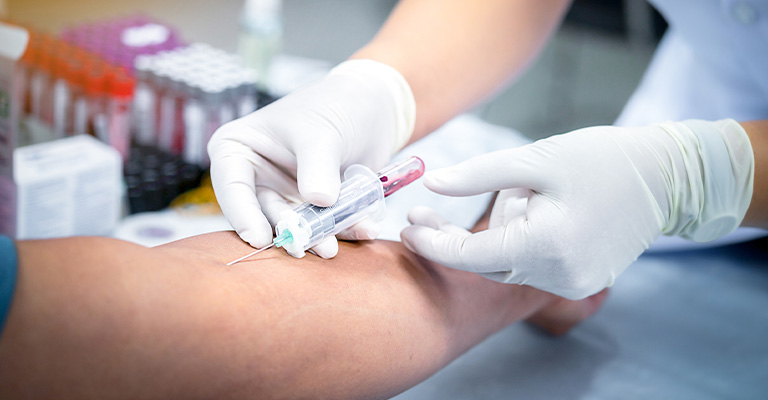
One of the most significant developments is the emergence of multi-cancer blood tests, often referred to as liquid biopsies. These tests analyze fragments of DNA circulating in the bloodstream to detect genetic signals associated with various cancers.
A single blood sample can now screen for dozens of tumor types simultaneously, including cancers that traditionally lack reliable screening methods, such as pancreatic, ovarian and esophageal cancers. Early findings suggest these tests may identify cancer years before conventional diagnostic tools.

Medical experts note that while these tests are promising, they are designed to complement not replace established screening methods such as mammograms and colonoscopies, particularly for individuals at higher risk.
Artificial intelligence enhances imaging accuracy
Artificial intelligence (AI) is also reshaping cancer detection by improving the accuracy of medical imaging. Advanced algorithms can analyze mammograms, CT scans and MRIs with remarkable precision, identifying subtle abnormalities that may be missed by the human eye.
In clinical settings, AI-assisted screening has already demonstrated measurable impact. For example, breast cancer detection programs using AI have reported notable increases in early-stage diagnoses while also reducing false positives and unnecessary procedures.
AI is proving especially effective in lung cancer screening, where it helps distinguish between benign and potentially cancerous growths, enabling more targeted and efficient patient care.
Liquid biopsies support ongoing monitoring
Beyond initial detection, liquid biopsy technology is playing an increasing role in monitoring cancer patients after treatment. These minimally invasive tests can detect traces of tumor DNA in the bloodstream, offering early warning signs of recurrence.
This approach allows physicians to intervene sooner, often before cancer becomes visible on traditional imaging scans. As a result, patients benefit from more timely and targeted treatments.
Advances in colonoscopy improve prevention
Colonoscopy remains a cornerstone of colorectal cancer screening, but recent technological improvements have made the procedure more effective. Enhanced imaging techniques and AI-assisted tools now enable physicians to detect and remove precancerous polyps with greater accuracy.
These innovations have significantly increased detection rates, strengthening the role of colonoscopy as both a diagnostic and preventive measure.
Personalized screening based on genetic risk
Advances in genetic and molecular testing are enabling a more personalized approach to cancer screening. By identifying inherited mutations and other risk factors, healthcare providers can tailor screening schedules to individual patients.
For instance, individuals with hereditary conditions linked to higher cancer risk may begin screening earlier and undergo more frequent evaluations. This targeted approach ensures that those at greatest risk receive appropriate monitoring while avoiding unnecessary procedures for lower-risk populations.
Expanding access to early detection
As screening technologies continue to evolve, healthcare professionals stress the importance of combining these innovations with established guidelines and preventive care. While new tools offer unprecedented opportunities for early detection, routine screenings and healthy lifestyle choices remain essential components of cancer prevention.
Together, these advances mark a significant step forward in the fight against cancer, offering hope for earlier diagnoses, more effective treatments and improved survival rates worldwide.




