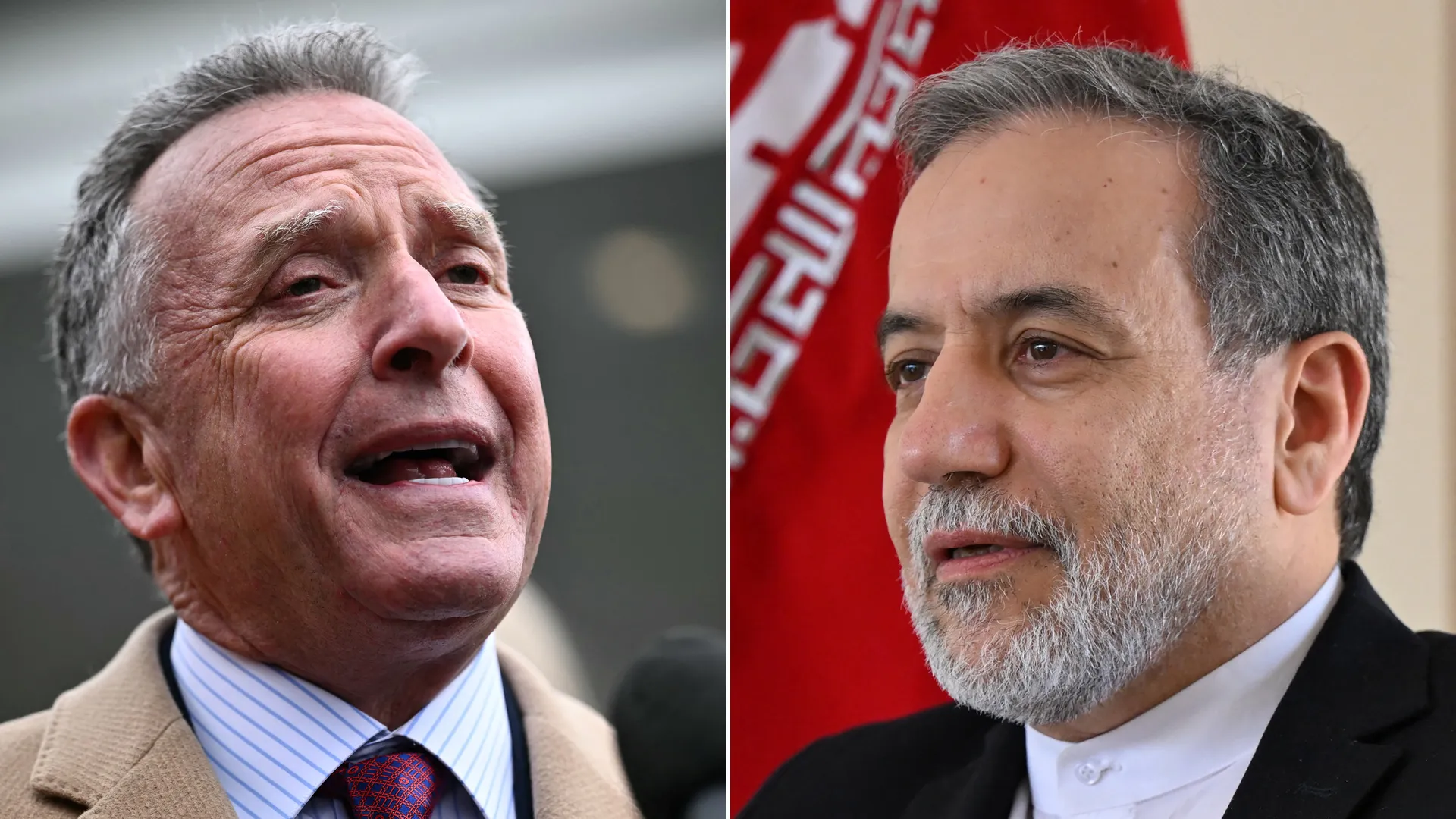
The United States and Iran on Wednesday opened indirect technical talks in Qatar as both sides seek to sustain a fragile ceasefire and advance negotiations aimed at ending months of regional conflict, a diplomat familiar with the discussions said.
The negotiations, taking place in Doha, are being facilitated by Qatar and Pakistan, with the two delegations communicating through mediators rather than meeting face-to-face.
The diplomat, who requested anonymity because of the sensitivity of the talks, said the discussions are being held under the memorandum of understanding reached after previous negotiations at the Lake Lucerne Summit in Switzerland.
According to the diplomat, Wednesday’s meeting is intended to build on progress made during earlier rounds of diplomacy and move both sides closer to a broader agreement covering regional security and Iran’s nuclear programme.
Senior U.S. envoys Jared Kushner and Steve Witkoff are not participating in the technical negotiations. Instead, the pair held consultations on Tuesday with Qatar’s Prime Minister and Foreign Minister, Sheikh Mohammed bin Abdulrahman Al Thani, ahead of the latest round of talks.
Qatar’s foreign ministry said the meeting focused on the ongoing diplomatic process between Washington and Tehran under the framework of the memorandum of understanding, while also reviewing developments in Lebanon.
The agreement brokered by Qatar and Pakistan provides for a 60-day ceasefire following the conflict that erupted after U.S.-Israeli military strikes on February 28. It also outlines plans for reopening the Strait of Hormuz and establishing a roadmap toward a comprehensive settlement of Iran’s nuclear dispute.
Although both governments confirmed they would send officials to Doha, Tehran rejected suggestions that direct negotiations with Washington were taking place.
Iranian Foreign Ministry spokesman Esmaeil Baqaei said the country’s delegation would be led by Deputy Foreign Minister Kazem Gharibabadi, but insisted Iranian representatives had no plans to hold direct talks with American officials at any level during the current visit.
His comments came after U.S. President Donald Trump earlier indicated that direct discussions were expected.
Despite the differing public positions, diplomats say the indirect channel remains active, with mediators shuttling proposals between both delegations as efforts continue to preserve the ceasefire and lay the groundwork for a longer-term agreement.
Wednesday’s talks are viewed as another key test of whether recent diplomatic momentum can be translated into a lasting political settlement after months of heightened tensions across the Middle East.