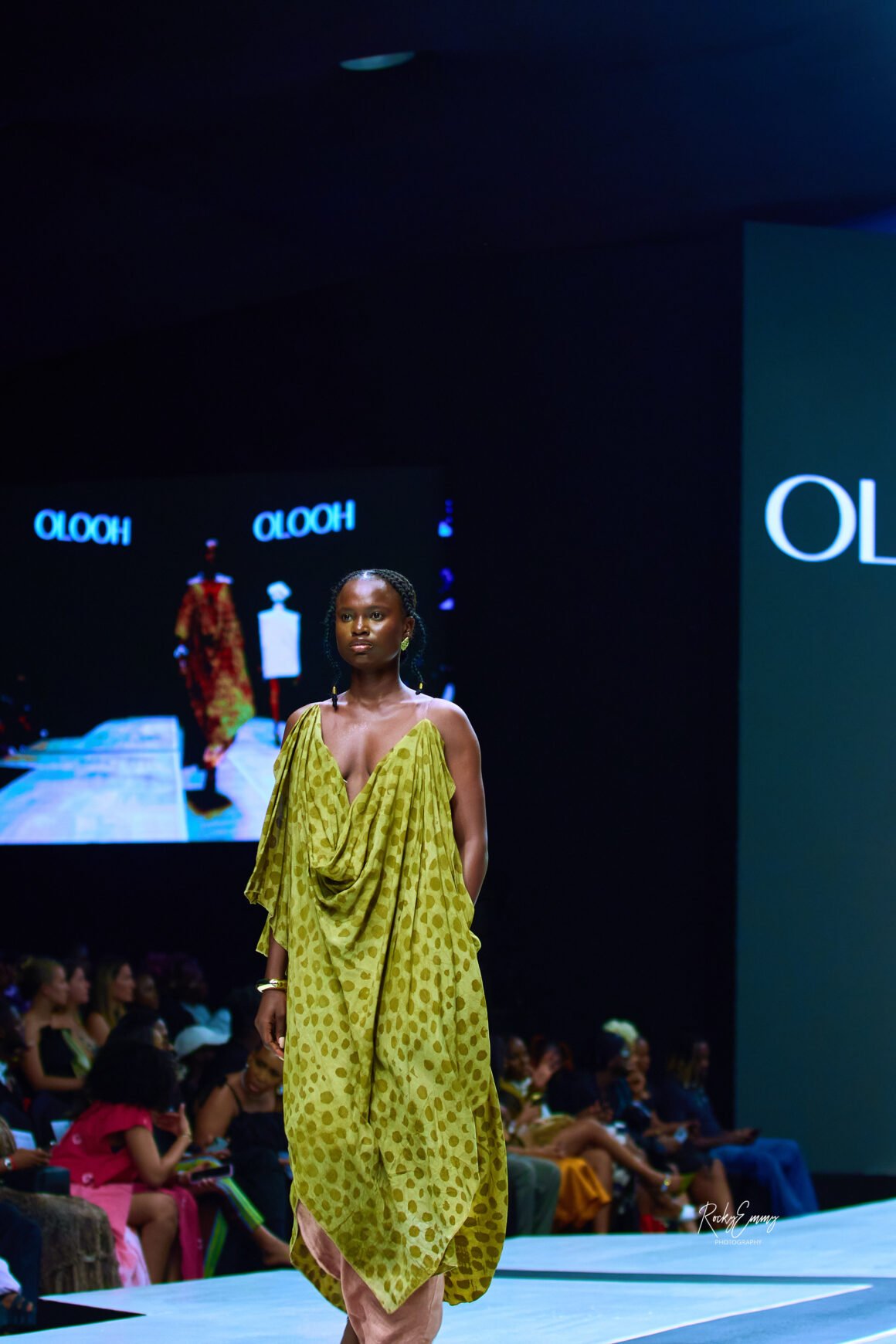
For years, the biggest hurdle for Nigerian fashion brands was visibility. Designers produced exceptional collections, but many struggled to gain attention outside local markets. Today, that reality has changed dramatically. Nigerian fashion has become one of Africa’s most influential creative exports, with designers earning international recognition, dressing global celebrities, participating in prestigious fashion weeks, and attracting customers from Europe, North America, Asia, and beyond.
The question is no longer whether Nigerian fashion deserves a place on the global stage. It has already secured one. The more important question is whether the industry can transform that recognition into sustainable growth.
Can Nigerian fashion brands evolve from admired labels into globally competitive businesses with the infrastructure, consistency, and financial strength to stand alongside the world’s biggest fashion houses?

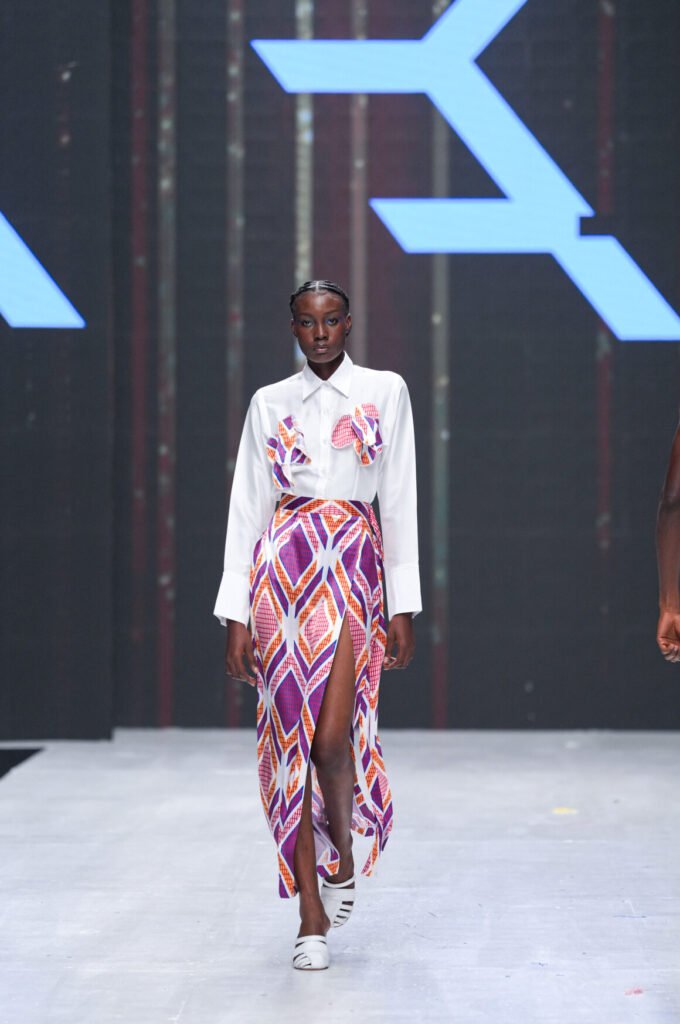

Nigerian Fashion Has Already Won Global Attention
Over the past decade, Nigerian fashion has experienced remarkable growth. Local brands that once relied almost entirely on custom-made clothing now launch ready-to-wear collections, operate online stores, ship internationally, and host pop-up events in fashion capitals such as London, New York, and Atlanta.
Social media has accelerated this transformation. Instagram, TikTok, Pinterest, and digital marketplaces have enabled designers to showcase their work directly to international audiences without depending solely on traditional fashion magazines or retailers.
At the same time, celebrities, influencers, and members of the African diaspora have helped introduce Nigerian designers to global consumers. Rich storytelling, bold craftsmanship, indigenous textiles, and contemporary interpretations of African culture have become distinctive strengths that separate Nigerian brands from many international competitors.
This growing reputation proves that Nigerian fashion is no longer an emerging conversation—it is already part of the global fashion landscape.
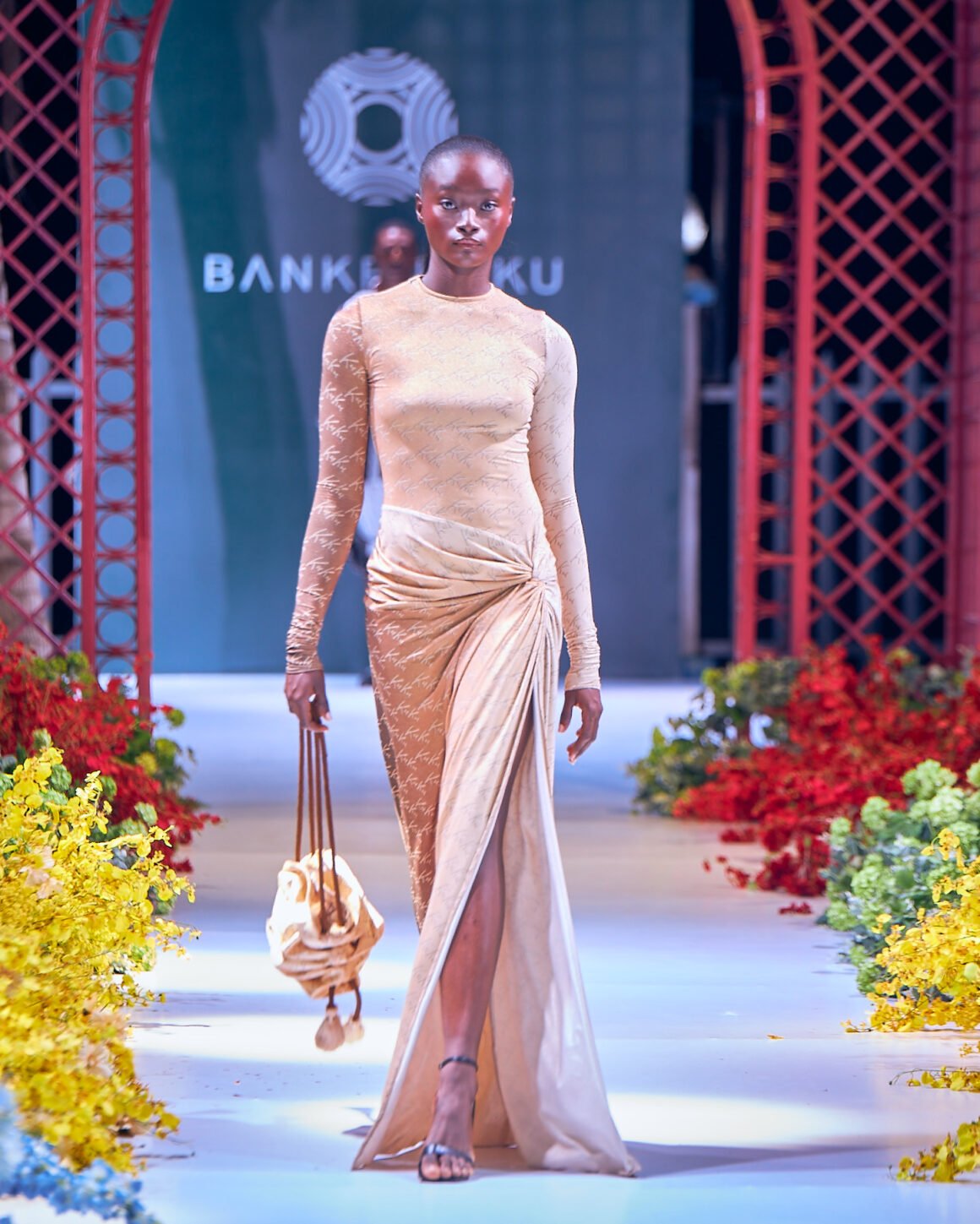
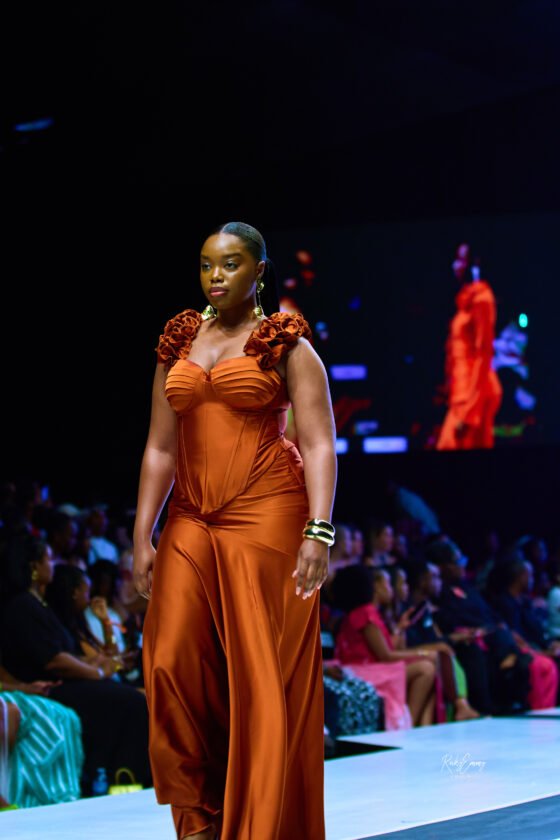
Recognition Alone Does Not Build Sustainable Businesses
While international exposure is valuable, attention alone does not guarantee long-term success.
Many Nigerian brands receive significant publicity after appearing at fashion weeks or being worn by celebrities. However, maintaining that momentum requires something far more demanding than creativity. It demands business systems that can consistently deliver quality products, meet deadlines, satisfy retailers, and handle increasing customer demand.
Scaling a fashion brand means moving beyond producing beautiful garments. It requires building an organization capable of handling production, logistics, customer service, marketing, inventory management, and financial planning simultaneously.
This transition from designer to entrepreneur is where many promising brands face their greatest challenge.
Production Remains the Biggest Obstacle
One of the industry’s most significant barriers is manufacturing capacity.
Many Nigerian designers still rely on small workshops and artisan production, which often works well for bespoke clothing but becomes increasingly difficult when larger wholesale orders arrive. Consistency in sizing, finishing, quality control, and delivery timelines becomes much harder as demand grows.
Industry experts continue to point to inadequate production infrastructure, unreliable electricity, outdated machinery, and limited access to industrial-scale manufacturing as major constraints preventing Nigerian brands from expanding efficiently.
Without stronger manufacturing systems, even highly sought-after collections may struggle to meet international retail standards.
Fashion Needs Systems, Not Just Talent
Nigeria has never lacked creative talent. The country consistently produces innovative designers whose work celebrates culture while embracing modern aesthetics. However, creativity alone cannot sustain a growing industry.
Successful global fashion companies invest heavily in business management, product development, merchandising, technology, legal protection, data analysis, customer experience, and operational efficiency.
Many Nigerian brands are beginning to adopt these practices, but scaling requires even greater investment in professional management, skilled manufacturing teams, standardized production methods, and digital infrastructure.
The conversation is gradually shifting from “How do we get noticed?” to “How do we build companies that can last for decades?”
Despite these challenges, the future remains incredibly promising. Global demand for authentic storytelling, ethical craftsmanship, and culturally inspired fashion continues to grow. Nigerian designers possess a unique advantage because they create products rooted in heritage while appealing to contemporary consumers worldwide.
Trade opportunities through regional agreements, increasing global interest in African fashion, and the rise of direct-to-consumer online retail all create favourable conditions for expansion. International publications have also highlighted West Africa’s potential to become an important manufacturing hub as brands diversify their supply chains beyond traditional production markets.
The Nigerian fashion industry has already accomplished what once seemed impossible: it has captured the world’s attention. But the next chapter will not be defined by applause alone.
Creativity opened the door. Sustainable systems, stronger infrastructure, reliable production, and smart business strategies will determine whether Nigerian fashion merely enjoys moments of international recognition or grows into a lasting global force.
If those foundations are strengthened, Nigerian fashion will not simply participate in the global industry, it will help shape its future.
Photos credit: Pinterest.