


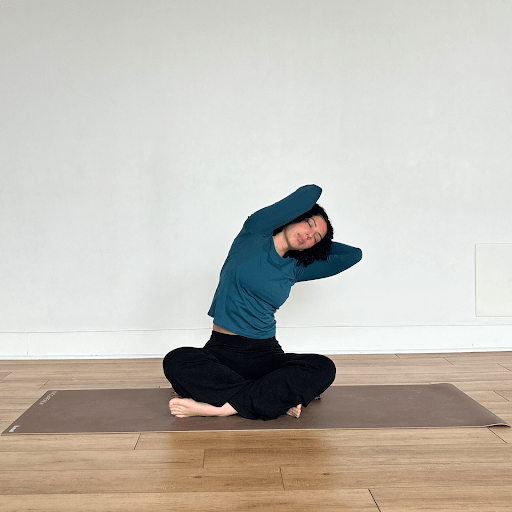
Health and wellness professionals are increasingly recommending somatic yoga as a simple, low-impact practice that may help reduce stress, ease chronic muscle tension and improve overall well-being.
Unlike traditional yoga, which often focuses on flexibility, strength and holding challenging postures, somatic yoga emphasizes slow, mindful movement and body awareness. Practitioners are encouraged to pay close attention to how their bodies feel during each movement rather than striving for perfect form.
According to health experts, chronic stress affects more than emotional well-being. It can trigger the body’s natural “fight-or-flight” response, causing muscles to remain tense for prolonged periods. When stress becomes persistent, this ongoing muscle tension may contribute to neck and shoulder pain, lower back discomfort, headaches, poor posture, fatigue and sleep disturbances.
Specialists say somatic yoga works by helping the brain and muscles reconnect through gentle, controlled movements that encourage the nervous system to relax. As the body begins to release unnecessary tension, many people experience greater comfort, improved mobility and a stronger sense of physical and emotional balance.

Potential Health Benefits
Although individual experiences vary, healthcare professionals say regular somatic yoga practice may offer several benefits, including:
– Reduced stress and anxiety
– Relief from neck, shoulder and lower back tension
– Improved posture and body awareness
– Better breathing patterns
– Increased flexibility through gentle movement
– Improved sleep quality
– Enhanced balance and coordination
– Greater relaxation and emotional well-being
Because the movements are slow and adaptable, somatic yoga may be suitable for beginners, older adults, office workers and individuals seeking a gentle form of physical activity.
Five Gentle Somatic Yoga Poses for Relaxation
Health experts recommend incorporating a few simple poses into a regular wellness routine to help calm the nervous system and reduce physical tension.
Constructive Rest Pose
This restorative position involves lying on the back with the knees bent and feet resting comfortably on the floor. The pose encourages slow breathing and allows the body to relax naturally, making it particularly helpful for relieving lower back discomfort and reducing stress.
Slow Cat-Cow Movement
Performed on the hands and knees, this gentle spinal movement involves slowly alternating between arching and rounding the back in rhythm with the breath. Experts say the exercise can improve spinal mobility, ease stiffness and help counter the effects of prolonged sitting.
Child’s Pose
Often used as a restorative posture, Child’s Pose allows the body to rest while gently stretching the hips, back and shoulders. Deep, relaxed breathing during the pose may help ease anxiety, mental fatigue and muscle tightness.
Supine Spinal Twist
This gentle twisting movement is performed while lying on the back and slowly guiding one bent knee across the body. The exercise may improve flexibility around the spine and hips while helping relieve lower back stiffness caused by prolonged sitting or stress.
Legs-Up-the-Wall Pose
This simple restorative posture involves lying on the floor with both legs supported against a wall. Health professionals say the position may help reduce leg fatigue, promote relaxation and improve circulation after long periods of standing or sitting.
Practicing Safely
Experts advise moving slowly, breathing naturally and avoiding any movement that causes sharp pain or discomfort. Rather than focusing on achieving a deep stretch, practitioners are encouraged to pay attention to their body’s natural range of motion.
A quiet environment and consistent practice—about 10 to 20 minutes several times a week—may help maximize the benefits.
Who May Benefit?
Somatic yoga may be especially helpful for individuals experiencing ongoing stress, muscle tightness, sedentary work routines or difficulty relaxing. It can also serve as a gentle introduction to physical activity for those new to yoga or looking for a low-impact wellness practice.
However, medical professionals recommend that individuals recovering from surgery, living with significant joint problems or managing medical conditions that affect movement consult a healthcare provider before beginning any new exercise programme.
Not a Replacement for Medical Care
While research suggests that mindful movement practices such as somatic yoga can support stress management and improve physical comfort, experts caution that they should complement—not replace appropriate medical care. Individuals with persistent pain, severe anxiety or other ongoing health concerns are encouraged to seek evaluation from qualified healthcare professionals.
Health specialists say that when combined with healthy lifestyle habits, regular physical activity and appropriate medical care, somatic yoga may provide a practical way to support both physical and mental well-being.




