


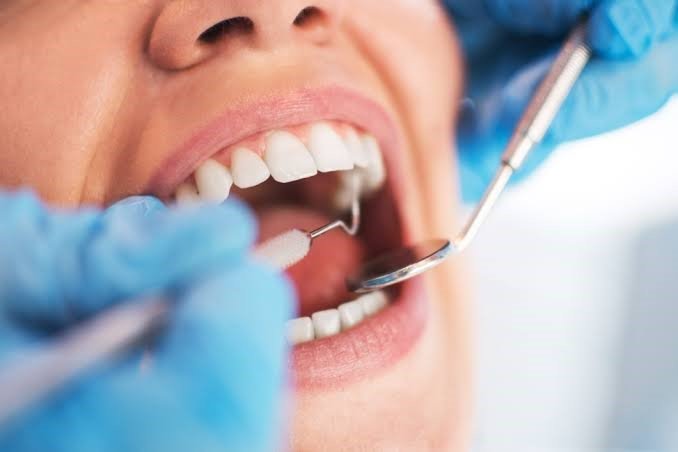
Oral health is an important part of overall health, yet millions of people continue to experience preventable dental problems due to poor oral hygiene and limited access to dental care. Health experts say maintaining healthy teeth and gums not only protects the mouth but also supports general well-being by reducing the risk of infections and other health complications.
Medical professionals encourage people of all ages to adopt good oral hygiene habits and attend regular dental check-ups to prevent common dental diseases.
Why Oral Health Matters
The mouth serves as the entry point to the digestive and respiratory systems. Poor oral hygiene can allow harmful bacteria to multiply, leading to tooth decay, gum disease and infections that may affect other parts of the body.
Health experts note that good oral health contributes to proper chewing, clear speech, self-confidence and overall quality of life.

Common Oral Health Problems
Some of the most common dental conditions include:
- Tooth decay (cavities)
- Gum disease (gingivitis and periodontitis)
- Bad breath
- Tooth sensitivity
- Tooth loss
- Oral infections
- Mouth ulcers
- Oral cancer
Most of these conditions can be prevented through proper oral hygiene and regular professional care.
Warning Signs That Should Not Be Ignored
People are advised to seek dental care if they experience:
- Persistent toothache
- Bleeding gums while brushing or flossing
- Swollen or painful gums
- Loose teeth
- Persistent bad breath
- Mouth sores that do not heal
- Difficulty chewing
- Tooth sensitivity to hot or cold foods
Early treatment can prevent minor dental issues from becoming serious problems.
Tips for Maintaining Good Oral Health
Dentists recommend the following daily habits:
- Brush your teeth at least twice a day using fluoride toothpaste.
- Floss daily to remove food particles and plaque between teeth.
- Replace your toothbrush every three to four months or sooner if the bristles become worn.
- Rinse your mouth with clean water after meals if brushing is not possible.
- Drink plenty of clean water throughout the day.
Consistent oral hygiene helps prevent plaque buildup and protects the teeth and gums.
Healthy Eating for Strong Teeth
A nutritious diet plays an important role in maintaining healthy teeth and gums. Health experts recommend:
- Eating fruits and vegetables
- Consuming calcium-rich foods such as milk and yoghurt
- Limiting sugary snacks and drinks
- Avoiding excessive consumption of acidic beverages
- Choosing healthy snacks instead of sweets
Reducing sugar intake lowers the risk of tooth decay and supports better overall health.
The Importance of Regular Dental Check-ups
Routine dental examinations allow dentists to detect problems early, provide professional cleaning and offer advice on maintaining healthy teeth and gums.
Health professionals recommend visiting a dental clinic regularly, even when there are no obvious symptoms, as many oral health problems develop gradually.
Oral Health Across All Ages
Children should begin learning proper brushing habits early in life, while parents are encouraged to supervise young children until they can brush effectively on their own.
Adults and older people should continue practising good oral hygiene, particularly those with chronic medical conditions that may affect oral health.
Conclusion
Good oral health is essential for maintaining overall health and preventing preventable dental diseases. By brushing and flossing daily, eating a balanced diet, reducing sugar intake and attending regular dental check-ups, individuals can protect their teeth and gums throughout life. Health experts agree that healthy smiles begin with consistent daily care and preventive dental services.




