


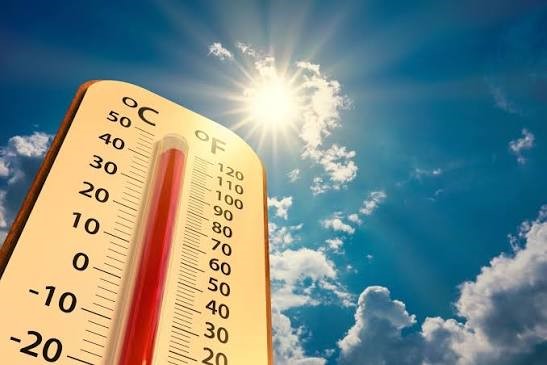
Health experts are warning that increasingly frequent and intense heatwaves are emerging as one of the world’s fastest-growing public health threats, with rising temperatures contributing to more illnesses, hospitalizations, and preventable deaths across many countries.
The warning follows recent reports of hospitals experiencing increased patient admissions during periods of extreme heat, prompting public health officials to call for stronger preparedness measures to protect vulnerable populations. Researchers say climate change is making heatwaves more severe and longer-lasting, placing greater pressure on healthcare systems worldwide.
According to medical experts, prolonged exposure to extreme heat can cause dehydration, heat exhaustion, heatstroke, kidney injury, and cardiovascular complications. High temperatures can also worsen existing medical conditions such as heart disease, diabetes, respiratory illnesses, and hypertension, particularly among older adults and people with chronic health conditions.
Children, pregnant women, outdoor workers, and individuals without access to adequate cooling are also considered to be at increased risk during periods of extreme heat. Health professionals say these groups require additional protection as global temperatures continue to rise.

Hospitals and emergency services in several regions have reported increased demand for medical care during recent heatwaves, with more patients presenting symptoms related to heat stress. Ambulance services have also experienced higher call volumes, while some healthcare facilities have had to postpone non-urgent procedures to manage the surge in emergency cases.
Public health specialists say the health impacts of extreme heat extend beyond immediate physical illness. Higher temperatures can reduce air quality, increase the spread of certain infectious diseases, worsen mental health conditions, and contribute to food and water insecurity, creating broader health challenges for communities.
Experts are urging governments to strengthen heat action plans by expanding public cooling centers, improving early warning systems, increasing public awareness campaigns, and ensuring hospitals are equipped to respond to climate-related emergencies. Urban planning strategies such as planting more trees, increasing green spaces, and improving building design are also being promoted to reduce heat exposure.
The World Health Organization has repeatedly emphasized that climate change represents one of the greatest threats to global health in the 21st century. The organization encourages countries to integrate climate resilience into national health systems to better prepare for future heat-related emergencies.
Health authorities continue to advise the public to stay hydrated, avoid strenuous outdoor activities during the hottest parts of the day, wear lightweight clothing, and regularly check on elderly relatives and neighbors who may be more susceptible to heat-related illnesses.
As climate experts predict that extreme weather events will become more common in the coming years, public health professionals stress that protecting communities from the dangers of excessive heat will require coordinated action from governments, healthcare providers, and individuals alike. They say investing in resilient healthcare systems today will help reduce the health impacts of future heatwaves and save lives around the world.




