


tech-google-android-update-tackles-motion-sickness
Google Drops New Android Tech To Tackle Motion Sickness The September 2026 Android Drop introduces Motion Assist on Android 17 to reduce car sickness, alongside Gemini Live’s Guided Vision to help blind users navigate their surroundings with new tech. Google has launched its September Android Drop with new tech, featuring Motion Assist to prevent motion sickness and Gemini Guided Vision.
Specifically, Google released a new software update for Android phones this week. Consequently, this tech drop brings big changes to mobile devices worldwide. Indeed, users will get new tools to make life much easier. As a result, the brand hopes to solve common problems for millions.
Furthermore, the main feature targets people who feel sick in cars. Specifically, looking at a phone screen during a ride causes nausea. Therefore, the brain gets confused by the moving car and still hands. However, Google built a clever tool to fix this exact issue. Through this, passengers can read or watch videos without feeling dizzy.

How Motion Assist Works
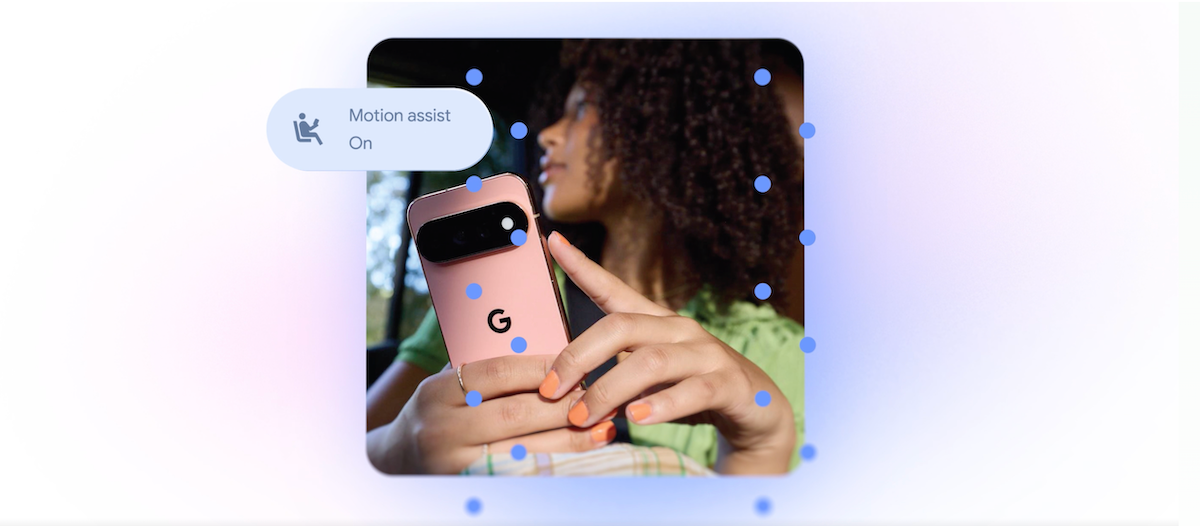
Essentially, this new tech is called Motion Assist. Specifically, it runs only on the new Android 17 system. Consequently, the phone shows moving dots on the edge of the screen. As a result, these dots match the exact motion of the moving car. Indeed, this visual trick helps the brain feel much more balanced.
Meanwhile, this system works very much like a recent Apple feature. For example, Apple launched Vehicle Motion Cues for iPhones earlier this year. In contrast, Google lets users change the color and shape of their dots. Additionally, the feature turns on automatically when the phone senses car movement. Through this, users do not have to flip a switch manually.
Smart Tools For Blind Users
Additionally, Google added a new tool for blind and low-vision users. Specifically, this feature is called Guided Vision inside the Gemini Live app. Consequently, users can turn on their phone camera to hear audio descriptions. Indeed, the phone will speak out loud to describe the nearby space. As a result, this helps users read food labels or find lost keys.
Consequently, the tool tells the user how to move the phone. For example, it might ask the user to point the camera higher. Therefore, the AI can see the whole object and describe it better. Meanwhile, this feature works on older phones running Android 9 and up. Through this, it brings helpful tech to a large ecosystem of users.
Tracking Items And Keeping Notes
Subsequently, the update brings smart changes to the Find Hub app. Specifically, users can now ask the Gemini AI to remember item locations. For example, a person can tell the phone where they hid a passport. Consequently, the phone saves this exact spot in the new Remembered tab. Indeed, this saves time when looking for items without smart tracking tags.
Simultaneously, Google improved the main messaging app for all Android phones. Specifically, users can now open Google Keep notes directly inside a chat. Therefore, friends can edit grocery lists together while sending text messages. As a result, planning trips and sharing ideas takes much less time. Of course, this September software drop makes mobile devices better for everyone.
Custom Chats And Future Updates
Ultimately, users also get fun new ways to style their daily chats. Specifically, the Android team added custom themes to the main text app. For example, people can change the colors and backgrounds of single chats. As a result, each friend group can have a very unique look. Therefore, reading text messages becomes a much more visual and fun event.
To conclude, Google wants to make sure all users feel fully supported. Specifically, adding basic health tools shows a major shift in phone design. Consequently, the brand cares about how bodies react to glowing glass screens. Indeed, these smart updates prove that simple software changes can improve lives. Through this, Android continues to lead the global tech market with care.




