


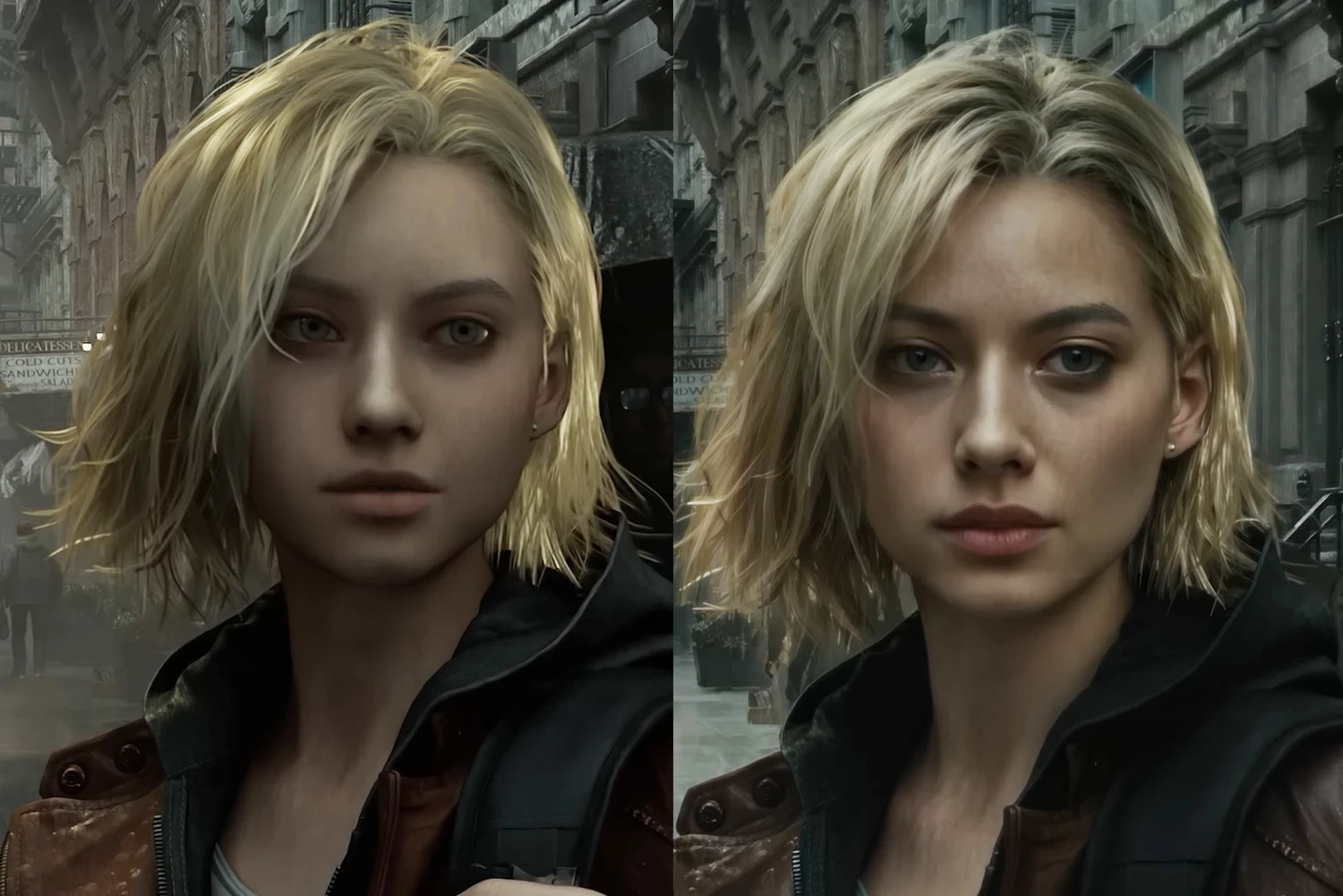
tech-zelda-cd-i-dlss-upgrade-pc
Zelda CD-i DLSS Upgrade Stuns Modern Retro Gamers
The notorious 1993 Philips CD-i classic Link: The Faces of Evil runs on modern PCs using NVIDIA DLSS neural rendering, breathing bizarre 4K visual fidelity into retro sprite animations.
Gamers can now experience the notorious Zelda CD-i DLSS tech demo, boosting retro animated adventure frames with neural rendering.
Essentially, modern modders have achieved an unbelievable technical milestone. They brought cutting-edge AI neural upscaling to 1990s retro gaming. The classic adventure Link: The Faces of Evil now supports NVIDIA DLSS rendering. Consequently, retro game enthusiasts are watching this bizarre hybrid in utter disbelief.

How Zelda CD-i DLSS Transforms Vintage Visuals
Specifically, this unexpected development pushes neural upscaling into uncharted territory. The infamous 1993 CD-i title originally suffered from jagged sprites and compression artifacts. However, modern engineers applied advanced AI models directly to the game assets. As a result, the game displays crisp linework and unprecedented high-resolution stability.
Furthermore, the technology dynamically constructs intermediate frames during gameplay. In fact, the software interpolates the notoriously clunky, hand-drawn cutscenes smoothly. Gamers who test the demo report startling visual clarity. In contrast, purists argue that the smoothed art strips away nostalgic vintage flaws. Therefore, online gaming forums continue debating the artistic impact of neural reconstruction.
The Journey From Philips Hardware to Modern PCs
Additionally, the project relies heavily on years of community preservation work. Decades ago, Philips released the title on its doomed multimedia disc system. Independent developer Seth Fulkerson later rebuilt the title from scratch on modern engines. Consequently, PC players gained stable access to the long-mocked adventure.
Meanwhile, this open PC architecture enabled enthusiasts to inject modern graphics pipelines. Detailed coverage from Kotaku documented how community modders continually experiment with these remakes. In fact, these efforts reflect broader global digital transformations. Enthusiasts can read about cutting-edge artificial intelligence developments to see how algorithmic models reshape software.
What Neural Rendering Means for Retro Preservation
Subsequently, gaming historians view this project as a fascinating test study. Classic console software often remains locked to low-resolution analog video signals. However, neural tools bypass traditional hardware limits through predictive mathematical modeling. According to technical reports from DSOGaming, community programmers love testing advanced graphics hooks on unexpected games.
Specifically, DLSS analyzes motion vectors to rebuild pixel data cleanly. As a result, standard 240p sprites can scale cleanly onto 4K display monitors. Furthermore, modern hardware handles these computations without introducing input latency. Consequently, vintage software gains remarkable longevity on brand-new computer setups.
Ultimately, this quirky project highlights the explosive potential of real-time computer vision. Retro titles no longer need official studio remasters to look sharp. In fact, fan developers will keep pushing the boundaries of AI graphics. Therefore, the infamous kingdom of Koridai has secured a strange, high-definition digital future.




