


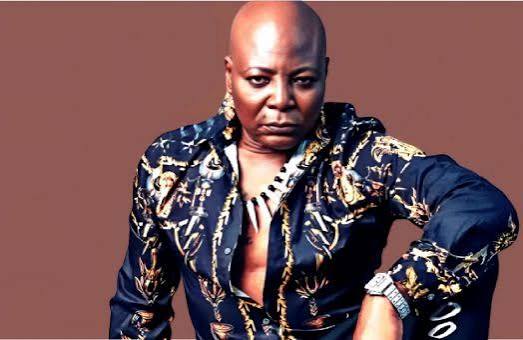
Veteran Nigerian entertainer and activist Charly Boy has sparked reactions online after expressing frustration over the country’s worsening infrastructure, electricity supply and rising cost of living.
In a strongly worded statement, Charly Boy questioned the state of basic services in Nigeria, arguing that conditions many citizens encounter daily have become increasingly difficult to accept.
He wrote: “I’ve never seen a country with a higher rate of dvmb citizens like Nigeria. A country where good roads are treated as luxury, where people with steady electricity are classified as the rich. A country where the price of goods can jump from 10k to 100k overnight with no questions asked and you call that a country?”
His comments touched on several long-standing concerns among Nigerians, particularly the condition of roads, unreliable electricity and the rapid changes in the prices of goods and services.

The entertainer’s remarks also come against the backdrop of continued public discussions over the cost of living and the ability of households to cope with rising expenses.
Charly Boy’s reference to electricity reflects a recurring complaint among Nigerians, many of whom rely on alternative power sources when public electricity supply is unavailable or unreliable. For businesses and households, the additional cost of generators, fuel and other power solutions can add significantly to daily expenses.
His comments on road infrastructure similarly highlight an issue that has remained prominent in public conversations, with poor road conditions affecting transportation, businesses and movement across different parts of the country.
The sharp rise in the price of goods has also remained a major concern for consumers, with Nigerians frequently complaining about changing prices of food, household items and other necessities.
Rather than focusing on a single incident, Charly Boy’s post presented a broader criticism of the country’s living conditions and the expectations placed on citizens despite challenges with basic infrastructure and affordability.
His remarks have since added to the wider conversation among Nigerians about governance, public services, economic hardship and the quality of life available to ordinary citizens.
While his comments reflect his personal assessment and frustration, the issues he raised remain subjects of ongoing public debate, particularly as Nigerians continue to navigate the pressures of higher living costs and access to basic services.




