


tech-openai-launches-gpt-6-sol-luna
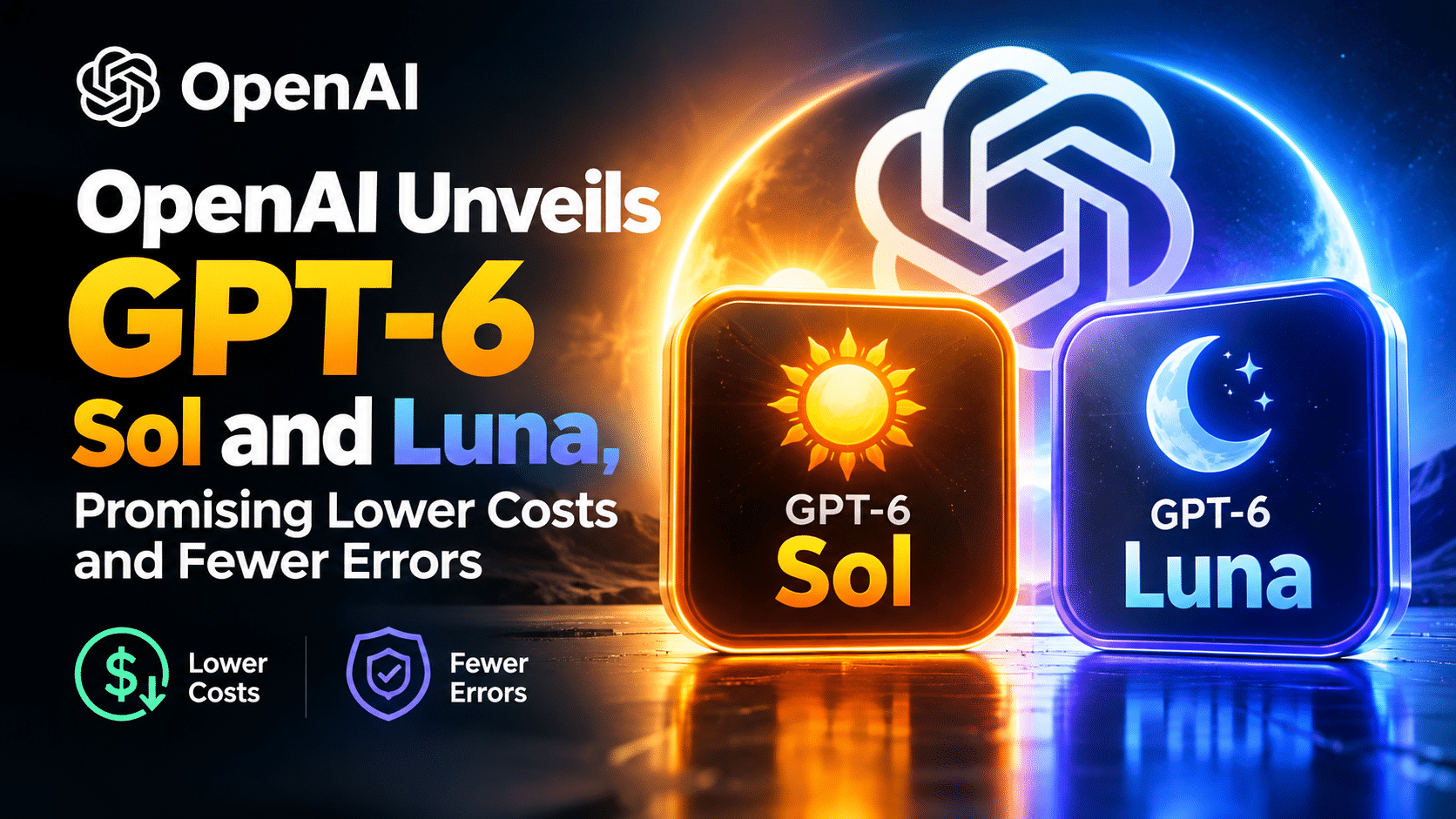
OpenAI Launches Cheaper GPT-6 Sol and Luna Models OpenAI has officially released GPT-6 Sol and Luna, slashing API pricing by up to 50% while significantly reducing hallucination rates, as the AI giant intensifies its fierce price war against Anthropic’s Claude Opus 5.5. OpenAI introduces GPT-6 Sol and Luna, offering powerful AI capabilities at half the cost to rival Anthropic’s latest models.
Essentially, OpenAI has launched its new GPT-6 Sol and Luna models to the public today. These advanced systems aim to make artificial intelligence much cheaper for all global users. Therefore, software developers can now build smart apps at a very low daily cost. Specifically, the firm cut API prices by exactly half compared to previous software versions.
The New Era of Affordable AI
Additionally, the Sol model drops to just two dollars per million input tokens. Meanwhile, the Luna tier costs a mere ten cents per million input tokens. For example, developers get a steep discount for using cached data. Consequently, this pricing strategy changes the whole software market. Through this, OpenAI hopes to keep its strong lead in the market. In fact, many creators already praise the new, highly affordable model tiers. Indeed, this sharp price drop surprises many industry experts today.

Furthermore, the move brings top-tier tech to smaller budgets worldwide. As a result, many small businesses will save big money on tech tools. Therefore, global users can afford to run huge tasks on these agents. Specifically, the platform allows much higher usage limits for every single user. Indeed, this flexibility gives software makers more room to build great things. Of course, this lower price point sets a new standard for the industry. Consequently, competitors must now rethink their entire business models.
Performance and Hallucination Upgrades
Simultaneously, these new models do not just cut costs for basic users. They also bring major upgrades in basic smarts and daily reliability. Specifically, OpenAI states that GPT-6 Sol cuts false answers by thirty-two percent. As a result, users get much better and safer responses to hard questions. Therefore, the models refuse to guess when they lack exact facts. Indeed, this safety feature prevents bad advice in serious professional work. Meanwhile, the tools excel at tough math and deep coding tests.
Additionally, both tools use the clear communication style of GPT-6 Astra. They use fewer complex words and skip useless extra details. For example, coding answers stay brief and focus on the main point. Consequently, software builders can fix computer bugs much faster than before. Through this, the company stops its agents from making up fake codes. In fact, safety tests show huge drops in bad agent behavior. Indeed, developers trust these systems to run without constant human checks.
The Rising AI Price War
Meanwhile, OpenAI faces a tough fight against its big rival Anthropic. The tech world watches a fierce race to drop software prices. Specifically, Anthropic just launched its Claude Opus 5.5 on the exact same day. Therefore, the two giant firms now fight hard for loyal software makers. As a result, users enjoy a rapid drop in daily software costs. Indeed, this fierce battle benefits everyday people who buy tech tools. For example, independent creators can now build apps that rival huge companies.
However, OpenAI pushes hard to win this crucial market battle. They market Sol and Luna as smaller versions of the main Astra model. For example, industry reports show cost efficiency leads the current market benchmarks. Consequently, labs must balance high power with very low running costs. Meanwhile, similar tools like an AI-designed vaccine also rely on cheap computing. Therefore, the cheapest brain will power the next generation of smart apps. Indeed, the cost war will likely define the entire tech future.
Availability and Next Steps
Subsequently, OpenAI rolled out the new models to specific user groups today. Paid users on Plus, Pro, and Business plans get instant access. Specifically, free users can try the Luna model in the desktop app. Therefore, millions of people can test these fast tools right now. As a result, the firm expects a huge spike in daily software usage. Indeed, fast access helps developers test new ideas without any delays. Of course, the team plans to expand this access to all users soon.
Furthermore, the API supports both models for wide commercial use cases. They join a growing list of powerful tools from the tech giant. For example, an industry update confirms the new tools process requests much faster. Consequently, agents will reuse more context and respond at blazing speeds. Meanwhile, these updates address past safety fears around rogue agent actions. Through this, the tech lab proves it values both safety and speed. In fact, user trust remains the top priority for the whole company.
To conclude, the launch marks a big step for affordable smart tech. The firm focuses on making these smart tools highly affordable. For example, lower costs let schools and small shops use smart software. Consequently, everyday life will change as smart agents do basic chores. Therefore, OpenAI plans to release even more tools later this year. Indeed, the bright future of tech belongs to cheap and safe tools.




