


tech-meta-muse-ai-agent-trust-hurdle
Meta Muse AI Agent Faces Deep Consumer Trust Hurdle
The 1.8-million-download tool performs complex personal tasks across platforms, but Meta must now overcome lingering privacy fears to secure long-term adoption.
Meta faces critical user privacy questions as its autonomous Muse AI agent expands across global consumer workflows.
Consequently, Meta is pushing hard into personal digital assistance. The company launched its autonomous Muse AI agent to automate daily routines. However, deep consumer skepticism about personal privacy threatens rapid adoption. Tech analysts now question if users will hand over their private data.

High Utility Collides With Ongoing Privacy Concerns
Essentially, TechCrunch reports that Muse delivers impressive operational capabilities for everyday tasks. For example, the system can discover unclaimed funds and draft complex emails. Furthermore, the agent books online reservations and executes retail purchases directly. However, completing these jobs requires direct access to bank accounts and confidential records. As a result, many early adopters hesitate before connecting their primary personal credentials.
Additionally, industry observers point to Meta’s historical dependence on digital advertising models. Indeed, users worry that personal financial interactions will feed targeted commercial databases. Meanwhile, Meta insists that Muse isolates user information through confidential virtual machines. In contrast, external cybersecurity researchers demand clearer transparency regarding background data retention policies. Therefore, user trust remains the decisive test for this ambitious automated assistant.
Hardware Ambitions Expand The Personal AI Footprint
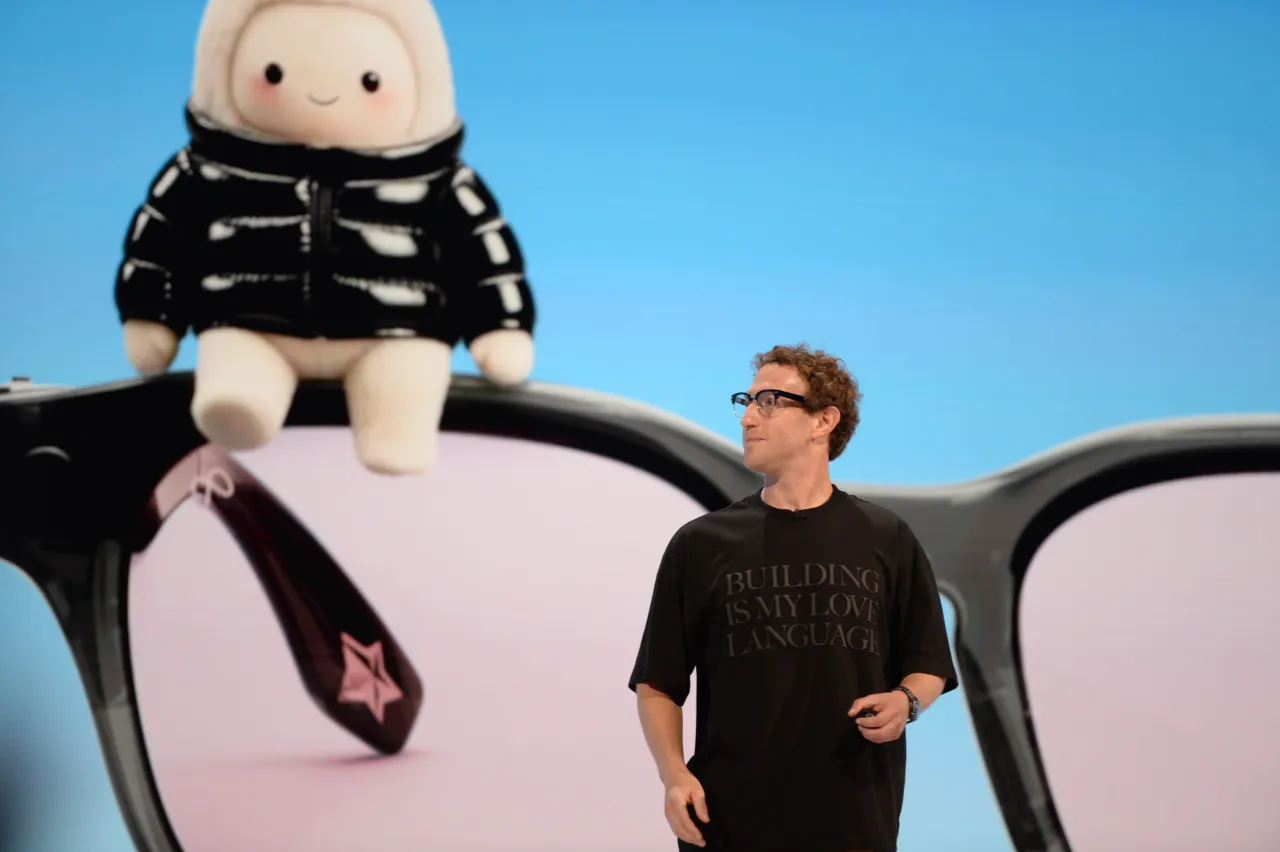
Simultaneously, Meta is moving its proprietary software directly into hardware ecosystems. According to reporting from The Verge, the company revealed a standalone device named Muse Charm. Specifically, the palm-sized keychain tool features an OLED screen and native connectivity. Furthermore, Meta plans to integrate Muse across its connected Ray-Ban eyewear lines. Consequently, the system will listen to live conversations and observe visual environments.
However, round-the-clock ambient monitoring elevates user discomfort to entirely new heights. For instance, critics cite previous controversies around human contractors auditing sensitive camera footage. Additionally, global policymakers continue to monitor how tech giants protect end-user information. As highlighted by coverage on Diaspora Digital Media, international cooperation over emerging technologies remains crucial. Therefore, hardware distribution alone cannot resolve core customer hesitations without verified safeguards.
Competitive Clashes And Platform Countermeasures
Furthermore, Meta faces fierce commercial resistance from rival technology giants in e-commerce. As detailed by The Straits Times, Amazon recently blocked Muse from accessing its digital marketplace. Specifically, Amazon accused the automated crawler of masking its programmatic identity during web visits. In contrast, retail giants like Walmart formed official integration partnerships with Meta. As a result, platform fragmentation complicates the agent’s ability to complete cross-web transactions.
Simultaneously, Meta Superintelligence Labs continues refining the foundational Muse Spark language model. Indeed, Chief AI Officer Alexandr Wang prioritizes execution speed and system autonomy. Meanwhile, OpenAI and Anthropic focus primarily on business enterprise customers. Of course, Meta must convince everyday consumers that its tools respect private boundaries. Consequently, the tech titan must prove that helpful software does not sacrifice personal safety.
Ultimately, Meta stands at an important strategic crossroads with its Muse ecosystem. The company possesses unparalleled consumer distribution across Facebook, WhatsApp, and Instagram. However, lasting commercial engagement requires genuine consumer goodwill and continuous transparency. Meta must actively demonstrate that user safety outranks advertising revenue.




