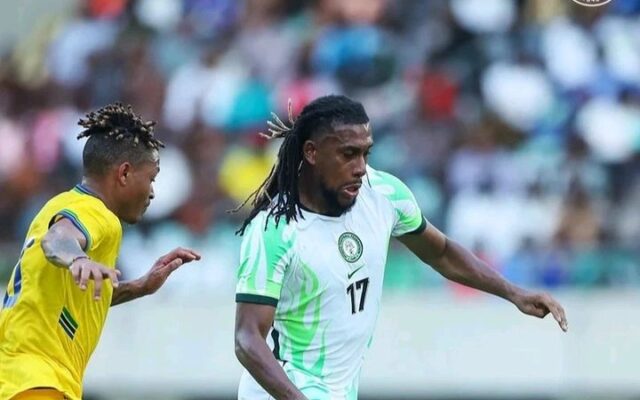

Golden Eaglets head coach Eboboritse Uwejamomere has apologised to Nigerians following the team’s disappointing exit from the WAFU-B U-17 Championship in Burkina Faso, a result that has ended Nigeria’s hopes of qualifying for the 2027 Africa U-17 Cup of Nations and FIFA U-17 World Cup.
The Nigerian youngsters endured a difficult campaign, finishing bottom of Group B with just one point from two matches after losing 2-1 to Niger Republic and drawing 1-1 against Côte d’Ivoire.
The results proved insufficient to secure a place in the semi-finals, leaving the five-time FIFA U-17 World Cup champions facing another frustrating absence from the international youth football stage.
Uwejamomere acknowledged the disappointment among supporters, admitting that the team’s failure had affected the players and coaching staff as much as it had frustrated fans back home.
Speaking after the elimination, the coach appealed for forgiveness and recognised the high expectations Nigerians have for the country’s youth teams.
He said supporters were understandably disappointed because of their passion for Nigerian football and their desire to see the national team win every match and tournament.
The coach added that the disappointment felt by supporters was shared by the technical crew and players, who had hoped for a much better outcome in Burkina Faso.
However, Uwejamomere also urged Nigerians to remember that the players are still young and have time to learn from the experience as they continue developing their football careers.
Nigeria’s campaign began with a damaging 2-1 defeat to Niger Republic, leaving the Eaglets under immediate pressure to secure a victory in their second group match.
The situation became more difficult when they faced Côte d’Ivoire, knowing that anything short of a win would leave their qualification hopes in serious danger.
Côte d’Ivoire took the lead in the 16th minute through Alex Fousseni, forcing Nigeria to chase the game for much of the contest.
The Eaglets continued searching for an equaliser and eventually found one in the 84th minute through Abiodun John. Despite the late goal, they were unable to find a winner before the final whistle.
The draw left Nigeria with one point from two matches, confirming their elimination from the competition.
For a country that has won the FIFA U-17 World Cup five times, the latest setback raises further questions about the preparation, development and competitiveness of its youth football programme.
Nigeria will now miss the 2027 U-17 AFCON, marking a third consecutive absence from the continental tournament. The team will also miss the 2027 FIFA U-17 World Cup in Qatar, extending its absence from the global competition to four consecutive editions.
The Golden Eaglets last featured at the FIFA U-17 World Cup in 2019, when the tournament was held in Brazil.
Their continued absence represents a significant departure from the standards established by previous Nigerian youth teams, which helped build the country’s reputation as a major force in age-grade football.
Beyond the immediate disappointment, the latest failure places renewed attention on the need to improve talent identification, coaching, competitive preparation and the transition of young players into professional football.
Although Uwejamomere has appealed for understanding, the team’s results underline the scale of the challenge facing Nigerian football authorities as they seek to restore the Golden Eaglets’ competitiveness.
For the young players, the experience offers a difficult lesson in international football, where individual talent must be matched by tactical organisation, consistency and the ability to deliver under pressure.
For Nigerian supporters, however, the priority will be seeing concrete improvements rather than another apology when the next qualification campaign arrives.
The Golden Eaglets’ history remains a source of pride, but rebuilding that legacy will require more than past achievements. It will demand stronger preparation, effective development structures and performances capable of restoring Nigeria’s place among the leading nations in youth football.