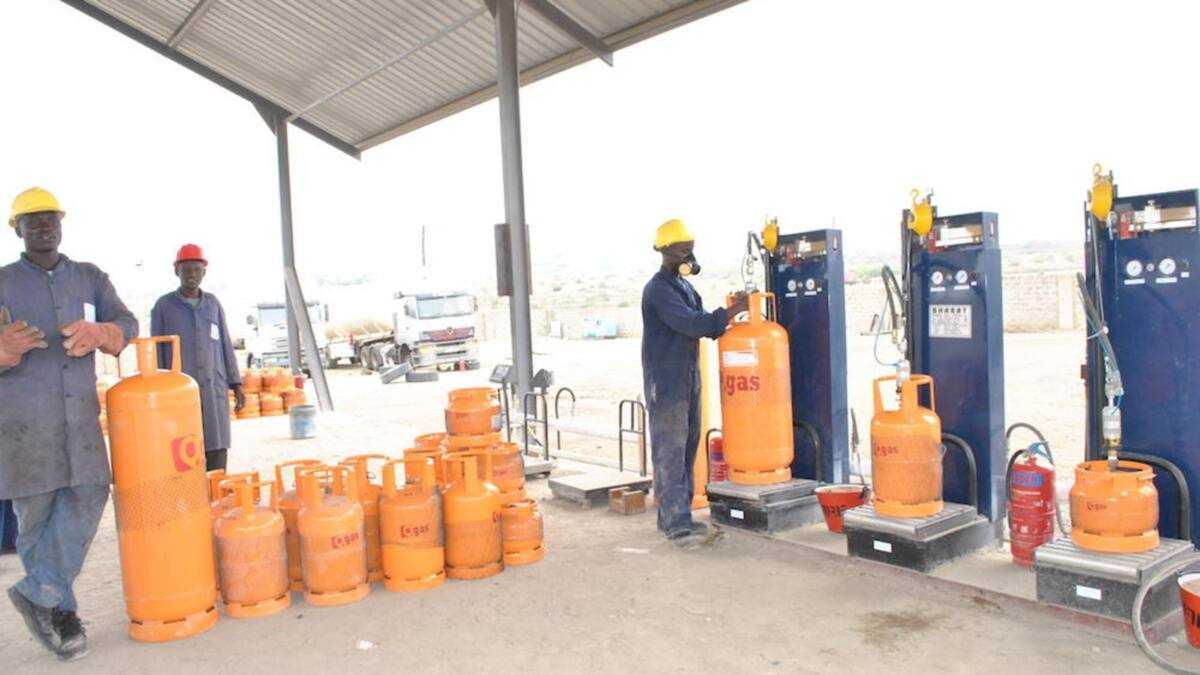
The price of cooking gas in Nigeria has increased by 14 per cent to N1,600 per kilogramme in November 2026, from N1,400 in October. The increase comes amid growing supply shortages across the country.
Findings by Vanguard showed that several gas suppliers in Lagos and other parts of Nigeria had exhausted their commercial stocks.
Dangote Petroleum Refinery remained among the few suppliers with available products.
The latest increase marks another rise in cooking gas prices over the past three months. It has also raised concerns about the country’s ability to meet growing demand through domestic supply.
Demand Outpaces Domestic Supply
The National President of the Nigerian Association of Liquefied Petroleum Gas Marketers (NALPGAM), Inyang Edu, said national supply continued to struggle to meet actual consumption.
He explained that domestic LPG production had increased, but demand had also grown. This imbalance has put additional pressure on available stocks and market prices.
Edu identified inadequate storage and transportation infrastructure as major challenges affecting distribution.
He noted that the availability of cooking gas at production facilities and coastal terminals did not guarantee access to inland markets.
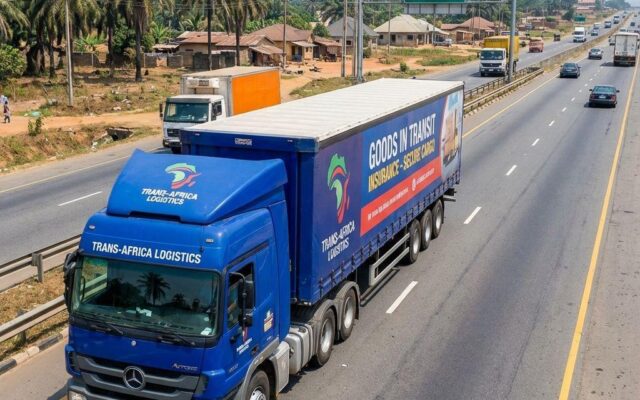
High transportation costs, poor roads, haulage charges and limited storage facilities also contributed to regional price differences.
He advised the government against eliminating imports indiscriminately. Instead, he recommended using domestic production as the main supply source while retaining imports to address shortages.
Industry Leaders Seek Infrastructure Investment
Chief Executive Officer of Falcon Corporation Limited, Audrey Joe-Ezigbo, called for infrastructure-focused subsidies to improve access to cooking gas.
Speaking at the 16th NLCGA Conference and Exhibition in Abuja, she urged the government to support inland depots, bottling plants and better distribution networks.
She argued that subsidies should reduce the cost of delivering cooking gas rather than directly reduce its market price.
Joe-Ezigbo also identified trucking, railways and pipelines as important investments for improving nationwide distribution. She noted that transportation costs significantly affected the prices consumers paid in northern Nigeria.
The industry leader further called for predictable regulations, guaranteed supply and stronger investment incentives to attract private-sector participation.
Supply Challenges Raise Market Concerns
The latest price increase highlights the challenges facing Nigeria’s cooking gas market despite improvements in domestic production.
Growing consumption, inadequate storage and distribution limitations continue to affect availability across different regions.
Industry stakeholders believe that expanding distribution infrastructure will help connect domestic production centres with consumers. Better logistics could also reduce regional price differences and improve access.
For households and businesses that depend on cooking gas, sustained supply improvements will be important in controlling costs.
The ability of producers and distributors to meet rising demand will remain critical to price stability.
Source: Vanguard