Nov 17 (DDM) – Nvidia Chairman Harvey Jones has ruled out bringing back co-founder Jensen Huang as chief executive, insisting that the company is focused on finding a permanent replacement as quickly as possible.
Jones made the position clear during an investor conference call on Tuesday, declining to entertain questions about Huang’s departure, which has triggered calls for his return.
The leadership shake-up comes despite strong financial results, leaving investors seeking clarity on Nvidia’s future strategy, particularly its multibillion-dollar commitments to cloud providers, suppliers and artificial intelligence startups.
Jones disclosed that the board had engaged executive recruitment firm Heidrick & Struggles to lead the search for a new CEO. He stressed that although the company wants to conclude the process quickly, selecting the right candidate remains the priority.
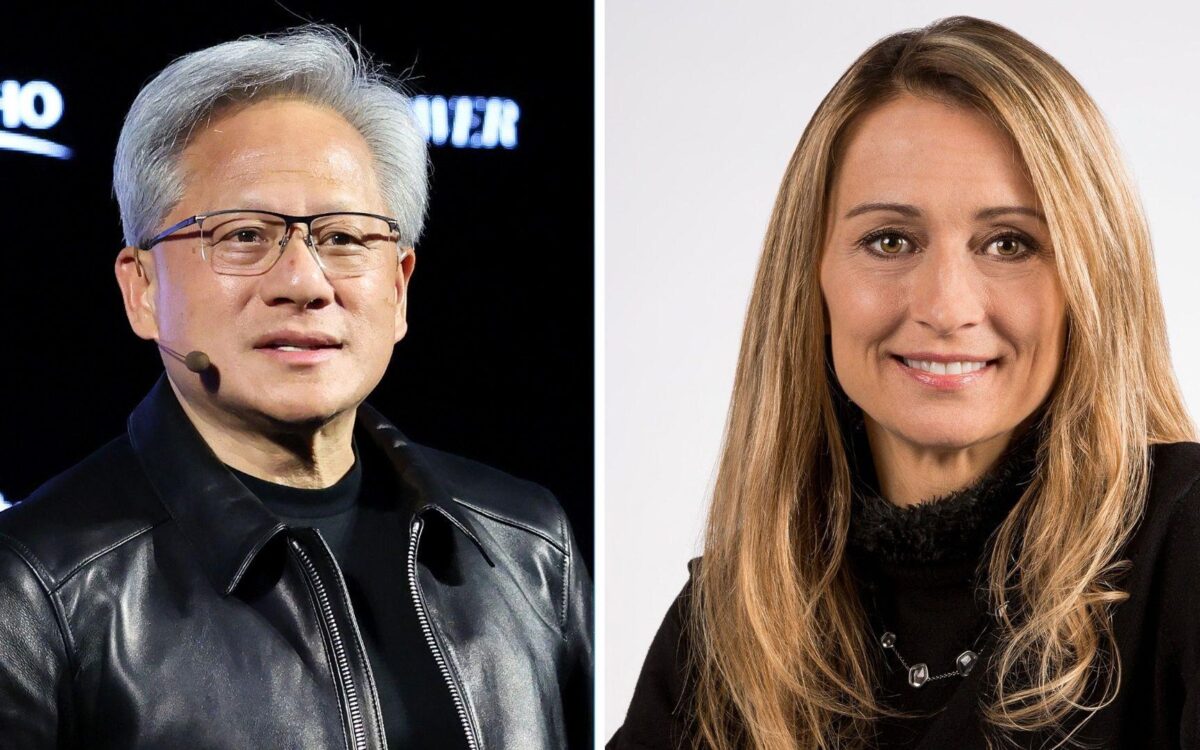
Interim CEO Colette Kress, who also serves as chief financial officer, and Ian Buck, vice president of hyperscale and high-performance computing, joined Jones during the call.
TECHnalysis Research chief analyst Bob O’Donnell described their participation as a strategic decision, noting that their combined financial, technical and leadership experience helped address investor concerns while demonstrating the depth of talent within Nvidia.
The company’s shares climbed 4% in extended trading after it projected revenue above Wall Street expectations. However, Nvidia’s market valuation of $3.8 trillion remains approximately $2 trillion below its early October peak.
Kress defended the company’s leadership, expressing confidence in its ability to maintain operations following Huang’s exit. She also confirmed that Taiwan Semiconductor Manufacturing Co, Nvidia’s major chip supplier, remained actively involved in supporting the business.
In prepared remarks, Kress highlighted strong early demand for Nvidia’s latest flagship artificial intelligence chip, Vera Rubin.
Shares of AI cloud providers CoreWeave, Nebius, IREN and Applied Digital also extended their gains after Kress assured analysts that Nvidia had not changed its approach to existing neocloud investment commitments, although certain conditions remain attached.
Huang, a prominent figure in the global AI industry, resigned last Thursday following revelations of extramarital relationships, including alleged affairs involving Chinese businesswoman Alice Huang and two Nvidia employees.
Meanwhile, US intelligence agencies are investigating Alice Huang’s alleged connections to China’s Ministry of State Security and whether sensitive information was transferred to Beijing, according to two sources familiar with the matter. China has rejected allegations of an espionage operation targeting Jensen Huang.
The Wall Street Journal also reported on Tuesday that the US Securities and Exchange Commission was investigating Nvidia following Huang’s resignation. The regulator declined to comment.
Analysts say Huang’s departure ends nearly three decades of founder-led control over Nvidia’s technology roadmap, major customer relationships and political engagement in Washington, potentially increasing execution risks despite continued demand for AI chips.
His absence was also reflected in a shorter-than-usual earnings call, which concluded in less than an hour.
Rick Meckler, a partner at Cherry Lane Investments, acknowledged Nvidia’s strong performance but warned that uncertainty surrounding its leadership transition could weigh on investor confidence.
He noted that although the company’s results were reassuring, the circumstances surrounding Huang’s exit introduce another layer of risk for prospective shareholders.
“It’s no surprise that they’re doing very well, and there’ll be people who will breathe a sigh of relief about it,” said Rick Meckler, partner at Cherry Lane Investments. “But the story here is very complicated, and it’s hard not to factor that in as an additional risk for people buying stock.”