
Nigerian banks recorded a 47.1 per cent drop in loan impairment charges in the first nine months of 2026. The reduction lowered pressure on lenders and supported their earnings.
BusinessDay reports that eight major banks reduced their combined impairment charges to N1.01 trillion. They recorded N1.92 trillion during the same period in 2025. This represents a decrease of about N902.66 billion. Businessday NG +1
Why impairment charges declined
The reduction follows the Central Bank of Nigeria’s decision to end regulatory forbearance. The policy allowed banks to restructure loans during the COVID-19 pandemic.
However, the CBN ended the relief measures in June 2025. Banks then had to review troubled loans and recognise potential losses. This process increased their impairment charges last year.
The latest figures suggest that lenders are now moving beyond much of that adjustment. Businessday NG
Major banks record lower charges
Several banks recorded significant reductions in their loan impairment expenses.
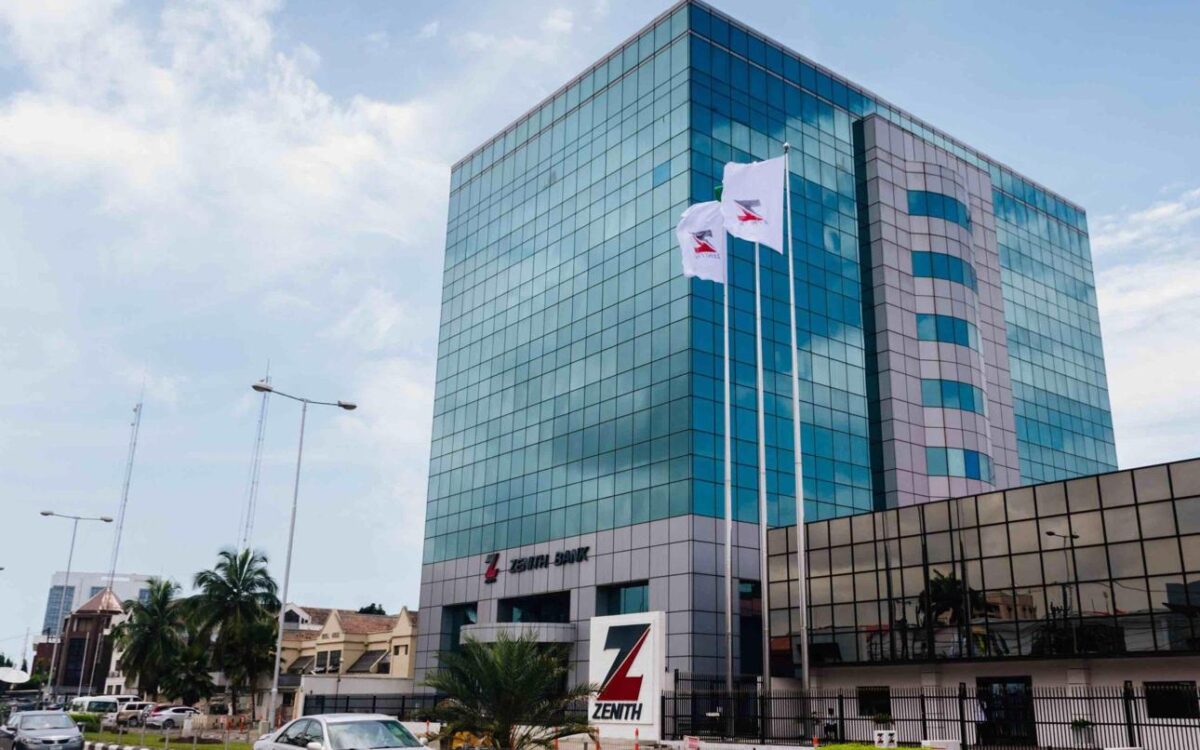
Zenith Bank cut its charges by 70.5 per cent to N230.7 billion. Access Holdings recorded a 73.5 per cent decline to N92.9 billion.
GTCO also reduced its charges by 58.4 per cent to N29.02 billion. FBN Holdings recorded a 28.3 per cent drop to N207.1 billion.
Stanbic IBTC Holdings recorded a sharp fall to N507 million from N11.6 billion.
However, some banks recorded increases. Ecobank’s charges remained almost unchanged at N393.8 billion. Sterling Financial Holdings and Wema Bank also reported higher impairment expenses. Businessday NG +1
Lower charges support bank profits
The reduction helped improve earnings across the banking sector. The eight lenders recorded a combined N3.88 trillion in profit after tax.
This represents a 9.5 per cent increase from N3.54 trillion in the same period of 2025. Lower credit costs helped banks retain more of their earnings.
However, the improvement varied across institutions. Some banks recorded stronger profits, while others reported declines. Businessday NG +1
Borrowers may not see immediate relief
Despite the improvement, lower impairment charges do not mean all bad loans have disappeared. They also do not guarantee cheaper loans for customers.
The CBN reported that the industry’s non-performing loan ratio reached 7.51 per cent in December 2025. This exceeded the regulator’s 5 per cent benchmark.
High borrowing costs and pressure on businesses could also affect loan repayments. Banks must therefore maintain strong credit checks and monitor existing loans.
The sustainability of the improvement will depend on borrowers’ ability to repay and the quality of new loans. For now, lower impairment charges offer Nigerian banks some relief, but customers may not feel the benefits immediately. Businessday NG +1