ABUJA, NIGERIA — Chairman of Heirs Holdings and Transcorp Group, Tony Elumelu, has urged President Bola Tinubu to make comprehensive judicial reforms a central part of his economic agenda, warning that delays in the administration of justice and weak contract enforcement could discourage investors from committing long-term capital to Nigeria.
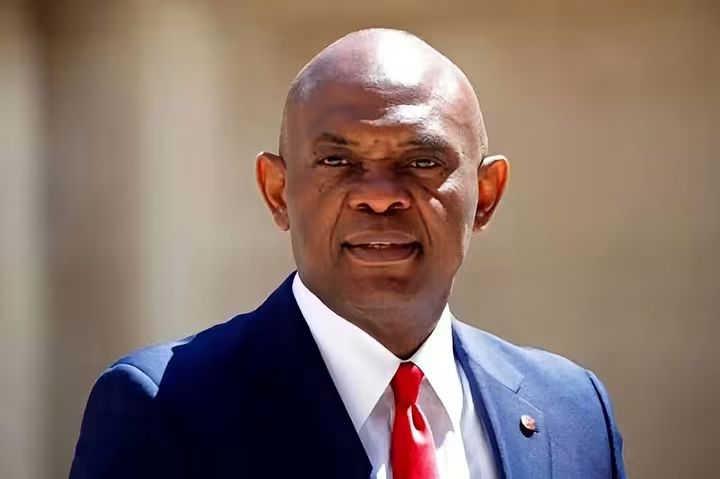
Elumelu made the appeal on Thursday, November 19, 2026, while delivering the keynote address at the Wole Olanipekun & Co. Justice Summit in Abuja. The summit focused on the role of the rule of law in promoting private-sector growth and economic transformation.
He argued that while tax incentives, infrastructure development and government policies could make a country attractive to investors, those measures would achieve limited results without an independent and efficient judiciary capable of protecting commercial agreements and resolving disputes promptly.
According to him, investors want assurance that contracts will be respected, regulations will be applied consistently and court decisions will be delivered fairly, regardless of political influence or changes in government.
“Before power, before roads, before tax incentives, the first condition is a court judgment that is fair, impartial and timely,” Elumelu said.
He warned that uncertainty surrounding contractual obligations and the enforcement of commercial agreements could push investors towards countries where legal protections are more predictable.
“Where any of them is in doubt, capital doesn’t argue. It leaves,” he added.
Elumelu cited findings from the World Bank’s Business Ready 2025 report to illustrate weaknesses in Nigeria’s commercial justice environment. The country scored 63.48 out of 100 for its commercial dispute resolution regulatory framework, 24.50 for public services and 53.80 for operational efficiency.
He said the figures highlighted a gap between the existence of legal provisions and the practical ability of businesses to obtain timely and effective justice. For investors, he maintained, the effectiveness of a country’s institutions matters as much as the laws contained in its statutes.
Drawing from his experience across banking, electricity, oil and gas, and other sectors, Elumelu recalled that his involvement in the acquisition of a struggling bank alongside other investors in 1997 was partly based on confidence that Nigerian law would protect the transaction.
He said long-term investments require a legal environment in which commercial agreements remain enforceable even when political leadership changes. Regulations, he added, must apply equally to competing businesses rather than being influenced by discretion or privileged relationships.
The businessman called for the deployment of technology across the judiciary to improve case management, reduce delays and make dispute resolution more efficient. He also proposed measurable performance indicators that would help assess how quickly courts handle cases and settle commercial disputes.
He described judicial efficiency as a critical reform that could outlast the tenure of any administration, insisting that justice should be a dependable feature of the country’s institutions rather than an exceptional outcome that takes years to obtain.
Elumelu also commended Tinubu’s economic reform programme, particularly the removal of the petrol subsidy, the unification of the foreign exchange system and the enactment of tax reform laws. He described the measures as necessary attempts to address longstanding economic distortions.
However, he acknowledged that the reforms had imposed considerable hardship on ordinary Nigerians. He said the previous system of costly subsidies, multiple exchange rates and opaque arrangements had created economic inefficiencies and weakened fair competition.
He urged the Federal Government to sustain its reform efforts, particularly in the electricity sector, arguing that transparent regulation and reliable power supply would encourage private investment and strengthen businesses, hospitals, schools and other essential institutions.
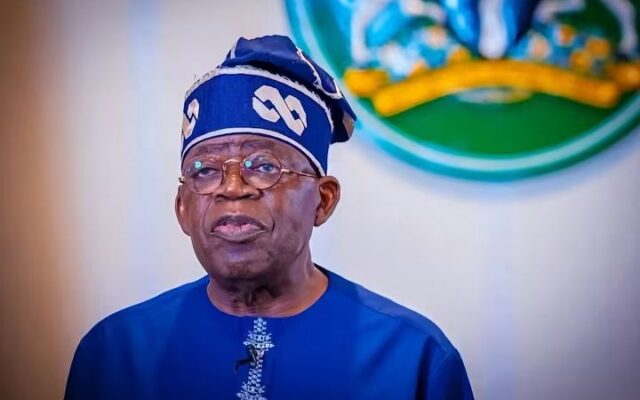
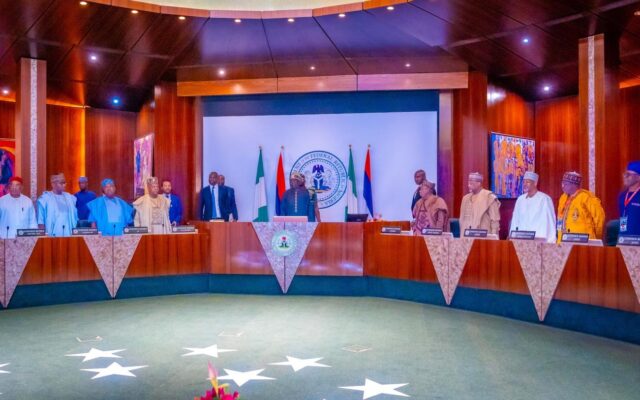
President Tinubu, who also addressed the summit, agreed that an efficient justice system was important to Nigeria’s investment prospects. He said investors examined court judgments alongside economic indicators when deciding where to commit their capital, describing timely judicial decisions as an important signal of the country’s business environment.
Tinubu called on judicial officers and legal practitioners to recognise their responsibility in protecting property rights and enforcing contractual obligations. He also reaffirmed his administration’s commitment to judicial independence and said the government respected court decisions even when it disagreed with them.
The President disclosed that his administration had approved a 300 per cent increase in the salaries of judicial officers across the country, presenting the measure as part of efforts to strengthen the judiciary.
The summit also marked the 75th birthday and 50 years of legal practice of Chief Wole Olanipekun, a Senior Advocate of Nigeria and former President of the Nigerian Bar Association. The event featured the presentation of a six-volume collection titled Wole Olanipekun Through the Cases, documenting significant legal disputes handled during his career.
Elumelu’s intervention adds to growing calls from business and legal leaders for stronger commercial justice institutions. Their argument is that Nigeria’s ability to attract investment depends not only on the availability of opportunities and financial incentives but also on whether businesses can rely on the courts to protect their rights.
As the Tinubu administration pursues economic reforms, the challenge will be to translate commitments to judicial independence and efficiency into faster case resolution, consistent contract enforcement and greater public confidence in the justice system.
For Elumelu, the message is clear: investment incentives may attract attention, but dependable justice is what gives investors the confidence to stay.