MANCHESTER, UNITED KINGDOM — Manchester United chief executive Omar Berrada has defended the club’s leadership against what he described as excessive criticism, while acknowledging that supporters have legitimate reasons to be frustrated by the team’s disappointing performances and continued instability.
Berrada made the comments during an interview with Sky Sports on Friday, November 20, 2026, as United face mounting pressure over their position in the Premier League, recruitment decisions and repeated changes in the club’s managerial structure.
The chief executive admitted that criticism and scrutiny come with his position, but argued that some public attacks on the club’s hierarchy have gone beyond reasonable assessment.
“Being in this position comes naturally with the criticism and the scrutiny that we’re going to get. We accept it. Some of it is fair, some of it does cross the line,” Berrada said.
He also expressed concern about the influence of social media, arguing that some individuals deliberately circulate negative stories about the club because controversy generates engagement, attention and online activity.
However, Berrada acknowledged that supporters have understandable reasons to question the people responsible for running Manchester United, particularly given the club’s recent results and lack of stability.
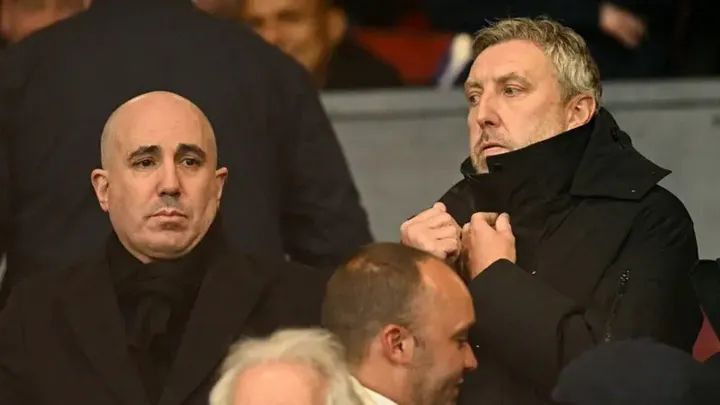
United entered the November international break in 18th position in the Premier League table, placing them in the relegation zone. The club’s struggles have intensified scrutiny of its executive leadership, football director Jason Wilcox and ownership structure involving the Glazer family and minority owner Sir Jim Ratcliffe.
Berrada insisted that the leadership remains committed to restoring United’s competitiveness and building a team capable of challenging consistently for major trophies.
He described the club’s current position as unacceptable and admitted that the organisation had not achieved the stability it wanted. United have had three permanent managers in less than three seasons, with Erik ten Hag, Ruben Amorim and Michael Carrick all leaving the position during that period.
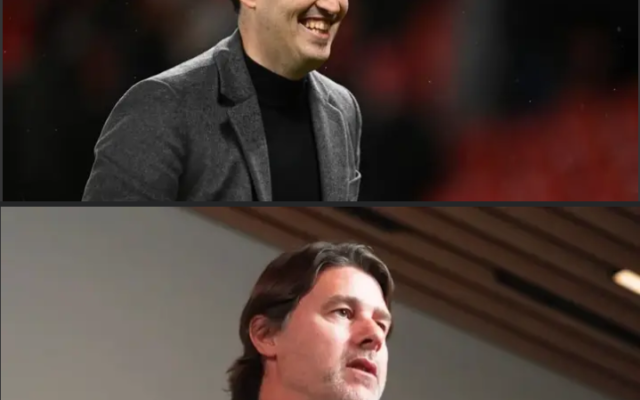
Carrick was dismissed earlier in November, with Argentine coach Mauricio Pochettino appointed as his replacement. Berrada said the decision followed an assessment of the team’s performances and the areas requiring improvement.
He expressed confidence in Pochettino’s ability to bring renewed energy, a clear football philosophy and experience of managing at major clubs. The chief executive said the new coach had already created a positive atmosphere at the training ground and shared the club’s ambition to win titles.
Berrada also defended United’s recent transfer activity, which has attracted criticism from supporters who believe the squad remains short of quality in important areas.
The club spent approximately £163 million during the summer transfer window, with much of the investment directed towards midfield reinforcements. Berrada maintained that the recruitment team had strengthened the squad and was satisfied with the players brought in.
He argued that Manchester United must remain disciplined in the transfer market rather than spend excessively on players who do not represent sufficient value or meet the club’s requirements.
The chief executive acknowledged that United could have strengthened further in defence but said the club was unwilling to commit substantial funds to players it was not convinced would improve the team.
He also defended the relationship between the club’s ownership groups, insisting that the Glazer family and INEOS, led by Ratcliffe, maintain regular communication and share the ambition of improving United’s fortunes.
Berrada said the executives were not the central figures in the club’s story, arguing that the priority should be restoring performances that make supporters proud.
Meanwhile, Pochettino has indicated that he wants a greater role in major football decisions, particularly long-term squad planning and recruitment. Although he will take responsibility for team selection and match-day decisions, the coach has expressed interest in contributing to broader decisions affecting the first team.
United’s next major test comes against Liverpool on Sunday, November 22, when Pochettino is expected to take charge of his first match. The fixture offers an early opportunity for the new coach to begin addressing the club’s difficult league position.
Berrada’s remarks reflect the growing tension between Manchester United’s leadership and a fan base demanding accountability, improved recruitment and consistent results. While he has defended the club’s strategy, his acknowledgement that the current position is unacceptable underscores the scale of the challenge facing the organisation.