The Federal Government is reviewing the assumptions behind Nigeria’s electricity tariff model but has ruled out any increase in electricity charges in 2027.
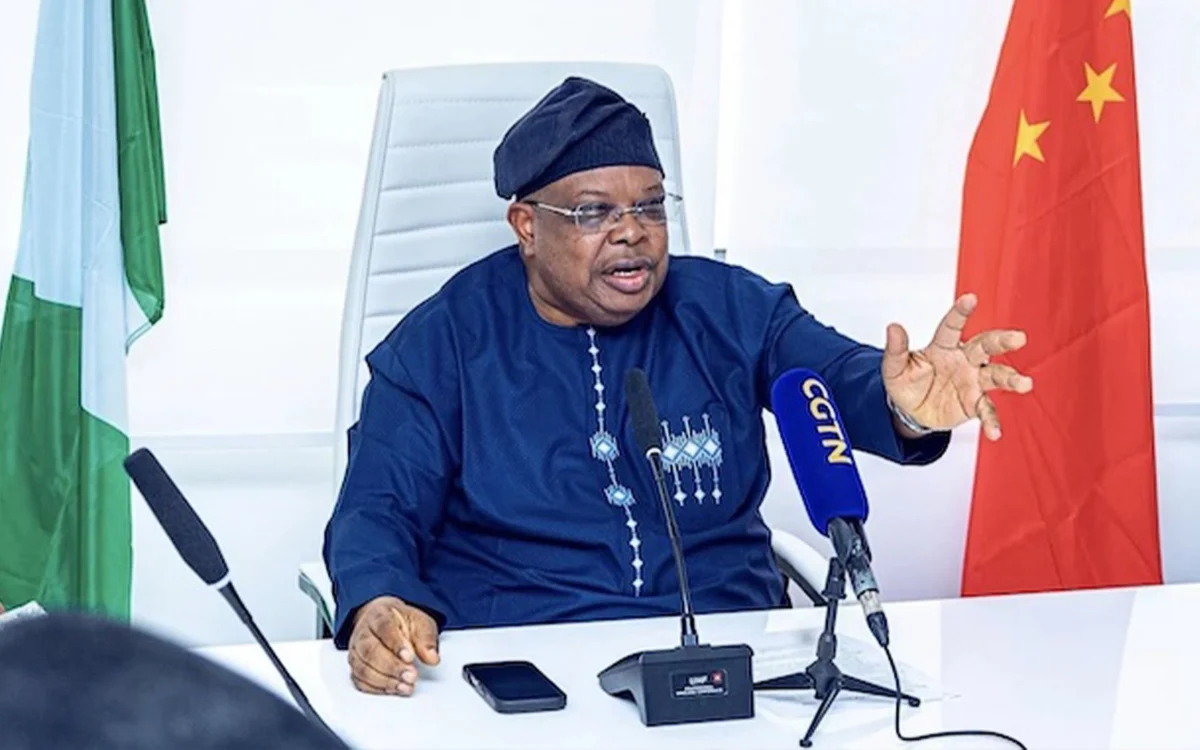
The Minister of Power, Joseph Tegbe, disclosed this on Monday during an interview on ARISE News, amid concerns over mounting debts in the power sector and efforts to address financial challenges affecting electricity generation and distribution.
Tegbe said the government was exploring alternative ways to tackle the sector’s financial difficulties without imposing additional costs on consumers.
“Let me make it categorically clear to Nigerians. And I’ll say it again. There’s no plan to increase tariff,” he said.
The minister explained that his priority was to improve electricity access across the country.
He disclosed that the government was considering a concessionary gas pricing arrangement for power generation companies to ensure they could access gas at affordable rates without making supply unprofitable for gas producers.
He also said the government was reviewing some of the assumptions built into the existing electricity tariff model, noting that certain elements might need to be revised.
“Also, we’re looking at assumptions that have been built into the tariff model. There’s a possibility that some of those assumptions may need to be revised. But rule out tariff increase,” Tegbe said.
According to him, the government is prepared to reassess existing policies and arrangements in the power sector, provided such changes would improve electricity supply.
“I’m re-evaluating many things. And I have no boundary. The only boundary and guiding principle I have is re-evaluate everything, re-jig whatever you can re-jig, as long as you can give Nigeria electricity access,” he added.
Tegbe’s assurance comes as the government continues to grapple with outstanding obligations to power generation companies and other financial challenges across the electricity value chain.
The minister had similarly ruled out an electricity tariff increase in September, saying the government was focused on improving power supply and strengthening the financial and physical foundations of the sector rather than placing additional financial burdens on consumers.