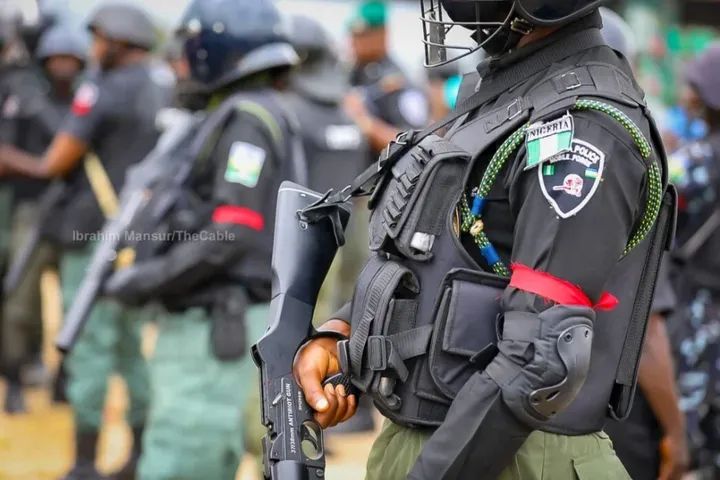
ABUJA, NIGERIA — The Social Democratic Party has called on the Nigeria Police Force to provide equal security protection for all political parties ahead of the 2027 general elections, warning that any perception of bias could erode public trust in the electoral process.
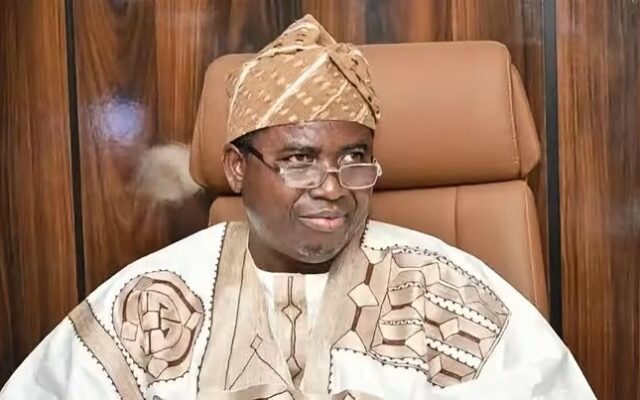
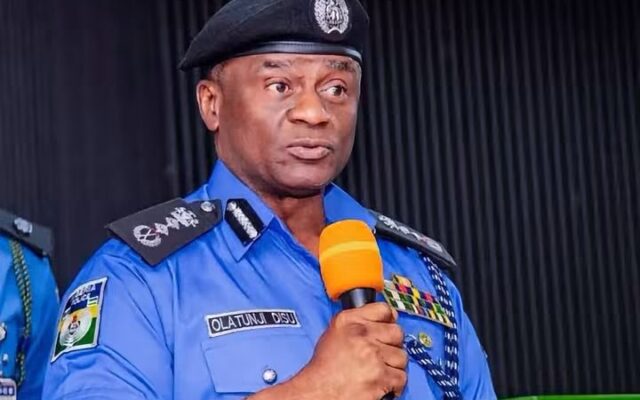
The SDP National Chairman, Prof. Sadiq Gombe, made the call on Tuesday at a high-level security meeting convened by the Inspector-General of Police, Olatunji Disu, to address political violence and security challenges during political activities .
A Plea for Fairness
Gombe urged the police and other security agencies to remain professional, impartial, firm and fair, insisting that opposition parties must be able to organise rallies, hold meetings and campaign without intimidation or fear of attacks.
“We call on the police and other security agencies to be professional, impartial, firm, and fair. Every party must be able to say, with confidence, that its candidates, supporters, offices and rallies will receive equal protection under the law. Not some parties. Not the powerful. Every party. Every electorate,” he said .
Warning Against Perceived Bias
The SDP chairman warned that any perception of police bias could undermine public confidence in the electoral process and weaken the country’s democracy.
“Security must never be perceived as a tool for political advantage. The moment citizens believe the uniform belongs to a political camp, trust is lost. And once trust is lost, it is very difficult to rebuild,” he said .
His remarks came hours after the Nigeria Democratic Congress announced its decision to boycott the meeting, citing alleged police bias and failure to protect its members from attacks by suspected political thugs. The opposition party alleged that security agencies failed to intervene during the killing of four of its members in Delta State .
Call for Accountability
Gombe said security agencies must respond promptly to reported threats, investigate incidents of political violence thoroughly and ensure that perpetrators are brought to justice irrespective of their political affiliations.
“Where threats are reported, response must be prompt and swift. Where violence occurs, investigation must be thorough. And where offenders are identified, the law must take its course, whoever they are and whatever party they belong to,” he said .
He also warned that the culture of impunity must be confronted, insisting that failure to punish perpetrators could encourage others to engage in similar acts.
“When perpetrators of political violence go unpunished, we send a dangerous message to the next person: that violence is acceptable, that it is cheap, and that it pays. Accountability is not vengeance. It is the foundation of deterrence,” he said .
Party Discipline
Gombe challenged political party leaders to take responsibility for the conduct of their members and supporters, insisting that condemnation of violence must extend to offenders within their own political organisations.
“Condemnation is easy when the offender belongs to someone else. The real test of leadership is what we do when the offender is one of our own. The SDP is committed to disciplining any member who engages in violence or incites it, and we challenge every other party here to do the same,” he said .
Proposals for Reform
To strengthen security ahead of the elections, Gombe proposed establishing a permanent communication channel between political parties and security agencies, with designated liaison officers to ensure prompt responses to threats.
He also called for an early-warning system to identify emerging tensions, adequate and impartial security for campaign activities, responsible political communication and the documentation, investigation and prosecution of reported cases of electoral violence .
What This Means
The SDP’s demand comes amid growing concerns over political violence ahead of the 2027 general elections, with the National Peace Committee recently disclosing that 26 states and the FCT recorded 109 breaches of the National Peace Accord between August 19 and October 27, 2026 .
What Happens Next
Gombe expressed concern that previous engagements on electoral security had often produced resolutions without corresponding action.
“Nigerians are tired of words that do not become action. So this meeting must be different. It must produce measurable commitments,” he said .
For now, the focus is on whether the police will translate the assurances of neutrality into visible action as campaign activities intensify across the country.