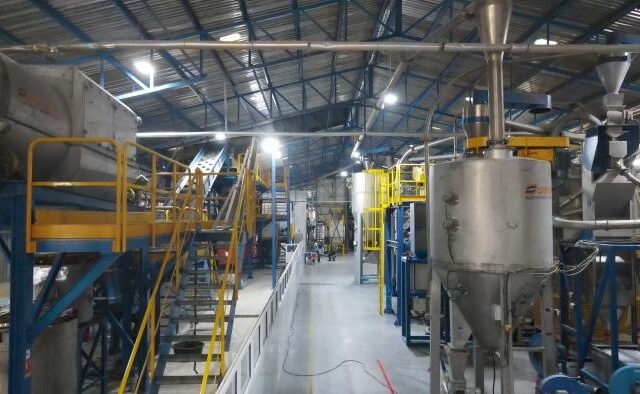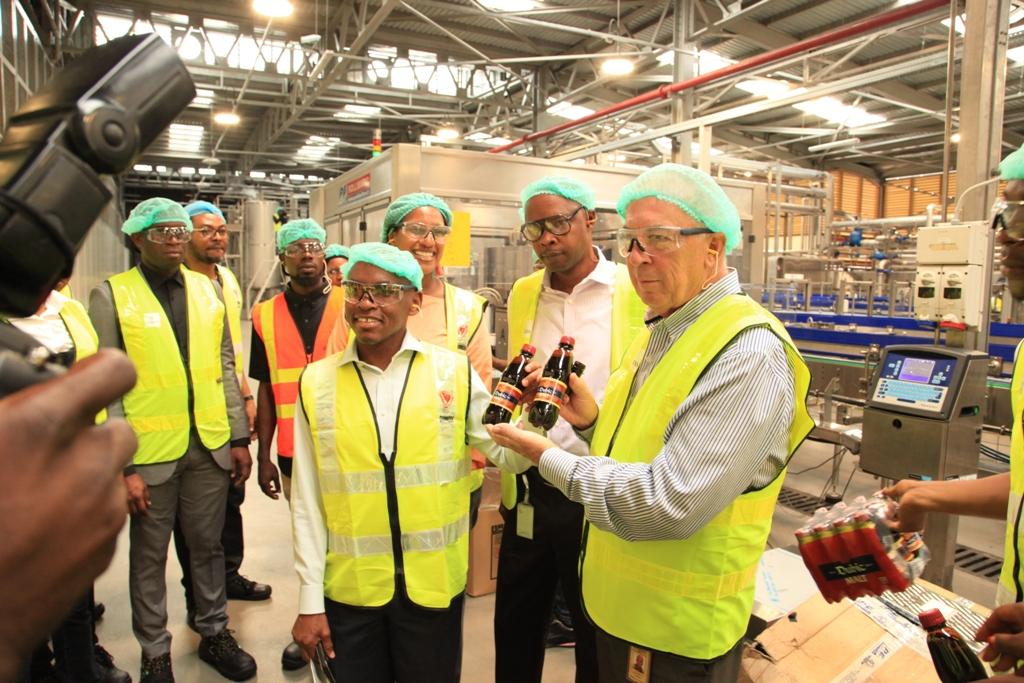
Guinness Nigeria Plc has called for increased local sourcing and improved manufacturing efficiency to strengthen Nigeria’s industrial sector. The company also identified regional trade as an important driver of long-term economic growth.
The company’s Managing Director, Girish Sharma, made the call at the CNBC Africa Invest in Nigeria Conference held on November 23, 2026, at Eko Hotel, Lagos.
According to a report by The Punch, Sharma said manufacturers must improve production processes, manage costs and respond to changing consumer needs to remain competitive.
Local sourcing to support businesses
Sharma highlighted Guinness Nigeria’s use of locally sourced grains and other agricultural inputs. He explained that adapting its brewing operations to local requirements could strengthen domestic supply chains.
The approach also creates opportunities for local farmers, suppliers and businesses within the manufacturing value chain, according to THEWILL.
However, Sharma noted that expanding local sourcing would require reliable electricity and better road networks. These improvements would help small and medium-sized businesses supply larger manufacturers.
Policy stability and regional trade
The Guinness Nigeria chief also stressed the importance of consistent government policies in attracting long-term investments.
He said investors needed confidence in the business environment before committing capital to major projects.
Sharma further identified opportunities under the African Continental Free Trade Area (AfCFTA). He said Nigeria could strengthen its position as a regional manufacturing hub through improved trade agreements and efficient movement of goods across borders.
At the conference, Minister of Industry, Trade and Investment Jumoke Oduwole reaffirmed the Federal Government’s commitment to policy consistency and a supportive investment environment.
She said economic growth should translate into stronger businesses, better jobs and improved incomes for Nigerians.
The discussions highlighted the importance of local production, infrastructure development and regional trade in strengthening Nigeria’s manufacturing competitiveness.