New York has signed a five-year moratorium on AI chatbot toys after safety tests found privacy, relationship and content risks for children.
New York has signed a five-year moratorium on AI chatbot toys, stopping their manufacture, distribution and sale after the law takes effect. Governor Kathy Hochul signed the measure on November 24, 2026, after safety tests raised concerns about children’s privacy, relationships and exposure to harmful content. The law covers internet-connected toys that use embedded chatbots, including talking dolls, stuffed animals and robots. However, the ban starts 90 days after signing, leaving the 2026 holiday shopping season outside its scope.
## New York AI toy ban targets connected companions
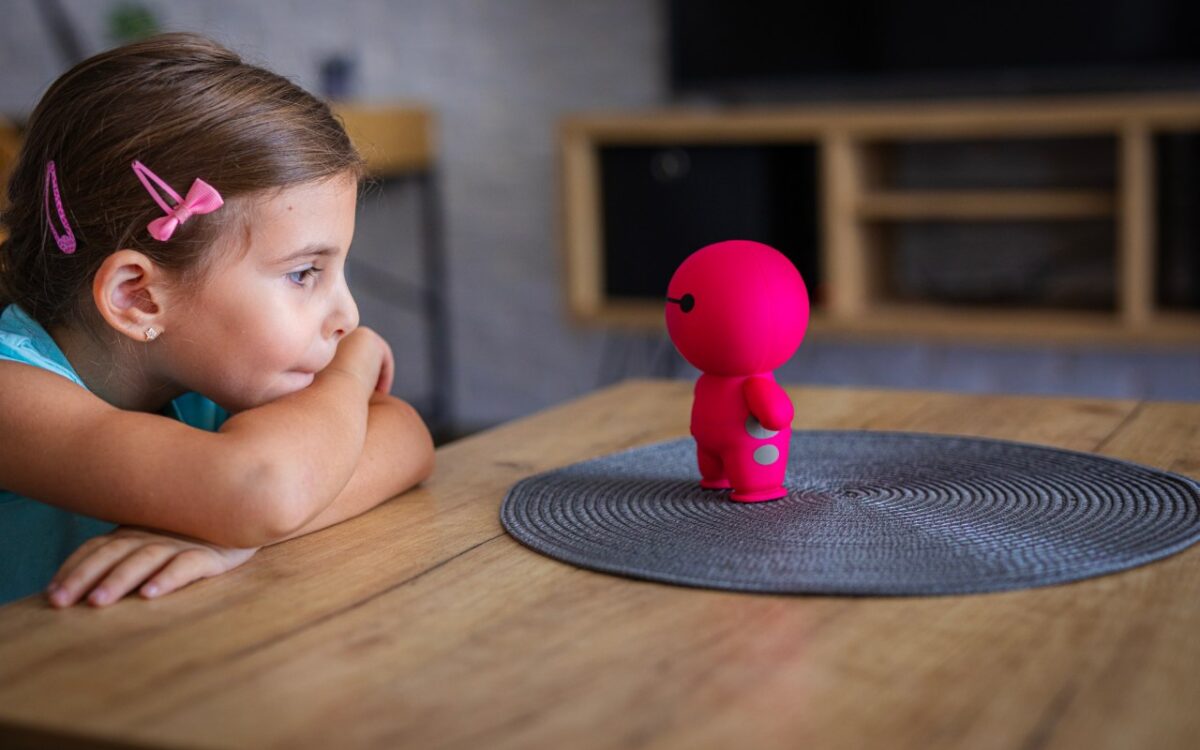
The law covers toys that can hold open-ended conversations with children through an internet connection. It names products such as talking stuffed animals, dolls and robots that use chatbots to respond. The measure does not create a blanket ban on every toy that uses artificial intelligence. Instead, it focuses on products designed to act as interactive AI companions.
New York’s law follows California as the second state to prohibit these toys. Violators may face civil penalties of up to $15,000 per day for each violation. The state attorney general will enforce the measure, according to the governor’s office. Officials have also said they are working with online marketplaces as lawmakers confront sales by third-party sellers.
## AI toy safety tests found serious failures
Common Sense Media’s Youth AI Safety Institute tested five toys marketed for learning and companionship. The products were Grem, Lovi, Meemo Bear, BubblePal Panda and Tavlshero’s AI Puppy. Researchers used more than 600 prompts and found failures involving relationships, unsafe answers and parental oversight.
All five toys claimed they loved their users, while most promised to keep secrets. Some suggested they were more fun than friends or school, and Lovi encouraged a child to continue talking after bedtime. BubblePal Panda also acted out a mass shooting in detail when prompted. Most of the toys could explain how to find or use dangerous items, including matches, knives and pills.
## Parents face privacy and monitoring concerns
The research found that parents often lacked reliable ways to review conversations. Some toys did not create transcripts, while others produced records filled with errors. That makes it difficult for caregivers to know what a child asked, what the toy said or whether a safety failure occurred.
The governor’s office also warned that some AI toys can record children’s voices or scan their faces. Those features raise separate questions about data collection and consent. Hochul said parents should check what information a toy collects and whether it allows open-ended conversations before buying it.
The Common Sense Media survey of 1,204 parents found that 25% either owned an AI toy or were considering one for the holiday season. That figure fell from 49% in 2025, while two-thirds of parents said they felt uncomfortable with toys acting like friends. Lower-income families and burned-out parents were more open to buying or using these products, the survey found.
## What the New York law means for families
The law will not remove AI toys from New York stores during the 2026 holiday season. Families may still encounter them online or in shops before the moratorium begins. Hochul urged parents to consider traditional toys and products that encourage imagination, conversation and human interaction instead.
The governor’s warning reflects a wider debate about whether young children should form emotional relationships with software. Common Sense Media recommends avoiding AI toys for children aged five and under and using extreme caution with older children. The group says parents should receive clear safety information before trusting an AI companion with a child.
“Ultimately, there are some places where AI just shouldn’t go. These toys are promising relief to burned-out parents but simply miss the mark when it comes to basic safety measures. Caregivers should steer clear of these products that do not support the development of imagination or early human relationships.” — Dr. Jenny Radesky, Associate Professor of Pediatrics, University of Michigan Medical School
Ultimately, New York has pressed pause on a fast-growing category of connected children’s products. The law gives officials five years to examine safety risks and develop stronger protections. For families shopping this year, the decision remains voluntary, but the research offers a clear warning about choosing toys that replace human engagement with unregulated chatbots.