


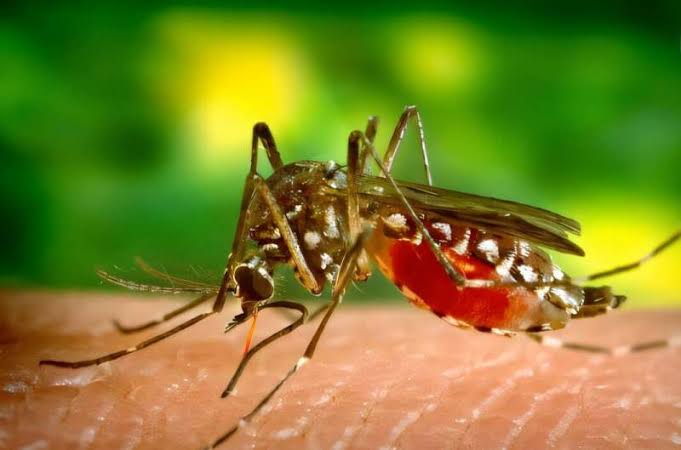
China is grappling with a sudden outbreak of the chikungunya virus and since July, more than 7,000 cases have been reported across Guangdong province, sparking strict health measures reminiscent of the Covid-19 response.
In Foshan, the city most affected, patients are being kept in hospitals under mosquito nets.
Authorities will only discharge them after a negative test or a full week of observation. These precautions aim to stop the mosquito-borne virus from spreading further.
Chikungunya, though rare in China, is common in parts of Africa and Southeast Asia. It spreads through mosquito bites and causes high fever and severe joint pain.

While most people recover in a week, the pain can linger for months or even years.
In the past week alone, nearly 3,000 new cases have been reported. At least 12 cities in Guangdong have now confirmed infections.
On Monday, Hong Kong announced its first case a 12-year-old boy who fell ill after visiting Foshan.
Health officials emphasize that the virus is not contagious between people. It only spreads through infected mosquitoes. So far, all reported cases in China have been mild. Over 95% of patients recover within a week.
However, the unknown nature of the disease in the country has caused panic on social media.
“This is scary,” one Weibo user wrote. “The lasting pain sounds awful.”
In response, China has launched a multi-pronged control effort. People with symptoms are urged to seek testing immediately.
Residents must clear standing water from homes and gardens or face fines of up to 10,000 yuan ($1,400).
The government has deployed mosquito-eating fish, large “elephant mosquitoes” that kill smaller species, and even drones to detect water sources.
Some cities initially imposed quarantine on travelers from Foshan but later dropped the rule.
Still, memories of strict pandemic controls remain fresh, with some online users questioning the extreme response.
Chikungunya was first identified in Tanzania in 1952 and has since reached over 110 countries.
The World Health Organization recommends reducing stagnant water as the most effective prevention method.
While no cure exists, chikungunya is rarely fatal. Elderly people, infants, and those with health conditions face the greatest risk.




