WASHINGTON, D.C., UNITED STATES — The White House has defended its decision to deny World Cup visas to a Somali referee and several Iranian staff members, insisting that the move was based on national security considerations.
Officials said the decision was taken after a review of entry applications linked to personnel scheduled to participate in upcoming international football activities connected to World Cup preparations.
According to U.S. authorities, the visa restrictions were implemented following standard security vetting procedures designed to ensure the safety of all participants, officials, and host communities during global sporting events.
The policy has, however, drawn criticism from various quarters, with observers arguing that sports-related decisions should remain separate from geopolitical disputes and broader diplomatic tensions.
Despite the backlash, the White House maintained that security screening processes remain non-negotiable and are applied consistently across all applicants regardless of nationality or professional role.
The affected Somali referee and Iranian staff were reportedly part of technical and officiating arrangements linked to international football fixtures, though details of their specific roles were not fully disclosed by officials.
The development has sparked renewed debate over the intersection of sports and international politics, particularly as global tournaments increasingly involve participants from countries with strained diplomatic relations.
Football governance bodies are expected to review the implications of the decision, especially regarding referee assignments and team support staff eligibility for international competitions.
Security officials in the United States emphasized that the decision was not intended to target any specific sport or nation but was part of broader immigration and entry-control policies.
Nevertheless, critics argue that such restrictions risk undermining the inclusive spirit of international sporting events and could set a controversial precedent ahead of major tournaments.
As discussions continue, attention remains focused on how organizing bodies and governments will balance security concerns with the principle of global sporting participation.
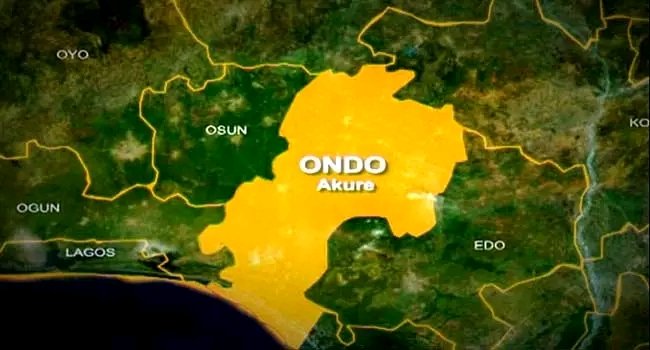
ILE OLUJI, ONDO STATE — The Ile Oluji community in Ondo State has reportedly invested about ₦1.3 billion in self-funded development projects aimed at improving infrastructure, education, and power supply within the area.
Community leaders disclosed that the funds were used to execute key projects, including the provision of a 10MVA electricity transformer and the construction of a hostel facility donated to a state-owned polytechnic.
The initiative, which was driven by community stakeholders, is said to reflect a growing trend of grassroots development efforts in Nigeria, where local populations contribute directly to addressing infrastructural gaps.
According to community representatives, the projects were financed through collective contributions, donations, and local fundraising efforts involving indigenes at home and in the diaspora.
They explained that the electricity project was designed to improve power supply reliability in the area, while the hostel facility was intended to support students’ accommodation needs at the receiving institution.
Leaders of the community said the decision to embark on the projects was driven by the need to complement government efforts and accelerate development in key sectors affecting residents’ daily lives.
They further noted that limited government funding and infrastructural gaps necessitated stronger community involvement in development planning and execution.
The donation of the hostel to the polytechnic was described as part of the community’s broader commitment to supporting education and improving learning conditions for students in higher institutions.
Residents expressed satisfaction with the outcome of the projects, describing them as impactful interventions that would enhance both social and economic activities in the area.
Development observers say the initiative highlights the increasing role of community-based funding models in Nigeria, particularly in regions where public infrastructure development has been slow or inconsistent.
They also noted that such efforts demonstrate how local collaboration can complement government investment and improve service delivery at the grassroots level.
Community leaders, however, called for continued government partnership to ensure sustainability and expansion of such projects, stressing that local efforts alone cannot fully address infrastructure deficits.
As the projects are commissioned and put into use, residents hope the interventions will mark a turning point in the area’s development trajectory and inspire similar initiatives in other communities.
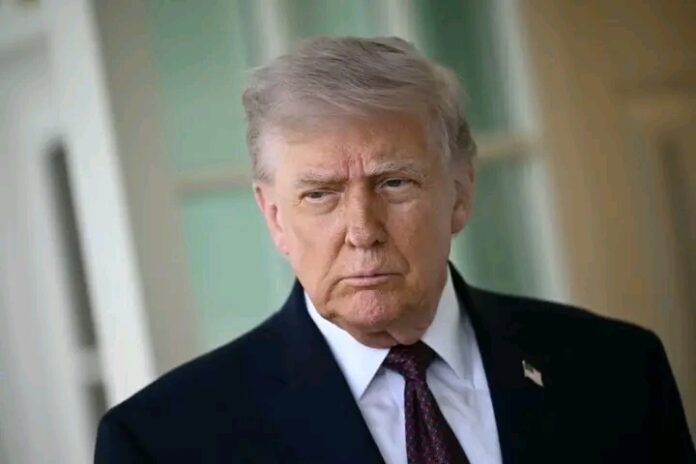
U.S. President Donald Trump arrives for a press briefing at the White House, following the Supreme Court's ruling that Trump had exceeded his authority when he imposed tariffs, in Washington, D.C., U.S., February 20, 2026. REUTERS/Kevin Lamarque/File Photo Purchase Licensing Rights
The United States on Tuesday launched a new round of military strikes against Iran in retaliation for the downing of a US Army Apache helicopter near the Strait of Hormuz, marking a significant escalation in tensions between Washington and Tehran.
The operation began around 5 p.m. Eastern Time, according to US Central Command, which described the attacks as “self-defence strikes” and a “proportional response to unjustified Iranian aggression.”
President Donald Trump defended the action, saying the United States had no choice but to respond.
“They shot down a helicopter, and we are responding as we speak,” Trump told ABC News. “The response is very strong, very powerful.”
The president had earlier stated on social media that although the two crew members survived the incident, the attack required a military response.
According to US officials, the Apache helicopter was brought down Monday off the coast of Oman by what intelligence assessments indicate was an Iranian-made Shahed drone.
However, one official said it remains unclear whether the aircraft was deliberately targeted or struck inadvertently during ongoing military operations in the region.
The helicopter’s pilot and gunner were rescued unharmed after an unmanned US naval drone vessel reached them in the water and transferred them to safety.
Initial American strikes reportedly targeted military facilities around the Strait of Hormuz, with officials indicating that additional operations could follow depending on developments.
Shortly after the attacks began, reports emerged of explosions in several locations across southern Iran.
Iran’s semi-official Mehr News Agency reported that residents in the coastal city of Sirik heard multiple explosions, while similar reports came from Bandar Abbas and Qeshm Island, both strategically located near the Strait of Hormuz.
Iranian authorities had not immediately provided details on the nature of the blasts or possible damage.
A US official familiar with the operation said Washington views the strikes as a warning to Tehran rather than the start of a broader campaign.
The source added that the United States does not believe the military response will derail ongoing diplomatic efforts aimed at ending the conflict.
The latest confrontation comes amid growing instability across the Middle East, where fighting has intensified on several fronts.
Israeli forces have also launched new attacks in southern Lebanon, including strikes around the city of Tyre, while Iran continues to warn against further Israeli military operations targeting Hezbollah.
The downing of the Apache helicopter and the subsequent US strikes underscore the fragile security situation in the Gulf region, raising fears that the conflict could widen despite continuing diplomatic efforts to prevent a larger war.
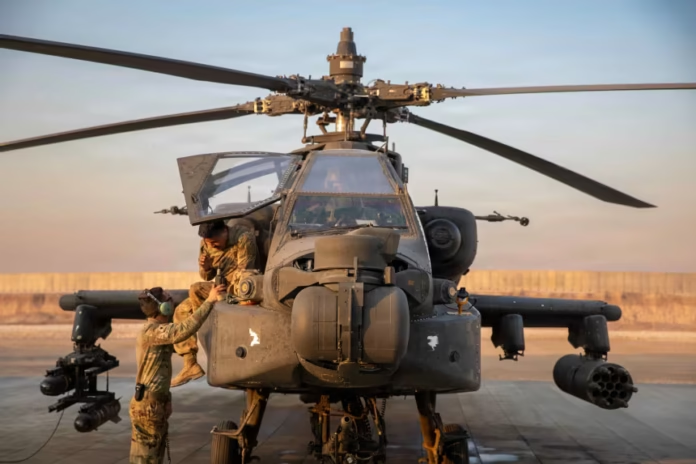
President Donald Trump on Tuesday accused Iran of shooting down a U.S. Army Apache attack helicopter near the Strait of Hormuz, warning that Washington would respond to the incident as tensions continue to rise across the Middle East.
In a statement posted on social media, Trump said he had been briefed by military officials on the attack, which occurred Monday night.
According to U.S. authorities, the helicopter was brought down during operations near the strategic waterway. Both crew members were rescued within hours and are reported to be in stable condition.
“Nevertheless, the United States must, of necessity, respond to this attack,” Trump wrote, without providing details of any potential military action.
The latest development threatens to further unravel efforts to preserve the fragile ceasefire that has struggled to contain months of conflict involving Iran, Israel and their regional allies.
While Tehran neither confirmed nor denied responsibility for the incident, Iranian Foreign Minister Abbas Araghchi suggested that foreign military forces operating close to Iranian territory were exposing themselves to unnecessary risks.
“For them to reduce risk, the best solution is to leave,” Araghchi wrote on social media, adding that Iran preferred diplomacy but was prepared to defend itself when necessary.
A U.S. official, speaking on condition of anonymity, said intelligence assessments indicated that an Iranian-made Shahed drone struck the Apache helicopter. The aircraft was reportedly conducting patrol operations in the area when it came under attack.
U.S. Central Command confirmed that the helicopter crashed near the coast of Oman while operating over regional waters. Military officials said a Navy-operated aquatic drone helped rescue the pilot and gunner before they were airlifted to safety.
The AH-64 Apache is one of the U.S. military’s most heavily armed attack helicopters and has played a key role in patrol and deterrence missions around the Strait of Hormuz, where tensions have escalated sharply in recent months.
The incident comes as fighting continues on several fronts across the region. In Lebanon, Israeli forces intensified airstrikes in the south of the country, targeting Hezbollah positions despite a U.S.-brokered ceasefire agreement that took effect earlier this year.
Lebanese health authorities reported that strikes on the southern city of Tyre killed at least eight people and injured dozens more. The city, a UNESCO World Heritage Site, has become one of the latest flashpoints in the conflict.
The renewed violence highlights the difficulty of securing a lasting peace despite ongoing mediation efforts involving Pakistan, Qatar and other regional actors.
Although a ceasefire reached in April reduced the intensity of hostilities, negotiations aimed at ending the broader conflict have repeatedly stalled.
Key sticking points include Iran’s nuclear programme, the reopening of the Strait of Hormuz, and Tehran’s insistence that any agreement must also address the war involving Hezbollah in Lebanon.
Iran maintains that developments in Lebanon and the wider Gulf conflict are closely linked, while Israel has continued military operations against Hezbollah, arguing that the group remains a threat to its security.
Israeli Prime Minister Benjamin Netanyahu said this week that Israel would continue its campaign until Hezbollah no longer poses a danger, dismissing warnings from Tehran over continued operations in Lebanon.
With military confrontations persisting across the Gulf and Lebanon, hopes for a comprehensive peace agreement remain uncertain, raising concerns that the region could once again slide into a wider conflict.
BENIN CITY, EDO STATE — A woman identified as Oluchi Ugbowan has confessed to staging her own kidnapping in Edo State in an attempt to raise money to settle personal debts, in an incident that has sparked public concern over rising cases of false security alarms.
Ugbowan reportedly admitted to the act after she was apprehended by security operatives, bringing an end to what initially appeared to be a genuine abduction case that triggered panic among residents and prompted police investigation efforts.
According to preliminary information, the suspect allegedly orchestrated the fake kidnapping scenario as a strategy to solicit financial assistance under false pretences, claiming she needed urgent funds to clear outstanding debts.
Security sources said the case began when reports of her disappearance were circulated, prompting concern from family members and community residents who believed she had been abducted by unknown persons.
However, investigations later revealed inconsistencies in the narrative, leading operatives to intensify inquiries into the circumstances surrounding her alleged disappearance. She was subsequently traced and taken into custody for questioning.
During interrogation, Ugbowan reportedly confessed to voluntarily staging the incident, stating that her actions were driven by financial pressure and debt-related challenges. Her confession brought clarity to a situation that had initially raised alarm within the community.
Police authorities in Edo State have condemned the act, warning that false kidnapping claims divert security resources, create unnecessary panic, and undermine public trust in genuine emergency responses.
The incident has also raised broader concerns about the growing misuse of kidnapping narratives in parts of the country, where security agencies are already stretched in responding to real abduction cases.
Residents have been urged to avoid actions that could mislead security operatives or create fear within communities, as authorities intensify efforts to tackle both real and fake security threats.
Law enforcement officials say investigations are ongoing to determine whether others were involved in the incident or benefited financially from the staged kidnapping.
The Edo State Police Command has reiterated its commitment to prosecuting individuals found guilty of filing false reports or engaging in actions that waste security resources.
As the case develops, officials say it serves as a warning against the misuse of emergency systems and the legal consequences that follow such actions.
OSOGBO, OSUN STATE — Osun State Governor Ademola Adeleke has condemned what he described as coordinated political attacks in parts of the state, calling for immediate intervention from President Bola Ahmed Tinubu and security agencies to restore peace and prevent further escalation of tension.
The governor raised concerns over rising incidents of politically linked violence, warning that continued unrest could undermine stability, disrupt governance, and threaten the safety of residents across affected communities in the state.
Adeleke made the call while reacting to reports of disturbances in some areas, which he attributed to organised political aggression. He stressed that the situation, if left unchecked, could erode the gains of peace and democratic order that Osun State has enjoyed in recent times.
According to him, the reported attacks appear to be coordinated and politically motivated, requiring urgent attention from federal security institutions to prevent further breakdown of law and order. He urged security agencies to intensify surveillance and take proactive steps to restore calm.
The governor noted that Osun State remains committed to democratic principles and peaceful coexistence, insisting that political competition must never be allowed to degenerate into violence or intimidation. He warned that any attempt to destabilise the state would be firmly resisted through lawful means.
He further appealed directly to President Tinubu to intervene swiftly, describing the situation as one that requires national-level attention due to its potential implications for public safety and democratic stability.
Adeleke also called on political stakeholders within the state to exercise restraint and avoid actions capable of inflaming tensions. He emphasized that constructive dialogue and respect for the rule of law remain the only acceptable paths for resolving political disagreements.
Security agencies have been urged to strengthen their presence in identified flashpoints and work closely with community leaders to de-escalate tensions. The governor expressed confidence that coordinated action would help restore calm and prevent further incidents.
Observers say political tensions in Osun State have periodically resurfaced, often linked to rivalries between political actors and contestations over influence at the grassroots level. They stress that timely intervention is essential to prevent escalation.
The state government reaffirmed its commitment to protecting lives and property, assuring residents that efforts are ongoing to ensure that peace is maintained across all local government areas.
As developments unfold, attention now turns to federal authorities and security agencies, with expectations that coordinated action will help stabilize the situation and restore normalcy in the affected areas.
GUSAU, ZAMFARA STATE — The Zamfara State Coordinator of the National Youth Service Corps (NYSC) has called on Governor Dauda Lawal to support the establishment of a permanent orientation camp in the state, citing the need to improve corps members’ welfare and strengthen the scheme’s operational capacity.
The appeal was made during a recent engagement with state authorities, where the NYSC leadership emphasized the long-term benefits of having a dedicated and permanent facility for orientation activities in Zamfara State.
According to the coordinator, the absence of a permanent camp has posed logistical and operational challenges over the years, affecting the efficiency of orientation exercises and the overall experience of corps members deployed to the state.
He noted that a permanent orientation camp would provide a more stable and secure environment for incoming corps members, enabling better coordination of training, mobilisation, and integration into their host communities.
The NYSC official also highlighted that such a facility would contribute to improving the welfare and safety of corps members, particularly in light of security concerns that have occasionally affected deployment and camp operations in some parts of the country.
Beyond corps members’ welfare, the coordinator stressed that the establishment of a permanent camp would have positive ripple effects on local communities, including job creation, infrastructure development, and increased economic activity around the camp area.
He further explained that NYSC camps often serve as hubs of interaction between young graduates and host communities, fostering cultural exchange, community service, and developmental initiatives during the orientation period.
The coordinator expressed appreciation for the state government’s continued support of the NYSC scheme, while urging Governor Lawal’s administration to prioritise the construction of a permanent facility as part of broader efforts to strengthen youth development programmes in Zamfara State.
State officials have previously acknowledged the importance of improving infrastructure for the NYSC scheme, noting that effective orientation exercises play a key role in preparing corps members for their service year.
Observers say the establishment of a permanent camp could enhance the efficiency of NYSC operations in the state while also improving the perception of Zamfara as a more corps member-friendly environment.
The appeal comes as the NYSC continues to seek stronger collaboration with state governments across Nigeria to improve facilities, enhance security, and ensure a more conducive environment for national service participants.
As discussions continue, stakeholders expect further engagement between the NYSC leadership and the Zamfara State Government on possible modalities for the construction and funding of the proposed permanent orientation camp.
MADRID, SPAIN — has reportedly turned down a €150 million offer from city rivals for Argentine forward, insisting that the striker remains a key part of their long-term sporting project.
The proposed bid, which would have represented one of the most expensive transfers in European football history, was rejected outright by Atlético’s hierarchy, who maintain that Álvarez is not for sale under any circumstances.
Club officials are understood to view the forward as central to their future plans, both in domestic competitions and in European campaigns, and are unwilling to weaken the squad despite strong interest from rival clubs.
Álvarez, who joined Atlético with high expectations, has quickly become an important figure in the team’s attacking structure, contributing goals, creativity, and tactical flexibility in the final third.
Sources close to the club suggest that Atlético Madrid’s leadership believes retaining top talents is essential to closing the competitive gap with Spain’s elite clubs, particularly as they aim to challenge consistently for La Liga and Champions League honours.
Real Madrid’s reported interest in the forward is seen as part of their ongoing strategy to reinforce their attacking options with young, high-impact players capable of shaping the club’s long-term future.
However, Atlético’s firm rejection of the offer signals a strong stance in the transfer market, particularly when dealing with direct rivals in the Spanish capital.
Football analysts note that inter-club transfers between Atlético and Real Madrid are extremely rare due to the intense rivalry between both sides, making negotiations of this magnitude highly sensitive and often unsuccessful.
Supporters of Atlético Madrid have welcomed the decision, viewing it as a statement of ambition and intent from the club’s management as they look to compete at the highest level.
Meanwhile, speculation continues over whether Real Madrid will return with an improved offer or shift focus to alternative targets ahead of the next transfer window.
Both clubs are expected to remain active in the market as they prepare for the upcoming season, with squad strengthening a key priority on both sides of the Madrid divide.
ABUJA, NIGERIA — The **** has criticised the decision of the **** to appeal recent court judgments relating to the timetable for the 2027 general elections, arguing that the rulings provide greater flexibility for political parties in conducting their activities.
The party expressed disappointment over INEC’s move, maintaining that the judgments offered an opportunity to strengthen internal democracy and allow political organisations sufficient time to prepare for primaries and other pre-election processes.
In a statement issued by its leadership, the SDP contended that the court decisions were in line with democratic principles and could help create a more level playing field for all political parties participating in the 2027 electoral cycle.
According to the party, the judgments would enable political organisations to better organise their affairs, engage members, and conduct candidate selection processes without unnecessary pressure from rigid timelines.
The SDP argued that rather than pursuing an appeal, the electoral commission should focus on implementing reforms capable of improving transparency, voter confidence, and the overall credibility of future elections.
Party officials stated that political parties require adequate time to build consensus, resolve internal disputes, and carry out democratic consultations before presenting candidates for elective offices.
They maintained that the court rulings could contribute to more inclusive participation in the political process and reduce tensions often associated with hurried electoral preparations.
The party further expressed concern that continued legal disputes over election schedules could create uncertainty among stakeholders and distract attention from more pressing issues affecting electoral administration.
INEC, however, has maintained that the appeal is necessary to clarify legal questions surrounding the management of election timetables and the commission’s constitutional responsibilities. The electoral body has consistently argued that clear and predictable timelines are essential for effective election planning and administration.
Political analysts note that disputes over electoral timetables often have significant implications for political parties, candidates, and the conduct of elections. They argue that the eventual outcome of the legal process could influence preparations for the 2027 polls.
Observers also stress the importance of balancing the need for flexibility in party activities with the requirement for certainty and order in electoral management.
The SDP reiterated its commitment to democratic principles and called on all stakeholders to work toward strengthening Nigeria’s electoral system through dialogue, legal clarity, and institutional reforms.
As the matter progresses through the courts, political parties and election observers are expected to closely monitor developments, given their potential impact on preparations for the next general elections.
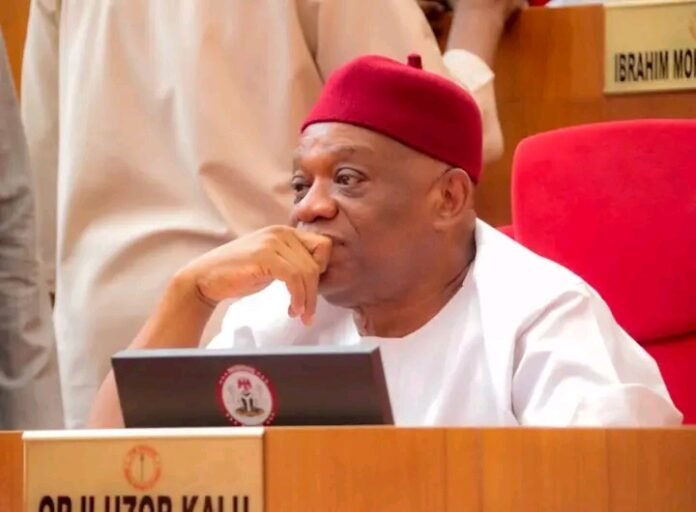
ABUJA, NIGERIA — The Senate has demanded explanations from the management of the South East Development Commission (SEDC) over aspects of its proposed ₦16.6 billion budget, raising concerns about several expenditure items and seeking greater accountability in the agency’s financial plans.
Lawmakers questioned the Managing Director of the commission during a budget defence session, where details of the agency’s spending proposals came under intense scrutiny. Members of the Senate committee expressed concern over allocations they described as unclear and requested detailed justifications for a number of budgetary provisions.
The legislators stressed the importance of transparency and accountability, noting that public institutions must ensure that government resources are deployed efficiently and in line with their mandates.
During the session, senators reportedly sought explanations regarding expenditure categories they considered excessive or inadequately explained. Committee members emphasized that all proposed spending must demonstrate direct value to the development objectives for which the commission was established.
The South East Development Commission was created to drive infrastructure development, economic growth, and rehabilitation projects across the South-East region. As a relatively new intervention agency, expectations remain high regarding its ability to address developmental challenges and improve living conditions within the zone.
Lawmakers noted that given the strategic importance of the commission, its financial operations must be subjected to rigorous oversight to ensure that allocated funds are utilised effectively and transparently.
The SEDC management, led by its Managing Director, responded to questions from the committee and provided clarifications on various aspects of the budget proposal. Officials explained that the proposed expenditures were designed to support the commission’s operational needs and planned development projects.
However, senators insisted that further details would be required for certain allocations before final approval could be considered. They reiterated that public confidence in government institutions depends largely on openness and prudent management of public funds.
Observers say the scrutiny reflects the National Assembly’s increasing focus on budget oversight and financial accountability among federal agencies. In recent years, lawmakers have intensified efforts to examine expenditure proposals and ensure compliance with financial regulations.
Stakeholders have also argued that effective oversight is essential to ensuring that development commissions fulfil their mandates and deliver tangible benefits to the communities they are meant to serve.
The committee assured Nigerians that it would continue reviewing the budget proposal thoroughly before making recommendations, emphasizing that every allocation must align with the commission’s developmental objectives.
As deliberations continue, the Senate maintained that accountability and transparency would remain central considerations in evaluating the SEDC’s financial plans and overall performance.
ABUJA, NIGERIA — The Federal Government has unveiled a $1 billion AfCFTA Adjustment Fund Credit Facility aimed at strengthening Nigeria’s export capacity, enhancing industrial production, and improving the competitiveness of local businesses within the African Continental Free Trade Area (AfCFTA).
The initiative is expected to provide critical financial support to manufacturers, exporters, and small and medium-sized enterprises seeking to take advantage of opportunities created by the continent-wide trade agreement. Government officials said the facility forms part of broader efforts to position Nigeria as a major beneficiary of increased intra-African trade.
Speaking during the launch, officials explained that the credit facility was designed to assist businesses in overcoming challenges associated with production, logistics, and market access while enabling them to compete more effectively across African markets.
The AfCFTA, which seeks to create a single market for goods and services across Africa, is regarded as one of the continent’s most ambitious economic integration projects. By reducing trade barriers and facilitating cross-border commerce, the agreement is expected to expand market opportunities for businesses and stimulate economic growth.
According to the government, the newly introduced fund will help Nigerian firms improve productivity, expand operations, and meet international standards required for exports. Authorities noted that access to affordable financing remains one of the major obstacles limiting the growth of export-oriented businesses.
The facility is also expected to support sectors with strong export potential, including manufacturing, agriculture, agro-processing, and value-added industries. Officials believe increased investment in these areas will contribute to job creation, foreign exchange earnings, and economic diversification.
Government representatives emphasized that Nigeria must strengthen its productive capacity to fully benefit from the AfCFTA framework. They argued that greater participation in regional trade would reduce dependence on imports while creating new opportunities for local producers and entrepreneurs.
Industry stakeholders welcomed the initiative, describing it as a significant step toward enhancing Nigeria’s competitiveness in African markets. Many noted that access to long-term financing could help businesses scale up operations and improve their ability to compete with counterparts from other countries.
Economic analysts also observed that the facility could play an important role in supporting non-oil exports, a key objective of ongoing efforts to diversify the Nigerian economy. They stressed, however, that infrastructure improvements and policy consistency would be necessary to maximise the programme’s impact.
The government reiterated its commitment to implementing policies that encourage trade, industrialisation, and private-sector growth. Officials expressed confidence that the credit facility would help unlock new export opportunities and strengthen Nigeria’s position within the AfCFTA market.
As implementation begins, businesses across various sectors are expected to explore opportunities provided by the fund, with hopes that the initiative will contribute to sustainable economic growth and increased regional trade participation.
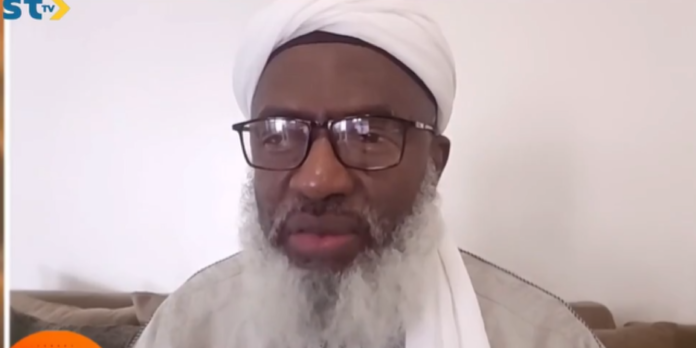
Controversial Islamic scholar, Sheikh Ahmad Gumi, has reacted over his visitation to Ibadan late last year, amidst outrage that he was trying to Islamise Oyo State with some Northern ideologies and tenets.
Gumi noted that nobody can stop him from visiting anywhere in the country, while reiterating that he was not invited by any Muslim group or individual in the South-West.
In a post on his official Facebook page on Tuesday, he said he was in Ibadan as a representative of northern Islamic scholars.
Though, this is coming after one of the victims of the abduction in the Oriire Local Government Area of Oyo State debunked claims that their abductors demanded the implementation of Sharia law in the state as part of the conditions for releasing the victims.
The principal of Community High School, Esiele, Oyo State, Mrs Rachael Alamu, while speaking from captivity in a now-viral video, said the gunmen said they never demanded the introduction of Sharia law or a N1 billion ransom as reported in some quarters, but rather for the release of their associates currently in the custody of Nigerian authorities.
Also, the Muslim Rights Concern rejected the alleged demand for Sharia in a statement issued on Monday, describing the report as “a lie from the pit of Jahannam (hell)”.
MURIC argued that the so-called demand was inserted by enemies of Islam in the negotiation team to tarnish the image of Islam.
However, aligning with the Islamic group’s position, Gumi wrote: “I quite understand now how Islamophobia is shaping politics in SW (South-West) and why I was unnecessarily dragged into their dirty local politics.
“I was in Ibadan, not by the invitation of any SW Muslim individual or group, but as a representative of the Coalition of Northern Muslim Ulama.
“Can anybody stop me from going anywhere in Nigeria?”
Recall that Gumi visited Ibadan on Wednesday, November 19, 2025, where he served as a special guest and speaker at the Southern Nigerian Ulama Summit.
The event took place at the University of Ibadan.
During his visit, he also attended a courtesy session alongside other prominent Southern and Northern Muslim scholars.
WASHINGTON, D.C., UNITED STATES — President Donald Trump has vowed that the United States will respond after accusing Iran of shooting down a U.S. Army Apache helicopter near the strategically important Strait of Hormuz, an incident that has heightened tensions in an already volatile region.
The helicopter went down during a patrol mission near the vital shipping corridor, prompting an emergency rescue operation. According to U.S. military officials, the two crew members aboard the aircraft were successfully rescued and were reported to be safe and uninjured. The rescue was carried out within hours of the incident.
In a public statement, Trump blamed Iran for the incident and declared that the United States would be compelled to respond. His remarks came amid ongoing diplomatic efforts aimed at easing tensions between Washington and Tehran following months of military confrontations and regional instability.
The incident threatens to undermine a fragile ceasefire that had reduced hostilities between Iran, the United States, and regional allies. Security analysts warn that any retaliatory action could further complicate efforts to achieve a lasting diplomatic settlement and restore stability in the Gulf region.
While Trump directly attributed the helicopter’s loss to Iranian action, earlier military reports indicated that investigations were ongoing to determine the exact circumstances surrounding the aircraft’s downing. Initial accounts had suggested that officials were still examining whether hostile fire, mechanical failure, or another factor caused the incident.
The Strait of Hormuz remains one of the world’s most important maritime routes, handling a significant portion of global oil shipments. Any escalation in the area is closely monitored by governments and financial markets due to its potential impact on international trade and energy supplies.
The latest development follows renewed exchanges between Iran and Israel and comes at a time when negotiations aimed at reducing regional tensions were reportedly making progress. Observers say the helicopter incident could become a critical test of whether diplomatic efforts can survive renewed military confrontations.
Neither the White House nor Iranian authorities immediately provided additional details beyond the statements already released. However, military and diplomatic officials are expected to continue assessing the situation as international attention remains focused on developments in the Gulf.
As tensions rise once again, global leaders are likely to intensify calls for restraint amid fears that a broader confrontation could further destabilise the Middle East and threaten international security.
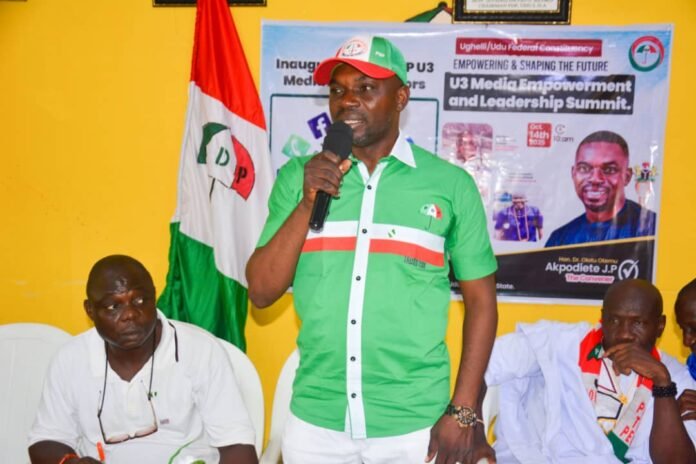
UGHELLI, DELTA STATE — A House of Representatives aspirant under the Peoples Democratic Party (PDP), Hon. Dr. Olotu Akpodiete, has dismissed attempts to link him to political developments outside the party through the circulation of an old photograph showing him with Delta State Governor, Rt. Hon. Sheriff Oborevwori.
Akpodiete described the action as a calculated smear campaign orchestrated by individuals he referred to as “political tourists” seeking to create confusion within the party ahead of future political contests.
In a statement issued in Ughelli, the PDP chieftain said the circulation of the photograph was a desperate effort to question his commitment to the party despite his longstanding membership and contributions to its growth in Delta State.
According to him, he joined the PDP in 2018 and has remained loyal to the party through various political developments, including periods of internal challenges and realignments. He maintained that his political record speaks for itself and cannot be undermined by what he described as cheap blackmail.
Akpodiete stressed that he remained committed to the ideals, unity, and progress of the PDP, insisting that no campaign of misinformation would alter his political convictions or his relationship with party members across the state.
He noted that his contributions to the party have been particularly visible in the Ughelli North, Ughelli South, and Udu Federal Constituency, where he has actively supported party-building efforts and grassroots mobilisation over the years.
The aspirant argued that the circulation of an archived photograph should not be interpreted as evidence of disloyalty, emphasizing that political interactions and public appearances are common in democratic environments.
He further stated that those behind the campaign lacked genuine commitment to the growth of the PDP and were instead focused on creating unnecessary distractions within the party.
Addressing party faithful, Akpodiete called on leaders, women, youths, and supporters of the PDP across the U3 Federal Constituency to remain calm and focused. He urged members not to allow external distractions or internal mischief to weaken their collective resolve as preparations gradually begin for the 2027 general elections.
He also emphasized the importance of unity within the opposition party, arguing that cohesion and strategic planning would be critical to strengthening the PDP’s chances in future electoral contests.
Political observers say the statement reflects growing political activity in Delta State as parties and aspirants position themselves ahead of the next election cycle. Discussions surrounding party loyalty, alliances, and political realignments have increasingly become part of the broader political conversation in the state.
Akpodiete concluded by reaffirming his allegiance to the PDP, describing the party as his political home and expressing confidence that its members would remain united in pursuing their shared objectives for the benefit of the people of Delta State.
A fresh wave of tension has swept through Spanish football after Atlético Madrid firmly rejected a reported 150 million euro approach from city rivals Real Madrid for Argentine forward Julián Álvarez, reinforcing one of the fiercest rivalries in world sport and signaling a hardened stance in elite transfer dealings.
The proposal, which emerged from internal discussions within Real Madrid’s recruitment structure, was designed to explore the possibility of securing one of La Liga’s most in form attackers. However, Atlético Madrid dismissed the approach without entering advanced negotiations, making their position clear that the striker remains a central pillar of their long term sporting project.
The development has once again highlighted the increasingly complex nature of modern football transfers, where financial power alone is no longer sufficient to guarantee access to top talent, particularly when direct rivals are involved.
Atlético Madrid have maintained that their squad planning revolves heavily around stability and continuity, with Julián Álvarez considered one of the most important figures in their attacking system. Club officials are understood to view him not only as a leading goal threat but also as a tactical reference point whose movement and pressing shape the team’s overall structure.
The forward at the center of the saga, Julián Álvarez, has rapidly become one of the most influential attackers in Spain since his arrival. His adaptability across multiple attacking roles, combined with relentless work rate and sharp finishing ability, has made him a key asset in both domestic and European competitions. Atlético coaching staff reportedly regard him as indispensable to their current system, particularly in high intensity matches where his pressing and off the ball intelligence provide balance to the squad.
On the receiving end of the rejection, Real Madrid had reportedly identified Álvarez as part of a broader offensive reinforcement strategy. The club’s recruitment department has been assessing several forward options across Europe as part of a long term transition phase aimed at refreshing their attacking unit with younger, dynamic, and tactically versatile players.
The 150 million euro offer was structured as a direct bid intended to test Atlético Madrid’s willingness to engage in negotiations. However, sources indicate that Atlético’s response was immediate and unequivocal, with club leadership unwilling to entertain discussions regarding one of their most valuable assets, particularly with a direct league competitor.
Behind the scenes, Atlético Madrid’s hierarchy is believed to have taken a strategic decision to prioritize sporting competitiveness over financial gain. Club executives reportedly see Álvarez as part of a core group of players capable of sustaining the team’s ambitions in La Liga and the UEFA Champions League. Allowing him to join a rival such as Real Madrid would not only weaken their squad but also strengthen their most direct competitor in domestic football.
The situation also reflects a broader shift in European football, where elite clubs are increasingly reluctant to sell key players to domestic rivals regardless of financial incentives. This trend has become more pronounced in recent seasons as clubs seek to maintain competitive balance within their own squads rather than reinvesting transfer fees in uncertain replacements.
Real Madrid’s interest in Álvarez is understood to be part of a long term recruitment philosophy focused on technical excellence, versatility, and age profile suitability. The Argentine forward’s ability to operate as a central striker, secondary forward, or wide attacker makes him a highly attractive option for a club known for tactical flexibility at the highest level.
Despite the setback, football insiders suggest that Real Madrid are unlikely to completely abandon their pursuit. While Atlético Madrid’s stance is firm, the scale of interest indicates that further developments could arise if circumstances change or if alternative negotiation structures are considered in the future. However, any such movement would require extraordinary conditions given Atlético’s current position.
Supporters of Atlético Madrid have reacted positively to the club’s decision, interpreting it as a statement of ambition and authority in the transfer market. Many view the rejection as evidence that the club is no longer willing to act as a selling side for elite talent, particularly to domestic rivals, and instead intends to build a squad capable of sustained competitiveness at the highest level.
Meanwhile, Real Madrid fans remain divided on the club’s approach, with some praising the ambition behind pursuing one of La Liga’s standout forwards, while others question whether resources might be better allocated toward multiple reinforcements rather than a single high value signing.
Football analysts note that this situation underscores the increasing strategic dimension of modern transfers, where timing, rivalry, and long term planning often outweigh financial capability. The rejection of such a significant offer demonstrates Atlético Madrid’s evolving identity as a club focused on retention and structural stability rather than frequent high value sales.
As the transfer window progresses, attention will remain fixed on both Madrid clubs, with speculation likely to intensify over whether Real Madrid will return with an improved proposal or shift focus to alternative targets across Europe.
For now, Julián Álvarez remains firmly at the heart of Atlético Madrid’s plans, while the broader football world watches closely to see how one of the most high profile transfer standoffs of the season continues to unfold.
Chelsea forwards Cole Palmer and João Pedro have attracted widespread attention after making an unexpected appearance in a new short film by global music icon Madonna, in a development that has added an unusual entertainment twist to their recent football careers following their omission from their respective national teams’ 2026 FIFA World Cup squads.
The two rising Premier League stars, who have been central figures for Chelsea in recent seasons, were featured in Madonna’s latest visual project titled Confessions II, a stylised short film designed as a creative introduction to her forthcoming album scheduled for release in July 2026. The production blends music, cinematic storytelling and fashion-forward visuals, bringing together a mix of global celebrities across entertainment, sport and culture.
Their appearance in the project has quickly gone viral, especially among football fans who were already discussing their absence from the World Cup stage. Both players had been widely expected to feature in their national squads based on their club performances and growing reputations in European football. However, final selection decisions saw João Pedro left out of Brazil’s squad list while Cole Palmer was omitted from England’s final World Cup roster, a decision that sparked debate among supporters and football analysts.
In the film, Madonna is portrayed in a bold and theatrical setting that reflects her long-standing reputation for pushing artistic boundaries. One of the most talked about scenes reportedly takes place in a bathroom styled set, where she interacts with a series of guests and cameo appearances, including Palmer and João Pedro. Although their roles are brief, their presence alongside other international personalities has drawn significant attention due to the contrast between elite football and high fashion entertainment culture.
Industry observers have noted that Madonna’s choice to include professional athletes in a creative cinematic project highlights the growing intersection between sport, music and global pop culture. In recent years, top athletes have increasingly appeared in entertainment campaigns, fashion collaborations and media productions beyond traditional sporting contexts. The inclusion of Palmer and João Pedro continues that trend, reflecting how modern footballers are evolving into broader cultural figures beyond the pitch.
For Cole Palmer, the appearance comes during a period of rapid rise in his career. Since establishing himself at Chelsea, he has become one of the club’s most influential attacking players, known for his composure, creativity and technical ability in the final third. His exclusion from the England World Cup squad was met with surprise from many fans, particularly given his strong performances in the Premier League and European competitions.
Similarly, João Pedro has continued to develop as a versatile forward with strong technical skill and attacking intelligence. His absence from Brazil’s World Cup squad also generated discussion in football circles, with many questioning the depth and selection strategy of the national team setup. Despite this setback, he remains an important figure at Chelsea and is expected to play a key role in upcoming domestic and European campaigns.
The release of Madonna’s Confessions II film has therefore added a new dimension to the conversation surrounding both players, shifting attention temporarily from football disappointment to global entertainment exposure. Social media platforms have been flooded with reactions, clips and commentary, with fans expressing both amusement and curiosity about the unexpected crossover.
Some supporters have described the appearance as a symbolic reminder that modern athletes are no longer confined to sporting narratives alone, while others have debated whether such entertainment appearances distract from competitive focus. Regardless of opinion, the viral nature of the film has ensured widespread visibility for both players beyond traditional football audiences.
Football analysts, however, have been quick to emphasize that the cameo does not change the sporting realities for either player. Both Palmer and João Pedro remain under contract at Chelsea and are expected to feature prominently in the club’s plans for the upcoming season. With domestic league ambitions and European competitions ahead, both players will have opportunities to further strengthen their reputations on the pitch.
Madonna’s project itself has also generated significant global interest due to its blend of music promotion and cinematic storytelling. Known for her reinvention across decades, the pop star continues to experiment with new formats that merge visual art and sound. Confessions II is being positioned not just as a music release but as a cultural statement piece, featuring a wide range of contributors from different industries.
As discussions continue online, the unexpected collaboration between football and pop culture has become a talking point across sports and entertainment media. While the World Cup omission remains a major sporting disappointment for both players, their appearance in Madonna’s film has ensured they remain in the global spotlight in a different and highly visible way.
For Chelsea supporters, the focus now shifts back to club football, where expectations remain high for both forwards as they look to convert individual talent into consistent performances and team success in the seasons ahead.
Businessman Olakunle Churchill has publicly celebrated his ex-wife, Nollywood actress Tonto Dikeh, on her birthday, marking a rare moment of public goodwill between the former couple.
Churchill shared a birthday message on Instagram on June 9, where he expressed gratitude to God for her life and praised her strength, faith, and personal growth.
In his message, he described Tonto Dikeh as a “devoted evangelist” and commended her dedication to her Christian faith, noting that her spiritual journey has become a positive influence on many people.
He prayed for divine protection and continued blessings over her life, wishing her a fulfilling new year ahead.
“Happy Birthday to Mama KING, a devoted Evangelist and a woman of faith. Today, I thank God for your life, your strength, and the grace with which you serve Him,” he wrote.
He added that her faith, prayers, and dedication have been impactful, praying that God would perfect all that concerns her and make her new year her best yet.
“May the God you faithfully serve perfect all that concerns you and make this new year your best one yet. Happy Birthday. May your life continue to be a testimony of God’s goodness and grace,” he concluded.
The gesture comes amid reports that the former couple may have reconciled months after years of public disagreements over their marriage and custody issues involving their son, King Andre.
Tonto Dikeh responded briefly to the message, replying: “Thank you, my Gee 🙌”.
A United States Navy drone vessel rescued two American soldiers after their Apache attack helicopter crashed off the coast of Oman, the U.S. military said Tuesday.
According to U.S. Central Command, the helicopter went down while conducting patrol operations in regional waters near the strategically vital Strait of Hormuz.
The two crew members were pulled from the water by an unmanned surface vessel operated by the Navy’s Task Force 59, a unit that specializes in using artificial intelligence and autonomous systems.
“The soldiers were safely rescued within approximately two hours and are in stable condition,” Central Command said in a statement, adding that the cause of the crash remains under investigation.
Task Force 59, established in 2021, is the U.S. Navy’s first operational unit dedicated to deploying drones and autonomous maritime technology in active military operations.
The incident marks the first loss of an Apache helicopter since the conflict involving Iran intensified earlier this year.
It comes at a particularly tense moment in the region after Iran and Israel exchanged direct strikes over the weekend, their most serious confrontation since the ceasefire reached in April.
President Donald Trump confirmed that the crew survived the crash when questioned by reporters in New York after attending an NBA Finals game on Monday night.
“The pilots are fine. Nobody was injured,” Trump said, adding that a formal report on the incident would be released soon.
Apache helicopters have played a significant role in U.S. military operations in the region, conducting reconnaissance missions, close-air support and precision strikes.
They have also been used in operations targeting Iranian vessels during the ongoing maritime blockade around Iranian ports.
The crash adds to a growing list of U.S. aircraft losses since the war with Iran began in late February.
According to a Congressional Research Service report issued in May, the U.S. military has lost dozens of aircraft, including fighter jets, refueling planes, drones and rescue helicopters.
Among the most notable incidents was the downing of an F-15E Strike Eagle inside Iran in April, which triggered a large-scale rescue mission involving hundreds of American military and intelligence personnel.
During that operation, U.S. forces were forced to destroy two of their own aircraft on the ground to prevent them from falling into enemy hands.
In March, a KC-135 Stratotanker crashed in western Iraq, killing all six crew members aboard. Days earlier, three U.S. F-15 fighter jets were accidentally shot down by Kuwaiti air defenses, though all pilots ejected safely.
Several other American aircraft have also been damaged in Iranian missile and drone attacks targeting U.S. military positions across the region.
Military officials have not indicated whether enemy action played any role in Monday’s helicopter crash, and investigators are continuing to examine the circumstances surrounding the incident.
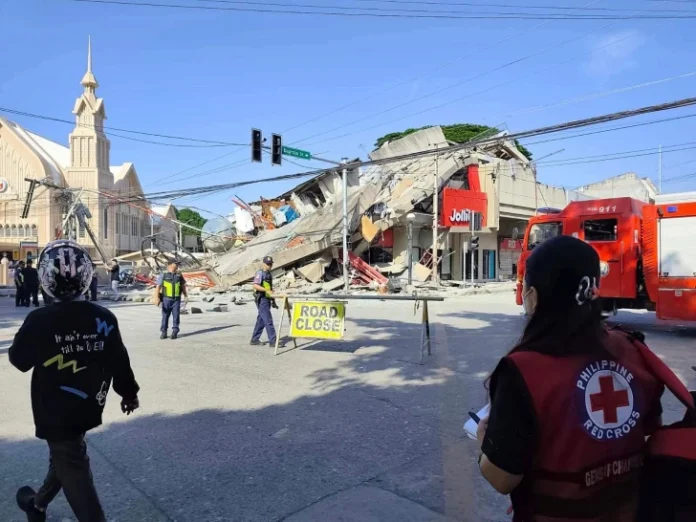
Rescue teams continued searching through collapsed buildings across the southern Philippines on Tuesday, a day after a powerful 7.8-magnitude earthquake killed at least 37 people and forced more than 32,000 residents from their homes.
The quake, one of the strongest to strike the country in decades, hit Monday morning off the coast of Mindanao, the Philippines’ second-most populous island. Authorities said nearly 500 people were injured.
While official records listed only four people as missing, disaster officials warned that several heavily damaged and collapsed structures still needed to be thoroughly searched to ensure no survivors or victims remained trapped inside.
Thousands of residents spent the night in emergency shelters after fleeing their homes, many fearing a tsunami in the aftermath of the quake.
Tsunami waves reaching as high as 1.4 meters (4.6 feet) above normal tide levels were recorded in parts of the Philippines.
However, damage from the waves appeared limited. Authorities reported that six stilt houses in a coastal village were damaged, while smaller tsunami waves were also detected in Indonesia, Palau and southern Japan.
The earthquake left a wide trail of destruction across Mindanao.
In General Santos City, a bustling coastal hub known as the country’s tuna capital, at least 13 people were killed when buildings collapsed and falling debris struck residents.
The worst loss of life was reported in neighboring Sarangani province, where at least 18 people died, most of them after a landslide buried homes in the mountainous town of Glan, according to the Office of Civil Defense.
Additional fatalities were reported in South Cotabato, Davao Occidental and on Balut Island, disaster response officials said.
Emergency crews remain on the ground assessing damage, clearing debris and searching vulnerable areas as authorities work to account for all residents affected by the disaster.
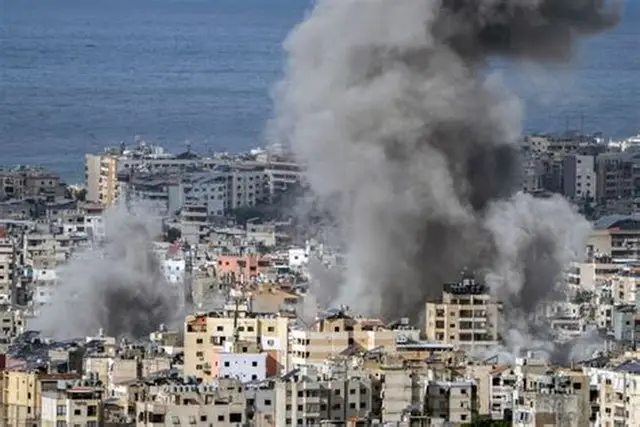
At least eight people were killed Tuesday when an Israeli airstrike hit the southern Lebanese city of Tyre, hours after Israel issued its first-ever evacuation warning covering the entire historic coastal city.
According to Lebanon’s Health Ministry, the strike targeted the eastern outskirts of Tyre, one of the country’s oldest and most culturally significant cities. Rescue crews were still searching through the rubble for survivors as emergency teams worked at the scene.
The attack marked one of the deadliest strikes on Tyre since fighting between Israel and Hezbollah erupted in March.
Videos from the aftermath showed damaged buildings, debris scattered across roads, and thick smoke hanging over parts of the city as rescue workers used heavy equipment to clear wreckage.
Earlier in the day, the Israeli military ordered residents across Tyre to leave immediately, including those in the city’s northwestern Christian district. The area had previously been excluded from evacuation notices.
Last week, Israel accused Hezbollah of operating within the district, although it did not provide evidence to support the claim. Israeli officials warned that the neighborhood could face evacuation orders if Hezbollah fighters remained there.
The warning triggered a wave of departures from the city. Lebanese state media reported that families fled in large numbers, while civil defense teams helped move elderly residents to temporary shelters.
Medical aid organization Doctors Without Borders (MSF) criticized the evacuation order, expressing concern that forcing civilians to relocate under active conflict conditions could place them at even greater risk.
In a statement, the organization said such displacement measures expose people to danger by pushing them into chaotic and often unsafe situations. MSF also announced it had suspended operations at several nearby hospitals and halted its mobile medical services for the day because of the security situation.
The latest escalation comes despite a ceasefire announced by the United States in April that was intended to reduce hostilities in southern Lebanon. Fighting has continued, however, with Israeli forces maintaining strikes across the region and Hezbollah continuing attacks against Israeli targets.
The conflict began when Hezbollah launched rockets into northern Israel in support of its ally Iran. Israel responded with an extensive air campaign and ground operations that have left large parts of southern Lebanon devastated.
Since then, evacuation orders have expanded well beyond frontline areas, emptying vast sections of southern Lebanon and forcing hundreds of thousands of people from their homes.
Tuesday’s strike on Tyre underscores how fragile the ceasefire remains and highlights the growing humanitarian concerns as civilians continue to bear the brunt of the conflict.
American pop star Ariana Grande and actor-singer Ethan Slater have reportedly ended their relationship after nearly three years together, bringing a quiet close to a romance that once drew significant public attention.
Sources close to the pair say the split was amicable, with both parties choosing to remain friends and maintain mutual respect. Insiders revealed that the decision was not sudden but came after months of reflection, as the two had reportedly spent time apart leading up to the breakup.
Despite public speculation, those familiar with the situation insist the separation was carefully considered and free of major conflict. Both Grande and Slater are said to still support each other personally and professionally.
The couple first met while working on the film adaptation of Wicked, where their connection developed behind the scenes. Their relationship became public in 2023 after both had ended previous marriages, sparking widespread media coverage and online conversations. They were later spotted together at various public outings, particularly in New York, where they spent much of their time.
Recent reports had already hinted at distance between the two, especially after Slater’s noticeable absence from the launch of Grande’s Eternal Sunshine era. However, sources have clarified that the breakup did not influence her upcoming music, shutting down rumors that the project would center on their relationship.
At the time of reporting, representatives for both Grande and Slater have not issued official statements regarding the split.
While fans continue to react to the news, the former couple appears focused on moving forward independently—closing this chapter on a note of maturity and mutual understanding.
ABUJA, NIGERIA — The Minister of Defence, Christopher Musa, has called on Nigerians, corporate organisations, private institutions, and faith-based groups to support government efforts aimed at strengthening national security across the country.
Musa made the appeal while speaking at the 2026 Boys’ Brigade Nigeria thanksgiving service and national award night, where he emphasised the importance of collective responsibility in addressing the nation’s security challenges.
According to the minister, securing the country is not the responsibility of government alone, but a shared duty that requires active participation from all sectors of society. He noted that collaboration between citizens and security agencies is essential for achieving lasting peace and stability.
He encouraged organisations in the private sector, religious bodies, and community groups to contribute meaningfully to security initiatives, particularly through intelligence sharing, moral guidance, and support for youth development programmes.
Musa also stressed the importance of strengthening moral values among young people, with particular focus on the development of the boy child. He said proper upbringing and value-based education are key to preventing youth involvement in crime and violence.
The minister highlighted the role of faith-based organisations such as the Boys’ Brigade in shaping discipline, leadership, and responsibility among young Nigerians. He commended their continued efforts in promoting character building and civic responsibility.
He further noted that national security is closely linked to social stability, economic development, and the moral health of society, urging stakeholders to invest more in youth mentorship and community engagement.
Musa reiterated that government is intensifying efforts to address insecurity through various military and non-military strategies, but stressed that these efforts would be more effective with strong public cooperation.
He appealed to Nigerians to remain vigilant and report suspicious activities to relevant security agencies, adding that timely information from citizens remains a critical tool in combating crime and terrorism.
The Defence Minister also reaffirmed the government’s commitment to improving the capacity of security institutions through training, equipment upgrades, and inter-agency coordination.
As discussions continue around national security challenges, Musa’s remarks add to ongoing calls for a more integrated approach involving both state and non-state actors in safeguarding lives and property across Nigeria.
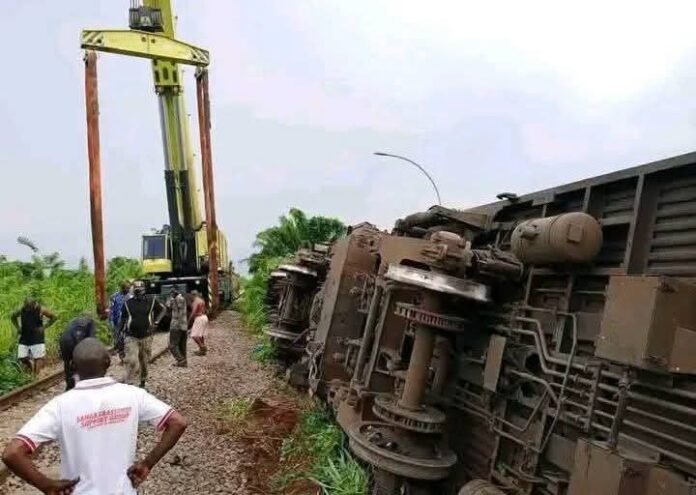
ABUJA, NIGERIA — The Federal Ministry of Transportation has confirmed that four persons, including an infant, died in a train accident that occurred along the Warri-Itakpe rail corridor in Delta State.
The ministry said 24 other passengers sustained varying degrees of injuries following the incident, which took place on Monday when a train reportedly derailed in the Agbor area of the state.
According to initial reports, the derailment triggered an emergency response from relevant authorities, including rescue teams deployed to the scene to evacuate passengers and provide immediate medical assistance to the injured.
Officials said emergency operations were activated shortly after the incident was reported, with efforts focused on stabilising victims and transporting them to nearby medical facilities for treatment.
The accident has raised renewed concerns about rail safety along the Warri-Itakpe corridor, which is one of Nigeria’s key transport routes linking the southern and central parts of the country. Authorities have not yet released full details on the cause of the derailment.
Transportation authorities noted that investigations have been launched to determine the circumstances surrounding the incident, including possible technical or operational factors that may have contributed to the derailment.
Emergency responders worked through the scene to ensure no additional passengers were trapped in the affected train coaches, while rail officials assessed the extent of damage to the rail infrastructure.
The Federal Ministry of Transportation expressed condolences to the families of the deceased and assured the public that a comprehensive inquiry would be conducted to prevent a recurrence of similar incidents.
Passengers injured in the crash are currently receiving medical attention, though authorities have not disclosed the severity of all reported injuries. Hospital officials in the area have reportedly been placed on alert to handle incoming cases.
The Warri-Itakpe rail line, inaugurated to improve passenger and freight movement across multiple states, has experienced operational challenges in the past, raising ongoing debates about maintenance standards and safety oversight in Nigeria’s rail system.
As investigations continue, the ministry has urged the public to remain calm and await official updates, while reaffirming its commitment to improving safety standards across the nation’s railway network.
Michael Orabiyi, popularly known as Scribz Riley, has shared an emotional tribute following the tragic death of his brother, British-Nigerian singer Talay Riley.
Talay Riley, whose real name was Yinka Orabiyi, was reportedly stabbed to death in Silvertown, London, on June 5, 2026.
In a heartfelt Instagram post, Scribz revealed that he had spoken with his brother shortly before his death, recalling that their conversation focused on hope, the future, and the goals they still planned to achieve.
“Just before he went to sleep, we spoke about the future, staying positive and about everything we still had left to do. I never imagined that would be our last conversation,” he wrote.
Describing the depth of their relationship, Scribz said Talay was far more than a brother, calling him a mentor, a friend, and a source of inspiration.
“Yinka wasn’t just my brother. He was my mother’s son, a friend to many, a mentor, an inspiration, and a light in so many people’s lives,” he added.
He also praised the late singer’s character, noting his kindness and generosity, and the impact he had on those around him.
According to him, Talay’s legacy will live on through his music, relationships, and the lives he touched.
Born into a Nigerian family in London, Talay Riley developed a passion for music at an early age. He began singing at just five years old and later gained recognition after featuring on Chipmunk’s 2009 hit single “Look for Me,” which charted in the United Kingdom.
As tributes continue to pour in from fans and colleagues, Scribz concluded his message with an emotional farewell.
“Even with everything you accomplished, this was far too soon. I love you, brother. Thank you for everything. Rest in paradise, Yinka.”
NEW YORK, UNITED STATES — As anticipation builds for the 2026 FIFA World Cup, concerns are growing that issues unrelated to football could dominate discussions surrounding the tournament, potentially overshadowing the sport’s biggest global spectacle.
The competition, which will be jointly hosted by the United States, Canada, and Mexico, is expected to attract millions of fans and billions of viewers worldwide. However, analysts and observers have warned that a combination of security concerns, political tensions, and social challenges could significantly influence the event’s atmosphere.
Historically, recent World Cups have been accompanied by controversies extending far beyond the football pitch. The 2014 tournament in Brazil was marked by widespread public protests over government spending on stadiums and infrastructure projects, with critics arguing that resources should have been directed toward healthcare, education, and public services.
Four years later, the 2018 World Cup in Russia took place against the backdrop of geopolitical tensions involving Moscow and Western nations. Questions surrounding Russia’s international relations, allegations of corruption in the bidding process, and concerns over political freedoms became recurring themes throughout the competition.
The 2022 World Cup in Qatar faced perhaps the most intense scrutiny in the tournament’s history. International human rights organizations, activists, and several governments raised concerns over migrant workers’ welfare, labour conditions, freedom of expression, and laws affecting members of the LGBTQ community. The controversy sparked global debates that continued long after the tournament concluded.
Now, attention is shifting toward the challenges facing the 2026 edition. Security experts have expressed concerns about the possibility of mass shootings and other violent incidents in host cities, particularly given the recurring debate over gun violence in the United States. Ensuring the safety of players, officials, and supporters is expected to remain a top priority for organisers and law enforcement agencies throughout the tournament.
In addition to domestic security concerns, ongoing geopolitical tensions in various parts of the world have raised questions about potential diplomatic complications. The continued instability in the Middle East, including tensions involving Iran and its regional adversaries, has prompted discussions about how international conflicts could affect participating nations, travelling supporters, and the overall atmosphere surrounding the competition.
Immigration policies, border management, and visa regulations may also become major talking points, particularly because the tournament will be staged across three countries. With fans expected to move frequently between host nations, authorities face the challenge of balancing security requirements with the need to facilitate smooth travel.
Despite these concerns, FIFA and host nation organisers remain confident that the tournament will be a success. Preparations continue across host cities, with investments being made in stadium infrastructure, transportation networks, security systems, and fan engagement initiatives.
As the countdown to kickoff continues, football supporters around the world hope that the focus remains on the players and the action on the field. Nevertheless, experience from previous tournaments suggests that global events of this magnitude often reflect broader social and political realities, making it likely that issues beyond football will once again become part of the World Cup narrative.