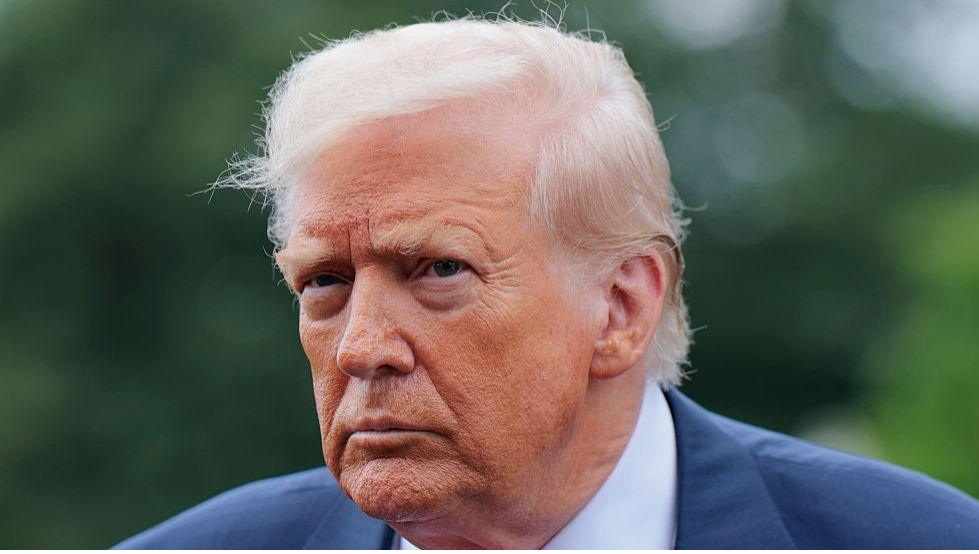
United States Senator Ted Cruz has renewed his call for Congress to pass the Nigeria Religious Freedom Accountability Act, which seeks sanctions against Nigerian officials accused of violating religious rights.
In a post on his official X formerly Twitter on Wednesday, the Texas lawmaker declared, “Enough is enough.
Congress should move my Nigeria Religious Freedom Accountability Act to push back against the Nigerian officials behind these atrocities.”
The proposed bill aims to authorize targeted sanctions on individuals and entities found responsible for severe religious freedom violations in Nigeria.
Cruz, a long-time advocate for global religious liberty, has repeatedly criticized the Nigerian government’s handling of violence against worshippers and religious minorities.
His renewed push comes amid growing pressure from US lawmakers and rights groups urging Washington to respond more firmly to the rising wave of religiously motivated attacks in Nigeria.
Human rights organizations have documented increasing cases of violence against Christians and Muslims in different parts of the country, often linked to extremist groups and communal conflicts.
Critics accuse the Nigerian government of failing to hold perpetrators accountable or protect vulnerable communities.
Supporters of the proposed legislation argue that it would strengthen Washington’s ability to promote religious freedom and penalize those who commit or condone abuses.
Meanwhile, Nigeria’s inclusion on the US State Department’s “Special Watch List” for countries with severe religious freedom concerns has remained a recurring subject in diplomatic discussions between both nations.
Analysts say Cruz’s latest push could reignite debate in Congress about how the US engages Nigeria on human rights and governance.
However, the Nigerian government has consistently denied allegations of complicity, maintaining that it protects all citizens regardless of faith.
Women traders in Nnewi have vowed not to vote for the reelection of Governor Charles Chukwuma Soludo after he arbitrarily jerked up the rent of shops at Nkwo Nnewi under the guise of renovation.
They also called out the Local Government chairman of Nnewi North, Hon. Echezona Anazodo, for his role in the heist.
(DDM) – Favour Michael Kanu, wife of the detained leader of the Indigenous People of Biafra (IPOB), Mazi Nnamdi Kanu, has made a passionate plea to Justice James Omotosho of the Abuja High Court, urging him not to allow her husband die in the custody of the Department of State Services (DSS).
Diaspora Digital Media (DDM) reports that Favour Kanu’s emotional appeal comes amid growing fears about her husband’s deteriorating health and prolonged detention despite multiple court rulings ordering his release.
Speaking to journalists shortly after Thursday’s court session, Mrs. Kanu lamented that her husband’s condition had worsened under the harsh conditions of DSS confinement.
She pleaded with the court to consider his right to life and order immediate medical intervention or transfer to a proper medical facility.
According to her, “I am deeply worried because my husband’s health is failing by the day. I beg Justice Omotosho not to let him die in detention. He deserves proper medical care, and we cannot afford to lose him in this way.”
The plea follows recent findings by a medical panel constituted by the Nigerian Medical Association (NMA), which declared that while Kanu’s ailment was not life-threatening, he still required consistent treatment and monitoring.
Justice Omotosho, who is presiding over the trial, had previously approved private legal consultations between Kanu and his legal team, and fixed October 23 for the continuation of defence proceedings.
However, concerns persist among Kanu’s supporters and rights groups that the DSS is not complying with court orders granting him access to his doctors and adequate medical attention.
Human rights activists, including representatives of Amnesty International and the International Society for Civil Liberties and Rule of Law (Intersociety), have repeatedly accused the Nigerian government of deliberately violating Kanu’s constitutional rights.
They argue that continued detention despite judicial directives not only undermines the rule of law but also sets a dangerous precedent for political and civil liberties in Nigeria.
Mazi Nnamdi Kanu, the IPOB leader, has been in detention since June 2021 after being extradited from Kenya under controversial circumstances.
He faces multiple charges bordering on terrorism, treasonable felony, and unlawful possession of arms, charges his lawyers describe as politically motivated and unsupported by evidence.
Kanu’s prolonged incarceration has fueled widespread agitation across the South-East, with IPOB members regularly calling for his release and accusing the Federal Government of bias and persecution.
Mrs. Kanu’s latest appeal has reignited public debate about the fairness of Nigeria’s judicial process, particularly in cases involving political figures and separatist movements.
Observers note that Justice Omotosho’s next ruling on the matter could have major implications for both the ongoing trial and the government’s handling of politically sensitive prosecutions.
As the October 23 defence session approaches, supporters of Kanu continue to demand that the court enforce his fundamental rights, calling for transparency, medical access, and adherence to the rule of law.
With emotions running high, Mrs. Kanu’s tearful plea serves as a reminder of the human cost behind Nigeria’s most contentious political trial in recent history.
(DDM) – Nigerian businesses are facing intensified financial pressures as high bank charges, multiple taxation, and poor infrastructure continue to undermine growth and profitability across the country, according to the Central Bank of Nigeria’s latest Business Expectations Survey Report.
Diaspora Digital Media (DDM) reports that the CBN’s September 2025 findings ranked high bank charges (70.8), multiple taxation (70.8), and poor infrastructure (70.7) as the three most severe obstacles confronting business owners nationwide.
The report highlights how these structural burdens have compounded the already challenging business environment, eroding margins, discouraging new investments, and limiting expansion opportunities, particularly for micro, small, and medium enterprises (MSMEs), which constitute the backbone of Nigeria’s economy.
Despite these challenges, business operators expressed cautious optimism about the short-term economic outlook, as reflected in the Business Confidence Index, which stood at 31.5 points in September 2025.
According to the survey, business sentiment could strengthen further, with confidence projected to rise to 51.8 index points within the next six months, provided economic reforms and policy stability are maintained.
However, regional disparities in optimism remain stark. The North-East region recorded the highest business optimism at 48.7 points, while the South-East trailed significantly with just 7.3 points, reflecting deep-rooted concerns about taxation and poor infrastructure at both state and local government levels.
The CBN observed that the uneven optimism mirrors the varying intensity of business constraints across Nigeria’s six geopolitical zones, noting that entrepreneurs in southern states face heavier fiscal pressures and logistical bottlenecks.
Economic experts say the findings reinforce longstanding complaints from Nigeria’s private sector. Development economist Bismarck Rewane noted that the high cost of doing business continues to “erode competitiveness and discourage both foreign and local investment.”
He warned that the combination of multiple taxation, high banking fees, and unpredictable fiscal policies is pushing many small firms to the brink of collapse.
“Without targeted reforms,” Rewane said, “the projected business optimism may not translate into tangible economic recovery or job creation.”
Similarly, financial analyst Toki Mabogunje stressed the urgent need to simplify Nigeria’s tax system and channel more investment into infrastructure financing, particularly in roads, power supply, and logistics.
“What we’re witnessing is a widening disconnect between economic optimism and the actual realities faced by businesses,” she said.
“Policymakers must close this gap fast if Nigeria hopes to achieve sustainable growth.”
Meanwhile, the CBN’s Purchasing Managers’ Index (PMI) offered a glimmer of hope, rising to 54.0 points in September 2025 from 51.7 points in August, signaling the tenth consecutive month of expansion in business activity.
The central bank attributed the PMI growth to stronger performance across Industry, Services, and Agriculture, sectors that collectively drive national output and employment.
However, analysts caution that the positive PMI momentum may be short-lived if structural constraints remain unresolved.
According to investment strategist Johnson Chukwu, “An expanding PMI reflects optimism, but sustained progress requires deliberate government action to ease cost pressures on businesses, improve infrastructure, and streamline tax regimes.”
The CBN emphasized that the Business Expectations Survey serves as a key barometer for policymakers to understand the pulse of the private sector and identify reform priorities essential for stabilizing the economy.
Experts conclude that unless fiscal and monetary authorities act decisively to lower operational costs, Nigeria’s business optimism will remain fragile, threatening growth, job creation, and investor confidence in Africa’s largest economy.
(DDM) – The Federal Government of Nigeria has launched a landmark Artificial Intelligence (AI) training programme for civil servants in partnership with Google, marking a major step toward modernizing governance and boosting digital efficiency across the public sector.
Diaspora Digital Media (DDM) reports that the initiative, spearheaded by the Federal Ministry of Communications, Innovation, and Digital Economy, aims to equip government workers with the skills required to adopt and apply AI in their daily operations.
Speaking at the virtual launch, Minister Dr. Bosun Tijani said the training aligns with President Bola Ahmed Tinubu’s vision of building a $1 trillion economy, ensuring Nigeria remains competitive in the global race for AI-driven transformation.
Tijani emphasized that AI has become central to improving productivity across key sectors such as agriculture, education, healthcare, and security, and that the government is determined not to lag behind in this technological evolution.
He highlighted several efforts already underway, including the creation of a national AI strategy, the establishment of a National AI Trust, and the rollout of an AI Collective with a government-backed multilingual large language model designed for African contexts.
However, Tijani cautioned that these initiatives would remain ineffective unless public servants were fully empowered to integrate AI tools into their workflows.
He said the newly introduced e-political government AI campus would help achieve that goal, noting that the administration is investing in ensuring civil servants become “AI-native” in their daily tasks.
According to him, the adoption of AI will help accelerate bureaucratic processes, reduce administrative bottlenecks, and improve the quality of service delivery to citizens.
Google’s Head of Government Affairs and Public Policy for West Africa, Adewolu Adene, explained that the training would be conducted in three phases, beginning with senior decision-makers who will learn to understand and champion AI adoption.
The second phase, he said, will target middle-level executives, focusing on how to strategically apply AI tools in daily government operations, while the final phase will involve mass training for civil servants across all departments.
Adene described the programme as a “once-in-a-generation opportunity” to transition Nigeria’s public sector from digital governance to intelligent governance, capable of responding faster and more efficiently to public needs.
Citing global studies, he revealed that AI could deliver up to $1.75 trillion in annual productivity gains for the public sector worldwide by 2033.
Google’s Director for West Africa, Olumide Balogun, reiterated that empowering the public workforce was key to driving digital transformation, stressing that “AI is not just about technology, but about people.”
He said Google’s partnership with the Nigerian government was rooted in its long-term investment in digital skills development, infrastructure projects such as the Equiano subsea cable, and support for startups through innovation hubs and funding programmes.
Similarly, Taiwo Kola-Ogunlade, Google’s Communications Manager for West Africa, said the AI Campus would serve as a structured learning environment where civil servants could gain practical experience using AI to improve healthcare, education, and social services.
Vice President of Apolitical, Chris Ferguson, added that structured training is the foundation of successful AI adoption in government, noting that the programme would equip civil servants to lead the digital revolution with confidence and foresight.
The launch follows a series of AI-focused initiatives by the Federal Government. In October 2024, Nigeria secured a ₦2.8 billion grant from Google to support AI talent development, aimed at closing the nation’s digital skill gap.
By November 2024, Google further deepened its collaboration with Nigeria to harness AI as a tool for economic growth, positioning the country as a continental leader in AI innovation and digital transformation.
Experts believe this partnership represents a turning point for Nigeria’s civil service, which has long struggled with inefficiency and outdated systems.
If successfully implemented, analysts say, the AI training initiative could help the government reduce corruption, enhance transparency, and improve public sector productivity, ushering in a new era of intelligent governance in Africa’s mostpopulous nation.
(DDM) – Northern rights activist Mahdi Shehu has accused armed bandits of establishing “parallel governments” across parts of northern Nigeria, alleging that they now hold victory parades and impose laws on terrified residents.
Diaspora Digital Media (DDM) reports that Shehu raised the alarm in a post on his verified X (formerly Twitter) handle, describing the situation as a complete breakdown of state authority.
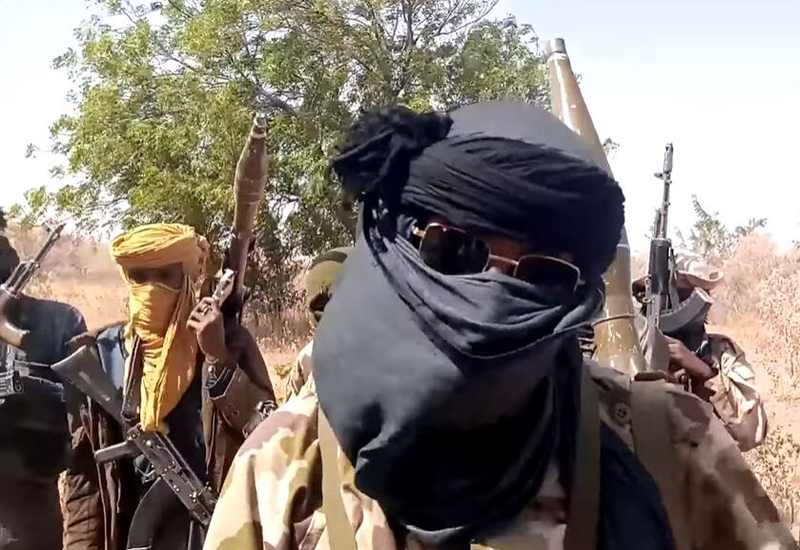
He said the incident occurred in Bakori Local Government Area of Katsina State, where heavily armed bandits, dressed in full military fatigues, reportedly converged for what they called a “peace deal” with a local community they had earlier overrun.
According to Shehu, the gathering resembled a victory celebration rather than a peace negotiation, symbolizing the growing dominance of criminal groups across the region.
He lamented that for more than a decade, bandits have killed, raped, maimed, and displaced hundreds of thousands of villagers across northern Nigeria while government intervention remains largely ineffective.
“Shehu stated that the bandits now operate with total impunity, collecting levies, deciding market days, and granting residents permission to access their farms.”
He further claimed that most affected communities in states such as Katsina, Zamfara, Sokoto, Niger, and Kaduna have become “occupied territories” where bandit leaders function as governors, wielding more control than the state authorities themselves.
“The bandits have effectively carved out their own state within a state, where their rules override those of the government,” Shehu warned, adding that villagers often pay taxes and tributes to these gangs to avoid attacks.
The activist’s revelation has sparked intense public reaction online, with Nigerians expressing anger and fear over the deepening insecurity and the government’s perceived failure to assert control.
Security analysts who spoke to DDM described the claim as “a grim but realistic reflection” of northern Nigeria’s deteriorating security architecture.
They noted that despite military offensives and repeated government assurances, bandit networks continue to expand, exploiting weak governance, corruption, and porous borders to sustain their operations.
Many commentators also drew parallels between Shehu’s statement and previous warnings from local leaders, including the Emir of Birnin Gwari and members of the House of Representatives, who have repeatedly said that large portions of the North West are under bandit occupation.
The revelation comes amid renewed military deployments in Katsina, Zamfara, and Niger States, following fresh waves of attacks and mass kidnappings that have displaced hundreds of families in recent weeks.
Observers say Shehu’s statement underscores the growing perception that Nigeria’s rural north has slipped beyond government control, with criminal gangs now dictating daily life in several communities.
Human rights groups are urging the Federal Government and security agencies to treat the development as a national emergency, stressing that failure to reclaim the affected territories could entrench an enduring state of lawlessness.
As of press time, neither the Katsina State Government nor the Nigerian military has officially responded to Shehu’s viral claims, but the outrage continues to spread across social media and civic platforms nationwide.
(DDM) – The Federal High Court in Abuja has dismissed allegations of bias in the legal battle over Osun State’s disputed local government funds, ruling that the transfer of the case from Osogbo to Abuja was both lawful and justified.
Diaspora Digital Media (DDM) reports that Justice Emeka Nwite, who presided over the matter, described the claims of partiality as “speculative, baseless, and unsubstantiated.”
The application had been filed by lawyers representing parties opposed to the Osun State Government, led by Governor Ademola Adeleke, who is seeking to restrain federal authorities from releasing withheld local government allocations to former All Progressives Congress (APC) council officials sacked in 2022.
The applicants had alleged that transferring the case to Abuja from the Osogbo Division of the Federal High Court was an attempt to influence proceedings in favour of the state government.
However, Justice Nwite clarified that the Chief Judge of the Federal High Court acted within his administrative jurisdiction under Order 49 Rule 2 and Section 21(1) of the Federal High Court Act, which empower him to transfer cases for reasons of convenience, security, or administrative efficiency.
He stressed that the judiciary must not be dragged into “political theatre” and warned legal practitioners against peddling unfounded claims that could undermine public confidence in the courts.
“The claim of bias is without evidence and appears designed to distract from the substance of the matter,” the judge stated.
He further explained that transfers of cases between divisions of the Federal High Court are routine and often necessary to ensure fair and timely hearings, particularly in politically sensitive disputes such as this.
The Osun case centres on the management and disbursement of local government funds following the dissolution of APC-led councils by Governor Adeleke upon assuming office.
The affected officials had approached the court, claiming that their removal was illegal and that the federal government should continue releasing statutory allocations to them until their tenure officially expires.
The Adeleke administration, however, maintains that the councils were improperly constituted and that their continuation in office would violate the constitution and the Supreme Court’s ruling on illegal local government appointments.
Political observers say the dispute highlights ongoing tensions between state autonomy and federal oversight in Nigeria’s local government system, a recurring source of legal battles across several states.
By striking out the bias claims, the Federal High Court has now cleared the path for the substantive hearing of the case, which has been adjourned to October 17 for continuation.
Justice Nwite assured both parties that the court would deliver justice without fear or favour, insisting that “only the rule of law will guide the outcome.”
The ruling is seen as a boost for judicial transparency, affirming that administrative case transfers within the Federal High Court system do not automatically suggest prejudice or interference.
Analysts believe that the case could set an important precedent for how Nigerian courts handle politically charged fiscal disputes involving state and local government autonomy.
As the October 17 hearing date approaches, stakeholders in Osun State are watching closely to see how the court’s next decision might affect the flow of local government funds and the state’s ongoing power tussle between the PDP-led administration and the sacked APC officials.
(DDM) – The newly confirmed Chairman of the Independent National Electoral Commission (INEC), Professor Joash Amupitan, has firmly denied allegations that he was part of the legal team representing President Bola Ahmed Tinubu or the All Progressives Congress (APC) during the 2023 presidential election tribunal.
Diaspora Digital Media (DDM) reports that Professor Amupitan made the clarification during his Senate confirmation hearing in Abuja, where he addressed concerns raised by some lawmakers and civil society groups over his alleged political affiliations.
The law professor, who previously served as Dean of Law at the University of Jos, told the Senate Committee on Electoral Matters that he was never involved, directly or indirectly, in any legal proceedings connected to the 2023 presidential election dispute.
Amupitan presented certified true copies of tribunal and Supreme Court documents to the Senate as evidence of his claim, saying the rumours were fabricated to discredit his reputation and question his eligibility for the INEC chairmanship.
“I was never part of the 2023 presidential tribunal or any legal team for President Tinubu or the APC,” he stated emphatically. “My integrity and independence are my strongest assets, and I will protect them throughout my tenure.”
The newly confirmed INEC boss stressed that his priority would be to restore public confidence in Nigeria’s electoral system and ensure that future elections are transparent, credible, and technologically improved.
He said his leadership would focus on building institutional trust, improving voter education, and strengthening the commission’s internal audit mechanisms to prevent electoral malpractice.
Amupitan’s confirmation by the Nigerian Senate on Thursday followed his nomination and subsequent approval by the National Council of State, officially marking the end of Professor Mahmood Yakubu’s tenure as INEC Chairman.
Senate President Godswill Akpabio, while congratulating Amupitan, urged him to “safeguard the independence of INEC and resist any political pressure capable of undermining Nigeria’s democracy.”
Akpabio reminded the new INEC boss that the credibility of the 2027 general elections would depend on how effectively his leadership reforms the commission’s processes and rebuilds voter trust after the controversial 2023 polls.
Political observers note that Amupitan’s appointment comes at a time of growing skepticism about electoral integrity in Nigeria, following widespread public dissatisfaction with the last general election, which saw allegations of vote manipulation, delayed transmission of results, and compromised logistics.
Civil society organisations have since called on the new INEC chairman to prioritize electoral reforms, including the immediate audit of the Bimodal Voter Accreditation System (BVAS) and stricter sanctions against electoral offenders.
Professor Amupitan assured lawmakers that he intends to collaborate closely with both state and federal authorities, as well as local and international observers, to ensure that the commission operates without bias or external influence.
He also pledged to uphold constitutional values and ensure that INEC remains an impartial umpire in all electoral matters.
With his confirmation now official, Amupitan assumes office amid both public scrutiny and cautious optimism, as Nigerians await evidence of a new direction for the nation’s electoral management body.
(DDM) – The Academic Staff Union of Universities (ASUU) has accused the Federal Government of Nigeria of insincerity and deliberate delay tactics in resolving ongoing issues surrounding lecturers’ welfare and the long-awaited renegotiated agreement.
Diaspora Digital Media (DDM) reports that the University of Ibadan chapter of ASUU described the government’s approach to collective bargaining as frustrating, deceitful, and strategically designed to wear down the union’s demands.
Speaking during a live radio programme in Ibadan, the chapter’s chairman, Dr. Adefemi Afolabi, said university lecturers were compelled to embark on a two-week warning strike after waiting in vain for more than eight months for the signing of a renegotiated agreement with the Federal Government.
He lamented that instead of implementing the report of the Nimi Briggs Renegotiation Committee, the government announced yet another committee to begin discussions afresh, a move ASUU described as an attempt to waste time and frustrate progress.
According to Afolabi, the Federal Government’s actions show a lack of commitment to improving university education, adding that the constant shifting of goalposts has worsened morale among lecturers nationwide.
He revealed that many senior academics, including professors, are resigning in droves, while younger lecturers are relocating abroad in search of better pay and working conditions.
Afolabi noted that the mass exodus of intellectuals poses a serious threat to Nigeria’s education system, as the country continues to lose top-tier scholars to universities in Europe, North America, and the Middle East.
He warned that first-class graduates no longer view lecturing as a viable career, given the poor remuneration and unstable working environment.
“The warning strike,” he said, “is not about ego or politics. It is a desperate cry for fairness, survival, and the preservation of quality university education in Nigeria.”
ASUU has repeatedly accused the government of failing to honour several past agreements, including the 2009 FG-ASUU pact and subsequent memoranda of understanding signed after nationwide strikes in 2013, 2017, and 2020.
The latest warning strike by the University of Ibadan chapter signals what insiders describe as the beginning of a wider national agitation, as several other university branches have expressed readiness to join if negotiations remain stagnant.
Education analysts say the dispute once again exposes the fragile relationship between Nigerian university unions and the Federal Government, with successive administrations unable to resolve the funding and salary structure crises that have crippled the system for decades.
They note that poor infrastructure, unpaid allowances, and irregular promotions have pushed lecturers to the brink, while students continue to suffer academic disruptions.
In response to ASUU’s grievances, a senior government official who requested anonymity insisted that the administration was still committed to dialogue and reform, arguing that delays were caused by bureaucratic reviews and budgetary constraints.
However, ASUU maintains that the pattern of excuses reflects official deceit, not administrative challenges.
Observers warn that unless urgent steps are taken to restore trust and finalize the long-pending agreement, the current warning strike could escalate into a full-blown nationwide shutdown, once again grounding Nigeria’s public universities.
The University of Ibadan chapter has already mobilized its members to monitor compliance across departments, signaling that the union may sustain industrial action beyond the initial two weeks if no tangible progress is achieved.
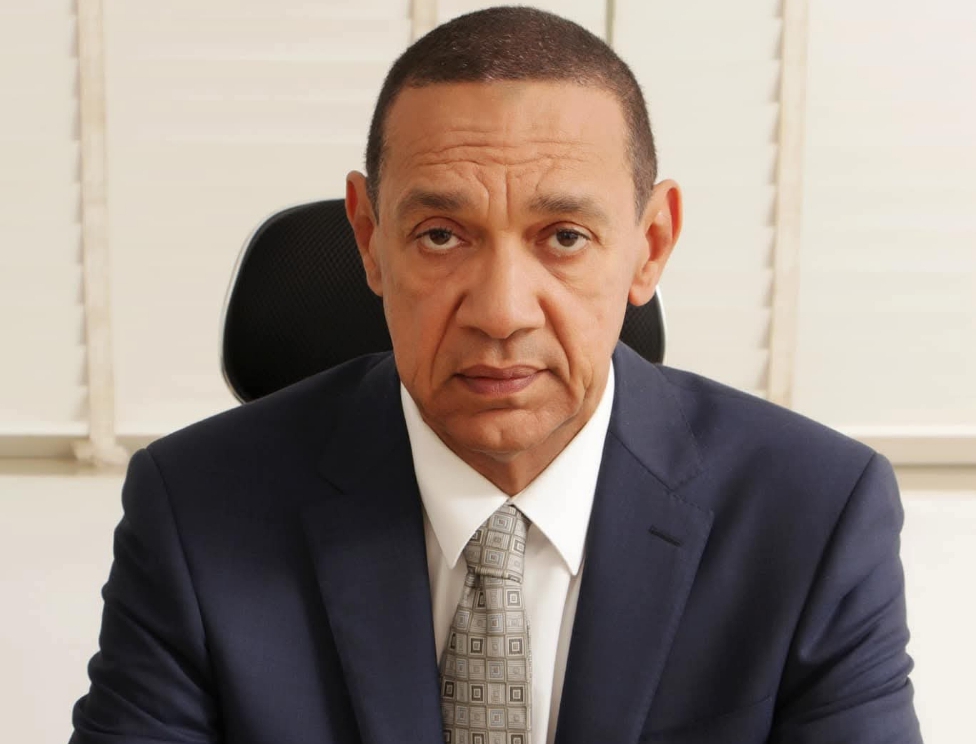
Ben Murray-Bruce, a former Senator and media entrepreneur, has announced his decision to join the All Progressives Congress (APC), citing President Bola Tinubu’s leadership and economic reforms as key reasons.
In a statement on Wednesday, Murray-Bruce praised Tinubu’s vision for Nigeria’s future, describing him as a leader with a deep understanding of governance, finance, and nation-building.
Murray-Bruce said his decision was driven by conviction, not politics, and that he believes Tinubu’s leadership will deliver a better Nigeria.
He commended Tinubu’s economic reforms, including deregulation of the petroleum sector and restructuring of the Central Bank of Nigeria (CBN), as necessary steps towards long-term prosperity.
Murray-Bruce highlighted Tinubu’s infrastructural drive, citing expansion of road networks, modernization of ports and airports, and affordable housing schemes as evidence of renewed commitment to national development.
He also praised the administration’s efforts in national security and foreign policy, noting that the appointment of a new National Security Adviser had improved Nigeria’s safety architecture.
Murray-Bruce expressed optimism that the Tinubu administration would achieve “phenomenal growth” by the end of its two-term tenure, saying, “Mark my words: in the full term of eight years, Nigeria will witness phenomenal growth. I choose to stand with that vision. I choose to stand with reform. I choose to stand with the future”.
The Kano State Government has filed a lawsuit against former Governor Abdullahi Umar Ganduje, two of his sons, and five others over alleged misappropriation of ₦4.49 billion in public funds.
The case, lodged at the Kano State High Court, accuses the former governor and his associates of illegally transferring the state’s 20 percent equity in the Dala Inland Dry Port Limited to private ownership.
According to court documents filed on October 13, 2025, the defendants include Dr. Abdullahi Umar Ganduje; his sons, Umar Abdullahi Umar and Muhammad Abdullahi Umar; former Special Adviser, Abubakar Sahabo Bawuro; ex-Executive Secretary of the Nigerian Shippers Council, Hassan Bello; legal practitioner, Adamu Aliyu Sanda; and Dala Inland Dry Port Limited.
The government is demanding the recovery of the diverted funds and a reversal of the alleged fraudulent transfer.
Prosecutors claim the defendants conspired to hijack the dry port project through a shell company known as City Green Enterprise.
The project, initially designed to boost Kano’s economy, was reportedly converted into a private business owned by the accused and their relatives.
According to investigators, over ₦4.49 billion was withdrawn under the pretext of constructing infrastructure at the dry port, including a double carriageway, fencing, and power supply.
“These projects were funded with state resources but tailored to benefit private interests,” a source close to the investigation said.
“This was a clear betrayal of public trust and a coordinated looting of public wealth.”
The charge sheet alleges that former Governor Ganduje acted without the consent of the dry port board when transferring the state’s equity share.
Investigators said key members, including government representative Abdullahi Haruna, were sidelined during the process.
“The prosecution will prove that the equity transfer was neither legal nor transparent,” prosecutors told the court. “A governor cannot unilaterally hand over state assets to private entities.”
The case also involves a ₦750 million transaction allegedly funneled through Safari Textile Ltd, one of several companies linked to the accused.
Documents believed to be falsified to mislead regulators will be presented during the trial.
A policy paper from the Olusegun Obasanjo administration confirming Kano State’s 20 percent stake in the project will also serve as evidence.
Justice Yusuf Ubale of High Court 2 has been assigned to handle the case.
Although no trial date has been fixed, prosecutors have listed key witnesses, including the lead investigator and an early stakeholder in the project.
A senior official in the Kano State Ministry of Justice said the lawsuit reflects the government’s commitment to accountability.
“This is about protecting public resources, not personal vendettas,” the official said.
Efforts to reach Ganduje or his legal representatives for comment were unsuccessful at the time of filing this report.
(DDM) – In a landmark policy shift, the Federal Government of Nigeria has removed the Joint Admissions and Matriculation Board (JAMB) examination as a compulsory criterion for admission into tertiary institutions across the country, a move designed to broaden access to higher education and reduce systemic barriers faced by millions of young Nigerians.
Diaspora Digital Media (DDM) reports that the policy, introduced under President Bola Ahmed Tinubu’s administration, was officially announced by the Minister of Education, Dr. Maruf Tunji Alausa, as part of ongoing reforms to reposition Nigeria’s education sector for inclusivity, innovation, and national development.
According to the new framework, universities, polytechnics, and colleges of education can now admit students directly using their Senior School Certificate Examination (SSCE) results, including those issued by the West African Examinations Council (WAEC) and the National Examinations Council (NECO).
The government explained that the reform was informed by years of public complaints about JAMB’s restrictive admission system, which it described as a major factor limiting the number of qualified candidates gaining entry into higher institutions each year.
Official statistics show that millions of candidates sit for the Unified Tertiary Matriculation Examination (UTME) annually, but less than 40 percent secure admission, not necessarily due to poor performance but because of what the government termed “rigid and outdated admission policies.”
Under the revised guidelines, universities are to require a minimum of five credits in relevant subjects, including English Language, obtained in no more than two sittings.
Mathematics remains compulsory only for science, technology, and social science programs, giving flexibility to candidates applying for arts and humanities courses.
For polytechnics, applicants need at least four credits, including English, for non-science programs, while mathematics remains mandatory for science-related disciplines.
At the Higher National Diploma (HND) level, five credits are now required, including English and Mathematics, depending on the program.
Similarly, colleges of education will admit candidates with a minimum of four credits, with English mandatory for arts and social science courses, while mathematics is compulsory for vocational, technical, and science-oriented programs.
The Ministry of Education also announced that innovation enterprise academies must align their admission standards with those of polytechnics, while the National Innovation Diploma (NID) program has been phased out entirely as part of the system overhaul.
Officials emphasized that JAMB and UTME will still operate as alternative admission routes for institutions that wish to use them but will no longer serve as the exclusive gatekeeping mechanism for Nigerian tertiary education.
Minister Alausa described the policy as a “progressive, people-centered reform” aimed at restoring fairness, expanding access, and modernizing Nigeria’s educational framework to reflect global best practices.
He noted that the government’s vision is to ensure that no Nigerian youth is denied higher education “simply because of procedural bottlenecks.”
Reactions have been mixed across academic and student circles. While many educationists have praised the government for democratizing access to higher learning, others warn that eliminating JAMB’s centralized screening could lead to admission inconsistencies and corruption at the institutional level.
Nonetheless, stakeholders agree that the reform marks a turning point in Nigeria’s decades-long struggle to balance quality, access, and fairness in tertiary education.
As the new policy takes effect, universities and regulatory bodies like the National Universities Commission (NUC) are expected to issue detailed admission frameworks in the coming weeks to ensure compliance and transparency.
(DDM) – The lingering legal battle involving Nnamdi Kanu, the detained leader of the Indigenous People of Biafra (IPOB), has taken a new turn as a medical panel from the Nigerian Medical Association (NMA) declared him fit to stand trial, dismissing concerns about his health condition.
Diaspora Digital Media (DDM) reports that the medical assessment was ordered by Justice James Omotosho of the Federal High Court, Abuja, following repeated claims by Kanu’s legal team that his deteriorating health could hinder his ability to participate effectively in court proceedings.
According to the panel’s findings, Kanu’s ailment is not life-threatening, contrary to fears expressed by his lawyers and supporters.
The report emphasized that his current condition is manageable under regular medical supervision, clearing the way for the continuation of his long-delayed trial.
Justice Omotosho, after reviewing the medical report, officially accepted the NMA’s recommendation and ruled that the court would proceed with the hearing.
The judge also scheduled six consecutive trial days beginning on October 23, in what observers describe as a decisive phase of the high-profile case that has gripped Nigeria’s political and legal landscape for years.
In addition, the court approved a private legal consultation between Kanu and his defence team to be held inside the courtroom on October 22, one day before the commencement of the intensive trial sessions.
This move is seen as a rare gesture, allowing Kanu confidential access to his lawyers amid ongoing complaints about restricted communication and harsh detention conditions at the Department of State Services (DSS) facility in Abuja.
The decision comes amid renewed calls from rights activists and political figures, including Omoyele Sowore, demanding Kanu’s unconditional release or a political resolution to the long-running separatist dispute in the South-East.
Kanu, who has faced multiple charges bordering on treasonable felony, terrorism, and incitement, has remained in DSS custody since his controversial rendition from Kenya in June 2021.
The government has repeatedly insisted that his prosecution is purely a legal matter, not a political one, while IPOB and its supporters maintain that his arrest and continued detention violate both international law and human rights conventions.
Legal experts suggest that the upcoming six-day trial marathon could determine the trajectory of Kanu’s defence and possibly shape future conversations about justice, reconciliation, and governance in Nigeria’s South-East region.
The NMA panel’s report, seen by DDM sources, was described as comprehensive and impartial, focusing solely on Kanu’s medical fitness rather than the political dimensions of the case.
As the October 23 hearing date approaches, security around the Federal High Court complex in Abuja is expected to be heightened, given the sensitivity of the matter and previous incidents involving pro-Biafra supporters.
For many observers, the trial remains one of Nigeria’s most polarizing judicial proceedings, symbolizing both the struggle for justice and the tension between national unity and regional identity.
The Federal Government has yet to issue an official statement on the NMA’s findings, but sources suggest that the prosecution team is fully prepared to present its case when proceedings resume.
(DDM) – A new wave of political tension has emerged in Bayelsa State as Nollywood actor and African Democratic Congress (ADC) chieftain, Kenneth Okonkwo, has called on the Independent National Electoral Commission (INEC) to immediately declare the office of Governor Douye Diri vacant following his resignation from the Peoples Democratic Party (PDP).
Diaspora Digital Media (DDM) reports that Okonkwo made the declaration after Diri reportedly announced his exit from the PDP during a State Executive Council meeting in Yenagoa, sparking widespread political reactions and constitutional debate.
According to Okonkwo, the governor’s withdrawal from the party that sponsored his election effectively invalidates his mandate, citing Section 177(c) of the 1999 Constitution of the Federal Republic of Nigeria (as amended).
He argued that the section explicitly requires every state governor to be a member of a political party and to have been sponsored by that party to remain eligible for office.
“The moment Governor Diri renounced his membership of the Peoples Democratic Party, he ceased to meet the constitutional requirements of a sitting governor,” Okonkwo stated.
He urged INEC to conduct a fresh governorship election within 90 days to fill what he described as an “automatic vacancy” in Bayelsa’s top office.
The actor-turned-politician maintained that Nigeria’s democracy must not tolerate what he termed “selective constitutional obedience,” insisting that governors cannot defect from the parties that brought them to power without facing the legal consequences.
Okonkwo’s statement has quickly gone viral, drawing mixed reactions across social media, particularly among supporters of the ruling All Progressives Congress (APC) and the opposition PDP, both of whom have been locked in an intense battle for dominance in the South-South region.
While some political commentators backed Okonkwo’s constitutional interpretation, others dismissed his demand as political sensationalism, noting that the Supreme Court has previously ruled in similar cases that only legislators, not governors, can lose their seats through defection.
Analysts recall that in 2020, the apex court reaffirmed that governors hold personal mandates, not party-owned mandates, and therefore cannot be automatically removed by virtue of defection unless there is a judicial pronouncement to that effect.
Governor Diri’s recent resignation from the PDP came amid a wave of high-profile defections sweeping the South-South and South-East regions, as political actors realign ahead of the 2027 general elections.
His move follows similar exits by Governor Peter Mbah of Enugu and Governor Umo Eno of Akwa Ibom, both of whom have been accused of shifting loyalty toward the All Progressives Congress (APC).
Observers say the string of defections has unsettled the PDP’s national leadership, already struggling to contain internal rifts after the 2023 elections.
Kenneth Okonkwo’s intervention adds a dramatic twist to Bayelsa’s political scene and may reignite debates over constitutional reform, party supremacy, and the limits of executive loyalty in Nigeria’s multiparty democracy.
As of press time, neither INEC nor the Bayelsa State Government had issued an official response to Okonkwo’s demand.
However, political watchers believe the actor’s statement has further intensified discussions around governance, morality, and political accountability in Nigeria’s volatile South-South region.
(DDM) – African public health stakeholders have renewed the push for the development of a Lassa fever vaccine, strengthening regional coordination and funding partnerships through a new initiative led by the West African Health Organisation (WAHO).
Diaspora Digital Media (DDM) learned that the renewed drive was unveiled during a high-level roundtable discussion at the World Health Summit in Berlin, where African leaders joined global partners to chart new strategies for epidemic preparedness.
The effort is backed by the Coalition for Epidemic Preparedness Innovations (CEPI), which pledged to expand its collaboration with African governments and research institutions to accelerate vaccine trials and manufacturing capacity on the continent.
Speaking at the event, WAHO Director-General, Dr. Melchior Aïssi, said the meeting underscored Africa’s determination to take ownership of its public health priorities rather than depend solely on external aid.
He emphasized that the continent must build long-term capacity to respond swiftly to infectious disease threats such as Lassa fever, Ebola, and other zoonotic outbreaks that continue to endanger millions across West Africa.
CEPI Chief Executive Officer, Dr. Richard Hatchett, described the vaccine development project as both a scientific and moral imperative, stressing that Africa must not remain at the mercy of delayed responses whenever outbreaks occur.
According to him, a successful Lassa fever vaccine would not only save lives but also strengthen trust in Africa’s health systems and its ability to manage epidemics without relying entirely on imported interventions.
Lassa fever, an acute viral hemorrhagic illness transmitted to humans through contact with food or household items contaminated by rodent urine or feces, remains endemic in parts of Nigeria, Sierra Leone, Liberia, and Guinea.
Health experts estimate that up to 300,000 infections occur annually across West Africa, leading to thousands of deaths and overwhelming fragile healthcare systems.
Dr. Aïssi noted that regional cooperation remains essential, as no single country can combat the disease alone due to porous borders and weak surveillance networks.
He called on the Economic Community of West African States (ECOWAS) to prioritize health security by allocating sustained funding for biomedical research, emergency preparedness, and local vaccine production.
The roundtable also highlighted the importance of public-private partnerships and community-level engagement to ensure vaccine access and trust among populations when new immunization campaigns begin.
Experts at the summit further urged African countries to invest in infrastructure for clinical trials, improve laboratory capacity, and build strong regulatory frameworks for vaccine approval and distribution.
They noted that the Lassa vaccine project aligns with the African Union’s Agenda 2063 and the Africa CDC’s New Public Health Order, both of which call for self-reliance and innovation in managing health crises.
Global health observers view the collaboration between CEPI and WAHO as a potential turning point in the fight against neglected tropical diseases that have long received limited global attention despite their devastating local impact.
If successful, the Lassa fever vaccine could become one of Africa’s most significant homegrown scientific breakthroughs, a model for future epidemic control efforts across the continent.
(DDM) – Residents of Edukuwo community in Warri South Local Government Area of Delta State have appealed for urgent government intervention following a two-year power outage that has crippled economic activities and disrupted daily life.
Diaspora Digital Media (DDM) learned that the prolonged blackout was caused by a faulty transformer that has yet to be repaired or replaced despite several complaints and appeals from the community to relevant authorities.
Community elder, Prince Sammy Ebelekoro, who spoke on behalf of the residents, lamented that the situation has pushed many small businesses into collapse, forcing artisans, traders, and shop owners to rely on costly generators or close down completely.
According to him, the absence of electricity has led to severe hardship, especially for students, barbers, welders, and women involved in perishable goods trading.
Ebelekoro noted that the community had written multiple letters to the Delta State Ministry of Energy, the Benin Electricity Distribution Company (BEDC), and the Warri South Local Government Council, but none of the agencies had responded effectively.
He expressed disappointment that a community located within the oil-rich Warri axis could remain in darkness for such a long period, describing it as “a painful sign of neglect.”
He urged Governor Sheriff Oborevwori and the Delta State Government to intervene immediately, saying that the restoration of power is not just a matter of comfort but one of survival and economic revival.
Residents who spoke to DDM recounted how the blackout has forced several youths to migrate to neighboring areas in search of jobs, while others resort to unsafe energy sources to power their homes and businesses.
They also complained that the lack of electricity has worsened insecurity in the area, with night-time activities now limited due to fear of attacks and theft.
Local business owners say the price of petrol for generators has further compounded their suffering amid Nigeria’s ongoing fuel price hikes.
Community leaders accused BEDC of abandoning its responsibility, adding that officials only visit when residents are expected to pay bills despite receiving no supply for months.
“The transformer serving us got burnt two years ago, and since then, we have been in total darkness,” one resident told DDM. “We have contributed money several times to fix it, but the efforts failed because the damage was beyond repair.”
They called on the state government to provide a new transformer or facilitate the replacement through its rural electrification programme, stressing that the community’s patience has reached a breaking point.
The situation in Edukuwo mirrors a broader crisis across many Delta communities where aging transformers, vandalized power lines, and weak infrastructure continue to hamper access to electricity.
Analysts note that Delta, despite its rich oil revenue and industrial potential, still struggles with rural power supply challenges that hinder development and local enterprise growth.
As residents await government action, frustration continues to mount, with calls for Governor Oborevwori to ensure the community’s plight receives urgent attention under his administration’s MORE Agenda for social equity and infrastructure renewal.
Until power is restored, Edukuwo remains a symbol of how neglect and bureaucracy can plunge even resource-rich regions into darkness, literally and economically.
(DDM) – Delta State Governor, Sheriff Oborevwori, has flagged off the ₦21.3 billion Ugbolu–Okpanam Road project in Oshimili North Local Government Area, describing it as a key step toward improving connectivity, agriculture, and commerce within the state.
Diaspora Digital Media (DDM) reports that the 12-kilometre dual carriageway project, handled by Levant Construction Limited, is expected to link several agrarian and growing urban communities, including Ugbolu, Okpanam, Ibusa, and Akwukwu-Igbo.
The governor said the massive investment aligns with his MORE Agenda, which prioritizes infrastructure renewal, economic empowerment, and rural development.
According to Oborevwori, the road expansion will not only ease traffic congestion around the Asaba capital territory but also strengthen the agricultural value chain in the Oshimili axis, which supplies food items to major urban markets across Delta.
He noted that the Ugbolu–Okpanam corridor had long been neglected despite its economic significance, adding that his administration’s decision to intervene demonstrates a commitment to equitable development.
The governor stated that the project reflects Delta State’s alignment with the United Nations Sustainable Development Goals (SDGs), particularly the targets promoting resilient infrastructure, sustainable cities, and poverty reduction.
He assured the public that the contract had been awarded transparently and that Levant Construction had already received a 40 percent advance payment to ensure speedy mobilization to site.
Oborevwori further pledged that there would be no contract variations or cost adjustments midway, promising close supervision to guarantee value for money.
However, while supporters hail the project as a milestone, critics are questioning the timing, cost, and prioritization of projects within the state’s budget framework.
Some civil society groups argue that with widespread flooding, poor drainage systems, and unfinished road networks in several local government areas, allocating ₦21.3 billion to a 12km stretch appears excessive.
Economic observers in Asaba told DDM that the state government must publish the Bill of Quantities (BoQ) and financial breakdown to assure the public of transparency, given Nigeria’s history of inflated infrastructure contracts.
Others, however, contend that Oborevwori’s decision to focus on the Ugbolu–Okpanam route is strategic, given its potential to decongest Asaba and open up surrounding communities for residential and commercial expansion.
The Ugbolu–Okpanam project is part of a broader network of infrastructural initiatives the governor has launched since assuming office in 2023, including road rehabilitations in Warri, Effurun, and Agbor, as well as the modernization of riverine transportation under the Delta Urban Renewal Scheme.
The new road, according to experts, could also facilitate real estate development and reduce travel time between the Asaba metropolis and adjoining towns, thereby boosting land value and small-scale investments.
As of press time, the contractor has commenced preliminary site clearing and soil stabilization, with full-scale construction expected to begin before the end of the month.
Residents of the area have expressed optimism that the project will end years of hardship caused by erosion and poor accessibility, while others hope it will not become another uncompleted political promise.
The ₦21.3 billion Ugbolu–Okpanam road project, therefore, stands at the intersection of promise and skepticism, a symbol of progress for some and a reminder of misplaced priorities for others, as Deltans continue to watch how Oborevwori’s government balances ambition with accountability.
The Nigerian Medical Association (NMA) has told the Federal High Court sitting in Abuja that the medical complaints raised by the detained self-acclaimed leader of the Indigenous People of Biafra (IPOB), Mazi Nnamdi Kanu, is not life-threatening.
An NMA pane constituted by the body’s president made the pronouncement on Thursday, October 16, 2025.
Kanu also lamented the abominable health care he receives at the detention facility of the Department of State Services (DSS) in Abuja.
In the “Formal Letter of Complaint and Appeal” addressed to NMA President, dated September 29, 2025, Kanu raised ‘grave concerns regarding his medical treatment and health management in DSS custody’.
According to Kanu, DSS doctors ‘treat him as an object, not as a patient’.
He further claimed that the doctors were given strict instructions never to explain anything to him or converse with him.
He requested for urgent intervention, seeking independent practitioners to make a proper evaluation of his health condition.
The freedom fighter also requested for the immediate release of his NMA medical assessment report to the court.
The letter was copied to relevant authorities, including Judge James Omotosho of the Federal High Court, Abuja.
Consequently, Judge Omotosho ordered NMA to make a proper evaluation and ascertain the actual status of Kanu’s health.
Responding to the order, the prosecution team led by Adegboyega Awomolo (SAN) submitted NMA’s report to the court on October 13.
The report was read in open court during proceedings on Thursday.
The team concluded that Kanu is fit to stand trial, adding that his ailment is not life-threatening.
Ruling, the judge said the court expressed conviction that Kanu could proceed with the trial.
He, therefore, granted the defendant six consecutive days, beginning from October 23, to open and close his defence.
The defence lawyer, Kanu Agabi (SAN), made oral application for a private consultation with Kanu outside DSS premises.
Agabi said the legal team was afraid that their consultation with the defendant could be tapped or recorded by the secret police.
The judge granted the application.
He also granted Agabi’s request that the private meeting with Kanu be held in the courtroom with only his lawyers present.
The court directed that the private consultation will hold in the courtroom between 9 a.m. and 12 noon on October 22.
Afterwards, the trial will resume on October 23.
In another development, today, October 16, Nnamdi Kanu filed an objection to continuation of his trial.
Watch a video clip of his counsel, Barrister Aloy Ejimofor, speaking to newsmen after the court sitting below:
Kanu, in the objection, prayed the court for the following reliefs:
1. A Declaration that the continued prosecution of the Defendant under the repealed Terrorism (Prevention) Amendment Act 2013, and upon a proscription order obtained ex parte and without fair hearing, violates Sections 1(3), 36(1)–(12), and 42 of the Constitution and Articles 7 and 26 of the African Charter, and is therefore null and void.
2. A Declaration that the Federal High Court’s ex-parte order proscribing IPOB, obtained without notice or hearing and while Justice Binta Nyako’s subsisting ruling (that ”IPOB is not an unlawful society”) remained in force: ‘Is unconstitutional, unlawful, and cannot ground criminal liability.
3. An Order striking out or permanently staying Counts 1-8 (save Count 15) of the Amended Charge dated 14 January 2022 for being barred by double jeopardy, having the same factual ingredients as Counts 6-14 earlier struck out by the Federal High Court on 8 April 2022.
4. An Order declaring that the Defendant’s extraordinary rendition from Kenya without extradition proceedings or due process violated Section 36(1) & (9) of the Constitution, the Extradition Act (Cap E25 LFN 2004), and Articles 12 and 13 of the African Charter, thereby robbing this Honourable Court of jurisdiction.
5. An Order nullifying all proceedings conducted in breach of the Defendant’s right to adequate facilities for defence, confidential communication with counsel, and fair hearing—particularly the eavesdropping, seizure of legal materials, and denial of unmonitored access.
6. And for such further order(s) as this Honorable court may deem fit to make in the circumstance.
The defendant further argued that his continued prosecution despite the binding Court of Appeal discharge of October 13, 2022, and eight-day post-judgment detention constitutes flagrant contempt of court.
He also insisted that his kidnap and transfer from Kenya without extradition process violated Sections 36(1), (8), and (9) CFRN, Section 76(1)(d)(ii)–(iii) TPPA 2022, and Articlps, 7, 12, and 13 of the African Charter.
“The Court of Appeal… held that such rendition deprives any Nigerian court of jurisdiction to try him.
“Jurisdiction cannot be conferred by illegality,” he maintained.
Taking to his “X” handle, Barrister Ejimofor described what transpired in the court as “infamy”.
At least eight security personnel, including policemen and community guards, have been killed in a deadly ambush by bandits along the Funtuwa–Gusau road in Zamfara State.
The attack, confirmed by security officials on Thursday, targeted a joint security team made up of police officers and members of the Zamfara State Community Protection Guard, popularly known as “Askarawa.”
According to local sources, the security convoy was on patrol when heavily armed gunmen opened fire, killing eight officers on the spot. Several others reportedly sustained injuries.
Governor Dauda Lawal confirmed the tragedy in a statement issued in Hausa and translated into English. He expressed deep sorrow over the killings and prayed for the victims’ families.
“Indeed, we belong to Allah and to Him we shall return,” the governor said.
“We received the news with great sadness that bandits ambushed and attacked a police convoy and our Community Protection Guard personnel on the Funtuwa–Gusau road, killing eight officers.”
Governor Lawal offered prayers for the deceased, saying, “May Allah have mercy on them and grant their families patience in this painful loss. We continue to pray for an end to the security challenges in Zamfara, the North, and Nigeria as a whole.”
The latest attack adds to the growing wave of insecurity plaguing the state, where armed groups frequently target security agents, worshippers, and civilians.
Earlier on Thursday, gunmen stormed a mosque in Maradawa, located in Gusau Local Government Area, abducting several worshippers during early morning prayers.
Eyewitnesses said the assailants arrived in large numbers, surrounded the mosque, and whisked away an unspecified number of people before fleeing into the forest.
The incident has triggered panic across the community as residents await information about the fate of the abducted victims. Security agencies are said to be working to secure their release.
Authorities have yet to issue an official statement on the mosque attack, but security patrols have reportedly been intensified across Gusau and nearby villages.
In a similar attack last month, on September 26, bandits invaded a mosque in Yandoto community, Tsafe Local Government Area, killing at least five worshippers and abducting several others.
The increasing attacks have fueled growing concern about the worsening state of insecurity in Zamfara, despite government efforts to combat banditry through military operations and community policing initiatives.
Residents are calling on the federal government and security agencies to take stronger action to restore peace in the region.
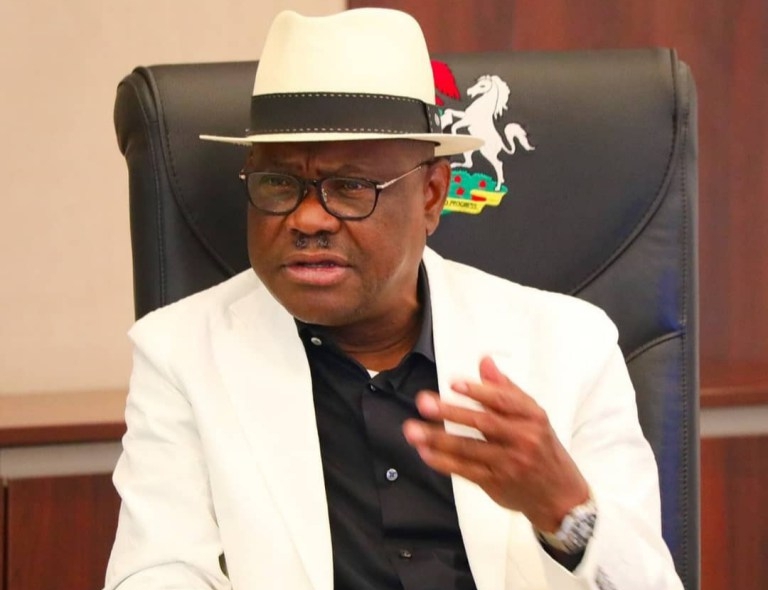
FCT Minister Nyesom Wike has criticized former Labour Party presidential candidate Peter Obi, saying he’ll “continue to contest as President on social media, but not as President of Nigeria.”
Wike’s remarks came during the inauguration of newly constructed roads in Abuja’s Mabushi district, where he responded to Obi’s comments on the poor state of public schools in the FCT.
He accused Obi of playing politics with every issue and seeking sympathy through emotional public appearances.
“You ran as president under a party; you cannot manage the party. Ordinary party, you cannot manage to hold the party together,” Wike said.
Wike questioned Obi’s leadership credentials, citing his alleged inability to manage his party and prioritize development in Anambra State during his eight-year tenure as governor.
Wike highlighted his own achievements in the FCT, saying, “We’ve only been in office for two years, not even four. Compare two years in office of what we’ve done in FCT with eight years in office in Anambra.”
Wike emphasized the importance of good citizenship and responsiveness, narrating how a Senior Advocate drew his attention to a poorly maintained road, which he promptly addressed.
United States President Donald Trump has revealed that Indian Prime Minister Narendra Modi has agreed to stop purchasing oil from Russia, signaling a potential shift in global energy relations.
Trump made the announcement on Wednesday while speaking with reporters at the White House.
He said Modi assured him that India would end its Russian oil imports “within a short period of time,” calling the move “a big stop.”
The decision comes as Washington intensifies pressure on Moscow to end its war in Ukraine.
The U.S. has been urging major energy buyers to isolate Russia economically by cutting off its oil and gas revenues.
However, India has long relied on discounted Russian crude to stabilize domestic fuel prices.
New Delhi previously resisted Western pressure to halt such purchases, citing national energy security.
Reacting to Trump’s comments, an Indian government spokesperson said discussions with the U.S. were “ongoing.”
The official added that Washington had shown “interest in deepening energy co-operation with India.”
“Our consistent priority is to safeguard the interests of Indian consumers in a volatile energy market,” the spokesperson said.
“Our import policies are guided entirely by this objective.”
Russia currently counts India, China, and Turkey among its largest oil and gas customers.
Cutting off one of these markets would significantly impact Moscow’s revenue streams, especially amid tightening sanctions.
Trump, addressing reporters in the Oval Office, said, “Now I’ve got to get China to do the same thing,” referring to his broader push to reduce global dependence on Russian energy.
A Chinese foreign ministry spokesperson, however, maintained that Beijing would continue its “normal, legitimate economic and energy cooperation” with all countries, including Russia.
The Kremlin reacted sharply to the announcement, saying it could still supply quality oil at cheaper rates to willing buyers.
It warned that attempts to block countries from purchasing Russian crude violated “the principles of free trade.”
The Trump administration has also asked Japan to stop importing Russian oil and gas. U.S. Treasury Secretary Scott Bessent said he conveyed this expectation to Japan’s Finance Minister, Katsunobu Kato, during their meeting on Wednesday.
While acknowledging that India cannot “immediately” halt oil imports from Russia, Trump said the process “is going to be over with soon.”
Washington has already imposed 50% tariffs on Indian goods among the world’s highest as part of its effort to punish New Delhi’s ongoing trade with Moscow.
The tariffs, introduced in August, also include a 25% penalty on transactions linked to Russia’s war in Ukraine.
Meanwhile, Russian President Vladimir Putin responded at an energy forum in Moscow, insisting that Russia remains one of the world’s leading oil producers despite what he described as “unfair” restrictions.
“Russia maintains its position as a top oil producer despite the use of unfair competition mechanisms against us,” Putin said.
The development marks a new chapter in U.S.-India relations as both nations navigate competing interests in global energy security and diplomatic alignment.
Israel and Hamas reach ceasefire-hostage deal in Palestine
Israel and Hamas have exchanged accusations over violations of the U.S.-brokered ceasefire agreement as tensions rise in Gaza.
On Thursday, Israel said it was preparing to reopen the Rafah crossing with Egypt to allow Palestinians to move in and out of Gaza, but no reopening date was announced.
The dispute over the return of bodies of hostages held by Hamas continues to threaten the fragile truce.
Israel has demanded that Hamas hand over the bodies of 28 hostages killed during the conflict.
Hamas said it had already returned 10 bodies, but Israeli officials rejected one, saying it was not that of a hostage.
“We will not compromise on this, and we will spare no effort until our fallen hostages return every last one of them,” an Israeli government spokesperson said on Wednesday.
Hamas, however, said the process of retrieving more bodies required heavy machinery and excavators, which Israel has not permitted into Gaza due to the blockade.
The armed group accused Israel of breaking the ceasefire agreement by killing at least 24 Palestinians in shootings since Friday.
A senior Hamas official claimed that a list of such violations had been submitted to mediators.
“The occupying state is working day and night to undermine the agreement through its violations on the ground,” the official alleged.
The Israeli military did not immediately respond to the claims.
Officials have previously said some Palestinians ignored warnings not to approach ceasefire zones, prompting troops to “open fire to remove the threat.”
According to Israel, the next phase of the U.S.-mediated 20-point peace plan engineered by President Donald Trump’s administration requires Hamas to surrender its weapons and relinquish control of Gaza.
Hamas has refused, instead tightening its grip on areas vacated by Israeli troops through armed crackdowns and public executions.
Earlier this week, 20 surviving hostages were freed in exchange for thousands of Palestinian detainees held in Israel.
The Gaza Health Ministry said Israel has also released 30 more bodies of Palestinians killed in the war, bringing the total number received since Monday to 120.
The broader peace plan also calls for creating an international stabilization force for Gaza and exploring a path toward a Palestinian state proposals that Israel continues to reject.
Palestinian Prime Minister Mohammad Mustafa said the Western-backed Palestinian Authority (PA) would work with international organizations to manage Gaza’s security, financial, and governance needs.
He added that a planned reconstruction conference in Egypt would clarify how donor funds will be organized, distributed, and monitored.
Hamas seized control of Gaza from the Palestinian Authority in 2007 after a brief civil conflict.
Despite years of mediation, both sides remain sharply divided over the territory’s future governance.
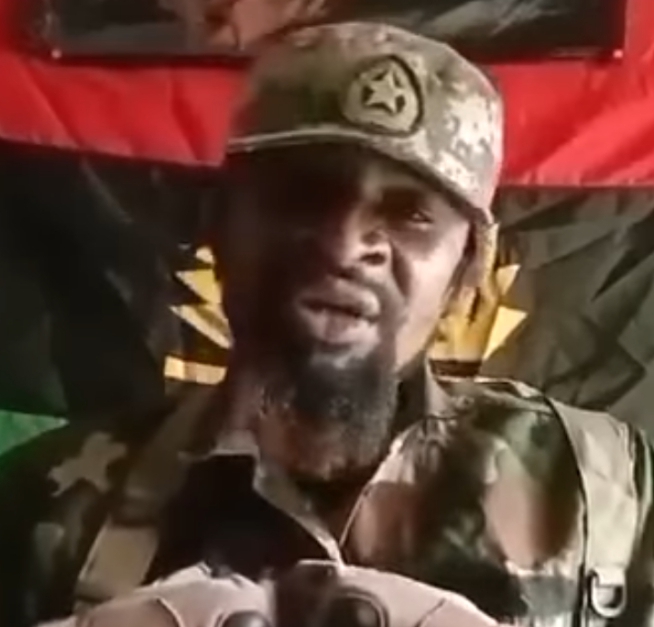
The Nigerian army has officially announced the capture of Gentle De Yahoo, an Eastern Security Network (ESN) terrorist accused of slaughtering hundreds of innocent civilian in the South-East region.
Eastern Security Network is the militia wing of the Indigenous People Of Biafra (IPOB).
He was arrested by troops of operation Udoka alongside eight other criminals in Owerri West, Mbaitoli and Izzi in Imo and Ebonyi States
The director defence media operations, Major General Markus Kangye announced this at the biweekly defence media briefing in Abuja.
Major General Kangye also highlighted other successes recorded in operations across the country.
He assured Nigerians of the Armed Forces commitment to securing Nigeria’s territorial integrity.
African Democratic Congress (ADC) has said it is not bothered about the defections of the Governors of Enugu and Bayelsa states, Peter Mbah and Duoye Diri, to the ruling All Progressives Congress (APC).
According to ADC National Publicity Secretary Mallam Bolaji Abdullahi, the party isn’t bothered by the defections, which it believes confirm Nigeria’s slide towards a one-party state.
Abdullahi stated that 2027 will be a contest between Nigerians and the governors who “deserted them politically,” rather than a traditional party-versus-party battle.
The ADC accused the defecting governors of abandoning their citizens for personal gain and convenience, rather than standing by their principles.
Abdullahi urged opposition governors to boldly lead citizens out of “national despair” by delivering fresh ideas and solutions.
“Their decision to defect is a betrayal, joining those they once opposed, leaving citizens in disbelief.
“They abandoned citizens not for principle or progress, but for selfish gain and convenience.
“As the ruling party celebrates these defections, ADC and opposition coalition celebrate a clearer divide between patriots seeking change and opportunists,” he said.
The Peoples Democratic Party (PDP) has appointed Senator Ben Ndi Obi as the new Secretary of its National Convention Organising Committee (NCOC).
The appointment was announced in a statement issued on Wednesday in Abuja by Debo Ologunagba, the PDP’s National Publicity Secretary and Secretary of the Publicity and Communication Sub-committee of the NCOC.
This appointment follows the defection of Governor Peter Mbah of Enugu State to the All Progressives Congress (APC), who previously held the position.
Senator Ben Obi replaces Governor Mbah as Secretary of the NCOC, tasked with ensuring the success of the 2025 elective national convention.
The convention is scheduled to take place on November 15-16, 2025, in Ibadan, Oyo State capital.
PDP’s National Publicity Secretary, Debo Ologunagba, urged party leaders, stakeholders, and members to remain united and focused on the convention’s success.
The committee is chaired by Governor Ahmadu Fintiri of Adamawa State, whose efforts were commended by the PDP’s National Working Committee.