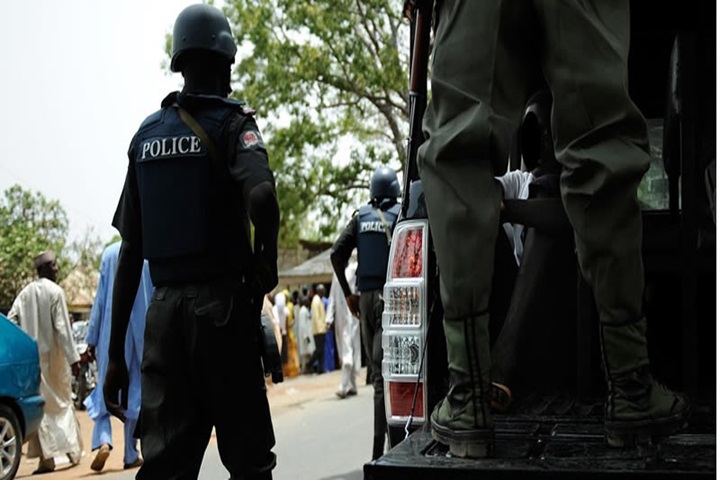
A police inspector, Victor Okus, has been arrested for shooting two colleagues in Port Harcourt, Rivers State, leaving one officer dead and another injured.
The incident occurred on January 18, 2026, at Next Cash and Carry Supermart, Trans-Amadi, where the officers were on joint guard duty with military personnel.
The police image maker in Rivers State, Grace Iringe-Koko, who confirmed the development described it as sad.
Iringe-Koko noted that the incident happened on Sunday, adding that one of the officers died on the spot while the other was hospitalised.
She said: “The Rivers State Police Command is deeply saddened to report a tragic and distressing incident that occurred on January 18, 2026, resulting in the loss of a dedicated Police Officer, Inspector Ibrahim Sani.
“The suspect, Inspector Okus, a colleague and fellow officer attached to 17 PMF, but on special duty at Intels, Onne, has been arrested and is currently in Police custody.
“According to the Unit Commander (U/C) 14 PMF, Turaki Hassan’s accounts and preliminary investigations, the tragic incident occurred about 1320hrs at Next Cash and Carry Supermart, Trans-Amadi, Port Harcourt, where Inspector Sani ‘m’ and Inspector Daniel Dauda ‘m’ all attached to 14 PMF, Yola, were on joint guard duty with military personnel.
“Inspector Okus allegedly shot his colleagues on the head and neck regions. The injured officers were promptly rushed to Nopsam Hospital for Medical treatment, where Inspector Sani succumbed to his injuries, while Inspector Dauda is still receiving medical treatment. The corpse has been deposited at the Military Hospital Mortuary, Port-Harcourt for preservation and autopsy.”
The Rivers State Police Command has ordered a comprehensive investigation, and Okus will face an Orderly Room Trial before being charged to court.
Commissioner of Police, Olugbenga Adepoju, emphasized the importance of handling firearms responsibly and extended condolences to the victim’s family.
Popular Nigerian internet personality Peller has sparked widespread conversation online after reacting in disbelief to information about the earnings and benefits of a United States soldier.
In a viral moment that quickly spread across social media, Peller was visibly stunned after learning that a U.S. soldier can earn about $4,000 monthly, and that in the tragic event of death in the line of duty, the soldier’s family is entitled to up to $500,000 in compensation.
His reaction a mix of shock, curiosity and disbelief resonated with many Nigerians, especially young people who compared the figures to wages and welfare structures in Nigeria and other developing countries.
According to Peller, the revelation highlighted how much value some countries place on those who risk their lives in service to their nation. He openly questioned why such structured support systems are not common in many parts of the world, where security personnel often face dangerous conditions with limited financial protection for themselves or their families.
The conversation quickly moved beyond just numbers. Social media users began discussing the broader welfare system of the U.S. military, which includes housing allowances, healthcare, education benefits, and long-term support for families of fallen soldiers. Many noted that while military service comes with significant risk, the compensation and benefits are designed to provide a sense of security for both the soldier and their loved ones.
Peller’s reaction also reignited debates around brain drain, with some users pointing out why many young people aspire to relocate abroad in search of better pay, structure, and social protection. Others cautioned that military service anywhere in the world carries immense physical and emotional risks, and that no amount of money can truly compensate for a lost life.
Still, for many viewers, the most striking part of the discussion was the contrast a reminder of how differently nations prioritize the welfare of their service members.
What started as a moment of shock from Peller has now turned into a broader conversation about governance, national priorities, and the value placed on human life in public service a topic that continues to trend across digital platforms.
TikTok content creator Eddie Bliss has regained her freedom following days of public controversy, online outrage and intense debate, after Nollywood actress Mercy Johnson Okojie officially withdrew all charges against her.
In a heartfelt appreciation video shared shortly after her release, Eddie Bliss publicly thanked popular social media activist and critic VeryDarkMan for standing by her during the difficult period. According to her, his support went beyond online advocacy.
“VeryDarkMan came through for me. He was the one that signed my bail papers,” she said, expressing deep gratitude and relief.
The issue began after Eddie Bliss made allegations online involving Mercy Johnson and her husband, which quickly escalated into a legal matter. Her arrest sparked widespread reactions across social media, with many Nigerians questioning why a defamation-related issue was treated as a criminal case rather than a civil dispute.
As the backlash grew, VeryDarkMan stepped in, openly criticizing the arrest and calling for fairness. He urged that the matter be handled appropriately and publicly appealed to Mercy Johnson to drop the charges. His intervention drew massive attention to the case, fueling conversations about freedom of speech, social media influence and the treatment of content creators in Nigeria.
Shortly after the online pressure intensified, Mercy Johnson announced that she had withdrawn the charges. While confirming her decision, the actress also warned bloggers and social media users against spreading unverified stories, noting that false narratives had negatively affected her family, including her children.
Eddie Bliss’ release was met with celebration by her supporters, many of whom praised VeryDarkMan for using his platform to speak up. The incident has since reignited national discussions about the power of social media, accountability, and the fine line between free expression and defamation.
For Eddie Bliss, the chapter closes with freedom regained and gratitude expressed a reminder that in today’s digital age, public voices and solidarity can influence real-life outcomes.
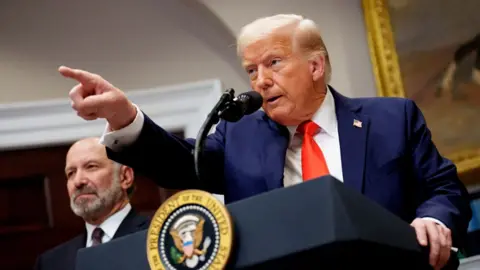
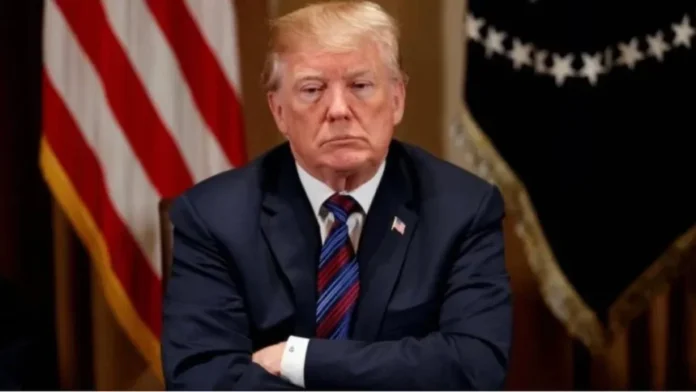
European leaders have strongly criticised US President Donald Trump’s threat to impose punitive tariffs on allied countries over their opposition to his bid to take control of Greenland, warning that the move risks damaging transatlantic relations and destabilising the NATO alliance.
In a joint statement issued on Sunday, Britain, Denmark, Finland, France, Germany, the Netherlands, Norway and Sweden said Trump’s tariff threats “undermine transatlantic relations and risk a dangerous downward spiral.”
The statement followed Trump’s declaration that he would impose tariffs of up to 25 percent on goods from the countries unless Greenland, an autonomous territory of Denmark, is ceded to the United States.
Trump announced that a 10 percent tariff would take effect from February 1, rising to 25 percent from June 1, and would remain in place “until such time as a deal is reached for the complete and total purchase of Greenland,” according to a post on his Truth Social platform.
Denmark’s Foreign Minister, Lars Løkke Rasmussen, said the ultimatum threatened the international order and the future of NATO, describing the situation as a challenge to “the world order as we know it.”
NATO Secretary General Mark Rutte confirmed that he had spoken with Trump about security issues in Greenland and the wider Arctic region, adding that further discussions were expected at the Davos summit later this week.
The European Council said it would convene an emergency summit of EU leaders in the coming days, following consultations among EU ambassadors in Brussels.
The tariff threat has also raised questions about the future of a trade deal reached last July under which most EU exports to the United States were to face a 15 percent levy.
German Foreign Minister Johann Wadephul said it was unclear whether that agreement could survive the current standoff.
In France, aides to President Emmanuel Macron said the European Union could consider activating its “anti-coercion instrument” a measure never previously used if Washington proceeds with the additional tariffs.
The mechanism allows the EU to restrict imports of goods and services in response to economic pressure from third countries.
Trump has repeatedly expressed his desire to bring Greenland under US control since returning to office for a second term, arguing that it is vital to American national security.
He and senior officials have claimed Denmark would be unable to defend the Arctic territory in the event of aggression from Russia or China.
Denmark and several European NATO allies have rejected that assertion and recently deployed small numbers of troops to Greenland for joint military exercises, to which the United States was invited.
Public opposition to Trump’s proposal has also been visible in Greenland and Denmark, where thousands of people took part in protests over the weekend.
Some demonstrators wore caps bearing slogans such as “Make America Go Away,” in a pointed response to Trump’s campaign rhetoric.
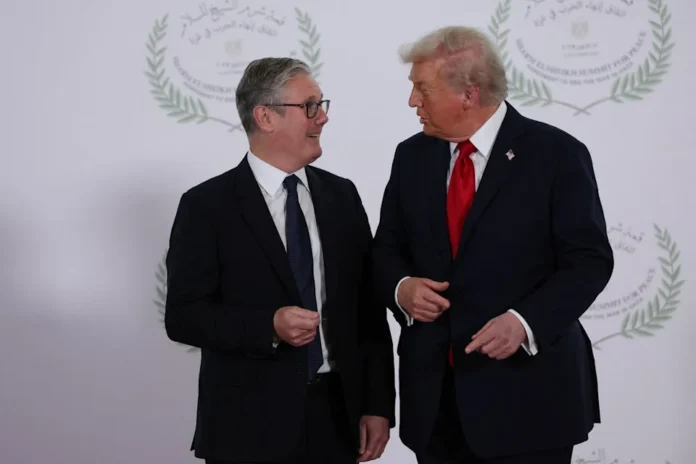
European leaders across the political spectrum have condemned the tariff threat. British Prime Minister Keir Starmer called it “completely wrong” and said he intended to raise the issue directly with Trump.
Dutch Foreign Minister David van Weel described the move as “inexplicable” and likened it to economic “blackmail.” Even Italian Prime Minister Giorgia Meloni, considered one of Trump’s closest allies in Europe, warned that imposing new sanctions would be a mistake and said she had conveyed her concerns to the US president in a phone call.
France’s Agriculture Minister Annie Genevard cautioned that an escalation of tariffs would also harm the United States, including American farmers and manufacturers.
Norway, which is also targeted by the proposed tariffs but is not an EU member, said it was not currently considering retaliatory measures.
The dispute has heightened fears of a broader trade conflict between the United States and its European allies, adding to tensions within NATO at a time of growing geopolitical uncertainty.
United States President Donald Trump has linked his renewed push to acquire Greenland to what he described as Norway’s failure to award him the Nobel Peace Prize, according to messages exchanged with Norwegian Prime Minister Jonas Gahr Støre.
In a message first reported by PBS and later confirmed by an official in the Norwegian prime minister’s office, Trump said he no longer felt bound to think “purely of peace” after the Norwegian Nobel Committee declined to award him the Nobel Peace Prize.
“Considering your country decided not to give me the Nobel Peace Prize for having stopped eight wars plus, I no longer feel an obligation to think purely of peace, although it will always be predominant, but can now think about what is good and proper for the United States of America,” Trump wrote.
Prime Minister Støre said the message was sent in response to a text he and Finnish President Alexander Stubb had earlier sent to Trump, conveying their opposition to his proposed tariff increases against Norway, Finland and several other European countries.
In a statement, Støre said he had clearly explained to Trump that the Nobel Peace Prize is awarded by an independent committee and not by the Norwegian government.
Trump’s remarks come amid escalating tensions between the United States and several European allies over his proposal to acquire Greenland, an autonomous territory of Denmark, which is also a member of NATO.
Earlier this month, Trump threatened to impose an additional 10 percent tariff on goods from a number of European countries beginning February 1, citing their opposition to his Greenland plan.
In his message to Støre, Trump questioned Denmark’s claim to Greenland and argued that the territory was vital to U.S. national and global security.
“Denmark cannot protect that land from Russia or China, and why do they have a ‘right of ownership’ anyway? There are no written documents; it’s only that a boat landed there hundreds of years ago, but we had boats landing there also,” he wrote.
Trump also framed his position within the context of NATO, saying the alliance should reciprocate what he described as his contributions to its strength.
“I have done more for NATO than any other person since its founding, and now NATO should do something for the United States. The world is not secure unless we have complete and total control of Greenland,” he said.
The comments have further unsettled NATO allies, as the alliance built on the principle of collective defense grapples with the prospect of heightened tensions between member states.
While the United States has long been a cornerstone of Euro-Atlantic security and has spent more on defense than any other NATO country, European allies have also contributed significantly to U.S.-led military operations. Denmark, for example, lost 43 soldiers during the NATO mission in Afghanistan following the 2001 invasion.
Trump has repeatedly expressed frustration over not receiving the Nobel Peace Prize, which he has long said he deserves for his foreign policy efforts, including conflict mediation.
The Kaduna State Government and the police have rejected claims by the Christian Association of Nigeria (CAN) that more than 160 church members were abducted by armed bandits in Kajuru Local Government Area of the state.
The denial follows reports credited to CAN officials that about 163 worshippers were kidnapped during a church service in the area on Sunday.
CAN’s chairperson in Kajuru LGA, Enoch Kaura, had earlier told PREMIUM TIMES in a telephone interview on Monday that armed bandits stormed a church during a service and abducted a large number of worshippers.
According to Mr Kaura, the attackers arrived in large numbers, blocked the entrance of the church and forced members of the congregation into the surrounding bush.
“It has been confirmed that 172 people were abducted, including men, women and children. Nine of them escaped shortly after, leaving 163 still in captivity,” he said.
However, the Kaduna State Government and security agencies have disputed the account, insisting that investigations and security assessments carried out in the area did not support claims of a mass abduction.
Addressing journalists after a meeting of the State Security Council at Sir Kashim Ibrahim House on Monday, the Commissioner of Police in Kaduna State, Muhammad Rabiu, described the reported incident as false.
Mr Rabiu said the report was being circulated by what he described as “conflict entrepreneurs” seeking to create panic and destabilise the state.
He challenged CAN and anyone making the allegation to provide the names and details of the alleged victims, warning that those spreading false information would face the full weight of the law.
Similarly, the Chairman of Kajuru Local Government Area, Dauda Madaki, denied that any church members were abducted in the council area.
Mr Madaki said that following reports of the alleged attack, security operatives were immediately mobilised to Kurmin Wali, the community where the incident was said to have occurred.
“We went to the church where the so-called kidnapping took place and found no evidence of any attack,” he said.
He added that inquiries made from the village head, Mai Dan Zaria, and the youth leader of the area, Bernard Bona, also confirmed that no such incident occurred.
“I challenge anyone to name the people that were kidnapped. Up till now, no list has been provided,” the council chairman said, suggesting that the rumour was being sponsored by individuals unhappy with the relative peace being enjoyed in Kajuru.
The Commissioner of Internal Security and Home Affairs, Sule Shuaibu (SAN), also dismissed the report, saying state CAN leaders and other religious figures had visited the area and confirmed that the information circulated was untrue.
Despite the official denials, Mr Kaura insisted in a follow-up interview that the abduction took place, adding that the church was compiling a list of the affected members to present to authorities and the public.
The conflicting accounts have heightened tension and uncertainty, as residents await further clarification from security agencies and community leaders
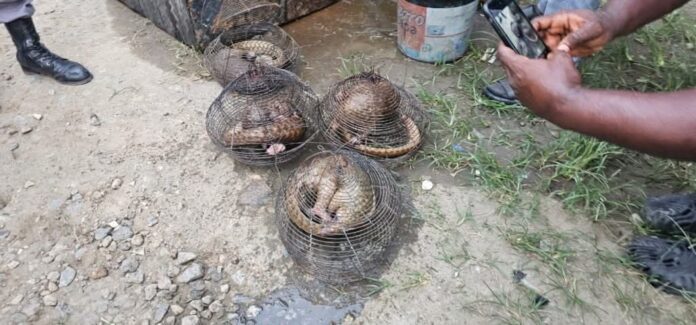
(DDM) – Nigeria Customs has intercepted four live pangolins in Ogun State, highlighting ongoing efforts to curb illegal wildlife trafficking in the country.
The seizure took place at a routine customs checkpoint, where officers detected the endangered animals being transported clandestinely.
Officials confirmed that the four pangolins were alive and in poor but recoverable condition, stressing the urgency of enforcing wildlife protection laws.
The intercepted shipment underscores the growing threat posed by the illegal pangolin trade, which is driven by high international demand for their scales and meat.
Customs authorities acted swiftly to secure the animals, notifying the appropriate wildlife and environmental agencies to ensure their safe handling and rehabilitation.
The Nigeria Customs Service emphasized that this operation aligns with its broader mandate to enforce the Convention on International Trade in Endangered Species of Wild Fauna and Flora (CITES) law.
The CITES agreement protects vulnerable species, including pangolins, by regulating cross-border trade and imposing strict penalties for violations.
According to officials, pangolins are among the most trafficked mammals in the world, often targeted for traditional medicine markets and exotic consumption abroad.
The Ogun interception marks a significant victory in Nigeria’s ongoing battle against wildlife crime, demonstrating that authorities are increasingly vigilant and capable of detecting illicit activities.
Experts welcomed the operation but warned that it represents only a fraction of the trafficking challenges facing the country, as smugglers continuously adapt to evade detection.
Environmental groups lauded the customs officials, noting that protecting species like pangolins is critical for biodiversity preservation and ecological balance.
They also called for harsher penalties and stricter monitoring of borders to deter wildlife criminals from exploiting Nigeria’s natural resources.
The Customs Service further announced plans to intensify inspections at ports, checkpoints, and transit routes across the country to prevent similar incidents.
Authorities also stressed public awareness campaigns to educate citizens on the legal and ecological consequences of engaging in wildlife trafficking.
The four pangolins will be transferred to a government-approved wildlife sanctuary, where veterinarians will provide medical attention and monitor their recovery before potential release into their natural habitat.
This interception sends a clear message to smugglers: Nigeria is committed to enforcing environmental laws and protecting endangered species from illegal exploitation.
Nigeria Customs vowed to maintain its vigilance, reinforcing that wildlife crime is a serious offense with international ramifications, capable of attracting global sanctions.
The operation has sparked renewed debate about Nigeria’s wildlife protection framework, highlighting the need for more resources, training, and inter-agency coordination to combat sophisticated trafficking networks.
With international partners closely monitoring such efforts, Nigeria’s successful interception demonstrates both accountability and proactive enforcement in the fight against wildlife crime.
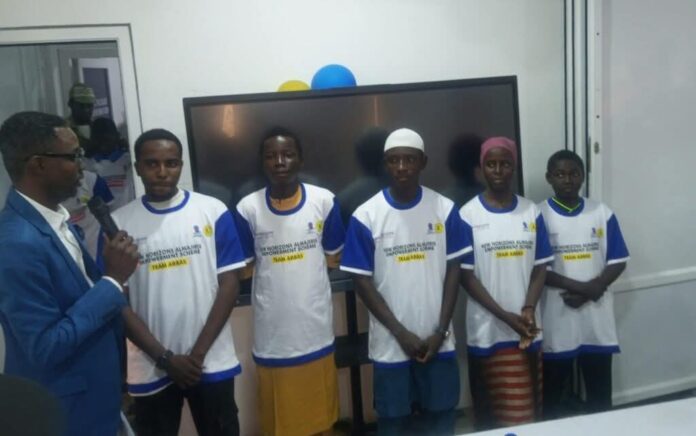
(DDM) – A Nigerian non-governmental organization has launched a groundbreaking initiative aimed at empowering Almajiri children through technology and practical skills training.
The program, dubbed “Almajiri-to-Tech,” involves an investment of N50 million and focuses on equipping participants with hands-on experience in technology, electronics repair, and digital literacy.
The NGO explained that the initiative targets Almajiri youths, who are traditionally underserved in formal education systems and often lack opportunities for economic empowerment.
According to project coordinators, the program combines classroom instruction with practical workshops, giving participants the chance to repair gadgets, learn basic programming, and develop entrepreneurial skills.
“The aim is to transform the Almajiri experience from street-based survival to structured skill acquisition that can secure long-term livelihoods,” said the NGO’s Executive Director.
Organizers emphasized that the program also seeks to address social inclusion, aiming to integrate Almajiri children into mainstream economic and educational activities.
By providing marketable skills, the initiative intends to reduce the vulnerability of Almajiri youths to exploitation, begging, and social marginalization.
Community leaders in participating states have welcomed the program, noting that it could redefine perceptions of the Almajiri system while promoting innovation and youth empowerment.
The NGO has also partnered with technology firms and vocational institutions to ensure participants gain access to contemporary tools, mentorship, and certification upon completion.
Officials disclosed that the first cohort would include over 500 participants, selected from Kano, Kaduna, and Sokoto states, with plans to scale the program nationwide over the next two years.
Critics, however, have questioned whether technology-focused training alone can address deeper structural challenges affecting the Almajiri system, such as poverty, inadequate schooling, and cultural barriers.
Some observers argue that while skill acquisition is vital, broader reforms are needed to guarantee meaningful integration of Almajiri youths into society.
Supporters counter that initiatives like “Almajiri-to-Tech” provide a practical starting point, creating immediate opportunities and instilling confidence in young participants.
The NGO also highlighted plans to track graduates, offer microfinance opportunities, and facilitate small business creation for those completing the program.
This approach, they said, ensures that technical skills translate into real economic gains, rather than remaining purely academic.
Through the “Almajiri-to-Tech” initiative, the NGO hopes to demonstrate that strategic interventions can break cycles of poverty, empower marginalized youths, and foster social transformation in northern Nigeria.
The program is already drawing attention from policymakers, philanthropists, and educational stakeholders, all looking to support scalable solutions for Almajiri reform.
As Nigeria seeks innovative strategies to empower its youth population, the N50 million initiative signals a bold step in blending traditional social support with modern technological education.
(DDM) – Kenneth Gbandi has described Diaspora City Estate as a premium, master-planned real estate development specifically created to serve Nigerians in the Diaspora seeking secure, high-yield, and stress-free property investment opportunities.
Gbandi made this disclosure during an interview with Diaspora Digital Media (DDM) on Monday in Asaba, where he explained that the estate goes beyond conventional land ownership to offer long-term value and future security.
He stated that Diaspora City Estate provides a future-proof asset suitable for both personal residential development and strategic investment purposes, particularly for Nigerians abroad who want confidence in their property back home.
According to Gbandi, the project directly addresses long-standing challenges faced by Diaspora investors, including land disputes, fake documents, and lack of transparency.
He explained that the estate stands on a solid legal foundation and is fully backed by a genuine Certificate of Occupancy, giving investors complete assurance and protection under Nigerian property laws.
Gbandi emphasized that legal security remains the cornerstone of the project, noting that the availability of a valid C of O removes uncertainty and builds trust.
He further highlighted the strategic location of Diaspora City Estate, describing it as one of its strongest investment advantages.
Gbandi disclosed that the estate sits close to major developments, including Cubana Millennium City, a fast-growing residential and commercial hub within the Asaba axis.
He added that the estate lies within a 10 to 15-minute drive from Asaba International Airport and the Niger Bridge, ensuring excellent accessibility and positioning it within a high-growth corridor.
According to him, proximity to critical infrastructure significantly enhances the estate’s potential for rapid appreciation and long-term demand.
Gbandi compared Diaspora City Estate with neighbouring developments, stressing its exceptional value proposition.
He stated that comparable estates within the same corridor currently sell plots for between ₦50 million and ₦80 million.
He revealed that Diaspora City Estate offers premium plots at just under ₦15 million per plot, making it one of the most affordable premium investment options in the area.
Gbandi explained that the pricing strategy deliberately creates an early-entry advantage for investors while guaranteeing strong future returns.
He noted that increasing Diaspora interest in credible, professionally managed estates continues to drive demand for projects like Diaspora City Estate.
Gbandi urged interested Nigerians at home and abroad to act swiftly, warning that opportunities with secure documentation, strategic location, and such pricing rarely remain available for long.
He described Diaspora City Estate as an investment built on confidence, transparency, and long-term vision.
He encouraged prospective investors to take advantage of the ongoing seasonal promotion and contact the project team directly for enquiries and reservations.
Interested investors can reach Diaspora City Estate through the following official contact numbers: +234 811 282 8632, +49 170 9878 495, and +39 351 055 9541.
Gbandi concluded by stating that Diaspora City Estate offers Nigerians the opportunity to own with confidence and invest with vision, positioning the project as a defining development for the next generation of Diaspora investments.
👇👇👇
Become a Tech Pro! DDM Cohort 7 training starts on January 26th 2025, Secure your Spot Now! Join the registration group below:
The Director-General of the National Oil Authority (NOA) has strongly condemned the dangerous practice of fuel scooping from fallen or damaged petroleum tankers across Nigeria.
Speaking on Monday, the NOA DG described the act as extremely risky, posing serious threats to both life and property.
He highlighted that recent incidents involving fuel theft from tanker accidents have resulted in multiple casualties, property destruction, and environmental damage.
According to the DG, the sheer volume of fuel spilled at accident sites, combined with the lack of safety measures by individuals collecting it, has made these events highly volatile and unpredictable.
He urged the National Assembly to urgently consider legislating strict laws criminalising fuel scooping, warning that current penalties are insufficient to deter offenders.
The DG also called on security agencies to increase vigilance around accident sites, emphasizing that proactive monitoring could prevent further loss of lives and property.
He stressed that community awareness campaigns are crucial to educate citizens about the extreme dangers associated with handling flammable petroleum products at accident scenes.
“In addition to legal frameworks, public sensitisation is critical to ensure Nigerians understand the life-threatening risks fuel scooping presents,” he said.
The NOA leader cited past tragedies where untrained individuals attempting to collect spilled fuel suffered fatal burns and explosions.
He also noted the economic implications, explaining that stolen or mishandled petroleum products undermine national revenue and disrupt supply chains.
The DG appealed to local leaders and community influencers to cooperate with security agencies in discouraging fuel scooping and reporting violations promptly.
Environmental experts have warned that fuel leaks from tankers contaminate soil and waterways, causing long-term ecological damage that affects agriculture, fishing, and public health.
The NOA’s call comes amid growing concern over the frequency of tanker accidents, with some communities treating spills as opportunities for illicit gain rather than recognising them as hazards.
The DG concluded that the government must take decisive action, combining legal penalties, enforcement, and education, to curb the deadly practice and protect Nigerian lives.
Fuel scooping, he said, is “not just an economic crime but a public safety disaster waiting to happen.”
If the National Assembly heeds the NOA’s warning and criminalises the act, it could significantly reduce the number of injuries and fatalities associated with tanker accidents nationwide.
Until then, authorities continue to monitor vulnerable areas, emphasising vigilance and rapid response as the first line of defence against fuel-related tragedies.
(DDM) – The ongoing strike by Federal Capital Territory Administration (FCTA) workers intensified on Monday as the Joint Union of Administrative Cadres (JUAC) firmly rejected management’s assertions that most of the workers’ demands had already been addressed.
The union described the management’s statements as misleading and accused officials of downplaying the legitimate grievances of the workforce.
JUAC maintained that several critical issues, including salary arrears, promotion delays, and welfare benefits, remain unresolved despite repeated negotiations.
The strike, now entering its second week, has disrupted administrative operations across FCTA ministries and departments, causing delays in service delivery to the public.
Union leaders emphasized that the industrial action was not intended to undermine governance but to compel authorities to honor agreements made during earlier negotiation rounds.
Speaking during a press briefing, JUAC spokesperson, Mr. Idris Musa, highlighted that workers had exhausted internal channels for dialogue before resorting to the strike.
He stated, “Management claims that we have achieved our objectives are completely false. Our members remain dissatisfied, and we will not suspend our industrial action until all demands are met.”
The union specifically criticized claims suggesting that back-pay for certain cadres had been processed, clarifying that only partial payments, affecting a limited number of employees, had been made.
JUAC reiterated that full payment of all arrears and implementation of welfare improvements were non-negotiable conditions for ending the strike.
Meanwhile, the FCTA management has urged workers to resume duties, insisting that most of their demands had been addressed and that ongoing dialogue would continue to resolve remaining issues.
Public observers noted that prolonged work stoppages could escalate tensions and hamper essential services in the capital city, especially in sectors such as health, urban planning, and public administration.
The union, however, remains steadfast, warning that any attempt to force employees back to work without resolving pending grievances could provoke further industrial unrest.
Economic analysts have pointed out that the strike could negatively affect productivity and delay government projects, potentially eroding public confidence in the administration’s capacity to manage labor relations.
JUAC’s decision to reject management’s claims has drawn national attention, highlighting broader challenges of public sector wage negotiations in Nigeria.
The strike serves as a reminder that workers’ rights, transparent negotiations, and fulfillment of agreements are central to sustaining effective governance and labor harmony.
For now, the capital remains in a state of administrative limbo as the union holds firm, vowing to continue the industrial action until its demands are fully met.
If you want, I can also create a shorter, viral version for social media headlines that still captures the controversy of the FCTA strike. Do you want me to do that next?
(DDM) – Former U.S. President Donald Trump has launched an international initiative called the Board of Peace.
The organisation aims to resolve conflicts, restore governance, and promote stability in war-torn regions, beginning with post-war Gaza.
The announcement came in January 2026, following endorsement by the United Nations Security Council in late 2025.
Trump will serve as the Board’s inaugural chairman, granting him authority over membership selection, policies, and strategic priorities.
The Board’s charter introduces three-year renewable terms for member states.
It also includes a controversial “permanent membership” clause.
Countries contributing at least USD $1 billion in cash within the first year automatically gain permanent membership.
This permanent membership exempts them from term limits.
Critics argue that the clause risks turning global peace efforts into a “pay-to-play” system.
They warn that wealthy nations could dominate the organisation at the expense of equitable cooperation.
The Board’s stated mission is to “promote stability, restore dependable governance, and secure lasting peace in conflict-affected areas.”
Trump and his supporters frame it as a faster, results-oriented alternative to traditional international organisations.
They claim that established institutions have “too often failed” in conflict resolution.
The Board will operate through a main assembly of invited heads of state.
An executive committee will handle strategic and operational decisions.
Reports indicate that former U.S. Secretary of State Marco Rubio and former British Prime Minister Tony Blair are executive members.
Jared Kushner and U.S. Special Envoy Steve Witkoff also hold positions on the executive committee.
Invitations have been extended to Argentina, Australia, and Brazil.
Some major allies have expressed reservations about the high financial threshold for permanent membership.
Observers warn the Board could expand its mandate beyond Gaza.
This expansion could create overlap with established institutions such as the U.N. Security Council.
Supporters argue the Board offers opportunities for faster diplomacy and post-conflict reconstruction.
They believe it can address regions where traditional systems have faltered.
However, Trump’s dominant role as chairman has sparked global debate.
Diplomats question whether the initiative prioritises inclusive diplomacy or U.S. strategic interests.
The steep financial requirement for permanent membership also fuels concerns about fairness and equity.
The Board of Peace represents an ambitious experiment in international governance.
Its reception by global leaders will determine its effectiveness.
The world watches to see whether it will deliver tangible peace outcomes.
Critics remain cautious about its structure, funding, and Trump’s influence.
The initiative could either strengthen international conflict resolution or deepen divisions among nations.
The African Democratic Congress (ADC) in Enugu North has received a major boost following the defection of several influential Labour Party leaders in the Nsukka zone.
Hon. Prince Kingsley Acharabagu, ADC Zonal Chairman, officially welcomed the leaders during a press conference held at the party’s newly unveiled office in Nsukka on Monday.
The defecting leaders, hailing from multiple local government areas, formally decamped from the Labour Party and chose to identify with ADC.
Acharabagu stated that their decision underscores a growing confidence in ADC’s vision, leadership, and commitment to progress across Enugu North.
He described the movement as a testament to ADC’s inclusivity, transparency, and active grassroots participation, which have become hallmarks of the party’s approach.
The Zonal Chairman revealed that ward registers have been distributed to all wards across the zone, urging prospective members to visit their local offices, complete the registration process, and officially join the party.
Acharabagu also issued a stern warning to individuals attempting to take positions within ADC without formal membership.
He stressed that ADC will not tolerate opportunistic actions by politicians who remain in other parties while trying to claim roles in the party.
“Joining officially is mandatory for anyone who wishes to participate in ADC,” he emphasized, affirming that the party’s doors remain open for committed and sincere supporters.
The press conference coincided with the inauguration of the ADC Zonal office in Nsukka, which is expected to serve as a central hub for party activities, coordination, and meetings.
Acharabagu thanked the Zonal executives, the State Chairman, and the National leadership for their unwavering support during the recently concluded General Meeting and the office unveiling.
He acknowledged the efforts of party members and supporters who have diligently contributed to strengthening ADC’s presence and influence in Enugu North.
The Chairman reiterated the importance of strict adherence to the directives of the National leadership down to the ward level to maintain unity, discipline, and effective service delivery within the communities.
He encouraged all members and prospective supporters to actively engage in ADC’s programs, uphold the party’s principles, and contribute to building a stronger, more progressive Nigeria.
Acharabagu concluded by affirming that the ongoing efforts and recent defections signal a promising future for ADC in Enugu North, positioning the party as a credible alternative in state politics.
The influx of Labour Party leaders into ADC reflects a shifting political landscape in Enugu North, with voters increasingly recognizing the party’s commitment to grassroots mobilization, effective governance, and transformative leadership.
(DDM) – Delta State has officially commenced the construction of a N59.7 billion flyover at the busy Agbor/Uromi Junction in Ika South Local Government Area.
Governor Sheriff Oborevwori flagged off the project, describing it as a critical intervention to improve road safety, ease traffic congestion, and stimulate economic activities across the region.
The Uromi Junction Flyover is part of Delta State’s ongoing efforts under the MORE Agenda to modernize urban infrastructure, enhance mobility, and support the state’s growing economy.
Officials confirmed that the flyover will reduce travel time for motorists and commuters using the heavily trafficked Agbor–Uromi corridor.
The project is being executed by Julius Berger Nigeria Plc, a leading construction firm with experience in large-scale infrastructure across Nigeria.
Work on the flyover follows the recent groundbreaking of the Otovwodo Junction Flyover project in Ughelli, highlighting the administration’s commitment to strategic road expansion and urban renewal.
Governor Oborevwori emphasized that the flyover will not only improve traffic flow but will also enhance road safety for all users, reducing the risk of accidents on one of the state’s most critical junctions.
The Delta State Executive Council approved the project after assessing the growing transportation challenges in the area and the urgent need for infrastructure that can accommodate increasing commercial activities.
Local residents and traders have welcomed the development, noting that improved road connectivity will boost trade and attract further investments into the region.
Delta State’s transport engineers are actively supervising the construction to ensure that it meets high-quality standards and is delivered within the agreed timeline.
The flyover is part of a broader series of projects, including the near-completion of three major flyovers at PTI Junction, DSC Roundabout, and Enerhen Junction along the Effurun–Warri axis.
Experts believe that such infrastructure developments could transform the state’s transportation network, reduce bottlenecks, and create new economic opportunities for surrounding communities.
Governor Oborevwori reaffirmed the administration’s commitment to implementing the MORE Agenda, which focuses on mobility, economic growth, urban renewal, and improving the quality of life for all Deltans.
The flyover project is expected to generate employment for local laborers, engineers, and artisans, providing both short-term job creation and long-term economic benefits.
State authorities assured residents that the project will proceed without compromising safety, and that traffic management plans are in place to minimize disruption during construction.
Delta State continues to position itself as a hub for infrastructural excellence in Nigeria, leveraging public-private partnerships and strategic planning to modernize critical road networks and stimulate socio-economic development.
Nigeria has taken a decisive step toward deepening its digital transformation and expanding nationwide internet access with the approval of operating permits for Amazon’s low-Earth-orbit (LEO) satellite business, marking a major milestone in the country’s fast-evolving broadband landscape. The development positions Amazon’s Project Kuiper—now operating as Amazon LEO—as a new heavyweight competitor to Starlink, the satellite internet service run by Elon Musk’s SpaceX, and signals Nigeria’s growing openness to global technology investments aimed at closing its connectivity gaps.
DDM NEWS reports that the Nigerian Communications Commission (NCC) has issued commercial satellite licences to three international providers: Amazon LEO, Israel-based NSLComm, and Germany’s Satelio IoT Services. The approvals allow the companies to deploy non-geostationary satellite systems over Nigerian territory beginning in 2026, ushering in a new phase of competition, innovation, and consumer choice in the satellite broadband sector.
According to regulatory filings confirmed by the NCC, Amazon LEO has been granted a seven-year landing permit covering the operation of its planned 3,236-satellite Ka-band constellation between February 2026 and February 2033. Under the terms of the licence, Amazon will be authorised to provide a broad range of services, including fixed broadband internet, mobile satellite connectivity, and communication links for moving platforms such as aircraft, ships, and offshore installations. This wide service scope underscores Amazon’s ambition to play a central role in Nigeria’s connectivity ecosystem.
The entry of Amazon into Nigeria’s satellite broadband market is particularly significant given the rapid rise of Starlink, which has reshaped internet access in many parts of the country within a short period. By the end of the second quarter of 2025, Starlink had amassed more than 66,500 subscribers in Nigeria, making it the country’s second-largest internet service provider by subscriber base, despite its premium pricing. Industry analysts say this growth reflects the depth of unmet demand for reliable, high-speed internet in Africa’s most populous nation, where fibre-optic infrastructure and mobile broadband coverage remain uneven, especially outside major urban centres.
DDM NEWS understands that the NCC’s decision to open the market to additional satellite operators is part of a deliberate strategy to accelerate broadband penetration, particularly in remote and underserved regions. Large swathes of rural Nigeria continue to struggle with limited or unreliable connectivity due to the high cost of deploying terrestrial infrastructure and the challenging geography in some areas. Satellite broadband, especially via low-Earth-orbit constellations, offers a viable alternative by delivering high-speed, low-latency internet without the need for extensive ground networks.
Alongside Amazon, the NCC also approved Israel-based NSLComm to roll out its BeetleSat-1 constellation, a planned network of 264 satellites designed to provide advanced satellite communications. Germany’s Satelio IoT Services was similarly granted approval to deploy its Internet-of-Things-focused constellation, which is expected to comprise 491 satellites, although only one satellite from the system is currently in orbit. Collectively, these approvals reflect Nigeria’s intention to diversify its satellite ecosystem beyond consumer broadband to include industrial, logistics, and IoT applications that can support sectors such as agriculture, transportation, energy, and security.
Regulatory sources told DDM NEWS that the NCC’s approach aligns with the Federal Government’s broader digital economy agenda, which prioritises universal broadband access, technology-driven economic growth, and alignment with global regulatory best practices. By encouraging competition among satellite providers, authorities hope to drive innovation, improve service quality, and eventually reduce costs for end users.
Amazon’s Project Kuiper, first announced in 2019, is the company’s ambitious effort to deploy a global satellite network capable of delivering high-speed internet to underserved and unserved communities worldwide. Nigeria’s inclusion in Amazon LEO’s rollout plans places the country among key emerging markets targeted by the tech giant, alongside other parts of Africa, Latin America, and Asia. Analysts say Amazon’s deep financial resources, cloud computing expertise, and global logistics capabilities could enable it to scale quickly once operations commence.
However, competition in Nigeria’s satellite internet market is not without challenges. Starlink’s experience has highlighted issues around pricing, affordability, and regulatory oversight. While Starlink’s service has been praised for its speed and reliability, its pricing has fluctuated in response to currency volatility, import costs, and regulatory interventions. Monthly subscription fees reportedly rose to about $38 from roughly $25 earlier in 2024, after regulators stepped in to prevent even steeper increases. For many Nigerian households, particularly those earning in local currency, affordability remains a critical concern.
DDM NEWS notes that Amazon’s eventual pricing strategy in Nigeria will be closely watched by both consumers and regulators. If competition between Amazon LEO, Starlink, and other satellite providers leads to more flexible pricing models or improved value propositions, it could significantly broaden access to high-speed internet across income levels. Conversely, if costs remain high, satellite broadband may continue to be seen primarily as a premium service rather than a mass-market solution.
Beyond consumer internet access, the arrival of multiple LEO satellite operators could have far-reaching implications for Nigeria’s economy and security. Enhanced connectivity can support digital entrepreneurship, remote education, telemedicine, and e-government services, while also improving communications for aviation, maritime operations, and emergency response. For businesses operating in oil and gas, mining, and agriculture, reliable satellite links can improve efficiency and safety in remote locations.
As Nigeria prepares for the deployment of these new satellite systems from 2026, stakeholders across government, industry, and civil society are calling for transparent regulation, consumer protection, and policies that ensure satellite broadband complements rather than undermines existing telecom operators. The NCC has reiterated its commitment to maintaining a level playing field and ensuring that all licensed operators comply with local laws and quality-of-service standards.
In the view of DDM NEWS, Nigeria’s decision to grant landing permits to Amazon LEO and other international providers marks a pivotal moment in the country’s digital journey. By embracing competition and innovation in the satellite broadband space, Nigeria is positioning itself to harness global technology trends in service of national development, even as questions around affordability, regulation, and long-term sustainability remain at the forefront of public debate.
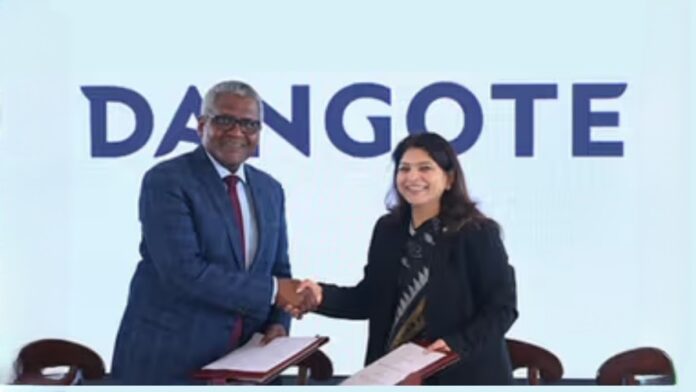
Engineers India Limited (EIL) has signed a contract worth more than $350 million with Dangote Refinery to serve as project management consultant (PMC) and engineering, procurement and construction management (EPCM) consultant for the refinery’s expansion project.
EIL, an Indian engineering consultancy firm, confirmed the agreement in a statement on Monday, describing it as a continuation of its long-standing partnership with the Dangote Group.
Dangote Refinery, which was commissioned in 2024 with a capacity of 650,000 barrels per day (bpd), is set to expand its production capacity to 1.4 million bpd.
Aliko Dangote, founder of the Dangote Group, had announced the expansion plan in October.
According to EIL, the refinery’s expansion will involve the addition of a second processing train designed to produce Euro VI-grade fuels, in line with stricter environmental and quality standards.
The project will also significantly boost polypropylene production.
Dangote Refinery plans to increase output from the current 830 kilotonnes per annum (KTPA) to about 2.4 million metric tonnes per annum (MMTPA).
This will be achieved through the revamp of the existing polypropylene unit (PPU) and the installation of an additional 1.2 MMTPA PPU.
In addition, the refinery intends to scale up propylene supply by developing a world-scale 750 KTPA UOP Oleflex unit to support expanded polypropylene production.
EIL said the new contract reflects Dangote Group’s confidence in its engineering and project management capabilities, having previously worked together on the original 650,000 bpd refinery project.
“The latest expansion further reinforces Nigeria’s mission to become a regional hub for refined petroleum products and petrochemicals,” the company said.
When completed, the expansion is expected to position the Dangote Refinery as the world’s largest petroleum refinery at a single location.
EIL said the project would strengthen fuel production capacity in Africa, reduce dependence on imported petroleum products, and enhance regional energy security.
Describing the deal as a project of global significance, EIL said it would deploy its decades of experience, multidisciplinary expertise and global execution model to support the delivery of what it called one of the world’s most advanced and fully integrated energy complexes.
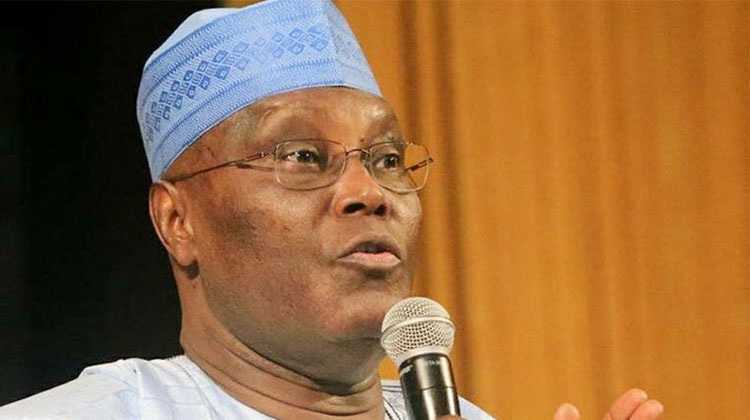
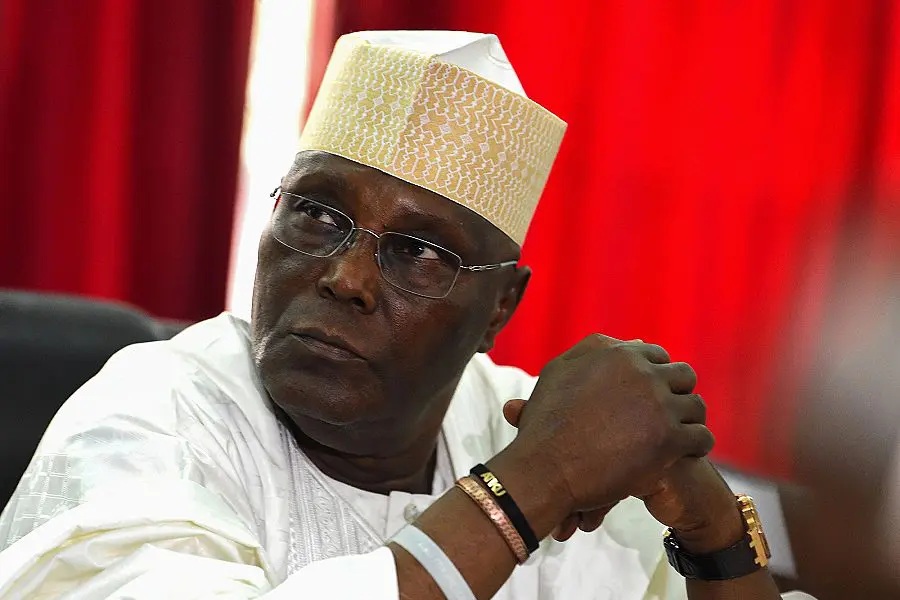
A political support group loyal to former Vice President Atiku Abubakar has expelled his son, Abba Abubakar, after he defected to the ruling All Progressives Congress (APC).
Mai Bakari, convener of the Atiku Haske Organisation, announced the decision, stating Abba lacked authority to determine the group’s political direction since he wasn’t a founder and hadn’t contributed financially or administratively.
“For the avoidance of doubt, Abba Abubakar does not have the mandate to speak or act for the Atiku Haske Organisation,” Bakari said. “He is bound by our rules, and by choosing a path contrary to our collective decision, he has effectively disqualified himself. Consequently, his membership stands terminated.”
The group further clarified that it has no intention of defecting to the APC, insisting that it remains committed to the African Democratic Congress (ADC).
Bakari explained that the organisation had earlier exited the Peoples Democratic Party (PDP) and collectively resolved to pitch its tent with the ADC.
“The Atiku Haske Organisation will not follow Abba Abubakar to any other political party,” the statement added. “Our position is clear and remains unchanged.”
Atiku Abubakar, who recently joined the ADC ahead of the 2027 presidential race, described his son’s defection as a personal decision, distancing himself from the move.
US President Donald Trump’s administration is seeking a $1 billion financial contribution from countries in exchange for permanent membership on a proposed international “Board of Peace,” according to a draft charter seen on Monday.
The Board of Peace, chaired by Trump, is envisioned as a global body aimed at resolving conflicts and promoting post-war reconstruction, particularly in regions affected by prolonged instability.
The White House has already extended invitations to several world leaders, including Russian President Vladimir Putin, Hungarian Prime Minister Viktor Orban and Canadian Prime Minister Mark Carney, to join the body.
Under the draft charter, member states would normally be allowed to serve a term of up to three years from the date the charter enters into force, with renewal subject to the chairman’s approval.
However, the document makes an exception for countries that contribute more than $1 billion in cash to the board within its first year, exempting them from the three-year term limit and effectively granting them permanent membership.
“Each Member State shall serve a term of no more than three years from this Charter’s entry into force, subject to renewal by the Chairman,” the charter states. It adds that the limit “shall not apply to Member States that contribute more than USD $1,000,000,000 in cash funds to the Board of Peace within the first year.”
Membership of the board would be restricted to countries invited directly by Trump in his capacity as chairman, according to the charter.
Member states would be represented by their heads of state.
The board was initially conceived as a mechanism to oversee the rebuilding of Gaza following years of conflict.
However, the charter does not confine its mandate to the occupied Palestinian territory.
Instead, it describes the Board of Peace as “an international organization that seeks to promote stability, restore dependable and lawful governance, and secure enduring peace in areas affected or threatened by conflict.”
The White House said the proposed structure would include a main board, a Palestinian committee of technocrats tasked with governing war-ravaged Gaza, and a second “executive board” that appears to be designed to play an advisory role.
Language in the draft charter suggests a critical stance toward existing international institutions, including the United Nations.
It says the board should have “the courage to depart from approaches and institutions that have too often failed,” echoing Trump’s long-standing criticism of the UN.
Earlier this month, Trump announced that the United States would withdraw from 66 international organisations and treaties, roughly half of which are affiliated with the UN system.
The charter also grants Trump significant authority over the board’s composition.
As chairman, he would have the power to remove member states, subject to a two-thirds veto by other members, and to select his successor should he step down from the role.
The Board of Peace began to take concrete shape over the weekend, when leaders of Egypt, Turkey, Argentina and Canada were formally invited to participate.
Trump has also named several individuals as members, including US Secretary of State Marco Rubio, former British prime minister Tony Blair, senior negotiator Steve Witkoff and his son-in-law Jared Kushner.
However, the proposed structure has already drawn objections from Israel, particularly over the planned “Gaza executive board,” which would include Turkish Foreign Minister Hakan Fidan and Qatari diplomat Ali Al-Thawadi.
The draft charter has yet to be formally adopted, and the proposal is expected to generate further debate over its funding model, governance structure and relationship with existing international bodies.
Kano state Gov Uncovered Plot by Politicians to Cause havoc
Kano State Government has taken over the prosecution of the case involving the killing of a housewife, Fatima Abubakar, 35, and her six children at Dorayi Chiranchi Quarters.
Attorney General Abdulkarim Kabiru Maude announced this decision was made by Governor Abba Kabir Yusuf to ensure justice for the victims.
The incident happened last week when assailants broke into the residence, killing the woman and her children.
Three suspects, including a nephew of the deceased, Umar Auwalu, have been arrested.
“This heinous and inhuman act is a grave affront to humanity and the rule of law. On the directive of His Excellency, the Executive Governor of Kano State, Engr. Abba Kabir Yusuf, my office will take over the prosecution of this case to ensure that justice is not only done but seen to be done,” he said.
Some of the children were said to have returned from school shortly before the incident, while one of the victims was reportedly not her biological child.
The matter was initially reported at the Dorayi Divisional Police Office and later transferred to the State Criminal Investigation Department for detailed investigation, which led to the arrest of suspects.
The Attorney General commended the Kano State Police Command for what he described as a swift and professional response that resulted in the arrests.
He assured residents that the state government would ensure transparency, accountability and strict adherence to due process throughout the prosecution, adding that the Ministry of Justice would diligently pursue the case.
Maude also appealed to the public to remain calm, vigilant and law-abiding, while continuing to support security agencies with credible information that could aid ongoing investigations.
He said the government would keep the public informed as the case progresses, stressing that anyone found culpable would face the full weight of the law.
Convener of #RevolutionNow and Publisher of Sahara Reporters, Omoyele Sowore
By Agency Report
The Federal High Court in Abuja, on Monday, fixed Jan. 22 for the commencement of the trial of Omoyele Sowore, the publisher of Sahara Reporters, over an alleged false claim against President Bola Tinubu.
Justice Mohammed Umar fixed the date after Sowore was arraigned on a two-count amended charge filed against him by the Department of State Services (DSS) and pleaded not guilty to the counts.
The News Agency of Nigeria (NAN) reports, in the amended charge, marked: FHC/ABJ/CR/484/2025 and filed on Dec. 5, Sowore is named as sole defendant.
Although Sowore, X Incorp (formerly Twitter) and Meta (Facebook) Incorp were named in the earlier charge as 1st, 2nd and 3rd defendants respectively, in the amended charge, the names of the 2nd and 3rd defendants were dropped.
In count one of the amended charge, the DSS alleged that Sowore, on or about Aug. 25, 2025, did knowingly send a message by means of a computer system or network, through his official “X” (formerly Twitter) handle page, @YeleSowore.
In the message, Sowore was alleged to have posted the following tweet: “This criminal@officlalABAT actually went to Brazil to state that there is no more corruption under his regime in Nigeria.
“What audacity to lie shamelessly!”
The message, which he knew to be false, was said to be posted for the purpose of causing a breakdown of law and order in Nigeria, posing a threat to life, or causing such a message to be sent.
He is accused of having committed an offence of cyberstalking contrary to Section 24(1) (b) and 24(2) (a), (b), and (c) of the Cybercrimes (Prohibition, Prevention, Etc.) (Amendment) Act, 2024 and punishable under the same section.
The prosecution lawyer applied that the names of the 2nd and 3rd defendants be removed, and Justice Umar struck out “X” and Facebook from the charge.
Kehinde, therefore, pleaded that the two counts be read to Sowore.
Counsel to Sowore, Marshal Abubakar, did not oppose Kehinde‘s application that the charge be read to his client for him to take his plea.
After the counts were read to Sowore, he pleaded not guilty, and Abubakar prayed the court to allow Sowore to continue to enjoy the earlier bail granted to him and the court granted it.
The DSS lawyer then informed the court that the prosecution witness was in court to testify in the case and that they were ready to proceed
But Abubakar told the court that they were not ready to go on with the case.
The lawyer submitted that in the proof of evidence attached to the charge, the names of witnesses were listed, but no single name was mentioned in the case.
Besides, Abubakar, who said that no single testimony of the witnesses were attached, argued that this violated Section 36(6) of the 1999 Constitution.
He further submitted that he needed adequate time and facilities to prepare their defence.
“The depositions of the witnesses and list of witnesses must be frontloaded, and they have failed to do this.
“The witnesses are unknown to us and unknown to the law.
“Every material needed for the defence of the defendant must be provided for his defence, but they have failed to do so, my lord,” he added, citing two previous Supreme Court cases and Section 379(1) of the Administration of Criminal Justice System (ACJA), 2015, to back his argument.
But Kehinde disagreed with Abubakar.
The senior lawyer submitted that the provision of ACJA, as quoted by Abubakar, had no bearing in the instant.
Besides, he said, reliance on this provision of the law is grossly misconceived and an insult to the court.
“The provision of Section 36(6) that he relied on does not provide that we must provide a name to our witnesses before bringing them to court,” he said.
Kehinde said the defence was at liberty, after the witness must have given the evidence, to ask for a stand down or an adjournment to cross-examine their witness.
He said that Abubakar’s submission was a ploy to delay the trial, urging the court to discountenance the argument.
“The concern of parties should be to have the matter determined expeditiously,” he added.
“I submit that the argument of my learner brother is not relevant in this case.
“We have front-loaded the witnesses and we have also front-loaded the charge and exhibits which emanated from the defendants.
“We have also exhibited the case summary,” the senior lawyer said.
After taking all the arguments, Justice Umar adjourned until Jan..22 for definite hearing.
UK Prime Minister Sir Keir Starmer has warned that a trade war with the United States would be “in no one’s interest” as he responded to US President Donald Trump’s threat to impose sweeping tariffs on Britain and other countries opposing his bid to acquire Greenland.
Speaking from Downing Street on Monday, Starmer described Trump’s approach as “completely wrong” and urged calm diplomacy among allies.
He said any dispute over Greenland should be resolved through dialogue rather than economic pressure.
“On Greenland, the right way to approach an issue of this seriousness is through calm discussion between allies,” Starmer said.
He also ruled out retaliatory tariffs, stressing that trade wars are “not the right way to resolve differences within an alliance.”
Trump has threatened to impose a 10 percent tariff on all UK goods entering the United States from early February, rising to 25 percent by June, unless Washington reaches a deal to purchase Greenland from Denmark.
The tariffs would also apply to Denmark, Norway, Sweden, France, Germany, the Netherlands and Finland.
Starmer emphasised that decisions about Greenland’s future rest solely with its people and the Kingdom of Denmark.
“That right is fundamental,” he said, adding that he did not believe Trump was prepared to use military force to take control of the island.
The prime minister has held a series of diplomatic calls in response to the escalating row, speaking with Trump, Danish Prime Minister Mette Frederiksen, European Commission President Ursula von der Leyen and NATO Secretary General Mark Rutte.
Trump has repeatedly argued that Greenland is vital to US national security, citing concerns about Russian and Chinese activity in the Arctic.
In recent statements, he said the world would not be secure unless the United States had “complete and total control of Greenland,” and accused Denmark of failing to address security risks on the island.
The issue has drawn criticism across the UK political spectrum.
Culture Secretary Lisa Nandy described Britain’s position on Greenland’s sovereignty as “non-negotiable,” while Conservative leader Kemi Badenoch said Trump’s tariff threat was “completely wrong” and would burden UK businesses.
Liberal Democrat leader Sir Ed Davey accused Trump of “punishing” NATO allies for “doing the right thing.”
Economists warn that additional US tariffs could significantly affect British exporters, particularly as the UK currently faces lower tariff rates than the European Union.
Goods exports to the United States fell by £0.5 billion in November 2025, according to official figures, following the introduction of earlier tariffs.
As tensions rise, Starmer has reiterated the UK’s commitment to diplomacy, insisting that cooperation not confrontation remains the best path forward for resolving the Greenland dispute and preserving transatlantic relations.
Entrepreneur and tech enthusiast Blord has publicly expressed appreciation to social commentator VeryDarkMan, popularly known as the Ratels’ President, for drawing attention to his blunt gadget business. According to Blord, the unexpected publicity significantly boosted awareness and conversations around his brand.
In his statement, Blord acknowledged that VeryDarkMan’s influence and wide-reaching platform played a major role in introducing his products to a much broader audience. He described the exposure as timely and impactful, noting that visibility is one of the biggest challenges facing small and growing businesses in today’s competitive market.
VeryDarkMan, known for his blunt opinions and strong online presence, has built a reputation for sparking discussions that often spill beyond social media. His mention of Blord’s business quickly generated curiosity, debates, and increased traffic, proving once again how powerful digital influence can be when it intersects with entrepreneurship.
Blord emphasized that while public attention can be unpredictable, he chose to embrace the moment positively by focusing on brand growth and customer engagement. He added that the experience reaffirmed his belief in the importance of resilience, adaptability, and strategic marketing in business.
The acknowledgment has since sparked conversations online, with many users praising the transparency and sportsmanship shown by Blord. Others highlighted how collaborations, intentional or not, can create unexpected opportunities for business owners willing to leverage attention constructively.
As Nigeria’s digital space continues to evolve, Blord’s message stands as a reminder that visibility, when handled wisely, can translate into growth. His public thanks to VeryDarkMan not only reflects gratitude but also underscores the growing influence of online platforms in shaping modern business success.
A woman has been apprehended in Ughelli, Delta State, following a tragic incident that resulted in the deaths of her husband, his alleged lover, and a neighbor who reportedly attempted to intervene and calm the situation.
According to reports, the incident occurred after a domestic dispute escalated within the household. Witnesses in the area revealed that tensions had been building prior to the confrontation, allegedly fueled by accusations of infidelity. What began as a heated argument reportedly spiraled out of control, leading to a violent outcome that shocked residents of the community.
The neighbor, who was said to have heard the commotion, allegedly stepped in with the intention of de-escalating the situation. Unfortunately, the intervention proved fatal, as the neighbor also became a victim of the unfolding violence.
Security operatives were alerted shortly after the incident and swiftly moved to the scene. The suspect was taken into custody, while the bodies of the victims were recovered and later transported to a morgue for further examination. Authorities have since launched a full investigation to determine the exact sequence of events and the circumstances that led to the tragedy.
The incident has sparked widespread reactions, with many residents expressing shock and sadness over the loss of lives. Community members described the victims as familiar faces in the area, noting that the event has left a deep sense of fear and grief within the neighborhood.
Law enforcement officials have urged the public to remain calm and allow investigations to run their course. They also emphasized the importance of seeking peaceful resolutions to domestic disputes and encouraged individuals facing marital or emotional challenges to seek help through appropriate channels rather than resorting to violence.
As the investigation continues, the tragic incident serves as a painful reminder of how unresolved conflict and emotional distress can lead to irreversible consequences, leaving families and communities permanently affected.
The sudden death of Afeez, widely known as Destiny Boy, has left fans, friends, and the entertainment industry in shock. In the days following his passing, numerous rumors began circulating online, suggesting that his death was connected to rituals or herbal practices. However, Destiny Boy’s sister has come forward to clarify the circumstances surrounding his death and address the false narratives that have been spreading.
Speaking candidly
, she stated, “He didn’t die at an herbalist’s house. He didn’t do any money ritual. Y’all spreading rumors should fear God. Afeez is too young for what happened to him. The Ifa initiation that he did wasn’t for ritual. He was poisoned. I hope the person responsible lives forever.”
Her statement confirms that Afeez’s death was the result of poisoning, and not related to any mystical or occult activities. She also emphasized that his involvement in the Ifa initiation was strictly spiritual and personal, not linked to money rituals or any form of malevolent practice. This revelation challenges the narratives circulating online and underscores the need for caution and respect when discussing the lives and deaths of public figures.
The sister’s words highlight the pain of losing a loved one under tragic circumstances, especially when compounded by misinformation and speculation. Many fans have taken to social media to express condolences and call for respect for the family, acknowledging that false rumors only intensify grief. Others have echoed her concerns about online rumors, reminding the public of the emotional impact such stories can have on those left behind.
The family’s insistence on revealing the truth also raises broader concerns about how the deaths of young celebrities are often sensationalized. Destiny Boy, described by many as talented, ambitious, and full of promise, was taken too soon. His sister’s statement serves as both a defense of his legacy and a call for accountability regarding the circumstances that led to his untimely passing.
As investigations into Afeez’s death continue, the family remains focused on uncovering the facts and ensuring justice is served. Meanwhile, fans continue to mourn, remembering the young artist for his contributions to music and the inspiration he provided to his growing audience. Destiny Boy’s sister’s heartfelt message serves as a reminder to verify information before spreading rumors and to approach such tragedies with empathy, respect, and truth.
(DDM) – A fresh controversy has erupted within Nigeria’s opposition political space following claims that a son of former Vice President Atiku Abubakar has allegedly instructed his organisation to withdraw support for his father and instead align with President Bola Ahmed Tinubu.
The claim, attributed to Hon. Stephanie Onochie (Mrs), has triggered intense debate across political circles, social media platforms, and party structures, reopening questions about internal loyalty, leadership credibility, and the long-standing rivalry among Nigeria’s leading political figures.
According to the statement, Atiku’s son was said to have openly directed members of his organisation to abandon Atiku’s political ambition and work for President Tinubu, a move that, if confirmed, would represent a significant personal and symbolic blow to the former Vice President.
The development has fueled speculation that dissatisfaction with Atiku’s repeated presidential bids may now extend beyond party supporters to his immediate family, intensifying scrutiny of his leadership appeal ahead of the 2027 general elections.
Atiku Abubakar, a former Vice President from 1999 to 2007, has contested the presidency multiple times under different political parties, including the Action Congress, the Peoples Democratic Party (PDP), and most recently the PDP in the 2023 election.
Despite his long political career, business success, and national recognition, Atiku has faced persistent criticism over his inability to translate ambition into electoral victory, as well as accusations of inconsistency and weak grassroots connection in key regions.
The reported defection of support from within his family has therefore been framed by critics as evidence of declining confidence in his political relevance and capacity to lead a deeply divided nation.
Hon. Stephanie Onochie, whose statement amplified the issue, questioned why Nigerians should continue to support a politician whom even close family members allegedly consider unfit or ineffective.
Her remarks argue that leadership credibility begins at home, suggesting that internal loss of faith reflects broader national doubts about Atiku’s vision and competence.
Political analysts note that family-related political controversies often resonate strongly with voters in Nigeria, where personal loyalty, trust, and moral authority play a significant role in public perception.
The controversy also intersects with the broader political realignment already underway ahead of 2027, as President Tinubu consolidates power while opposition figures reposition themselves for relevance.
Supporters of President Tinubu have seized on the allegation as proof that the opposition remains fragmented and internally conflicted, while Atiku’s allies have either dismissed the claim as propaganda or maintained silence.
Meanwhile, the statement strongly promotes Labour Party’s 2023 presidential candidate, Peter Obi, positioning him as a credible alternative to what critics describe as recycled leadership.
Peter Obi, a former Governor of Anambra State, gained widespread youth and urban support in 2023 on the back of his message of prudence, accountability, and people-centred governance.
His supporters argue that Nigeria’s current challenges, ranging from economic hardship and insecurity to unemployment and institutional distrust, require a generational shift in leadership philosophy.
The renewed comparison between Atiku, Tinubu, and Obi underscores the unresolved political tensions left behind by the 2023 elections and highlights how personal narratives are increasingly shaping public discourse.
As Nigeria inches toward another election cycle, the alleged family rift within Atiku’s camp has added a dramatic layer to the political conversation, reinforcing the argument that credibility, unity, and public trust will be decisive factors in 2027.
Whether the claim is confirmed or denied, its impact on public perception is already evident, signaling that the battle for Nigeria’s political future has begun in earnest.