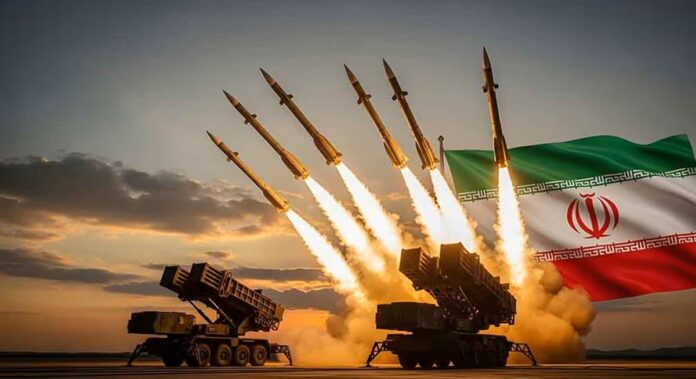
Iran will target economic and banking interests linked to the U.S. and Israel in the region, after an attack on an Iranian bank, Tehran’s command said.
Spokesman for Tehran’s Khatam al-Anbiya military command headquarters said this on Wednesday.
An administrative building linked to Bank Sepah, one of the country’s largest public banks and with historical links to the military, was hit overnight in Tehran, according to the semi-official Mehr news agency.
“Following their failed campaign, the terrorist U.S. army and cruel Zionist regime (Israel) have targeted one of the country’s banks,” state media quoted Ebrahim Zolfaqari as saying.
“With this illegitimate and uncommon action, the enemy is forcing our hand to target economic centres and banks linked to the U.S. and Zionist regime in the region,” he added.
The spokesperson warned people of the region to stay 1,000 metres away from banks.
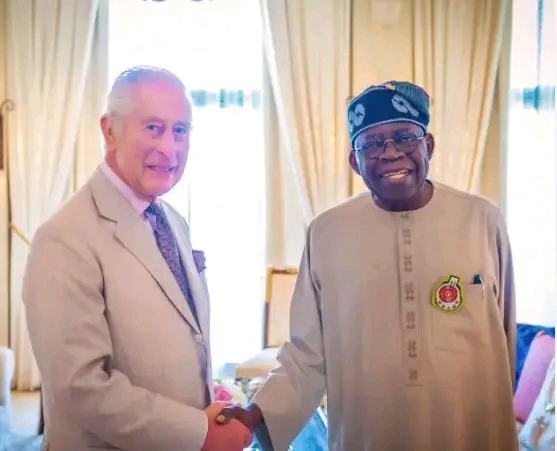
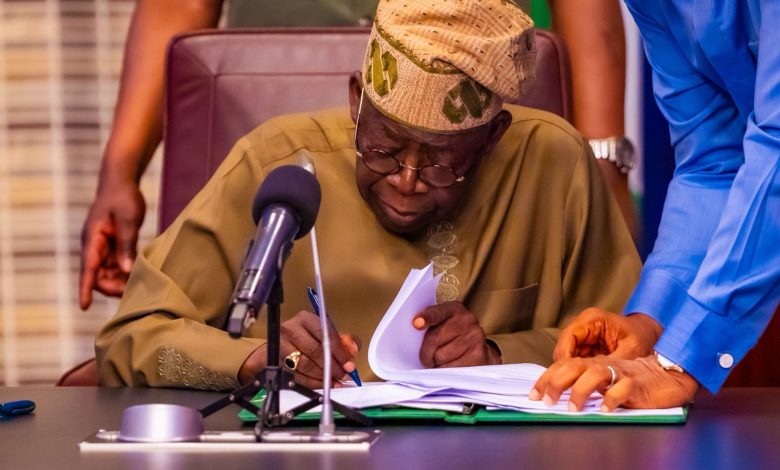
(DDM) – Authorities in the United Kingdom have announced major security measures including road closures and temporary no-fly zones ahead of the official state visit of Nigerian President Bola Ahmed Tinubu.
The security arrangements will be enforced around the historic town of Windsor, Berkshire, United Kingdom, where parts of the presidential activities are expected to take place.
Officials say the measures are designed to ensure public safety and provide adequate protection during the high-level diplomatic visit.
Roads to be closed for security operations
Local authorities confirmed that several roads around Windsor will be temporarily closed to traffic as part of the security arrangements.
Residents and visitors have been advised to expect traffic diversions and delays during the period of the visit.
Security officials noted that such road restrictions are standard procedures whenever foreign heads of state visit sensitive locations in the United Kingdom.
The measures are intended to allow security personnel to monitor movement and prevent potential threats.
Armed police deployed
Security will be reinforced by armed officers from Thames Valley Police and other national security units.
Police patrols will be increased in Windsor and surrounding areas to manage crowds and maintain order.
Authorities say the presence of armed officers is part of routine protective operations conducted during visits by international leaders.
Temporary no-fly zones imposed
In addition to road closures, aviation authorities have placed temporary flight restrictions over sections of Windsor.
The restricted airspace means that drones, helicopters, and small aircraft will not be allowed to operate within the designated security perimeter during the visit.
Officials say the move is necessary to prevent unauthorized aerial activity that could pose security risks.
No-fly zones are commonly enforced during state visits to protect dignitaries and ensure that security teams maintain full control of the airspace.
Diplomatic significance of the visit
The visit by Bola Ahmed Tinubu is expected to include diplomatic engagements aimed at strengthening relations between Nigeria and the United Kingdom.
Nigeria and the United Kingdom maintain longstanding political, economic, and cultural ties, with cooperation spanning trade, security, education, and investment.
Diplomatic observers say such visits often provide opportunities for discussions on bilateral cooperation and regional issues.
Public advisory issued
Authorities have urged residents and businesses in Windsor to remain aware of the temporary security arrangements.
Members of the public have been encouraged to follow official traffic advisories and cooperate with security personnel during the visit.
Officials say the restrictions will be lifted once the presidential visit concludes and security operations are scaled down.
Fresh concerns over the growing insecurity in Kwara State have emerged after the Evangelical Church Winning All (ECWA) raised the alarm following the killing of one of its members and the abduction of five others in the state.
The incident, which occurred in Oyatedo village in Irepodun Local Government Area, has once again highlighted the deepening security challenges facing communities across Kwara South Senatorial District.
According to church leaders, suspected kidnappers attacked the village on Wednesday, killing an ECWA member, Omoniyi Ajise, and abducting his wife alongside four other residents.
The attack came even as ECWA district leaders in the state were holding a security meeting in Omu-Aran to deliberate on the rising wave of kidnappings and violent attacks across several communities.
In a communiqué issued at the end of the meeting, the church described the security situation in the area as alarming and called on authorities to urgently intervene before the crisis worsens further.
The communiqué was jointly signed by the Chairman of the ECWA Joint District Church Councils Forum in the state, Samuel Adewumi, and the Secretary, Joseph Agboluaje.
Church leaders said the latest attack is part of a troubling pattern of insecurity affecting several communities across the district.
Areas such as Oro-Ago, Babanla and Ahun village have reportedly experienced repeated incidents of kidnapping and violent attacks in recent months.
In one earlier incident, two elderly residents identified simply as Dada and Ishola were abducted in Ahun village but later released after their captors reportedly realised their advanced age.
Such incidents, the church leaders said, have become increasingly common, leaving residents in a state of fear and uncertainty.
According to them, what once appeared as isolated criminal acts has gradually evolved into a recurring threat affecting daily life in many rural communities.
Beyond the human tragedy, the security crisis is also taking a heavy toll on the local economy.
Church leaders warned that farmers across Kwara South are increasingly abandoning their farms for fear of attacks, particularly as the region enters the peak of the cashew harvesting season a major source of livelihood for many residents.
The disruption of farming activities could have far-reaching economic consequences for families who depend heavily on agricultural income.
Communities that once thrived on farming are now grappling with uncertainty, as residents weigh the risk of tending their crops against the possibility of falling victim to kidnappers.
The insecurity has also begun to affect religious life within the region.
According to the ECWA forum, several churches in affected communities have been forced to shut down as members and clergy flee their homes in search of safety.
The development has left some pastors without congregations, while entire communities have been displaced.
Church leaders lamented that the situation has disrupted not only spiritual life but also social and economic stability within the affected areas.
Many families, they said, have been pushed into hardship as a result of displacement and the collapse of normal economic activities.
Against this backdrop, the church leaders called on both the Nigeria Federal Government and the Kwara State Government to take urgent steps to address the security crisis.
They urged authorities to deploy more security personnel to vulnerable communities, strengthen intelligence gathering and adopt proactive strategies to curb kidnapping and other criminal activities across Kwara South and neighbouring areas.
According to the forum, the protection of lives and property remains the fundamental responsibility of government and must be treated with the urgency it deserves.
While pledging continued prayers and moral support for peace, the church encouraged members to remain law-abiding despite the challenges facing their communities.
Police Response
When contacted, the Kwara State Police Command said it was not aware of the specific incident because no formal report had been made to the authorities.
The command’s spokesperson, Adetoun Ejire-Adeyemi, however assured that the police were working to ensure security across the state.
She noted that the Inspector-General of Police recently visited Kwara and pledged to intensify efforts to combat banditry and criminal activities in the state.
According to her, some arrests have already been made in recent operations, and suspects will soon be charged in court after investigations are completed.
Despite these assurances, residents and community leaders continue to express concern about the rising wave of kidnappings and attacks in rural parts of the state.
Several communities located near forested areas and interstate routes linking Kwara with neighbouring Niger, Ekiti and Osun states have reported increasing activities of kidnappers and armed gangs.
The government of Thailand has demanded an official apology from Iran after a Thai cargo vessel was struck in the Strait of Hormuz, triggering a fire and forcing the crew to abandon the ship.
Thailand’s Ministry of Foreign Affairs said it had summoned Iran’s ambassador to seek clarification over the incident, which occurred on Wednesday amid escalating hostilities in the Gulf region.
Vessel Hit by Projectiles
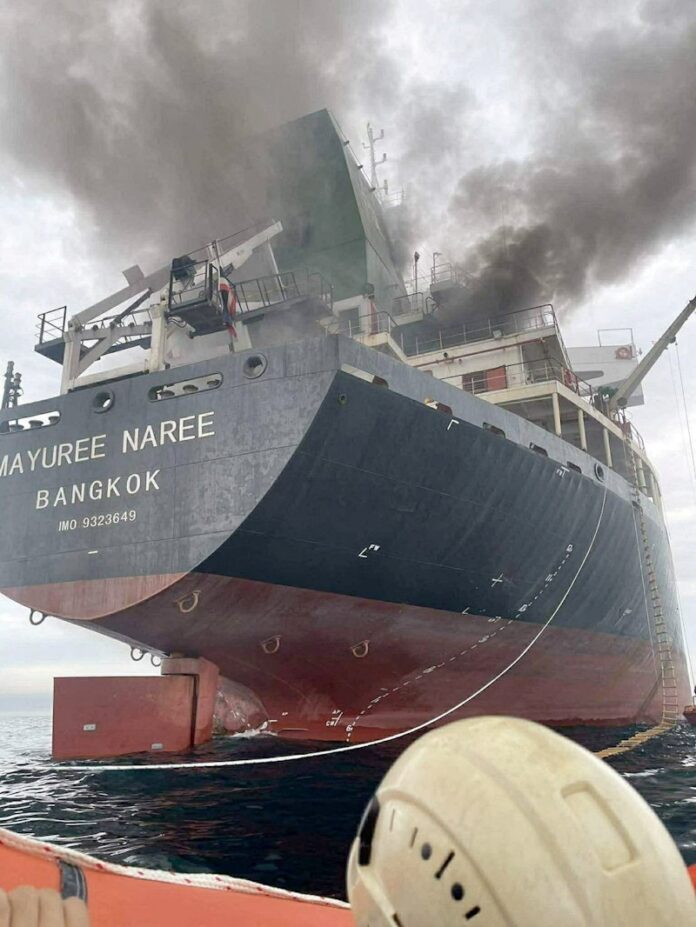
The vessel involved, the Thai-flagged bulk carrier Mayuree Naree, was sailing through the strategic waterway when it was struck by two projectiles.
According to the ship’s operator Precious Shipping, the attack caused a fire and severely damaged the vessel’s engine room.
The company said three crew members were reported missing and are believed to be trapped inside the engine compartment.
“The company is working with the relevant authorities to rescue these three missing crew members,” Precious Shipping said in a statement.
The remaining 20 crew members were safely evacuated and taken ashore in Oman.
Images released by the Royal Thai Navy showed thick black smoke billowing from the rear section of the damaged ship.
Iran Claims Responsibility
Iran’s Islamic Revolutionary Guard Corps later confirmed that the vessel had been targeted.
In a statement reported by the Tasnim News Agency, the Guards said the ship had been “fired upon by Iranian fighters”.
Iranian forces have repeatedly warned that ships moving through the Strait of Hormuz could be targeted amid the ongoing conflict.
The strait is one of the world’s most important shipping routes, carrying about 20 percent of global oil and gas supplies.
Meanwhile, the United Nations High Commissioner for Refugees said the war has triggered a growing humanitarian crisis inside Iran.
The agency estimates that up to 3.2 million people have been displaced within the country since the conflict began on February 28.
UNHCR warned that the number could rise further if fighting continues.
The attack on the Thai vessel is among a series of maritime incidents in the Gulf since the war intensified, raising concerns about the safety of commercial shipping and the stability of global energy supplies.
As temperatures continue to rise in many parts of the country, health professionals are advising the public to pay closer attention to their diet in order to prevent dehydration, heat exhaustion, and other heat-related illnesses.
Nutritionists say that during the hot season, the body loses more fluids through sweating, making it essential to consume foods that help maintain hydration and provide essential nutrients. Eating the right foods can help regulate body temperature, boost energy levels, and support overall health.
Here are some of the best foods experts recommend during the hot season.
Watermelon
Watermelon is one of the most recommended fruits during hot weather because it contains more than 90 percent water. This makes it an excellent option for preventing dehydration.
In addition to its high water content, watermelon provides vitamins A and C, which support the immune system and help maintain healthy skin.
Cucumber
Cucumber is another hydrating food that helps the body stay cool. It is rich in water and contains antioxidants that help reduce inflammation.
Cucumbers can be eaten fresh in salads or as a light snack, making them a refreshing option during hot days.
Coconut Water
Coconut Water is widely known as a natural source of electrolytes. It helps replenish minerals such as potassium and sodium that are lost through sweating.
Health experts often recommend coconut water as a natural alternative to sugary drinks during extremely hot weather.
Leafy Green Vegetables
Vegetables such as Spinach and Lettuce are light, nutritious, and easy to digest. They contain important vitamins and minerals that help maintain energy levels and support body functions.
Adding leafy greens to meals can also help improve digestion during periods of intense heat.
Citrus Fruits
Fruits like Orange and Lemon are rich in vitamin C and help keep the body hydrated.
They also support the immune system and help the body fight infections, which can be particularly important during seasonal changes.
Yogurt
Yogurt is another healthy food option during the hot season. It contains probiotics that support gut health and aid digestion.
Nutritionists note that yogurt can also provide a cooling effect and help maintain a healthy balance of bacteria in the digestive system.
Avoid Heavy and Oily Foods
Health professionals advise reducing the intake of heavy, oily, and highly processed foods during hot weather, as these can make the body feel sluggish and increase discomfort.
Instead, lighter meals that include fruits, vegetables, and adequate fluids are recommended.
Staying Hydrated Is Essential
In addition to eating the right foods, experts emphasize the importance of drinking enough water throughout the day. Proper hydration helps regulate body temperature, supports organ function, and prevents heat-related health problems.
As temperatures remain high, adopting healthy eating habits and choosing hydrating foods can help individuals stay energized, refreshed, and protected against the health risks associated with extreme heat.
The ongoing war involving Iran is triggering what energy experts describe as the largest disruption ever recorded in global oil supplies, according to a new report from the International Energy Agency (IEA).
The agency warned that the conflict in the Middle East has severely disrupted crude shipments, largely due to the near shutdown of the Strait of Hormuz, a critical maritime route for global energy trade.
In its latest market assessment, the IEA said global oil production could fall sharply this month as Gulf producers scale back output due to security risks and shipping disruptions.
According to the report, producers in the Gulf region have already reduced oil production by at least 10 million barrels per day because the Strait of Hormuz has become almost impossible for commercial shipping to navigate safely.
As a result, the agency expects global oil output to drop by about 8 million barrels per day in March, representing a decline of more than 7 percent from the roughly 107 million barrels per day produced in February.
“The war in the Middle East is creating the largest supply disruption in the history of the global oil market,” the agency said.
Gulf Producers Hit Hard
The disruption has significantly affected major oil producers across the Gulf.
Countries including Iraq, Qatar, Kuwait, United Arab Emirates, and Saudi Arabia have all recorded declines in production as maritime risks increase in the region.
However, the IEA said part of the supply gap could be offset by increased production from Russia, Kazakhstan, and other non-OPEC producers.
Alternative Export Routes
To avoid the dangers of shipping through the Strait of Hormuz, some Gulf countries have begun rerouting oil exports through alternative ports.
Saudi Arabia, for example, has significantly increased shipments through its western Red Sea ports.
According to the IEA, Saudi Arabia exported a record 5.9 million barrels per day through its western ports on March 9, compared to an average of 1.7 million barrels per day in 2025.
Meanwhile, the Abu Dhabi National Oil Company has boosted exports from the Port of Fujairah, a major energy hub in the United Arab Emirates.
Between March 4 and March 9, the company loaded an average of 2.4 million barrels per day from Fujairah, which is connected to oil production facilities in Habshan via pipeline and supported by the Al-Mandous crude storage cavern.
Long-Term Supply Uncertainty
Energy analysts warn that the scale of the disruption will largely depend on how long the conflict continues.
Although the IEA still expects global oil supply to grow slightly in 2026, the agency has significantly reduced its forecast.
It now estimates supply could increase by about 1.1 million barrels per day next year, far lower than the 2.4 million barrels per day growth it predicted only a month ago.
The report underscores growing concerns that prolonged instability in the Middle East could continue to shake global energy markets, increase fuel prices, and intensify economic uncertainty worldwide.
The Economic and Financial Crimes Commission (EFCC), has arrested the traditional ruler of Okpella, the Okuokpellagbe of Okpella in Etsako East Local Government Area of Edo State, Oba Michael Sado, and Patrick Omkhagbo.
Oba Sado, is reportedly being interrogated at the Benin Zonal Directorate of the EFCC.
The arrest of the monarch followed a petition to the anti-graft agency by the Ukhomuyo Council of Village Heads in the area through their counsel A. O. Osagie & Associates.
In the petition, Oba Sado was accused of diverting huge sums belonging to the community from the natural resources in the area into his account.
They accused him of disrespecting the people and usurping the constitutional powers of the state government.
Other allegations were that the Okpella king breached the subsisting Community Development Agreement (CDA) between Okpella Cement Plc. (Dangote Cement) and Ukhumuniyo Community as contained in Section 116 of the Nigerian Minerals and Mining Act 2007.
They said Oba Sado opened another account where community development funds were paid into.
According to the petition: “In the said Community Development Agreement (CDA), it was clearly stated that the Host Mineral Producing Community (Ukhumuniyo Community) where the mining of Okpella Cement Pic (Dangote Cement) are carried out shall be entitled to certain sums of money, wherein N250 million be paid annually to the Host Community, which is Ukhomuyio.
“Sir, as we write you, our clients have been pleading with members and youths of Ukhomunyio Community, Okpella, Etsako East Local Government Area, of Edo State, not to be involved in any violent conduct, as the “suspect” is threatening that he would cause intra-communal warfare in Okpella, if our clients escalate his alleged Financial Crimes.”
“Insecurity is commonplace in Okpella Community, and the threats to cause intra communal warfare should not be taken with kid gloves or as a mere hollow statement.
“We implore you to invite, arrest and prosecute the suspects and other complicit Staff of the Dangote Cement Pic, Okpella, Etsako East Local Government Area of Edo State as their activities does not only have the elements of various economic crimes but it is a call to anarchy and lawlessness in the society”.
Breast cancer remains one of the most common cancers affecting women worldwide. While public awareness about the disease has increased in recent years, health experts warn that many early warning signs are still frequently overlooked.
According to the World Health Organization, early detection significantly improves survival rates. However, many women focus only on checking for lumps and may miss other subtle symptoms that could indicate the early stages of the disease.
Medical professionals emphasize that paying attention to changes in the breast and seeking medical advice promptly can help detect breast cancer earlier, when treatment is more effective.
Here are some warning signs of Breast Cancer that people often ignore.
Changes in Breast Size or Shape
A noticeable change in the size or shape of one breast can be an early warning sign. While natural differences between breasts are common, sudden or unusual changes should not be ignored.
Swelling or distortion in the breast may occur even without the presence of a detectable lump.
Persistent Breast or Nipple Pain
Although breast cancer is often painless in its early stages, persistent pain in the breast or nipple that does not go away should be evaluated by a medical professional.
Continuous discomfort in one specific area of the breast may indicate an underlying issue that requires further examination.
Skin Changes on the Breast
Changes in the skin covering the breast may signal a potential problem. These changes can include redness, thickening of the skin, or a texture that resembles the surface of an orange peel.
Such skin changes can sometimes be associated with inflammatory forms of breast cancer and should be assessed promptly.
Nipple Discharge
Unusual discharge from the nipple, particularly if it is bloody or occurs without squeezing the breast, can be a warning sign.
While nipple discharge may sometimes result from non-cancerous conditions, unexplained discharge should always be checked by a healthcare professional.
Nipple Turning Inward
A nipple that suddenly becomes inverted or turns inward can be another sign that is often overlooked. If the nipple previously pointed outward but changes position or appearance, it is advisable to seek medical evaluation.
Unexplained Swelling in the Armpit
Swelling or lumps in the armpit area may occur when nearby lymph nodes become affected. In some cases, these changes appear before a lump develops in the breast itself.
Regularly checking the underarm area during self-examinations can help detect these early warning signs.
The Importance of Regular Screening
Health experts recommend routine breast self-examinations, clinical breast exams, and screening tests such as mammograms to detect abnormalities early.
Organizations such as the American Cancer Society advise women to become familiar with the normal look and feel of their breasts so that they can quickly identify unusual changes.
When to See a Doctor
Any persistent or unusual change in the breast should be evaluated by a healthcare provider. Early medical assessment can help determine whether symptoms are related to cancer or other less serious conditions.
While not every breast change is cancer, prompt attention to warning signs can lead to early diagnosis and significantly improve treatment outcomes.
Breast cancer remains a serious health challenge, but increased awareness and early detection continue to save lives. Recognizing the signs that are often overlooked can make a critical difference in protecting long-term health.
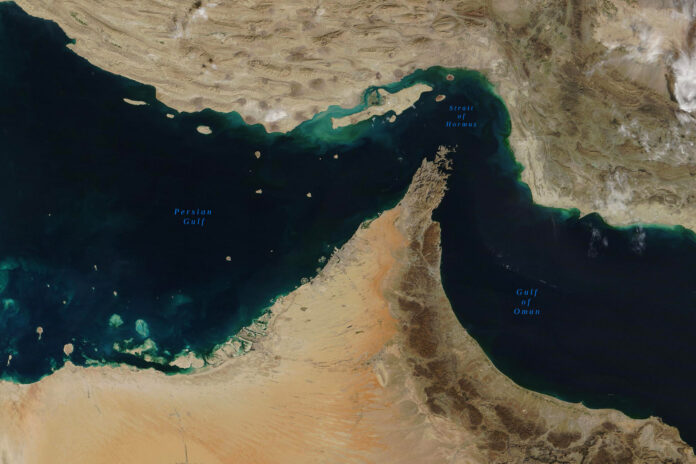
There are places on the map that look small but carry the weight of the world. The Strait of Hormuz is one of them.
Barely a narrow ribbon of water separating Iran from Oman and the United Arab Emirates, the strait has once again become the centre of global anxiety.
Recent attacks on cargo vessels and threats from Tehran have revived fears that this vital maritime corridor could be shut down.
If that happens, the consequences will stretch far beyond the Middle East.
The shock will travel through global oil markets, across international shipping lanes, and eventually into the everyday lives of millions of people around the world.
For a world already struggling with economic uncertainty, the closure of this narrow channel would be like striking a match near a barrel of fuel.
A Waterway That Powers the World
The importance of the Strait of Hormuz cannot be overstated. Roughly one-fifth of the world’s oil supply passes through this narrow waterway every single day. Tankers carrying crude from Saudi Arabia, Iraq, Kuwait, Qatar, and the UAE funnel through this maritime chokepoint before heading to global markets.
In energy terms, the strait functions like a giant artery pumping fuel into the global economy. Block that artery and the system begins to suffocate.
That is why even the threat of disruption has already sent oil prices climbing and shipping costs soaring.
Energy markets operate on confidence. When that confidence is shaken, the ripple effects can be immediate and severe.
Fear Alone Can Shut It Down
One uncomfortable reality of modern maritime trade is that a waterway does not have to be physically blocked to become unusable.
Fear can do the job just as effectively.
If ships face the risk of drone strikes, missile attacks, or naval mines, many shipping companies will simply refuse to sail through the danger zone. Insurance premiums skyrocket, captains hesitate, and supply chains begin to slow.
In such circumstances, the Strait of Hormuz could effectively become closed even without a formal blockade.
The result would be an immediate shock to global energy supply.
Asia’s Energy Lifeline at Risk
The countries most exposed to a disruption in the strait are in Asia. A vast majority of oil shipments leaving the Persian Gulf are destined for Asian economies.
Nations like China, India, Japan, and South Korea rely heavily on this energy flow to keep their industries running.
China, in particular, remains one of the largest buyers of Iranian crude. Disruptions in supply could send energy costs rising sharply across Asian markets.
And in today’s globalised economy, higher manufacturing and transport costs in Asia inevitably translate into higher prices for consumers everywhere.
In short, the closure of a strait in the Middle East could soon be felt in supermarkets, factories, and petrol stations around the globe.
The Limits of Alternative Routes
Oil producers in the Gulf have long been aware of the strategic vulnerability of the Strait of Hormuz. Over the years, they have built pipelines designed to bypass the waterway.
Saudi Arabia, for instance, operates a major pipeline capable of transporting millions of barrels of crude across its territory to ports on the Red Sea. The UAE has also invested in infrastructure that allows some oil exports to avoid the Gulf entirely.
Yet these alternatives provide only partial relief.
If the strait were fully closed, analysts estimate that global oil supply could fall by millions of barrels per day. That kind of disruption would likely push prices sharply upward and trigger economic consequences across multiple sectors.
Simply put, there is no easy substitute for the Strait of Hormuz.
A Dangerous Flashpoint
The region has seen this drama before. During the Iran–Iraq War of the 1980s, attacks on oil tankers turned the Gulf into a battlefield. Commercial vessels became targets as both sides attempted to cripple each other’s economies.
Eventually, the United States stepped in to escort tankers through the strait, ensuring that oil could continue to reach global markets.
That episode serves as a reminder that when energy security is threatened, global powers rarely remain on the sidelines.
The stakes are simply too high.
Why the World Should Worry
The Strait of Hormuz illustrates one of the central vulnerabilities of the modern global economy: critical supply routes are often concentrated in small, fragile spaces.
A single maritime chokepoint, just a few dozen kilometres wide, carries energy that fuels industries, powers transportation systems, and sustains modern life.
Disrupt that route and the consequences ripple across continents.
For ordinary people, the impact may appear gradually — higher petrol prices, rising food costs, more expensive goods. But the cause may lie thousands of kilometres away, in a narrow waterway between two coastlines.
That is the paradox of globalisation. The world has become more connected than ever before, yet those connections often pass through very fragile corridors.
The Strait of Hormuz is one of them.
And as tensions continue to rise in the region, the world is once again reminded that sometimes the stability of the global economy depends on a thin line of water that can easily become a fault line.
A long-running legal dispute between global pop star Katy Perry and Australian fashion designer Katie Taylor has taken a dramatic turn after the High Court of Australia ruled in favor of the designer in a trademark battle over the name “Katie Perry.”
The decision means Taylor can continue using the name for her clothing brand, bringing a major victory for the small independent designer after years of legal arguments involving trademarks, branding rights, and commercial identity.
The dispute dates back more than a decade. Taylor originally launched her fashion label using her maiden name “Katie Perry” in 2007, long before the legal clash with the global music superstar emerged. At the time, she began building her brand slowly, selling clothing at small local markets and later expanding to online sales.
Around the same period, the American pop singer born Katheryn Hudson was rising to international fame following the massive success of her breakout hit I Kissed a Girl. As the singer’s career grew and her brand became globally recognizable, concerns eventually arose over the similarity between the singer’s stage name and the fashion label already operating in Australia.
The situation escalated when merchandise bearing the singer’s name was sold during her Australian tour. Taylor later filed legal action claiming that the sale of those products in Australia violated her trademark rights and created a conflict with the brand she had already registered.
In its ruling, the High Court determined that Taylor’s fashion label did not harm the reputation of the singer nor mislead customers into thinking the clothing line was connected to the pop star. Judges pointed out that because Katy Perry is internationally famous, most people would not realistically assume that a small Australian clothing label using the name “Katie Perry” was affiliated with the singer.
For Taylor, the decision represents a major moment in her years-long legal fight. She described the case as emotionally and financially draining but said the outcome reinforces the importance of protecting the rights of independent entrepreneurs.
The ruling has also sparked discussion about how trademark law applies when global celebrities and smaller businesses share similar names. Legal experts say the case highlights how courts sometimes weigh factors such as timing, brand origin, and the likelihood of public confusion when deciding who has the stronger claim.
Despite the outcome, the dispute may not be completely over. Representatives for Katy Perry indicated that some legal questions raised during the case have been sent back to the Federal Court of Australia for further review, meaning additional proceedings could still take place.
The case has drawn global attention because it shows how even one of the world’s most recognizable pop stars can face legal challenges when brand names overlap with existing trademarks held by smaller businesses.
For now, however, the court’s ruling allows Katie Taylor to retain ownership of the “Katie Perry” trademark in Australia, marking a rare legal win for a small designer in a dispute with a global celebrity brand.
The impact of the Middle East conflict is now being felt far beyond the battlefield, with disruptions to energy shipments through the Strait of Hormuz beginning to affect everyday life in India.
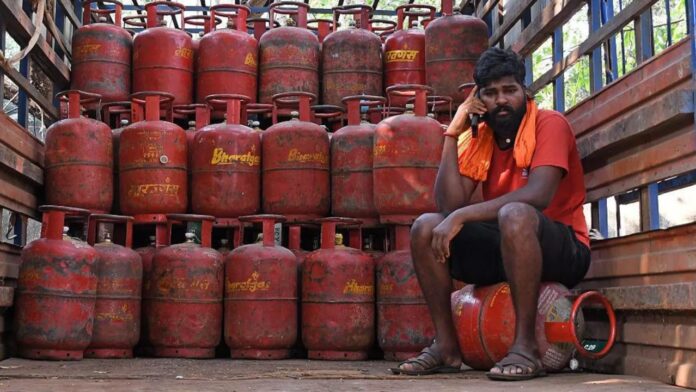
As fighting between United States, Israel and Iran continues, supplies of liquefied petroleum gas (LPG) used for cooking are tightening across India, forcing restaurants to cut services, shorten operating hours and in some cases shut down entirely.
Restaurants Hit Hardest
Restaurant operators say the shortage of commercial cooking gas is already disrupting the food service industry.
Manpreet Singh of the National Restaurant Association of India said many restaurants rely on commercial LPG cylinders or piped gas to run their kitchens.
“The situation is dire. Cooking gas simply isn’t available,” Singh said, noting that several eateries across the country have temporarily closed.
He said some restaurants have switched to alternatives such as coal, firewood and electric cookers in order to keep their businesses running.
Reports from Mumbai indicate that up to 20 percent of hotels and restaurants have either fully or partially shut down as LPG supplies tighten.
In southern cities including Bengaluru and Chennai, restaurant owners say their remaining gas supplies are nearly exhausted.
Haroon Sait, who runs a bakery and restaurant chain in Bengaluru, said the situation had forced some establishments to drastically limit their services.
“We can only make coffee and nothing else,” he said. “Businesses are going to suffer.”
Operators across the country are adjusting by shortening opening hours, limiting menu options or operating only during dinner hours.
The shortages have also triggered anxiety among consumers.
Videos circulating online show long queues outside cooking gas distribution centres in several cities as households rush to secure supplies.
India has more than 300 million domestic LPG users, making cooking gas one of the most widely used household fuels in the country.
However, government officials insist there is no nationwide shortage.
According to the Ministry of Petroleum and Natural Gas, supplies are being redirected to ensure households continue receiving cooking gas despite the international crisis.
Officials said refineries were ordered on March 8 to maximise LPG production, increasing domestic output by about 25 percent.
Priority is currently being given to domestic users and essential sectors such as hospitals and educational institutions.
Sujata Sharma said panic buying and misinformation were contributing to public concern.
“The normal delivery cycle for domestic LPG remains about two-and-a-half days,” she said.
India remains highly exposed to disruptions in global energy markets.
The country imports around 90 percent of the oil it consumes, and roughly half of its crude imports pass through the Strait of Hormuz, a strategic shipping corridor connecting the Gulf to global markets.
Most of these imports come from Iraq, Saudi Arabia, United Arab Emirates and Kuwait.
Despite the risk to crude supplies, analysts say India may be able to cushion some of the impact by increasing imports from Russia, which has been selling discounted oil to the country.
According to analyst Sumit Ritolia of Kpler, additional Russian shipments could help offset part of the supply gap caused by disruptions in the Gulf.
However, experts warn that cooking gas remains the most vulnerable fuel.
India consumes about one million barrels of LPG daily, but domestic production meets only 40 to 45 percent of that demand.
The remaining supply must be imported — and up to 90 percent of those imports pass through the Strait of Hormuz.
Even if refineries increase LPG production, analysts say domestic output could only rise to around 50 percent of demand, leaving the country still heavily reliant on overseas supplies.
Industry groups have also raised concerns about black-market trading of LPG cylinders.
Singh accused some retailers of hoarding supplies and selling them at inflated prices.
“Retailers are misusing the situation,” he said, adding that reports have emerged of cylinders being stockpiled and sold at premium rates in some towns.
For now, officials say India’s broader fuel supplies remain stable, but analysts warn that prolonged disruption in the Strait of Hormuz could intensify shortages and push energy prices higher in the weeks ahead.
The Minister of Interior, Dr Olubunmi Tunji-Ojo, says President Bola Tinubu has approved the employment of 50 medical doctors and 100 nurses across the nation’s correctional centres’ hospitals.
Mr Tunji-Ojo disclosed this on Tuesday when the Minister of Information and National Orientation, Mohammed Idris, paid him a courtesy visit in Abuja.
The minister said that the president’s approval followed the dearth of medical personnel in some correctional centres.
He said that the hospital in the correctional centre in River had no medical doctor to render service to the inmates.
According to him, the equipment in some of the correctional centres, like Kuje, can offer major surgery.
“The President understands that he is the President of all Nigerians, including those inmates. And as father to all, he has always shown that he cares,” he said.
The minister said that the Federal Government had been training inmates via train the trainer programmes.
“We have been able to build capacity through what we call train the trainer. We did what we call inmate skills audits. We went to our correctional centres, tried to know the skills these inmates had.
“We now empower you to be able to train other people. Those people who graduate, we empower them.
“We have been able to sanitise. And the president has done too well by increasing their feeding allowance by 50 per cent,” he said.
Mr Tunji-Ojo underscored the need for the Ministry of Information and National Reorientation to showcase and communicate the achievements recorded by the Ministry of Interior to the Nigerian public.
“We want you to come and see some of the things we have been able to achieve.
“And, in terms of our national security strategy, we want to collaborate more with you, so that there can be a coordinated communication strategy.
“In NSCDC, we’ve created what we call the mine marshals in collaboration with Ministry of Solid Minerals. Now securing our minefields.
“And you can see that the effect is there. There is reduction in criminality and violence within this sector. And also, protection of critical national assets,” he said.
The Information and National Orientation minister, called for improved collaboration with the Ministry of Interior to strengthen communication between the Federal Government and Nigerians.
Mr Idris pledged to communicate the reforms executed by the ministry to the public.
“Our job is to ensure that whatever we do, whatever the administration does, the Nigerian public hears it and aligns with it. This is primarily our responsibility,” he said.
Governor Soludo’s son, Ozonna Soludo, is currently trending online after sharing a video that quickly caught the attention of many Nigerians on social media.
In the viral clip, Ozonna confidently showed off his fit physique and athletic moves, leaving many viewers impressed by his energy and stage presence. The video, which circulated widely across several social media platforms, shows the young performer dancing and showcasing his body with confidence, sparking a wave of reactions from fans and critics alike.
Ozonna Soludo has been gradually building a name for himself as a creative artist and entertainer, separate from the political spotlight that surrounds his father. Known for his interest in music, fashion, and performance, he often shares content online that highlights his artistic personality and unique style.
The recent video, however, generated especially strong reactions because of its bold presentation. While many fans praised his confidence and applauded his physical fitness, others were surprised to see the son of a sitting state governor posting such expressive content online.
Despite the mixed reactions, supporters say Ozonna is simply embracing his individuality and using social media as a platform to express his creative side. Some fans also pointed out that he has consistently shown interest in music and performance, suggesting the video is part of his growing presence in the entertainment space.
Meanwhile, the clip has continued to circulate online, with many Nigerians debating the balance between public expectations for the family members of political leaders and the freedom of young people to pursue their personal passions.
For Ozonna, the moment has once again placed him in the spotlight, reinforcing his reputation as one of the more unconventional public figures connected to Nigeria’s political elite.
President Bola Tinubu has nominated a former Director-General of the Securities and Exchange Commission, Lamido Yuguda, as Deputy Governor of the Central Bank of Nigeria.
This was disclosed in a statement issued by the spokesman of the president, Chief Bayo Onanuga.
He said the appointment was made in line with Section 8(1) of the Central Bank of Nigeria Act, 2007.
Chief Onanuga said Yuguda’s nomination follows the recent appointment of the former CBN Deputy Governor, Bala Bello, as Special Adviser to the President on Political Economy.
“The President charges them to discharge their responsibilities with renewed dedication, professionalism, and commitment to Nigeria’s economic stability and growth, in their respective roles,” the statement read.
The President urged the nominee to discharge his duties with professionalism and commitment to Nigeria’s economic stability and growth.
Yuguda served as Director-General of the SEC from 2020 to 2024.
An alumnus of Ahmadu Bello University, he graduated in 1983 with a Bachelor’s degree in Accountancy and later obtained a master’s degree in Money, Banking and Finance from the University of Birmingham, United Kingdom, in 1991.
He is a Fellow of the Institute of Chartered Accountants of Nigeria and a Chartered Financial Analyst.
Yuguda began his career at the Central Bank of Nigeria in 1984 as a Senior Supervisor in the Foreign Operations Department.
He later worked as an economist in the Africa Department of the International Monetary Fund between 1997 and 2001 before returning to the CBN.
He retired from the apex bank in 2016 after serving as Director of the Reserve Management Department for six years.
(DDM) – A political support movement backing Kenneth Chibuogwu Gbandi has inaugurated a Delta North–wide mobilization committee aimed at strengthening grassroots political engagement across the Anioma region of Delta State, Nigeria.
The group, known as Friends of Kenneth Gbandi (FoKG), held its inaugural meeting in Asaba, Delta State, Nigeria, bringing together coordinators from the nine Local Government Areas that make up the Delta North Senatorial District.
Organizers described the gathering as a strategic step toward consolidating the group’s operational structure and expanding its grassroots mobilization network ahead of future political processes.
What the new mobilization structure means
The meeting marked the first formal assembly of FoKG’s grassroots leadership structure.
Coordinators representing LGAs and wards across the Anioma region attended the session.
During the meeting, participants introduced themselves, stating their names, wards, LGAs, and responsibilities within the FoKG organizational framework.
The introduction session was designed to foster collaboration among coordinators and strengthen teamwork within the political support movement.
The leadership structure discussed at the meeting spans several levels.
These include directorate-level leadership as well as LGA, ward, and polling unit coordinators.
Organizers explained that the structure is intended to ensure effective communication, coordinated mobilization, and consistent engagement with citizens at the grassroots level.
Why grassroots mobilization is central
In his remarks, Kenneth Chibuogwu Gbandi, a former Deputy National Chairman for Diaspora Engagement of the African Democratic Congress (ADC), urged coordinators to remain disciplined and focused in their mobilization efforts.
He emphasized that strong grassroots organization would be essential in building a credible political movement capable of engaging communities across wards and polling units.
Gbandi encouraged the coordinators to immediately begin consolidating teams within their respective wards and polling units.
He said early preparation and unity among members would strengthen the movement’s capacity to reach voters across the constituency.
Digital registration becomes priority
A major focus of the meeting was the rollout of the digital registration platform of the African Democratic Congress.
Coordinators were urged to intensify efforts to register supporters and volunteers across their areas.
Participants agreed that digital registration should be treated as an urgent priority because of the limited time available to expand membership.
Regular updates on registration figures were also recommended to help track progress and encourage healthy competition among LGAs.
Challenges identified by coordinators
During discussions, participants highlighted operational challenges that could affect mobilization efforts.
One of the major concerns raised was poor internet connectivity in some rural communities.
Such challenges could slow down the digital registration process in certain areas.
To address this issue, coordinators proposed practical solutions such as establishing centralized registration points and adopting offline coordination methods where internet access is unreliable.
Importance of voter registration and PVC collection
Another key topic discussed was the importance of Permanent Voter Cards (PVCs) in strengthening electoral participation.
Participants noted that mobilizing supporters to obtain their PVCs would be crucial in future political processes.
Members recommended working closely with party structures and exploring engagement with the Independent National Electoral Commission (INEC) to encourage voter registration and PVC collection across the constituency.
Next phase of the political strategy
At the conclusion of the meeting, FoKG members adopted a two-part strategy moving forward.
The first objective is to strengthen the organization’s grassroots structure across LGAs, wards, and polling units.
The second objective is to prepare for the eventual transition of FoKG into a full campaign support platform for the state chapter of the African Democratic Congress once the official campaign phase begins.
Members also agreed to maintain regular communication and share mobilization strategies to improve coordination across all levels of the organization.
The meeting ended with participants reaffirming their commitment to building a strong grassroots political movement in support of Kenneth Chibuogwu Gbandi.
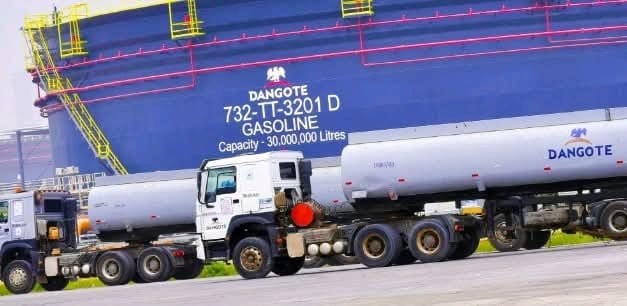
A recent reduction in petrol prices announced by the Dangote Petroleum Refinery was expected to bring immediate relief to millions of Nigerians grappling with soaring living costs. However, days after the adjustment at the wholesale level, the anticipated relief has yet to be fully reflected at filling stations across the country, leaving motorists and businesses still paying as much as ₦1,300 per litre or more for petrol.
The development has reignited concerns about longstanding inefficiencies within Nigeria’s downstream petroleum sector, where price increases are often implemented swiftly while reductions take significantly longer to reach the final consumer. For many Nigerians already struggling with rising transportation costs and inflationary pressures, the delay in passing on the benefits of the refinery’s price cut has become another symbol of the imbalance that frequently characterizes the country’s fuel market.
The Dangote refinery recently lowered its gantry price—the wholesale price at which fuel is sold to marketers—from previous levels by ₦100 per litre, bringing the new price down to ₦1,075 per litre. The adjustment came after a notable drop in international crude oil prices, which typically influence the cost of refined petroleum products worldwide.
Global oil markets had witnessed a decline in the price of Brent Crude, which fell from roughly $110 per barrel to about $92 per barrel. Analysts attributed the drop to easing geopolitical tensions and signals suggesting that confrontations involving the United States, Iran, and Israel might begin to de-escalate.
Ordinarily, such a shift in global oil prices would quickly translate into lower retail fuel prices, especially in a deregulated market environment where pricing is expected to reflect real-time market conditions. Yet across many cities and towns in Nigeria, motorists have reported little or no change at the pump.
DDM News observed that while a handful of filling stations—particularly those affiliated with NNPC Limited—have adjusted their pump prices downward, the majority of independent marketers have maintained existing rates that range between ₦1,300 and ₦1,355 per litre.
In the federal capital, Abuja, some retail outlets operated by NNPC Limited reduced their prices from around ₦1,265 per litre to approximately ₦1,161 per litre. A small number of private fuel retailers followed the adjustment. However, many other marketers have continued selling petrol at much higher prices despite the drop in wholesale costs.
This pattern has become all too familiar in Nigeria’s petroleum market. When global crude prices rise, pump prices often increase almost immediately as marketers adjust to higher supply costs. But when international prices fall, the downward adjustments at retail stations tend to occur slowly, cautiously, and unevenly across the country.
For ordinary Nigerians, this imbalance creates a perception that the system operates in only one direction—quickly passing on higher costs while delaying potential savings. The result is growing frustration among consumers who feel that market forces are not being applied fairly.
DDM News gathered that the persistent gap between depot prices and retail prices has had ripple effects throughout the broader economy. Fuel costs play a central role in Nigeria’s economic structure, influencing transportation fares, food prices, and operational expenses for small and medium-sized businesses.
Transport operators are often the first to react to increases in petrol prices. Bus drivers, taxi operators, and motorcycle riders typically raise fares immediately when fuel becomes more expensive. These increases are then passed on to commuters, who must pay more to travel to work, school, and markets.
However, when fuel prices fall at the wholesale level, transport fares rarely drop at the same pace. This creates a situation where consumers continue to bear the burden of high transportation costs long after the underlying fuel price has decreased.
For commercial transport workers themselves, the situation is equally difficult. Many operate on narrow profit margins and rely heavily on daily fuel purchases. When retail fuel prices remain elevated despite falling crude oil prices, their operating costs remain high while passenger demand weakens due to rising fares.
The situation also affects small businesses across the country. Shop owners, delivery services, farmers transporting produce, and artisans running generators all face higher operating expenses when fuel prices remain elevated. These costs ultimately contribute to broader inflation, pushing up the prices of goods and services throughout the economy.
The launch of the Dangote refinery was widely seen as a potential turning point for Nigeria’s fuel market. As one of the largest refining facilities in the world, the complex has been expected to significantly reduce the country’s dependence on imported petroleum products, a dependency that historically exposed Nigeria to fluctuations in foreign exchange rates and international shipping costs.
Industry analysts estimate that the refinery now supplies a substantial share of Nigeria’s domestic petrol demand, helping conserve billions of dollars previously spent on importing refined fuel. The refinery’s management has also implemented multiple gantry price reductions over the past year in response to changes in global crude oil markets.
These reductions were designed to ensure that local fuel prices reflect international trends while providing greater transparency within Nigeria’s petroleum supply chain. However, the benefits of such adjustments can only be realized if marketers pass them on to consumers at the pump.
This is where regulatory oversight becomes critical. Nigeria’s downstream sector is supervised by the Nigerian Midstream and Downstream Petroleum Regulatory Authority, which is responsible for ensuring transparency and fair competition among market participants.
Although Nigeria’s fuel market has been officially deregulated following the removal of government subsidies, deregulation does not eliminate the need for oversight. Regulators are still expected to ensure that market practices remain transparent and that consumers are protected from potential distortions within the supply chain.
Energy analysts argue that effective monitoring is essential to maintain public confidence in the ongoing reforms within Nigeria’s petroleum sector. If consumers consistently experience price increases without corresponding reductions when costs fall, skepticism about the fairness of the market will inevitably grow.
At the same time, global energy markets remain highly volatile. Developments in the Middle East continue to influence oil prices, particularly tensions surrounding the Strait of Hormuz, through which a significant portion of the world’s oil supply passes.
Recent disruptions linked to regional conflicts have demonstrated how quickly supply chains can be affected, causing oil prices to surge unexpectedly. International organizations such as the International Energy Agency have even taken extraordinary steps, including releasing hundreds of millions of barrels from emergency reserves to stabilize global markets.
Major oil-producing countries like Saudi Arabia and the United Arab Emirates have also explored alternative export routes to bypass potential disruptions in the Strait of Hormuz.
Against this backdrop, Nigeria’s growing domestic refining capacity offers a rare opportunity to shield its economy from some external shocks. However, the success of these reforms ultimately depends on whether the benefits of local production are actually felt by ordinary citizens.
For millions of Nigerians lining up at filling stations every day, the real measure of progress lies not in policy announcements or refinery output statistics but in the price displayed on the fuel pump. Until reductions at the depot consistently translate into lower prices at retail stations, many consumers will continue to feel that the promise of a more efficient and transparent fuel market remains only partially fulfilled.
Scorpion stings are a common health concern in many parts of the world, particularly in warm climates where the creatures are more active. While many scorpion stings cause only mild pain and swelling, some can lead to serious medical complications if not treated promptly.
Health experts advise that knowing what to do immediately after a scorpion sting can significantly reduce the risk of severe reactions and may even save a life. Acting quickly and correctly is essential, especially for children, older adults, and individuals with allergies.
Here are important steps to take immediately after a scorpion sting.
Stay Calm and Move to a Safe Area
The first step is to remain calm and move away from the scorpion to avoid being stung again. Panic can increase heart rate and spread venom through the body more quickly.
If possible, carefully identify the scorpion from a safe distance or remember its appearance, as this information may help medical professionals determine the appropriate treatment.
Clean the Sting Area
Wash the affected area gently with soap and clean water. Cleaning the wound helps reduce the risk of infection and removes any venom that may still be on the skin.
Avoid using harsh chemicals or alcohol on the sting site, as this can irritate the skin further.
Apply a Cold Compress
Placing a cold pack or ice wrapped in a cloth on the sting area can help reduce pain, swelling, and inflammation.
Apply the cold compress for about 10 minutes at a time, allowing short breaks in between to protect the skin.
Keep the Affected Limb Still
If the sting occurs on an arm or leg, try to keep the limb still and positioned slightly below heart level. Limiting movement may help slow the spread of venom through the bloodstream.
Remove Tight Items
Remove rings, bracelets, or tight clothing near the sting area, as swelling may occur quickly and make these items difficult to remove later.
Seek Medical Attention Immediately
Even if symptoms appear mild at first, it is important to seek medical care as soon as possible. Some reactions can worsen within minutes or hours after the sting.
Emergency care is especially important if the victim experiences symptoms such as difficulty breathing, severe pain, muscle twitching, vomiting, sweating, or unusual eye movements.
Avoid Dangerous Home Remedies
Health professionals warn against cutting the wound, attempting to suck out the venom, or applying unknown herbal substances. These practices can worsen the injury and increase the risk of infection.
Prevention Remains the Best Protection
To reduce the risk of scorpion stings, experts recommend keeping homes clean, sealing cracks in walls, shaking out shoes and clothing before wearing them, and using protective footwear when walking in areas where scorpions may hide.
Although most scorpion stings are not fatal, prompt first aid and medical attention can make a critical difference. Knowing these simple steps can help individuals respond effectively and protect themselves and others in emergency situations.
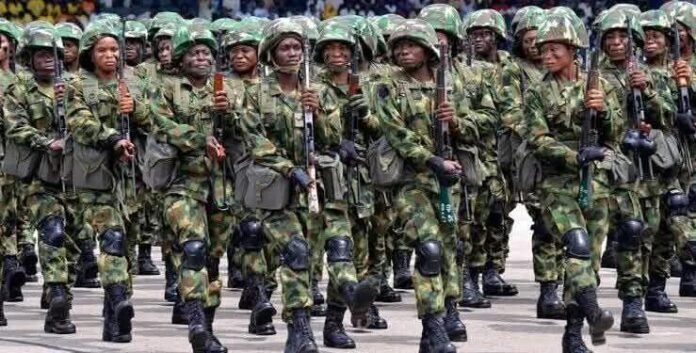
The Nigerian military has recaptured its forward operation base in Ngoshe town, Gwoza Local Government Area of Borno, in a joint operation with the Civilian Joint Task Force (CJTF), local vigilante, and hunters groups.
The base was recently overrun by terrorists, but the military swiftly regained control.
According to a military source, the General Commanding Officer, (GOC) went to Pulka and mobilized 200 troops into the deserted Ngoshe, where he assessed the situation and left.
“At least 60 soldiers were left behind, but they later retreated to Pulka when they noticed the movement of a large number of terrorists planning a counter attack.
“The brigade commander of Gwoza met us in Pulka and assured support. Today, (Wednesday) we were able to recapture Ngoshe after engaging the remaining insurgents in a gun battle,” he said.
He said the town is fully under the control of the military.
Earlier on Wednesday, Minister of Defence, Chris Musa, had summoned Service Chiefs to Abuja, over the resurgence of attacks.
No fewer than three Commanding Officers who were on the rank of Lieutenant-Colonel were recently killed by terrorists in Borno.
Apart from Commanding Officers who were killed, scores of soldiers also paid the ultimate price while hundreds of civilians, who were abducted are still in captivity.
While speaking before the meeting entered a closed-door, Defence Minister revealed that they had agreed to review the strategies on how to go harder with the terrorists.
“We know we have recorded some casualties but it is more on the side of terrorists,” the retired four-star General said.
Iran has declared it is prepared for a prolonged war of attrition that could severely damage the global economy, as tensions escalate in the Middle East following attacks involving the United States and Israel.
Iranian officials made the warning on Wednesday after the country’s forces reportedly fired on two commercial vessels and threatened ships linked to the United States or its allies operating in the region.
The development comes as Tehran tightens control over the Strait of Hormuz, a crucial maritime route through which roughly 20 percent of global oil and liquefied natural gas shipments passed.
Ali Fadavi, an adviser to the commander-in-chief of the Islamic Revolutionary Guard Corps, warned that the conflict could have devastating economic consequences.
He said the United States and Israel should prepare for a prolonged confrontation.
“The United States and Israel must consider the possibility that they will be engaged in a long-term war of attrition that will destroy the entire American economy and the world economy,” Fadavi said on Iranian state television.
Ships Targeted in Strait of Hormuz
Iran confirmed that it had struck two vessels — the Liberian-flagged container ship Express Rome and the Thai bulk carrier Mayuree Naree — after accusing them of ignoring warnings issued by Iranian naval forces.
Rescue teams from Oman evacuated 20 crew members, while search efforts were ongoing for three others believed to be trapped aboard one of the ships.
Images released by the Royal Thai Navy showed thick black smoke rising from the damaged vessel.
Oil Prices Surge
Global oil prices have surged sharply since February 28, when the United States and Israel launched military strikes against Iran that killed its supreme leader, Ali Khamenei, triggering a wider regional conflict.
In response to rising prices, the International Energy Agency announced that member countries would release 400 million barrels of oil from strategic reserves, the largest coordinated release in history.
The economic fallout from the war has intensified as Iran expands attacks against targets linked to U.S. allies in the Gulf region.
Authorities in Dubai, United Arab Emirates, reported that drones fell near Dubai International Airport, injuring four people.
Drone strikes also hit fuel storage tanks at the Salalah Port in Oman, forcing the suspension of port operations.
Meanwhile, several multinational firms, including Citigroup and Deloitte, have reportedly begun evacuating employees from Dubai due to security concerns.
World leaders have raised alarm over the situation in the Strait of Hormuz, which is vital for global energy supply and also transports a large share of fertilisers used in food production.
President Emmanuel Macron of France urged leaders of the Group of Seven nations to act quickly to restore safe navigation in the strait.
The United Nations also called on all parties to allow humanitarian cargo to pass safely through the waterway.
Despite the escalating violence, U.S. President Donald Trump said the conflict could end soon, claiming there were limited targets left for American forces to strike in Iran.
“Any time I want it to end, it will end,” Trump said in an interview, while also warning that U.S. forces could destroy key Iranian infrastructure if the war continued.
The conflict has also spread to Lebanon, where Israel Defense Forces launched new strikes against positions linked to Hezbollah in Beirut.
An Israeli airstrike hit a residential building in central Beirut, causing extensive damage and triggering a large explosion that was captured in live television footage.
Witnesses said the blast destroyed parts of the building and damaged nearby vehicles.
According to Iran’s health ministry, more than 1,200 people have been killed and over 10,000 civilians injured in U.S. and Israeli strikes since the conflict began.
The war was triggered by an initial attack that killed Iran’s supreme leader Ali Khamenei, whose son Mojtaba Khamenei has since been named his successor.
However, Mojtaba Khamenei has not appeared publicly since his appointment amid reports that he may have been wounded in the same strike that killed his father.
The crisis has raised fears of a prolonged conflict that could destabilise global energy markets and deepen economic uncertainty worldwide.
The government of South Africa has warned citizens to prepare for a possible increase in fuel prices in April due to rising global oil costs linked to the escalating conflict in the Middle East.
The alert was issued by the Department of Mineral and Petroleum Resources (DMPR), which said geopolitical tensions involving the United States, Israel, and Iran have pushed shipping costs and crude oil prices higher.
The department recently raised pump prices effective March 4, citing increased shipping rates and growing uncertainty in global energy markets.
According to the DMPR, if current oil price trends continue through the rest of March, motorists in South Africa could face record-breaking increases of up to six rand per litre when the next official price adjustment takes effect in April.
However, the department assured citizens that the country’s fuel supply remains stable, despite the volatile global situation.
South Africa’s domestic fuel production is supported by two operational refineries: Natref Refinery and Astron Energy.
These facilities rely largely on imported crude oil from West Africa and other African countries, making the country sensitive to international oil price fluctuations.
Meanwhile, the Astron Energy refinery is currently undergoing a planned maintenance shutdown. Authorities clarified that the maintenance work is not responsible for the potential fuel price increase.
Instead, the department said the expected hike is primarily linked to the ongoing Middle East conflict and its impact on global oil markets.
Fuel Supply Secured
Despite the temporary refinery shutdown, the DMPR said Astron Energy has secured sufficient fuel imports to ensure that domestic supply remains uninterrupted during the maintenance period.
The department said it would continue monitoring global developments before announcing the official fuel price adjustment for April.
Officials also expressed hope that easing geopolitical tensions could help stabilise oil markets and prevent further increases in fuel prices.
James Brown has stirred conversations online after sharing his views on body image, self-esteem, and the increasing popularity of cosmetic surgery among young Nigerians.
Speaking about the pressure many people feel to alter their bodies, the internet personality revealed that he has allegedly received several offers worth more than ₦10 million from individuals encouraging him to undergo a BBL (Brazilian Butt Lift) procedure to enhance his body. However, he said he turned down those offers because he believes strongly in self-worth and self-acceptance.
According to him, many Nigerians struggle with confidence and often feel pressured to change their appearance in order to meet certain beauty standards. He said society has created an environment where people constantly compare themselves to others and judge their own bodies harshly.
James Brown noted that some people criticize themselves for being too slim or for not having the curves that are widely celebrated on social media. He argued that this mindset can make people feel inadequate even when there is nothing wrong with their natural bodies.
He also referenced the biblical story of creation, asking why people cannot appreciate how they were made. In his view, humans should learn to embrace their natural form rather than constantly seeking approval from others or chasing unrealistic beauty expectations.
While he did not completely condemn cosmetic procedures, he suggested that surgery should not be seen as the only solution to insecurity. He explained that many people forget that cosmetic alterations are temporary and may require future adjustments or maintenance.
His comments quickly sparked reactions online, with some social media users agreeing with his message about self-love and confidence, while others argued that people should still have the freedom to make personal choices about their bodies without judgment.
The discussion has also highlighted the growing debate in Nigeria and around the world about beauty standards, body positivity, and the influence of social media on how people view themselves.
Despite the mixed reactions, James Brown’s remarks have added to an ongoing conversation about the importance of self-esteem, self-acceptance, and redefining beauty beyond societal pressure.
The African Democratic Congress (ADC) is calling on the Federal Government to introduce a temporary cap on petrol prices to prevent further increases that could worsen the cost-of-living crisis for millions of Nigerians.
The party’s spokesman, Bolaji Abdullahi, in a statement said that the recent hikes in petrol prices are a result of rising volatility in global oil markets, partly driven by the ongoing crisis in the Middle East.
“The African Democratic Congress (ADC) calls on the Federal Government to immediately introduce a temporary and time-bound cap on petrol prices to prevent further increases that continue to push the cost of living beyond the reach of millions of Nigerians,” the statement said.
“Recent hikes in petrol prices reflect rising volatility in global oil markets, driven in part by the ongoing crisis in the Middle East.”
ADC argued that external shocks cannot justify allowing fuel prices to spiral without restraint “in an already fragile economy that continues to reel from the consequences of the Tinubu-led APC government’s abrupt removal of the fuel subsidy”.
President Bola Tinubu announced the end of the petrol subsidy on May 29, 2023, during his inauguration, but Nigeria fully exited under-recovery payment when it deregulated the downstream sector in October 2024.
The Middle East conflict has ushered in unprecedented volatility in the global market as crude oil prices crossed $100 per barrel on Monday — the highest level since July 2022 — before easing to $87 on Tuesday.
Iran, on Wednesday, warned that global oil prices would reach $200 a barrel, threatening to prevent oil shipments from passing through the Strait of Hormuz.
Following the spike in crude oil and ex-gantry petrol prices, retail stations’ pump prices have skyrocketed, resulting in transport fares doubling on some major routes in Nigeria.
Dangote Petroleum Refinery, on Tuesday, reduced its ex-gantry petrol price to N1,075 per litre — after three previous hikes. However, pump prices remain elevated.
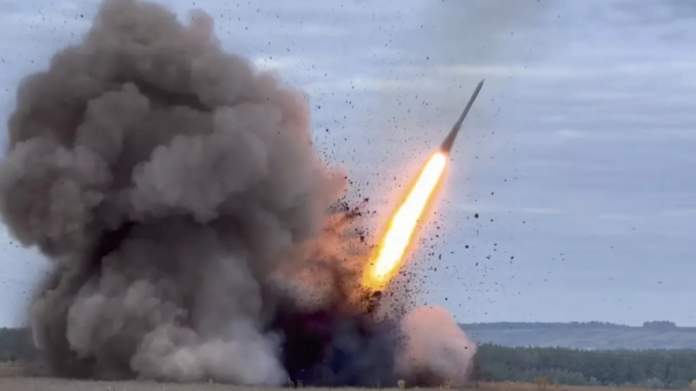
Iran has launched fresh wave of drone and missile attacks on energy infrastructure across Gulf countries on Thursday, sending global oil prices soaring again amid the escalating war involving the United States and Israel.
The renewed assaults came hours after two oil tankers were struck near Iraq, intensifying fears of disruption to global energy supplies.
Authorities said at least one crew member was killed, while 38 others were rescued following the attack on the vessels in the Persian Gulf.
The strikes form part of a wider escalation in the conflict that began after U.S. and Israeli military action against Iran, which has since spread across the Middle East.
Gulf Energy Targets Hit
On Thursday morning, Bahrain advised residents to remain indoors and shut windows after Iranian strikes targeted fuel storage tanks in the country.
In Saudi Arabia, authorities said air defence systems intercepted drones heading toward the Shaybah Oil Field as well as the diplomatic district.
Earlier, drones struck fuel storage facilities at the Salalah Port in Oman, forcing authorities to suspend operations at the facility.
Shipping activity around the strategic Strait of Hormuz also came under renewed threat.
A container ship near the United Arab Emirates was hit by what maritime authorities described as an “unknown projectile,” sparking a small fire on board. All crew members were reported safe.
Tanker Attacks in Iraqi Waters
The maritime incidents followed another attack on two oil tankers close to Iraqi waters.
Officials said the vessels were subjected to suspected sabotage, killing one crew member while rescue teams saved dozens of others.
The Iraqi government described the development as deeply concerning for regional energy security.
Strait of Hormuz Under Threat
Tensions remain especially high in the Strait of Hormuz, a narrow waterway through which roughly one-fifth of the world’s oil supply passes.
Iran has warned that it would block oil exports from the Gulf as long as U.S. and Israeli attacks on its territory continue.
In the past 24 hours alone, several maritime incidents involving commercial vessels have been reported in the region, including an attack on a Thai bulk carrier that left three crew members missing, according to shipping company Precious Shipping.
Despite the escalating attacks, U.S. President Donald Trump insisted Iran was nearing defeat.
“They are pretty much at the end of the line,” Trump told reporters, though he cautioned that the conflict would not end immediately.
He also warned that Washington could target infrastructure in Iran that might take decades to rebuild, while saying he preferred restraint if possible.
Earlier, Trump said U.S. forces had already destroyed 28 Iranian vessels used for laying naval mines.
The widening conflict has triggered sharp fluctuations in global energy markets.
Oil prices climbed above $100 per barrel, despite the International Energy Agency announcing a record release of 400 million barrels from strategic reserves.
The move includes 172 million barrels from the United States, but analysts say the release may not be enough to stabilise markets if the conflict continues to escalate.
Meanwhile, Iran’s Islamic Revolutionary Guard Corps warned it could target economic infrastructure linked to the United States and Israel across the region.
Ali Fadavi, an adviser to the Guards’ commander-in-chief, said Washington and its allies should prepare for a prolonged conflict.
“The United States and Israel must consider the possibility that they will be engaged in a long-term war of attrition that will destroy the entire American economy and the world economy,” he said on Iranian state television.
The conflict has also intensified fighting in Lebanon, where Israeli strikes targeting Iran-backed Hezbollah have killed more than 630 people, according to Lebanese authorities.
The violence has displaced more than 800,000 people, with thousands forced to take shelter in public buildings or sleep outdoors, including along the seafront in Beirut
Authorities in Kentucky have issued an arrest warrant for Laken Snelling, a former cheerleader and beauty pageant contestant, after a grand jury indicted her on a charge of first-degree manslaughter in connection with the death of a newborn baby.
The indictment followed a grand jury review of evidence presented by prosecutors, including medical findings that the infant was born alive before dying. According to officials with the Lexington Police Department, the baby’s cause of death was determined to be asphyxia by undetermined means.
Investigators say the case began after authorities received reports about a possible concealed birth. During the investigation, police allege that the baby was placed inside a trash bag shortly after being delivered. Details about the exact timeline of events have not been fully released, but officials say the findings raised serious concerns that ultimately led to the criminal charge.
A grand jury later voted to formally indict Snelling on the manslaughter charge, which under state law carries a potential sentence of 10 to 20 years in prison if she is convicted.
Law enforcement officials confirmed that an arrest warrant has now been issued, and authorities are working to take Snelling into custody as the case moves forward through the court system.
The case has drawn widespread attention due to the disturbing nature of the allegations and the fact that Snelling had previously been known in local circles as both a cheerleader and a participant in beauty pageants.
Legal experts note that a grand jury indictment does not determine guilt but means prosecutors believe there is sufficient evidence for the case to proceed to trial. Snelling will have the opportunity to respond to the charges in court, where the evidence will be examined in detail.
Meanwhile, investigators say the focus remains on ensuring a thorough legal process as the case continues to unfold.
Kanye West has been ordered by a jury in Los Angeles to pay $140,000 in damages to a handyman after a dispute over renovation work at his Malibu beachfront property.
The case was brought by Tony Saxon, who claimed he was not fully paid for work he carried out while helping renovate the mansion. Saxon also alleged that he was dismissed unfairly and worked under difficult conditions during the project. He initially sought about $1.7 million in damages, citing unpaid wages and other related costs.
After hearing testimony from both sides during the trial, the jury awarded Saxon $140,000, along with legal costs. Although the amount is far less than what he requested, the decision still represents a partial victory for the handyman.
During the trial, Saxon told the court he was hired to assist with major changes to the oceanfront house, which West purchased in 2021 for roughly $57 million. The property was designed by acclaimed Japanese architect Tadao Ando and was widely considered a striking example of minimalist modern architecture.
According to Saxon, West wanted to transform the home into a self-sustaining property. He claimed the plan included removing parts of the electrical and plumbing systems and redesigning certain features of the house. Saxon also described unusual working conditions while the renovation was underway.
West’s legal team pushed back against those claims in court. His lawyer argued that Saxon was not a licensed contractor and accused him of damaging parts of the home during the renovation process. Financial records were also presented suggesting that Saxon had already received significant payments during the period he worked on the property.
While testifying, West said he could not recall many of the interactions described by Saxon, though he acknowledged that some conversations had taken place. The rapper also denied several of the more unusual claims presented in the lawsuit.
The Malibu mansion later became the subject of attention after the extensive renovations left the property stripped down. West eventually sold the house in 2023 at a loss compared to the amount he originally paid.
Legal observers say the lawsuit is notable because it is one of several cases filed by former employees against West in recent years, many of which involve workplace disputes or payment disagreements.
With the jury now delivering its verdict, the case adds another chapter to the series of legal and public controversies that have surrounded the rapper and entrepreneur in recent years.