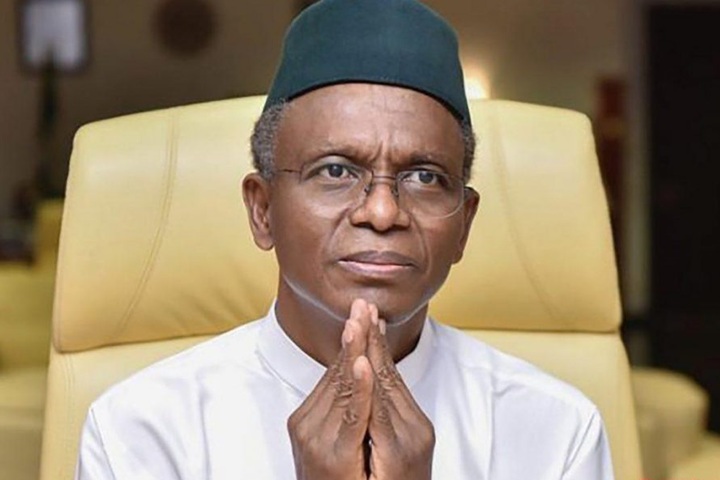
Former Kaduna State Governor, Nasir El-Rufai, will appear before the Economic and Financial Crimes Commission (EFCC) by 10:00 a.m. on Monday, February 16, 2026, his lawyer has confirmed.
Ubong Esop Akpan, counsel to the former governor, disclosed this on Thursday while reacting to an alleged attempt by security operatives to arrest El-Rufai at the Nnamdi Azikiwe International Airport, Abuja.
According to Akpan, El-Rufai was approached by security agents shortly after arriving from Cairo aboard EgyptAir flight MS 877.
The lawyer described the development as a violation of his client’s constitutional rights, accusing authorities of executive overreach and disregard for due process.
Akpan explained that the EFCC’s invitation letter was delivered to El-Rufai’s residence while he was already outside the country, making immediate compliance impossible.
“The invitation from the EFCC was delivered to Malam El-Rufai’s residence while he was already abroad, rendering it illogical to demand immediate attendance,” he said.
He added that his law firm had been in communication with the anti-graft agency since December 2025, assuring the commission that El-Rufai would honour the invitation upon his return to Nigeria.
“We explicitly notified the EFCC that he would voluntarily appear at their office by 10:00 a.m. on Monday, February 16, 2026,” Akpan stated.
The lawyer argued that any attempt to detain the former governor despite the prior commitment to appear voluntarily amounted to arbitrary conduct and a breach of procedural integrity.
He also called for the return of El-Rufai’s passport, which he alleged was seized during the airport encounter.
As of the time of filing this report, the EFCC had not issued an official response to the allegations.
Former Arsenal midfielder Thomas Partey has been hit with two additional counts of rape, bringing the total number of alleged victims in the case to four.
The new accusations stem from a separate complaint made in August, prompting the Metropolitan Police to open another investigation into an alleged incident dating back to 2020. The development comes months after the 32-year-old Ghanaian international was previously charged with five counts of rape involving two women, as well as one count of sexual assault against a third complainant.
Partey is scheduled to appear before Westminster Magistrates’ Court on March 13 for his first hearing related to the latest charges.
The footballer has consistently denied all allegations made against him. During an earlier court appearance at Southwark Crown Court, he entered not-guilty pleas and was granted conditional bail while awaiting trial.
The earlier charges relate to alleged incidents said to have taken place between 2021 and 2022, during his time as a player for Arsenal. Investigations began after police received an initial report in February 2022. Formal charges followed shortly after Partey’s contract with the North London club expired at the end of June.
A full trial under a High Court judge is currently scheduled for November 2.
Since leaving the Premier League, Partey has continued his career in Spain, joining Villarreal on a one-year contract. His signing was confirmed after the initial charges had already been filed.
Partey moved to Arsenal from Atletico Madrid in October 2020 in a deal worth over £45 million and went on to make more than a hundred league appearances for the club.
His lawyer has previously reiterated that the midfielder denies the accusations and looks forward to the legal process as an opportunity to clear his name.
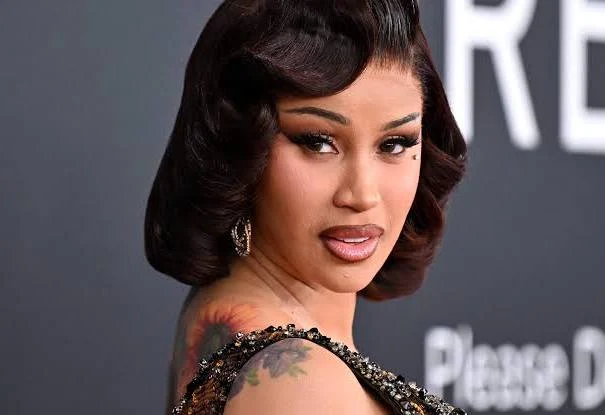
Rapper Cardi B sparked attention on social media after making a bold statement about U.S. immigration enforcement during the opening night of her Little Miss Drama tour in Palm Desert, California.
As Cardi energized a sold-out crowd, she addressed the fear and frustration some fans feel about possible actions by ICE (Immigration and Customs Enforcement), the federal agency responsible for enforcing immigration laws in the United States. In a moment that quickly went viral, Cardi told the audience that if ICE agents were to show up at her show, they would be met with resistance.
The comment highlights growing anxiety among immigrant communities and music fans about the reach of immigration enforcement, even at cultural events. While ICE does not have policies to raid concerts, the fear of raids at large gatherings has been discussed by artists and fans alike. Earlier this month, Cardi praised fellow artist Bad Bunny for speaking out against ICE’s activities and expressing solidarity with immigrant fans.
Cardi’s remarks also came during a segment of her show that celebrated her Latin fan base, punctuated by a playful rendition of La Cucaracha and an impromptu shout-out to Guatemalan and Mexican fans in the arena.
Fans reacting online were divided: some praised Cardi for “standing up” for her audience and taking a vocal stance on social issues, while others cautioned that such remarks, even made in jest, could be misinterpreted or raise unnecessary alarms.
The Little Miss Drama tour marks Cardi’s first headline arena tour in years and continues to blend energetic performances with candid moments that reflect her personality and viewpoints. The tour is scheduled to travel across the U.S. with multiple stops planned through the spring.
A Florida court has scheduled February 2027 as the trial date for US President Donald Trump’s multi-billion dollar defamation lawsuit against the BBC, according to newly released court documents.
The trial, expected to last two weeks, will take place in Miami. The development follows a judge’s decision to reject the BBC’s request to delay the discovery process in the case.
Discovery is the pre-trial phase during which both sides exchange relevant documents and evidence.
The judge ruled that the broadcaster’s request to pause the process was “premature.”
Trump is suing the BBC over the editing of a Panorama programme, alleging that two sections of a speech were cut together in a way that made it appear he had directly encouraged supporters to storm the US Capitol on January 6, 2021.
His legal team has described the edit as “false and defamatory.”
The president is seeking up to $10 billion (£7.5 billion) in damages.
The BBC has previously apologised for the edit but rejected Trump’s demand for compensation and disputed the legal basis for both the defamation and trade practices claims.
In a statement, a BBC spokesperson said: “As we have made clear previously, we will be defending this case. We are not going to make further comment on ongoing legal proceedings.”
Court filings indicate the BBC plans to submit a motion to dismiss the case by March 17, 2026, arguing that the Florida court lacks personal jurisdiction, that the venue is improper, and that Trump has failed to state a valid claim.
The judge’s latest order does not affect the broadcaster’s planned motion to dismiss.
Chairman of the Independent National Electoral Commission (INEC), Prof. Joash Ojo Amupitan (SAN)
The Independent National Electoral Commission (INEC) has proposed a total budget of N873.78 billion for the conduct of the 2027 general elections, with major allocations earmarked for election operations, technology, and capital expenditure.
INEC Chairman, Prof. Joash Amupitan, presented the proposal on Thursday before the joint committee of the Senate and House of Representatives on Electoral Matters at the National Assembly. The session was chaired by Senator Simon Bako Lalong and House counterpart, Hon. Adebayo Balogun.
Amupitan said preparations for the 2027 elections had commenced in compliance with statutory provisions requiring election funding to be appropriated at least 360 days before the scheduled date.
He stressed that early budget approval would ensure adequate planning and seamless execution of the nationwide polls.
Budget Breakdown
INEC divided the proposed budget into four major components:
Election Operations: N375.75 billion
Election Administrative Costs: N92.31 billion
Election Technology Costs: N209.21 billion
Election Capital Costs: N154.90 billion
The four components total N832.17 billion, while an additional N41.61 billion has been allocated for miscellaneous expenses, bringing the overall proposal to N873.78 billion.
The INEC chairman noted that the capital component is significantly higher than in previous election budgets, explaining that several capital items not adequately captured in earlier appropriations have now been consolidated into the 2027 proposal.
He also provided breakdown codes for each category:
Election operations (Codes 230101–230601)
Administrative costs (Codes 230703–230812)
Technology costs (Codes 230707–230811)
Capital costs (Codes 230198–320201)
Miscellaneous expenses (Code 230725)
According to Amupitan, detailed explanations of the proposed expenditures, including specific activities and cost items, are contained in the submitted document to the committee.
The proposal is now before the National Assembly for consideration and approval.
Security operatives allegedly attempted to arrest former Kaduna State Governor Nasir El-Rufai at Nnamdi Azikiwe International Airport, Abuja, upon his arrival from Cairo, Egypt.
El-Rufai’s Media Adviser, Muyiwa Adekeye, who disclosed this in a statement, claimed the operatives approached him and tried to take him into custody, but he refused without a formal invitation.
They allegedly seized his passport from an aide.
The statement reads: “Security agents today attempted to arrest Malam Nasir El-Rufai as he arrived on a flight from Cairo. Malam El-Rufai declined to follow them without a formal invitation.
“They, however, snatched his passport from an aide,” he added.
Moreover, this incident follows El-Rufai’s claim on Wednesday that he might be arrested, citing increasing political intimidation against opposition figures.
He recently defected from the ruling All Progressives Congress (APC) to the African Democratic Congress (ADC) and has intensified criticism of President Bola Tinubu’s administration.
El-Rufai’s associates have also been arrested, and he also said that political pressure is being applied to force politicians to defect to the APC.
The Nigerian Immigration Service and Federal Airports Authority of Nigeria are yet to respond officially to the development.
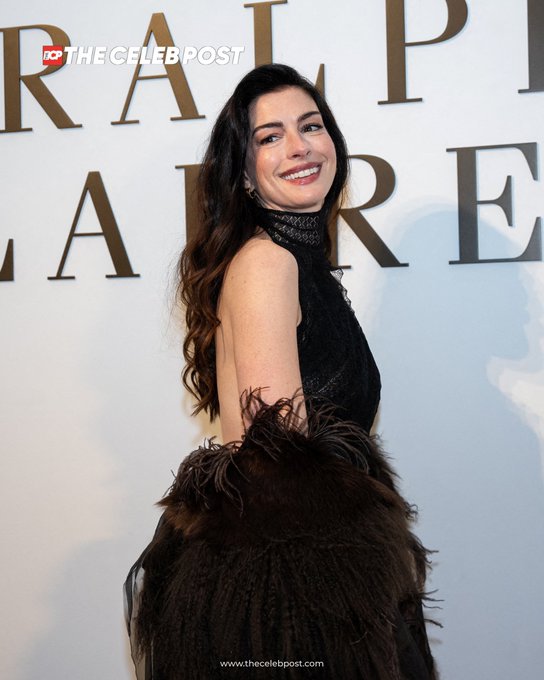
Actress Anne Hathaway has publicly celebrated the wave of emotion and cultural pride sparked by recent sporting moments, praising both Bad Bunny’s Super Bowl halftime spectacle and the success of the U.S. curling team.
Speaking enthusiastically, Hathaway said the performance, which many fans nicknamed the “Benito Bowl” was “amazing,” adding that she loved the energy and the message that surrounded it.
The Oscar winner also revealed she had just learned that the American curling team secured a silver medal, calling the achievement fantastic and another reason people should come together in celebration.
For Hathaway, however, the night was about more than entertainment or podium finishes. She highlighted the wider conversation about compassion and collective care, saying she felt encouraged by people promoting love as the path to unity.
“You know, I love all the people who are speaking right now about how unity comes about through love, and how we need each other, and how we need to really orient ourselves towards togetherness and protecting our neighbors,” Hathaway said, adding that she was happy to celebrate with those working toward that vision.
Her remarks quickly resonated with fans online, many of whom praised her for focusing on the positive spirit surrounding the events. Supporters said her reaction captured how sport and music can momentarily dissolve differences, creating shared experiences that remind people of their connection.
At a time when public discourse can often feel tense, Hathaway’s words served as a reminder that joy, pride, and empathy still have the power to unite crowds across backgrounds.
Nollywood actor Uzor Arukwe has strongly denied viral claims linking him romantically to his colleague Bamike Olawunmi, popularly known as Bambam, warning that those responsible for spreading the story will be held accountable.
Speculation erupted online after the pair appeared together in the 2025 YouTube hit Love In Every Word. Their convincing on-screen chemistry led some social media users to blur the lines between fiction and reality, with rumours alleging that the actor impregnated Bambam and caused trouble in her marriage to fellow reality star Teddy A.
The allegation gathered momentum after a post circulated on X (formerly Twitter), claiming that Bambam’s husband had discovered supposed private messages between the co-stars and that the actress was pregnant. The post triggered heated debate, with many fans reacting before any confirmation from those involved.
Breaking his silence, Arukwe dismissed the claims as entirely false and harmful. Without naming the account, he revealed that a source behind the rumour had been identified and insisted there would be consequences.
According to the actor, he refused to amplify the page by quoting it directly but stressed that spreading unverified accusations about his professional relationship with a colleague crossed a serious line.
Arukwe expressed frustration at what he described as clout-chasing at the expense of people’s reputations. He maintained that he and Bambam only worked together as actors and that attempts to turn a movie role into evidence of a real-life affair were reckless and malicious.
The controversy has once again highlighted how quickly narratives can spiral online, especially when fans become emotionally invested in characters portrayed on screen. Many supporters of both actors have since called for caution, urging the public to avoid drawing conclusions without proof.
As of now, Bambam and Teddy A have not issued any formal response regarding the rumours.
Security operatives on Thursday allegedly attempted to arrest former Kaduna State Governor, Nasir El-Rufai, upon his arrival at the Nnamdi Azikiwe International Airport, Abuja, from Cairo, Egypt.
The allegation was made by El-Rufai’s Media Adviser, Muyiwa Adekeye, in a post shared on his verified X (formerly Twitter) account shortly after the incident.
According to Adekeye, the security agents approached El-Rufai as he disembarked from his flight and requested that he accompany them. The former governor reportedly declined, insisting that he would not submit himself to arrest without a formal invitation.
“Security agents today attempted to arrest Malam Nasir El-Rufai as he arrived on a flight from Cairo. Malam El-Rufai declined to follow them without a formal invitation,” Adekeye wrote.
The aide further alleged that during the encounter, the operatives seized El-Rufai’s passport from one of his aides.
“They, however, snatched his passport from an aide,” he added.
As of the time of filing this report, no official statement had been issued by the security agencies involved to confirm or deny the allegation. Further details are expected to emerge.
Veteran Nollywood actress Omotola Jalade-Ekeinde has shared thoughtful advice for couples dealing with resistance from a partner’s family, urging them to make sincere efforts toward peace while admitting that some situations may ultimately be too difficult to fix.
Speaking during an appearance on The Morayo Show, the screen icon reflected on the realities of marriage and the importance of support systems. According to her, when relatives express disapproval, partners should first try patience, dialogue, and genuine engagement rather than rushing to walk away.
Omotola explained that, in many cases, opposition can stem from assumptions or fear of the unknown. With time and consistent effort, she believes some families may soften and begin to understand the person their child has chosen.
However, the actress was equally clear that not every situation changes. She warned that certain parents or relatives may hold deep-seated prejudices, whether about ethnicity, background, or personal expectations, and might remain unwilling to accept the relationship regardless of what the couple does.
The award-winning star also cautioned that even when acceptance appears to come, it can sometimes be uncertain. A shift in attitude today, she suggested, might not guarantee long-term harmony tomorrow.
Drawing from life experience, Omotola emphasized that marriage on its own already requires enormous commitment, compromise, and emotional strength. Adding the burden of constant conflict with in-laws, she said, can make the journey far more challenging than it needs to be.
For her, the key question couples must ask is whether they are prepared to live without the encouragement and backing that families often provide at crucial moments.
Omotola concluded by advising lovers to think deeply and realistically. While love is powerful, she implied that beginning a lifelong union in the middle of hostility may lead to avoidable hardship.
Her comments have since sparked conversations online, with many praising her balanced view — encouraging effort and reconciliation, yet acknowledging that peace of mind and stability should never be ignored.
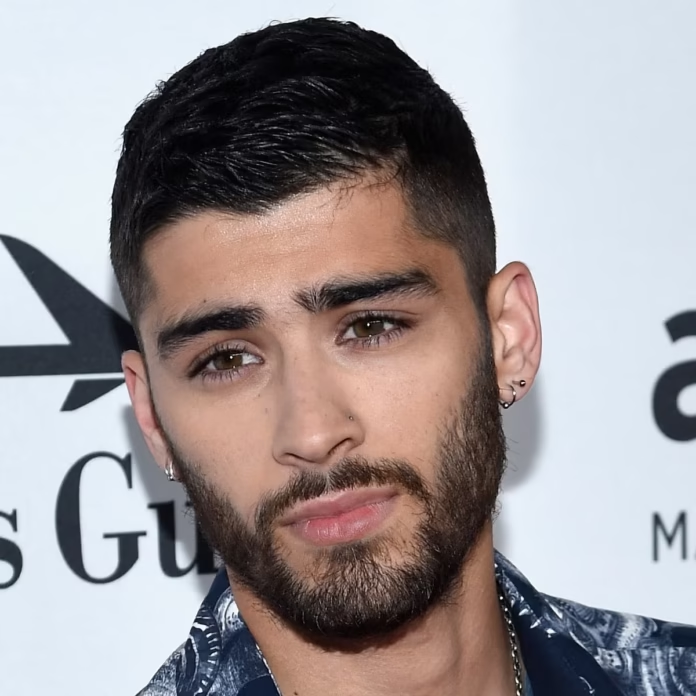
Singer Zayn Malik is opening up about lessons from his past, candidly admitting he made mistakes during his relationship with supermodel Gigi Hadid while explaining why single life now feels different for him.
In a recent conversation that quickly caught fans’ attention, the former One Direction star acknowledged that he was young at the time and did things he shouldn’t have done. Zayn admitted he spoke to other women during the relationship, a decision he now views with more maturity and self-awareness.
Looking back, the singer suggested that part of his growth has come from understanding the emotional weight of commitment. According to him, being single today removes the guilt and pressure that can come with hurting someone you care about.
Zayn described his current chapter as “freeing,” saying he can focus on himself, his well-being, and his personal journey without the expectations that accompany a serious partnership.
The remarks sparked a wave of reactions online. Some fans praised him for being honest and taking responsibility for past behavior, while others debated whether the comments were necessary given the public nature of his history with Hadid.
As always, conversations around celebrity relationships tend to reignite strong emotions among supporters, many of whom have followed Zayn and Gigi’s story for years.
Whether viewed as accountability or oversharing, the singer’s reflection highlights a broader theme of growth, regret, and learning from youthful choices.
Cardi B is turning her personal hair story into a business move. The Grammy-winning rapper has announced that she is set to launch her own hair care line, Grow-Good, following years of documenting her growth process and home-made treatments with fans.
The music star has long been open about experimenting with oils, masks, and protective styles, often showing followers how she maintains her natural hair underneath her glamorous wigs and weaves. Her candid updates built a loyal audience of supporters who regularly asked when she would bottle her secrets.
Now, it looks like that time has come.
According to Cardi, Grow-Good will focus on healthy hair, length retention, and nourishment. While she has yet to unveil the full product list, fans are already expecting conditioners, strengthening formulas, and growth oils inspired by the routines she has shared online.
The announcement immediately sparked excitement across social media, with many praising Cardi for transforming something so personal into an entrepreneurial venture. Supporters say the brand feels authentic because they have watched her journey in real time rather than hearing empty promises.
Beyond music and fashion, Cardi B continues to expand her footprint in the beauty industry, proving once again that her influence stretches far beyond the charts.
With anticipation building, followers are now waiting for release dates, pricing, and a first look at the packaging for what could become one of the most talked-about celebrity hair launches of the year.
Chief Rotimi Chibuike Amaechi, former Transportation Minister, has advised the African Democratic Congress (ADC) to zone its presidential ticket to the South for the next general election.
He said fielding a Northern candidate may hinder the party’s appeal in southern Nigeria, urging consideration of power rotation realities.
Though, he pledged to support whoever emerges as the party’s flag bearer at the primaries.
The former governor of Rivers State said this while interacting with youth groups in Kano.
“I will support whoever emerges,” he said. “But I also advise the ADC to look around and identify the best material that can convince Nigerians that things will be turned around.”
Amaechi noted that the party must consider three critical factors in choosing its presidential candidate: capacity, age, and prevailing power dynamics.
“First is capacity. Second is age. Third, which is the last point, is to respect the unwritten law of power that is now in the South,” Mr Amaechi said.
Speaking further, Amaechi said recognising the current rotation of power would make it easier for politicians and voters in the South to rally behind the party.
“They should conclude that and then transfer power to the North. It makes it easier for those of us from the South to say we are going to compete because the North has said, ‘finish all this,’” he said.
He warned that presenting a Northern candidate at a time when many Southerners believe power should remain in the South could weaken the ADC’s appeal in the region.
“If you elect somebody from the North, I’m not saying we won’t campaign, but it will be difficult to convince the South to give up power because they will ask the North, ‘Why is it that it’s only when power comes to the South that there is a problem?’” he said.
However, despite his reservations, Mr Amaechi reiterated his commitment to party unity, stressing that regional considerations would not affect his loyalty to the party.
“Whether it is a Southerner or a Northerner is immaterial; I will support whoever emerges at the primary,” he said.
Ukrainian forces have carried out overnight attacks on military and energy-related facilities in several Russian regions, local authorities said on Thursday, as cross-border strikes intensified.
Gov. Andrey Bocharov, from the regional administration’s Telegram channel, said air defence systems repelled a missile attack during the night in the southern Volgograd region.
Debris from intercepted projectiles sparked a fire on the grounds of a Russian Defence Ministry building near the village of Kotluban.
Bocharov said evacuations were ordered in the area due to ongoing detonations.
“There were no immediate reports of injuries or damage to civilian infrastructure.
“Images and videos shared on social media appeared to show multiple explosions in the region,” he said.
Ukrainian media outlets reported that rocket artillery depots in the Volgograd area were struck, though those claims could not be independently verified.
In the Tambov region, further north, two people were injured in a separate drone attack, according to Gov. Evgeny Pervyshov.
He said drone debris hit a technical college and a shop in the town of Michurinsk.
Ukrainian media also reported a drone strike on a refinery in the northern Russian republic of Komi.
Local emergency services confirmed at least one drone attack in the area but did not provide details about potential damage.
Social media images suggested the refinery might have been affected, although this could not be independently confirmed.
Authorities temporarily closed the airport in the city of Ukhta, citing security concerns.
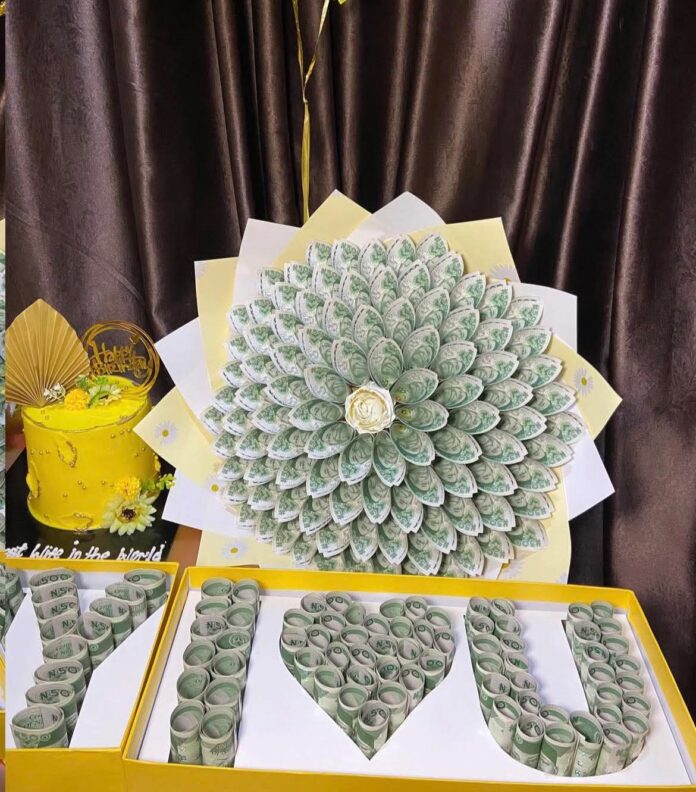
The Central Bank of Nigeria (CBN) has prohibited the use of banknotes in flower bouquets, towers, or cakes, warning that such practices amount to currency abuse.
The announcement comes ahead of Valentine’s Day, a period when Nigerians traditionally exchange gifts and flowers, sometimes incorporating cash into decorative arrangements.
The CBN cited provisions of the CBN Act, which classify tampering with the national currency including spraying, squeezing, defacing, or using banknotes in displays as punishable offenses, with penalties ranging from a minimum six-month jail term to a fine of at least ₦50,000.
Authorities have urged the public to protect the naira and report violations, as enforcement agencies ramp up actions against offenders nationwide.
The directive forms part of the government’s wider effort to maintain the integrity of the naira and prevent its misuse in non-monetary contexts.
Justice Obiora Egwuatu, on Thursday, recused (withdrew) himself from the two cases filed by the Economic and Financial Crimes Commission, EFCC, against Abubakar Malami, former Attorney-General of the Federation and Minister of Justice.
Justice Egwuatu, who was recently re-assigned the case by the Chief Judge of the Federal High Court, Justice John Tsoho, said he decided to withdraw from the two cases for personal reasons and for better interest of justice.
The development occured shortly after the civil suit for forfeiture of 57 property allegedly linked to Malami was called for mention.
The News Agency of Nigeria reports that the cases were formerly before Justice Emeka Nwite, who sat as vacation judge during the Christmas break.
Governor Charles Chukwuma Soludo made an official visit to Anambra State Polytechnic, Mgbakwu (ANSPOLY)
By Christian ABURIME
One of the timeless rhythms of life in the rural areas is that of a familiar scenario involving the mother hen with its delicate chicks on ground and a hawk hovering around in a bid to poach a chick for meal. Naturally, the mother hen stands as an eternal symbol of fierce guardianship. With wings spread wide and beak poised for battle, she confronts the circling hawk, demonstrating an uncompromising instinct to shield her brood from peril.
This primal metaphor resonates vividly in the governance matrix of Anambra State Governor, Professor Chukwuma Charles Soludo, CFR, whose warrior spirit reflects that protective ferocity.
Since day one, Governor Soludo has been known to always fearlessly confront non-state actors bent on foisting a culture of criminality and economic sabotage on Anambra. Today, the tireless combative governor keeps dismantling their insidious agendas and machinations, safeguarding Ndi Anambra and securing the state’s economy, one battle at a time.
Like the hen that never yields to the predator’s shadow, Governor Soludo’s governance embodies resilience and bravery: a refusal to surrender, a commitment to building a brighter homeland, and an ironclad resolve to protect against adversaries, whether lurking in communities or markets.
As a pragmatic leader, his body language is this: we must never give up. We must never surrender. In Soludo’s Anambra, this mantra is not an empty rhetoric but a lived reality, etched into policies that confront entrenched evils head-on. His administration’s triumphs are not accidents of fortune but the fruits of bold, decisive action, actions that have ripple effects far across the Southeast, inspiring a region weary of complacency.
A few specific cases of Governor Soludo’s protective leadership would suffice. For instance, in the shadowy underbelly of desperation, where get-rich-quick schemes often prey on the vulnerable, Governor Soludo last year struck with the precision of a mother hen defending her nest. The scourge of fake native doctors, colloquially known as ‘Oketie’ in Anambra, has long festered like a hidden wound. These charlatans, peddling illusions of instant wealth, have fueled barbaric money ritual killings, luring young men into a vortex of crime and moral decay.
Then, Soludo’s government launched a relentless crackdown, exposing these frauds and dismantling their networks through targeted security enforcement and public awareness campaigns. By rooting out these predators, he has not only saved lives but restored a sense of ethical order, ensuring that Anambra’s youths pursue prosperity through legitimate means, not diabolical money rituals.
Governor Soludo’s protective instincts also extend to the intellectual realm, where falsehoods could undermine the very foundations of progress. Last year, he ignited a firestorm by calling out ambitious politicians flaunting fake Ph.D. qualifications, a brazen affront to meritocracy that erodes public trust. Like the mother hen spotting a sly intruder in the coop, the governor refused to let such deceit go unchecked. His outspoken stance later catalysed federal intervention, culminating in a Federal Government memo warning all public officers against fraudulent credentials. This move has set a precedent, compelling a reckoning with academic integrity. In Anambra, it means governance built on genuine expertise, not hollow boasts.
Perhaps, Governor Soludo’s most emblematic triumph is the shattering of the Monday sit-at-home syndrome, a paralysing ritual that strangled Anambra’s economy and sowed fear across the Southeast. Enforced by non-state actors, this practice turned bustling markets into ghost towns, costing billions in lost productivity and stifling the spirit of a resilient people.
Solution Soludo, embodying the mother hen’s unblinking stare-down of the hawk, mounted a multifaceted offensive: ordering a deterrent one-week Onitsha Main Market shutdown, reinforcing security, and engaging traders. His decisive actions bore fruit as the Indigenous People of Biafra (IPOB) aligned with his vision, issuing an official statement from detained leader Mazi Nnamdi Kanu permanently canceling the sit-at-home across the region. Mondays in Anambra now pulse with life, schools open, businesses thrive, and families move without dread. This breakthrough is another proof of Governor Soludo’s resilience: by refusing to cower, he has reclaimed economic sovereignty, proving that collective bravery can vanquish even the most entrenched threats.
Yet, no protective saga is complete without a direct assault on the marauders. Through the ‘Agunechemba’ initiative, meaning “lion that guards the community”, Governor Soludo has unleashed a comprehensive security offensive against criminals, cultists, and unknown gunmen who once terrorised Anambra’s landscapes. This operation, blending intelligence-driven raids, community partnerships, and technological surveillance, has dismantled hideouts and restored peace to volatile areas. The results are palpable: reduced crime rates, safer roads, and a populace empowered to build without fear.
Today in Governor Soludo’s Anambra, the mother hen’s metaphor is no abstract tale; it is a real matrix for governance. His successes against fake native doctors, fraudulent qualifications, the sit-at-home curse, and rampant criminality illustrate a leader who fights not for glory, but for the sacred duty of protection. As the governor
continues to spread his fearless wings over Anambra, he inspires us all to embrace that same warrior spirit: to build a greater future, unyielding against the hawks that prowl.
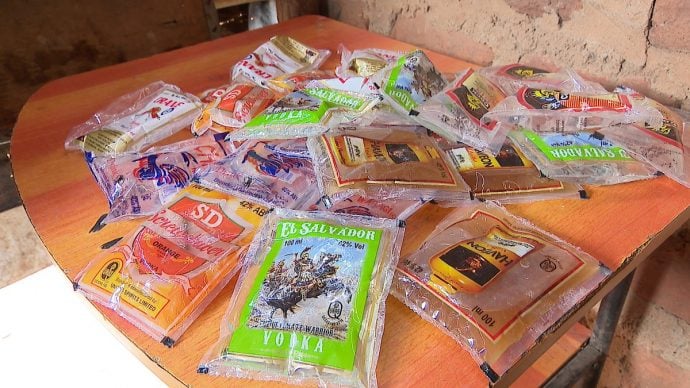
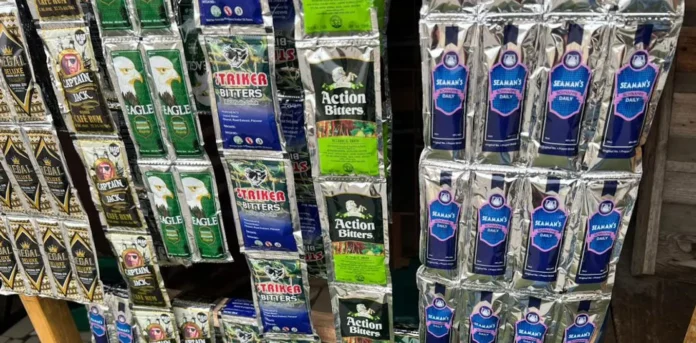
The Federal Government has directed NAFDAC to suspend enforcement actions on the proposed ban on sachet alcohol and 200ml PET bottle alcoholic products.
The government warned the agency to stop sealing factories and warehouses over the issue, citing security implications and lack of a fully implemented National Alcohol Policy.
The directive was contained in a statement issued on Wednesday in Abuja by the Special Adviser on Public Affairs to the Secretary to the Government of the Federation, Terrence Kuanum.
He said the order followed a joint intervention by the Office of the Secretary to the Government of the Federation and the Office of the National Security Adviser, which raised concerns over the security implications of continued enforcement in the absence of a fully implemented National Alcohol Policy.
“Accordingly, all actions, decisions, or enforcement measures relating to the ongoing ban on sachet alcohol are to be suspended pending the final consultations and implementation of the National Alcohol Policy and the issuance of a final directive,” the statement read.
He said although the National Alcohol Policy had been signed by the Federal Ministry of Health in line with the directive of President Bola Tinubu, both offices insisted that NAFDAC must desist from all enforcement measures until the policy is fully implemented and further directives are issued.
The government said such measures include factory shutdowns, warehouse sealing and public emphasis on the sachet alcohol ban.
According to the statement, the continued sealing of warehouses and what it described as a “de facto ban” on sachet alcohol products, without a harmonised policy framework, was already causing economic disruptions and posing security risks, particularly due to its impact on jobs, supply chains and informal distribution networks nationwide.
Kuanum said the position reinforced an earlier directive issued by the SGF’s office in December 2025, which suspended all actions relating to the proposed ban pending consultations and a final decision.
He added that the SGF’s office had also received a letter from the House of Representatives Committee on Food and Drugs Administration and Control dated November 13, 2025, raising concerns over NAFDAC’s proposed enforcement actions and referencing existing resolutions of the National Assembly on the issue.
The letter, referenced NASS/10/HR/CT.53/77 and signed by the Deputy Chairman of the committee, Hon. Uchenna Okonkwo, raised concerns over NAFDAC’s proposed enforcement actions and drew attention to existing resolutions of the National Assembly on the issue.
The Federal Government said it was reviewing legislative resolutions, public health considerations, economic implications and national interest factors surrounding the matter.
The government said the involvement of the National Security Adviser showed that the issue had gone beyond regulatory concerns, warning that premature enforcement without coordinated policy implementation could destabilise communities, worsen unemployment and trigger security challenges.
However, it assured Nigerians and industry stakeholders that a final decision would be communicated after consultations and inter-agency coordination, in the interest of public health, economic stability and national security.
The National Agency for Food and Drug Administration and Control (NAFDAC) has dismissed rumors claiming that the Federal Government had ordered a suspension of the ban on sachet alcohol and alcoholic beverages in PET bottles below 200ml.
In a statement issued Thursday, NAFDAC’s Director-General, Joseph Erunke, described the reports as false and misleading, stressing that the ban remains fully enforced. The agency confirmed it has received no government directive to halt regulatory actions related to the policy.
“As part of ongoing enforcement, NAFDAC has begun evacuating violative sachet alcohol and small PET bottle products from manufacturing sites,” the agency said. Some manufacturers have already stopped production of smaller pack sizes, acknowledging the policy’s goal to reduce underage access to alcohol.
NAFDAC noted that about 50% of minors reportedly obtain alcohol from sachets and small bottles, highlighting the need for strict compliance. The agency reiterated its commitment to public health protection, regulatory enforcement, and transparent implementation of government policies.
The statement also cautioned against the spread of unverified information, urging the public, media, and industry stakeholders to rely on official NAFDAC communications to avoid misinformation.
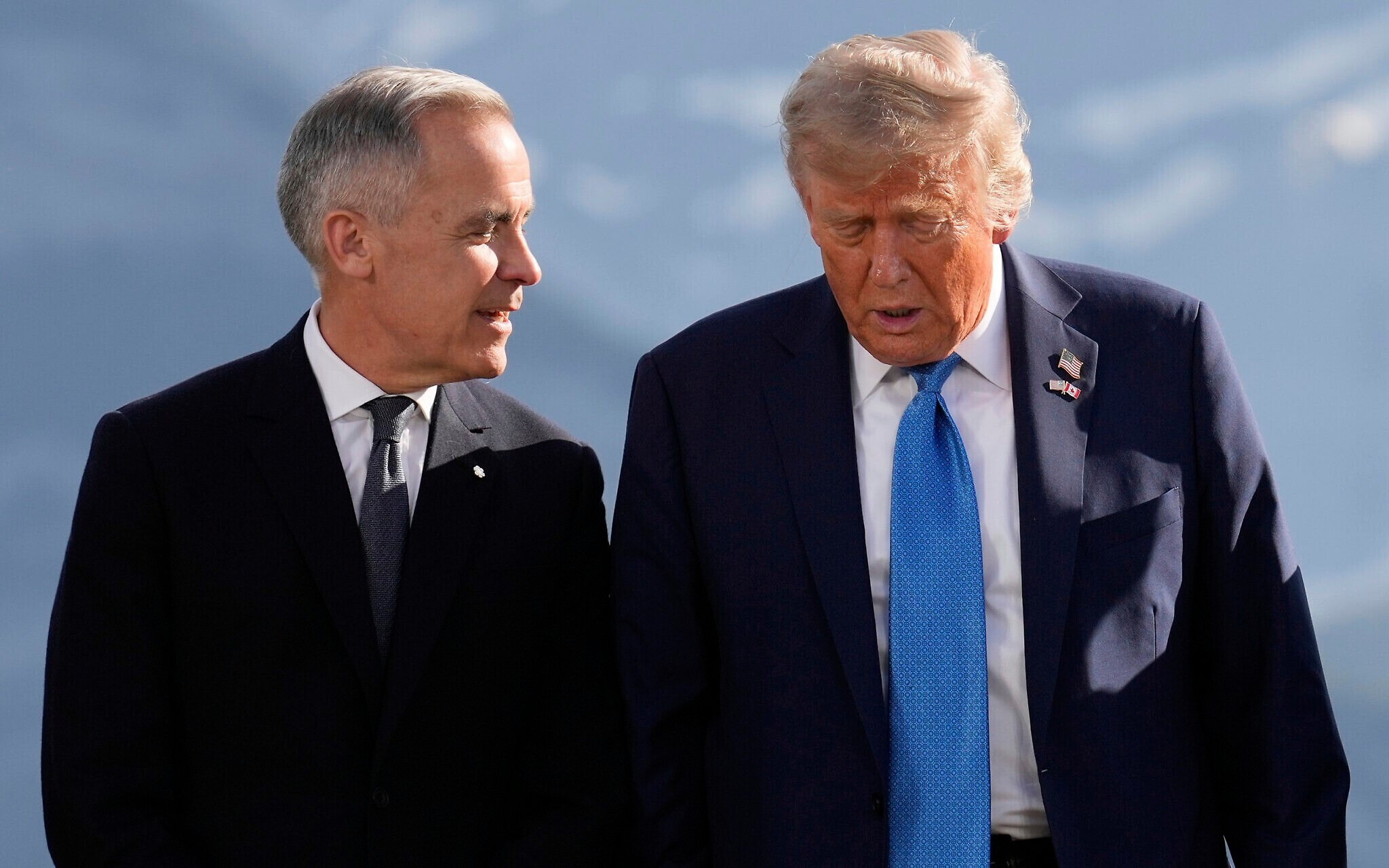
The US House of Representatives voted on Wednesday to reject former President Donald Trump’s tariffs on Canadian goods, delivering a rare rebuke of one of his signature economic policies despite his last-minute political threats.
The measure, introduced by Democrats, passed 219-211, with six Republicans joining the opposition. While largely symbolic, the vote signals growing congressional frustration with Trump’s unilateral trade actions.
Trump had warned Republicans of election consequences if they voted against his tariffs. On Truth Social, he posted:
“Any Republican, in the House or the Senate, that votes against TARIFFS will seriously suffer the consequences come Election time… no Republican should be responsible for destroying this privilege.”
The House measure alone cannot end the tariffs, as any action requires approval by the Senate and the president’s signature. Even if passed, Trump is expected to veto such legislation, and Congress would face a steep challenge to override it with a two-thirds majority.
The vote follows the expiration of a House prohibition that had previously blocked debate on Trump’s tariffs. Attempts by House Speaker Mike Johnson, a Trump ally, to renew the restriction failed, with three Republicans joining Democrats to oppose the move.
Several Republican lawmakers, including Don Bacon, argued that tariffs represent a tax on American consumers and that Congress should exercise oversight rather than outsourcing trade policy to the president.
Since returning to office early last year, Trump has imposed multiple tariffs on Canadian products, citing national emergency powers. While broad exemptions under the US-Mexico-Canada Agreement (USMCA) have softened the impact—particularly on energy and other critical imports—tariffs on autos, steel, and aluminum have significantly affected Canadian trade.
Legal challenges to Trump’s tariffs continue, with the Supreme Court expected to rule on their constitutionality. Public opinion appears critical: a Pew Research Center survey released this month found that 60% of Americans disapprove of the higher tariffs.
The vote underscores the tension between Trump’s aggressive trade policies and Congress’s constitutional authority over commerce, signaling potential friction in the months ahead.
WhatsApp has accused the Russian government of attempting to fully block the messaging platform, a move the company says was aimed at pushing users toward a state-backed surveillance app.
In a statement on Twitter on Thursday, Meta-owned WhatsApp warned that the action could impact over 100 million users in Russia.
“Today the Russian government attempted to fully block WhatsApp in an effort to drive people to a state-owned surveillance app,” the company wrote. “Trying to isolate over 100 million users from private and secure communication is a backwards step and can only lead to less safety for people in Russia.”
WhatsApp emphasized that it continues to take measures to keep users connected despite government restrictions.
The claim follows Russia’s announcement earlier this week that it would impose “phased restrictions” on the Telegram messaging platform for failing to comply with local laws.
Critics and rights activists have described these moves as part of the Kremlin’s broader crackdown on dissent, giving authorities greater control and surveillance over internet usage amid the ongoing military offensive in Ukraine.
The developments highlight ongoing tensions between global tech platforms and the Russian government over privacy, security, and state monitoring.
A suspected improvised explosive device (IED) was found at the Bayelsa State Civil Service Secretariat in Yenagoa, leading to the arrest of a 60-year-old man, identified as Pentecost Elijah.
The incident occurred on February 11, 2026, around 6 a.m., but was quickly contained by police operatives, including the Explosive Ordnance Disposal (EOD) Unit.
In a statement issued on Tuesday, the Police spokesman, DSP Musa Muhammad, explained that the Commissioner of Police, CP Iyamah Daniel Edebor, immediately mobilised operatives from the Explosive Ordnance Disposal (EOD) Unit, Special Drone Unit, and other tactical teams to the location, where the situation was quickly contained.
He said a holistic search of the area resulted in the discovery of one unexploded IED, which was successfully neutralised by EOD operatives.
The police confirmed that no casualties were recorded and no property was damaged.
Meanwhile, DSP Muhammad disclosed that the suspect is currently being interrogated at the State Criminal Investigation Department and will be arraigned in court after investigations are concluded.
The bomb scare caused panic and disrupted activities at the secretariat, located along the Ovom axis of the Yenagoa–Mbiama Road near the Bayelsa State Government House, an area that is typically busy during official hours.
As news of the incident spread, workers and visitors reportedly fled their offices over fears of a possible explosion, prompting security operatives to cordon off the premises.
As a precaution, the Head of the Bayelsa State Civil Service, Dr. Wisdom Ebiye Sawyer, was said to have ordered a shutdown of operations for the day to safeguard staff and visitors.
However, the police assured residents that the situation had been fully brought under control and urged members of the public to remain calm and continue their lawful activities.
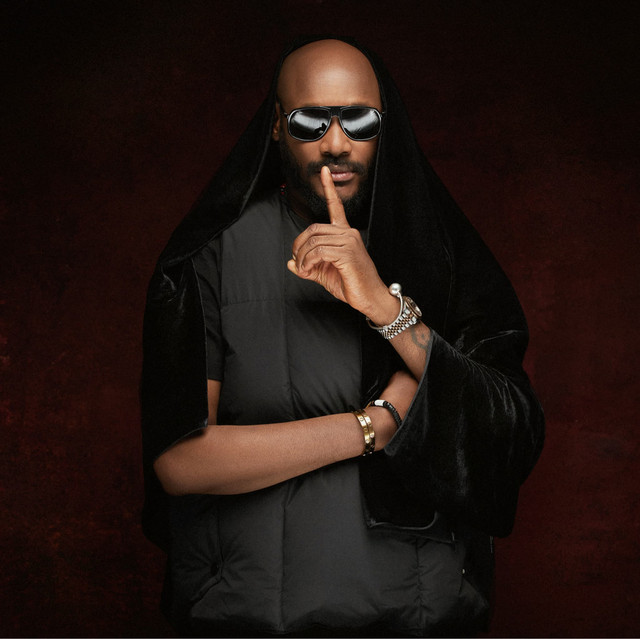
Nigerian music legend Innocent Idibia, popularly known as 2Baba, has spoken candidly about his journey as a father, revealing both gratitude and moments of emotional reflection.
The award-winning singer shared that he is blessed with eight children, a reality he says fills his heart with pride and happiness. However, alongside the joy, 2Baba admitted that he sometimes feels a deep sense of sadness about not being able to spend as much time with all of them together as he would have loved.
According to him, the demands of fame, work, and life’s complicated paths have made it difficult to always be present in the way he wishes. Even though he remains committed to supporting and loving his children, he acknowledged that the feeling of missing out on certain moments still weighs on him.
For many fans, the honesty struck a chord. The singer, admired for decades for his music and influence, showed a softer and more vulnerable side, one that many parents can relate to. Balancing career and family is never easy, and his words highlighted the emotional cost that often comes with success.
Despite the regrets, 2Baba emphasized how thankful he is for each of his children and the role they play in his life. To him, they remain a source of motivation, strength, and purpose.
His reflection has sparked conversations online about fatherhood, responsibility, and the importance of presence, with many praising him for speaking openly about a topic men in the spotlight rarely discuss.
Nigerian socialite Henry Ikeji has denied allegations that he defrauded a Romanian woman of millions of dollars through an online romance and investment scam, describing the claims as a deliberate attempt to tarnish his reputation.
In an interview with AIT on Wednesday, Ikeji rejected reports that he impersonated the Crown Prince of Dubai in a sophisticated online fraud that allegedly cost the victim around $2.5 million.
He insisted that the funds were actually paid into his account in naira and questioned the motives behind the circulating allegations.
“The money was paid to me from a naira account. While I’m explaining this, I feel there is a targeted plan to destroy my reputation because nobody believes me,” Ikeji told reporters.
He added that the public narrative had severely affected his personal and professional life.
“All my people that believe in my reputation are now doubting me.
All my friends have flown away; everybody now is calling me a criminal. All over the internet, it is circulating that I scammed a Romanian woman.”
The allegations stem from a documentary by the Organised Crime and Corruption Reporting Project, which claimed that a woman identified only as Laura was contacted on LinkedIn by someone posing as the Dubai Crown Prince.
Police in Nigeria’s National Cybercrime Centre are reviewing the documentary as part of their ongoing investigation.
A senior police official said that investigators are still in the profiling stage, and no formal complaints have been received from the alleged victim or documentary producers.
The Centre is gathering further evidence before deciding on next steps.
No charges have been filed against Ikeji, and it remains unclear whether the alleged victim has lodged a formal complaint with authorities in Nigeria or abroad.
This case highlights ongoing concerns about online romance and investment scams targeting international victims and the challenges law enforcement faces in tracing such cross-border fraud.
2023 New Nigeria People’s Party (NNPP) presidential candidate, Senator Rabiu Musa Kwankwaso
By Farooq Kperogi
I was initially surprised, shocked even, that of all northern Nigerian Muslim politicians, Rabiu Musa Kwankwaso was the one Republican congressmen singled out for a possible visa ban and asset freeze in their “Nigeria Religious Freedom and Accountability Act of 2026” bill. Daily Trust’s explainer, which I will return to shortly, clarified the logic for me.
Anyone with even the faintest familiarity with Kwankwaso’s trajectory and disposition knows that he is not, by any stretch of the imagination, a religious fanatic.
As Kano’s governor, he was famously (and for Sharia advocates, infamously) unenthusiastic about the introduction of Sharia in 2000. I know because I covered the intrigues that culminated in its declaration that year, as this screenshot testifies.
My June 30, 2000, Weekly Trust report, co-written with the paper’s then Kano correspondent Sulaiman Aliyu and titled “Sharia: Triumph of Kano Masses,” showed that Kwankwaso resisted declaring Sharia for months and was at odds with both everyday people and the Muslim clerical establishment over the matter.
Unlike in several other Muslim northern states, Kano’s Sharia bill was a private bill. Neither Kwankwaso nor state legislators sponsored it. This exposed him to such intense pressure and danger that he temporarily stopped attending public functions. His deputy, Abdullahi Ganduje, often represented him.
On some occasions, public anger directed at Kwankwaso spilled over to Ganduje, including an incident in which he was stoned during a Maulud celebration while standing in for his principal.
In my June 30 to July 6, 2000, report I summarized Kwankwaso’s predicament in these words: “The governor was trapped in a delicate cul-de-sac. And his escape route was the launching of Sharia on the 21st of June 2000.”
During the formal launch of Sharia in Kano, which I covered as Weekly Trust’s Assistant News Editor, Kwankwaso stated: “Only the state government has the right to punish offenders. We should avoid taking the law into our hands. We should not intimidate those who are not Muslims.” That is not the rhetoric of a religious extremist.
After being compelled to declare Sharia against his preferences, his implementation of it was widely perceived as lukewarm. He remained in persistent tension with segments of the ulama. This was the single most important reason why he lost reelection in 2003 to Ibrahim Shekarau, the candidate of the Kano clerical establishment.
Interestingly, Kwankwaso’s reluctance both to declare Sharia initially and to pursue an aggressive implementation afterward fed one of the more bizarre rumors about his identity. Certain individuals circulated the demonstrably false claim that he was an Igbo man whose surname was supposedly a corruption of “Okonkwo and Sons.”
Reuben Abati raised this during an Arise TV interview in early 2023, a moment I analyzed in my February 9, 2023, article titled “Kwankwaso’s Superhuman Restraint During Arise TV Interview.”
As Dr Hussaini Abdu observed during our last month’s Diaspora Dialogues podcast, “Wike, Kwankwaso and Godfatherism in the Fourth Republic,” Kwankwaso’s continuing uneasy relationship with influential clerical actors partly explains his cultivation of populist support among ordinary Kano residents.
By any reasonable political or sociological measure, Kwankwaso is an improbable candidate for accusations of religious extremism.
Why, then, did Riley Moore and his colleagues single him out? The explanation is straightforward. Kwankwaso was the only nationally prominent Nigerian politician who openly criticized the United States’ designation of Nigeria as a Country of Particular Concern.
In a public statement, he argued that the designation was unhelpful, reduced a complex problem to simplistic binaries, risked exacerbating interreligious tensions, and that cooperation would be more constructive than confrontation.
Moore reacted sharply on Twitter (now X), writing: “Governor do you care to comment on your own complicity in the death of Christians? You instituted Sharia law. You signed the law that makes so-called blasphemy punishable by death.”
Kwankwaso ignored the provocation. Even if he had chosen to respond, it is unclear how a social media exchange could have accommodated the historical and political complexities surrounding Sharia’s adoption in Kano.
The episode illustrates a familiar dynamic in contemporary politics. Public criticism of U.S. policy by foreign political actors can generate personalized responses, especially when filtered through ideological and religious advocacy frameworks. Kwankwaso’s inclusion in the bill appears less rooted in his actual record than in his dissent from a particular U.S. policy posture and his refusal to engage in a performative online dispute.
It is also important to note that the bill remains at the introduction stage in the House of Representatives. Several procedural hurdles stand between introduction and passage into law. The measure must pass committee scrutiny, secure House approval, clear the Senate, survive any reconciliation process, and receive presidential assent.
A review of Congress.gov indicates that most Nigeria-specific standalone bills do not advance beyond the introduced or referred stages.
Meanwhile, this seems to me like a rhetorical and political gift to Kwankwaso, whom I once dismissed as a “local champion” at the expense of inviting the raw rage of his supporters. He has struggled for years to gain political traction outside Kano.
This is probably the gift he has been waiting for to become the unofficial Sardauna of Hausaphone Muslim Arewa, like Muhammadu Buhari was.