WhatsApp has accused the Russian government of attempting to fully block the messaging platform, a move the company says was aimed at pushing users toward a state-backed surveillance app.
In a statement on Twitter on Thursday, Meta-owned WhatsApp warned that the action could impact over 100 million users in Russia.
“Today the Russian government attempted to fully block WhatsApp in an effort to drive people to a state-owned surveillance app,” the company wrote. “Trying to isolate over 100 million users from private and secure communication is a backwards step and can only lead to less safety for people in Russia.”
WhatsApp emphasized that it continues to take measures to keep users connected despite government restrictions.
The claim follows Russia’s announcement earlier this week that it would impose “phased restrictions” on the Telegram messaging platform for failing to comply with local laws.
Critics and rights activists have described these moves as part of the Kremlin’s broader crackdown on dissent, giving authorities greater control and surveillance over internet usage amid the ongoing military offensive in Ukraine.
The developments highlight ongoing tensions between global tech platforms and the Russian government over privacy, security, and state monitoring.
A suspected improvised explosive device (IED) was found at the Bayelsa State Civil Service Secretariat in Yenagoa, leading to the arrest of a 60-year-old man, identified as Pentecost Elijah.
The incident occurred on February 11, 2026, around 6 a.m., but was quickly contained by police operatives, including the Explosive Ordnance Disposal (EOD) Unit.
In a statement issued on Tuesday, the Police spokesman, DSP Musa Muhammad, explained that the Commissioner of Police, CP Iyamah Daniel Edebor, immediately mobilised operatives from the Explosive Ordnance Disposal (EOD) Unit, Special Drone Unit, and other tactical teams to the location, where the situation was quickly contained.
He said a holistic search of the area resulted in the discovery of one unexploded IED, which was successfully neutralised by EOD operatives.
The police confirmed that no casualties were recorded and no property was damaged.
Meanwhile, DSP Muhammad disclosed that the suspect is currently being interrogated at the State Criminal Investigation Department and will be arraigned in court after investigations are concluded.
The bomb scare caused panic and disrupted activities at the secretariat, located along the Ovom axis of the Yenagoa–Mbiama Road near the Bayelsa State Government House, an area that is typically busy during official hours.
As news of the incident spread, workers and visitors reportedly fled their offices over fears of a possible explosion, prompting security operatives to cordon off the premises.
As a precaution, the Head of the Bayelsa State Civil Service, Dr. Wisdom Ebiye Sawyer, was said to have ordered a shutdown of operations for the day to safeguard staff and visitors.
However, the police assured residents that the situation had been fully brought under control and urged members of the public to remain calm and continue their lawful activities.
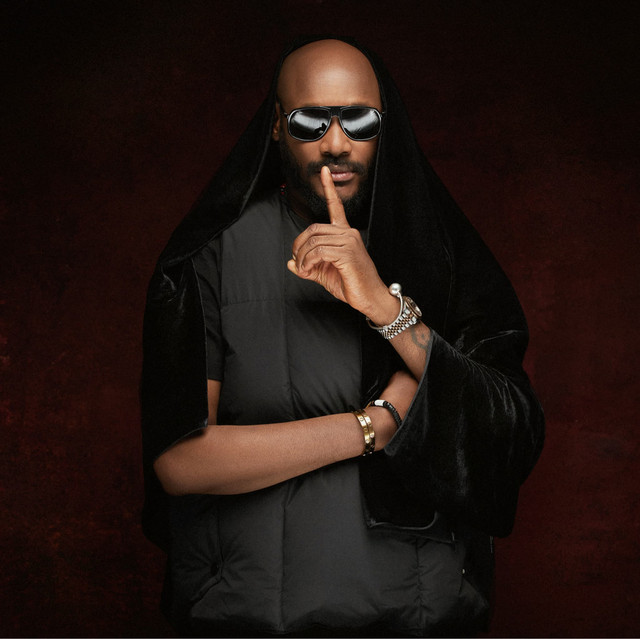
Nigerian music legend Innocent Idibia, popularly known as 2Baba, has spoken candidly about his journey as a father, revealing both gratitude and moments of emotional reflection.
The award-winning singer shared that he is blessed with eight children, a reality he says fills his heart with pride and happiness. However, alongside the joy, 2Baba admitted that he sometimes feels a deep sense of sadness about not being able to spend as much time with all of them together as he would have loved.
According to him, the demands of fame, work, and life’s complicated paths have made it difficult to always be present in the way he wishes. Even though he remains committed to supporting and loving his children, he acknowledged that the feeling of missing out on certain moments still weighs on him.
For many fans, the honesty struck a chord. The singer, admired for decades for his music and influence, showed a softer and more vulnerable side, one that many parents can relate to. Balancing career and family is never easy, and his words highlighted the emotional cost that often comes with success.
Despite the regrets, 2Baba emphasized how thankful he is for each of his children and the role they play in his life. To him, they remain a source of motivation, strength, and purpose.
His reflection has sparked conversations online about fatherhood, responsibility, and the importance of presence, with many praising him for speaking openly about a topic men in the spotlight rarely discuss.
Nigerian socialite Henry Ikeji has denied allegations that he defrauded a Romanian woman of millions of dollars through an online romance and investment scam, describing the claims as a deliberate attempt to tarnish his reputation.
In an interview with AIT on Wednesday, Ikeji rejected reports that he impersonated the Crown Prince of Dubai in a sophisticated online fraud that allegedly cost the victim around $2.5 million.
He insisted that the funds were actually paid into his account in naira and questioned the motives behind the circulating allegations.
“The money was paid to me from a naira account. While I’m explaining this, I feel there is a targeted plan to destroy my reputation because nobody believes me,” Ikeji told reporters.
He added that the public narrative had severely affected his personal and professional life.
“All my people that believe in my reputation are now doubting me.
All my friends have flown away; everybody now is calling me a criminal. All over the internet, it is circulating that I scammed a Romanian woman.”
The allegations stem from a documentary by the Organised Crime and Corruption Reporting Project, which claimed that a woman identified only as Laura was contacted on LinkedIn by someone posing as the Dubai Crown Prince.
Police in Nigeria’s National Cybercrime Centre are reviewing the documentary as part of their ongoing investigation.
A senior police official said that investigators are still in the profiling stage, and no formal complaints have been received from the alleged victim or documentary producers.
The Centre is gathering further evidence before deciding on next steps.
No charges have been filed against Ikeji, and it remains unclear whether the alleged victim has lodged a formal complaint with authorities in Nigeria or abroad.
This case highlights ongoing concerns about online romance and investment scams targeting international victims and the challenges law enforcement faces in tracing such cross-border fraud.
2023 New Nigeria People’s Party (NNPP) presidential candidate, Senator Rabiu Musa Kwankwaso
By Farooq Kperogi
I was initially surprised, shocked even, that of all northern Nigerian Muslim politicians, Rabiu Musa Kwankwaso was the one Republican congressmen singled out for a possible visa ban and asset freeze in their “Nigeria Religious Freedom and Accountability Act of 2026” bill. Daily Trust’s explainer, which I will return to shortly, clarified the logic for me.
Anyone with even the faintest familiarity with Kwankwaso’s trajectory and disposition knows that he is not, by any stretch of the imagination, a religious fanatic.
As Kano’s governor, he was famously (and for Sharia advocates, infamously) unenthusiastic about the introduction of Sharia in 2000. I know because I covered the intrigues that culminated in its declaration that year, as this screenshot testifies.
My June 30, 2000, Weekly Trust report, co-written with the paper’s then Kano correspondent Sulaiman Aliyu and titled “Sharia: Triumph of Kano Masses,” showed that Kwankwaso resisted declaring Sharia for months and was at odds with both everyday people and the Muslim clerical establishment over the matter.
Unlike in several other Muslim northern states, Kano’s Sharia bill was a private bill. Neither Kwankwaso nor state legislators sponsored it. This exposed him to such intense pressure and danger that he temporarily stopped attending public functions. His deputy, Abdullahi Ganduje, often represented him.
On some occasions, public anger directed at Kwankwaso spilled over to Ganduje, including an incident in which he was stoned during a Maulud celebration while standing in for his principal.
In my June 30 to July 6, 2000, report I summarized Kwankwaso’s predicament in these words: “The governor was trapped in a delicate cul-de-sac. And his escape route was the launching of Sharia on the 21st of June 2000.”
During the formal launch of Sharia in Kano, which I covered as Weekly Trust’s Assistant News Editor, Kwankwaso stated: “Only the state government has the right to punish offenders. We should avoid taking the law into our hands. We should not intimidate those who are not Muslims.” That is not the rhetoric of a religious extremist.
After being compelled to declare Sharia against his preferences, his implementation of it was widely perceived as lukewarm. He remained in persistent tension with segments of the ulama. This was the single most important reason why he lost reelection in 2003 to Ibrahim Shekarau, the candidate of the Kano clerical establishment.
Interestingly, Kwankwaso’s reluctance both to declare Sharia initially and to pursue an aggressive implementation afterward fed one of the more bizarre rumors about his identity. Certain individuals circulated the demonstrably false claim that he was an Igbo man whose surname was supposedly a corruption of “Okonkwo and Sons.”
Reuben Abati raised this during an Arise TV interview in early 2023, a moment I analyzed in my February 9, 2023, article titled “Kwankwaso’s Superhuman Restraint During Arise TV Interview.”
As Dr Hussaini Abdu observed during our last month’s Diaspora Dialogues podcast, “Wike, Kwankwaso and Godfatherism in the Fourth Republic,” Kwankwaso’s continuing uneasy relationship with influential clerical actors partly explains his cultivation of populist support among ordinary Kano residents.
By any reasonable political or sociological measure, Kwankwaso is an improbable candidate for accusations of religious extremism.
Why, then, did Riley Moore and his colleagues single him out? The explanation is straightforward. Kwankwaso was the only nationally prominent Nigerian politician who openly criticized the United States’ designation of Nigeria as a Country of Particular Concern.
In a public statement, he argued that the designation was unhelpful, reduced a complex problem to simplistic binaries, risked exacerbating interreligious tensions, and that cooperation would be more constructive than confrontation.
Moore reacted sharply on Twitter (now X), writing: “Governor do you care to comment on your own complicity in the death of Christians? You instituted Sharia law. You signed the law that makes so-called blasphemy punishable by death.”
Kwankwaso ignored the provocation. Even if he had chosen to respond, it is unclear how a social media exchange could have accommodated the historical and political complexities surrounding Sharia’s adoption in Kano.
The episode illustrates a familiar dynamic in contemporary politics. Public criticism of U.S. policy by foreign political actors can generate personalized responses, especially when filtered through ideological and religious advocacy frameworks. Kwankwaso’s inclusion in the bill appears less rooted in his actual record than in his dissent from a particular U.S. policy posture and his refusal to engage in a performative online dispute.
It is also important to note that the bill remains at the introduction stage in the House of Representatives. Several procedural hurdles stand between introduction and passage into law. The measure must pass committee scrutiny, secure House approval, clear the Senate, survive any reconciliation process, and receive presidential assent.
A review of Congress.gov indicates that most Nigeria-specific standalone bills do not advance beyond the introduced or referred stages.
Meanwhile, this seems to me like a rhetorical and political gift to Kwankwaso, whom I once dismissed as a “local champion” at the expense of inviting the raw rage of his supporters. He has struggled for years to gain political traction outside Kano.
This is probably the gift he has been waiting for to become the unofficial Sardauna of Hausaphone Muslim Arewa, like Muhammadu Buhari was.
2023 New Nigeria People’s Party (NNPP) presidential candidate, Senator Rabiu Musa Kwankwaso
The Kwankwasiyya Movement has formally opposed a move by five US lawmakers to include its leader, Senator Rabiu Musa Kwankwaso, in proposed sanctions over alleged “severe religious freedom violations” in Nigeria.
The legislation, titled the Nigeria Religious Freedom and Accountability Act 2026 (HR 7457), was introduced in the US Congress on Tuesday. If passed, it would require the US Departments of State and Treasury to impose visa bans and freeze assets belonging to Kwankwaso and groups such as the Miyetti Allah Cattle Breeders Association (MACBAN) for their alleged role in persecuting Christians.
In a statement on Thursday, Kwankwasiyya spokesperson Habibu Sale Mohammed described the allegations as “unfounded” and “politically motivated,” urging the US Congress to remove Kwankwaso’s name from the bill.
The movement specifically challenged claims by US Representative Riley Moore, a sponsor of the bill, who reportedly linked Kwankwaso to religious extremism due to his implementation of Sharia law as governor of Kano State. The group emphasized that Sharia-based legal systems in northern Nigeria were constitutional developments, not initiatives of any single individual.
“The constitutional development of Sharia-based legal systems… was neither unique to Kano State nor the initiative of one individual,” the statement read. “To single out Senator Kwankwaso while similar arrangements exist in other states raises serious questions about the evidentiary basis of such recommendations.”
Kwankwaso, a former Deputy Speaker of the House of Representatives, two-term Governor of Kano State, Minister of Defence, and Senator, has never been formally charged with religious persecution or human rights violations, the movement added. It also highlighted his efforts to curb extremist threats and protect citizens across religious divides during his tenure.
The statement cited Kwankwaso’s 2023 presidential campaign, in which he partnered with Bishop Isaac Idahosa as his running mate, as evidence of his commitment to religious inclusion and national balance.
“The United States maintains diplomatic and strategic relationships with countries whose legal systems incorporate Islamic jurisprudence,” the movement said, urging lawmakers to respect Nigeria’s constitutional sovereignty and legal pluralism.
The Kwankwasiyya Movement concluded by reaffirming support for Kwankwaso, describing him as “a nationalist, a democrat, and a statesman whose public service has been anchored on justice, unity, and inclusive governance.”
The bill’s sponsors are Representatives Chris Smith, Riley Moore, Brian Mast, Mario Diaz-Balart, and Bill Huizenga. It alleges that Kwankwaso has contributed to systemic persecution of Christians in Nigeria.
The movement called on the US Congress to reject the recommendation against Kwankwaso and allow due diligence and objective assessment to prevail.
A school principal has died after a teenage gunman opened fire at a school in southern Thailand, authorities confirmed on Thursday.
The attack occurred on Wednesday at Phatong Prathan Khiriwat School in Songkhla province, near Hat Yai.
Police said the 18-year-old suspect stormed the school armed with a 9mm pistol stolen from a police officer shortly before the incident.
School director Sasiphat Sinsamosorn was shot in the chest and later died in hospital from blood loss after undergoing surgery, according to a statement from the Songkhla provincial public relations department. Authorities described her as a “brave teacher.”
Two students were also injured in the shooting. A teenage girl sustained gunshot wounds and underwent surgery, the Ministry of Public Health said.
Another student was hurt after jumping from the second floor of the school building while trying to escape but has since been discharged from hospital.
Songkhla police chief Teerasak Chaiyotha said officers responded to reports of a teenager “acting erratically” before the shooting.
According to police, the suspect allegedly stabbed an officer with a knife and seized his firearm before heading to the school, where several shots were fired.
Police shot and arrested the suspect at the scene.
He sustained a minor gunshot wound and is receiving treatment in hospital. Authorities said he has not yet been formally charged as investigations continue.
Teerasak added that the suspect had previously been hospitalised for psychiatric treatment in December and was later discharged.
The school expressed its “deepest condolences” in a Facebook post, saying, “Although we have lost her, the memories and kindness she left behind will forever remain in our hearts.”
Classes at the school have been suspended for two days as investigators gather evidence and officials review security measures.
Thailand has one of the highest rates of gun ownership in Southeast Asia, with an estimated 10 million firearms in circulation roughly one for every seven people.
Despite repeated promises to tighten gun laws, the country has experienced several high-profile shootings in recent years.
In 2022, a former police officer killed 36 people including 24 children in a mass shooting and stabbing at a nursery in northern Thailand, one of the deadliest attacks in the nation’s history.
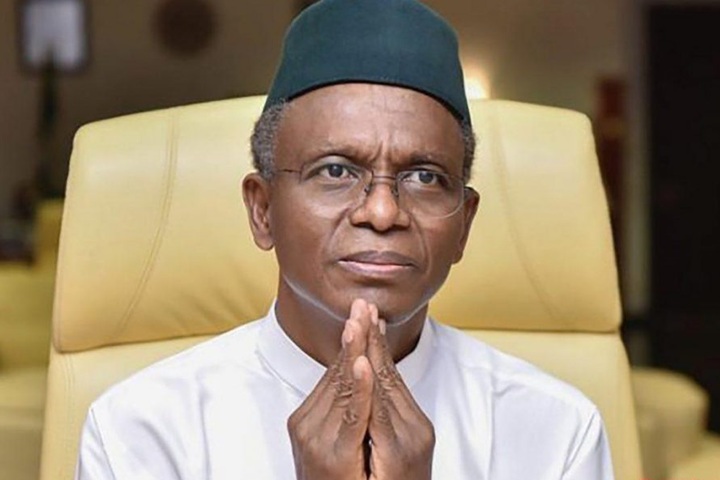
Former Kaduna State Governor, Malam Nasir El-Rufai, has alleged that the federal government may be planning to arrest him.
He claimed four people he worked with in Kaduna have been arrested, saying “it’s only a matter of time before they come for me too”.
El-rufai said this during an interview with BBC Hausa on Wednesday.
El-Rufai, a chieftain of the African Democratic Congress (ADC), has intensified criticism of President Bola Tinubu’s administration and the APC.
“Four people we worked with in Kaduna have been arrested; so it’s only a matter of time before they come for me too,” El-Rufai said.
Meanwhile, this is coming amid the arrest and ongoing trial of former Attorney-General of the Federation, Abubakar Malami, who is currently in custody.
The Economic and Financial Crimes Commission (EFCC) has accused Malami of offences including abuse of office and money laundering.
Although, authorities later re-arrested him over alleged involvement in terrorism financing.
Malami, a prominent figure in opposition to President Tinubu, has denied all allegations, describing them as a political witch-hunt following his defection from the APC to the ADC.
The death of a Nigerian student, Douglas Izevbigie, in the United Kingdom has raised fresh concerns within the Nigerian community about chronic illnesses among citizens living abroad.
Diaspora Digital Media gathered that Izevbigie, 37, died on January 21 at a UK hospital after battling an aggressive form of leukaemia.
A GoFundMe appeal was subsequently launched to support his burial and assist his family with related expenses.
The fundraiser, created by a woman identified as Sephora, described as a colleague of his sister, Kate, stated that Douglas travelled to the UK in 2024 as an international student to pursue a master’s degree at Sheffield Hallam University.
According to the appeal, he was diagnosed with aggressive leukaemia midway through his studies last year and spent extended periods in and out of hospital due to complications.
“In the middle of his studies last year, he was diagnosed with an aggressive form of leukaemia. He underwent treatment and was frequently in and out of the hospital with complications,” Sephora wrote.
“Even through it all, he continued trying to keep up with his studies, showing remarkable strength and determination.”
She further disclosed that Douglas was found unwell and unresponsive in his room by his sister before being rushed to the Accident and Emergency unit, where he later died despite urgent medical intervention.
The loss, she said, has been particularly devastating for Kate, who recently lost their mother in Nigeria and had been Douglas’ primary support system throughout his illness.
The family has indicated plans to bury him in the UK due to the high cost of repatriating his remains to Nigeria.
“We are raising money to cover Douglas’ funeral expenses here in the UK, as well as any other unexpected costs that may come up during this time. The family’s plan is to lay him to rest here, as repatriation and funeral costs in Nigeria would be far too expensive,” the appeal stated.
Following news of his death, several Nigerians took to social media to express concern about what they described as a rising number of chronic illness cases among Nigerians living in the UK.
One user, Modupe Adeboye-Ayoroh, wrote on X, “Now this is the height of ‘too many’ Nigerians in the UK falling sick with chronic illnesses and passing away shortly after. Can doctors look into this pattern and educate people on what could be the causes?”
Another user, @EmperorJakarta, advised Nigerians relocating to the UK to prioritise early medical registration and comprehensive health checks.
“Every Nigerian that comes to the UK should be encouraged to immediately register with a GP and do full body checks… to ensure there aren’t underlying issues,” the post read.
An acquaintance, Osamuyi, described Douglas’ death as a painful loss, while another commentator, Olumide Adeyemi, questioned whether increased diagnoses of leukaemia among Nigerians in the UK were due to better detection abroad.
Douglas’ passing comes less than a week after the death of another UK-based Nigerian, Saburi Adeniji, a footballer with Kings Park Rangers Football Club of Sudbury, who died following a severe brain stem injury.
The recent incidents have intensified conversations within the Nigerian diaspora about health awareness, early diagnosis, and access to medical care overseas.
Nigerian entrepreneur and influencer Ifedayo Agoro has stirred conversation online after sharing her opinion about a popular wedding reception tradition where brides are asked to kneel while feeding their husbands.
Agoro, known for her advocacy around women’s empowerment and independence, questioned the expectation that the symbolic act should automatically fall on the bride. According to her, moments like weddings should reflect love, partnership, and mutual respect rather than reinforce pressure or one-sided displays of submission.
Her statement quickly generated mixed reactions across social media. While many people agreed with her stance, arguing that marriage should be about equality and shared responsibility, others defended the custom as a cultural expression of honor and humility rather than oppression.
Supporters of Agoro said traditions should evolve with time and personal values. They believe couples should be free to choose what fits their relationship without being judged or forced into practices that make them uncomfortable.
On the other hand, critics argued that kneeling at weddings is deeply rooted in heritage and is often performed willingly. For them, it is a sign of respect and does not necessarily reduce a woman’s status in marriage.
The conversation highlights the growing tension between modern perspectives and long-standing cultural practices. As more women speak openly about their preferences, weddings are increasingly becoming spaces where couples redefine what tradition means to them.
Whether viewed as romantic, symbolic, or outdated, Agoro’s comment has once again pushed the topic of gender roles in marriage into the spotlight.
United States President Donald Trump has warned that Iran could face severe consequences, including possible military action, if it fails to comply with Washington’s demands on its nuclear and ballistic missile programmes.
In comments published Tuesday by Israeli broadcaster Channel 12, Trump said negotiations with Tehran remain an option but cautioned that failure to reach an agreement would trigger strong measures.
“Either we reach a deal, or we’ll have to do something very tough,” Trump said.
His remarks come amid renewed diplomatic engagement between US and Iranian officials, who held talks last week in Oman. Iran’s senior security official, Ali Larijani, is currently meeting with Oman’s Sultan Haitham bin Tariq Al Said to review the outcome of those discussions.
In recent weeks, the Trump administration has increased military deployments in the Middle East. The Pentagon has sent what Trump described as a “massive armada” to the region, including the aircraft carrier USS Abraham Lincoln. US media outlets, including Channel 12 and Axios, reported that Washington is also considering deploying a second aircraft carrier to the area.
The military buildup has heightened concerns of a potential US strike on Iran, with critics warning that such action could further destabilise an already volatile region.
On Monday, US authorities issued guidance to American-flagged commercial vessels, advising them to remain “as far as possible” from Iranian territorial waters.
Since returning to office in January, Trump has intensified pressure on Tehran, warning that the US military is “locked and loaded and ready to go” if diplomatic efforts fail.
The escalating rhetoric underscores growing tensions as Washington pushes for stricter limits on Iran’s nuclear enrichment activities and ballistic missile capabilities, while Tehran insists on protecting its sovereign rights.
The World Health Organization (WHO) has renewed its call for transparency over the origins of Covid-19, urging the United States to release any intelligence it may be withholding about how the pandemic began.
The appeal comes years after the global outbreak first emerged and despite Washington’s formal withdrawal from the UN health agency.
The Covid-19 pandemic killed an estimated 20 million people worldwide, according to the WHO, devastating economies, crippling health systems and disrupting lives on an unprecedented scale.
The first known cases were detected in Wuhan, China, in late 2019. Determining the origins of the SARS-CoV-2 virus is widely regarded as critical to preventing future pandemics.
On his first day back in office in January 2025, US President Donald Trump issued a one-year notice withdrawing the United States from the WHO, accusing the organisation of mishandling the pandemic.
His administration has publicly supported the theory that the virus leaked from a virology laboratory in Wuhan.
However, WHO Director-General Tedros Adhanom Ghebreyesus said the United States did not share any new intelligence with the agency before completing its withdrawal.
“Some countries have publicly said they have intelligence about the origins — especially the US,” Tedros told a press conference on Wednesday.
He revealed that several months ago, the WHO formally wrote to senior US officials requesting any relevant intelligence information.
“We haven’t received any information,” he said.
“We hope they will share, because we haven’t still concluded the Covid origins. Knowing what happened could help us to prevent the next pandemic.”
The WHO’s investigations into the origins of Covid-19 have so far remained inconclusive, with all major hypotheses including natural spillover and laboratory leak still under consideration.
Maria Van Kerkhove, the WHO’s epidemic and pandemic threat management chief, said the agency continues to follow up with governments that claim to possess intelligence on the matter.
“We continue to follow up with all governments that have said that they have intelligence reports, the US included,” she said.
“We don’t have those reports to date, other than what is publicly available.”
As the US withdrawal period expired on January 22, Secretary of State Marco Rubio and Health Secretary Robert F. Kennedy Jr. accused the WHO of obstructing the timely and accurate sharing of critical information during the pandemic.
In response, the WHO rejected those claims, stating that “the reverse is true.”
Although the WHO constitution does not contain a withdrawal clause, the United States reserved the right to exit when it joined the organisation in 1948, provided it gave one year’s notice and settled its financial obligations.
According to WHO data, Washington has yet to pay its 2024 and 2025 contributions, amounting to approximately $260 million.
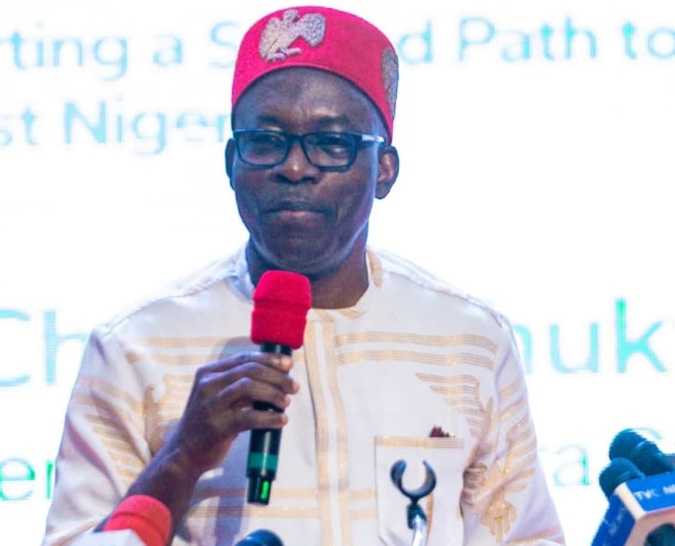
The governor of Anambra State, Chukwuma Charles Soludo, said on Wednesday that his administration has destroyed over 62 criminal camps in the state.
The governor also said the Southeast geopolitical zone lost heavily from the sit-at-home order declared by the Indigenous People of Biafra (IPOB) over the incarceration of Nnamdi Kanu, with some people diverting their businesses and investments outside the zone as a result.
He added, however, that with the stoppage of the sit-at-home, over 45,000 shops reopened on Monday at Onitsha Main Market, with business activities at their peak and traders in jubilation.
Professor Soludo stated this while speaking with State House correspondents after a closed-door meeting with President Bola Tinubu at the Presidential Villa, Abuja.
Soludo said that in an attempt to stamp out criminality in the state and ensure it is secure, he set up a vigilante group called Agunechemba, as well as the anti-cult group and the anti-touting body, adding that the different groups are working collaboratively and very effectively.
He said: “When I assumed office, so far since I came into office, about 62 criminal camps have been dismantled in Anambra, and we’re not resting for one second. In Anambra, we pride ourselves on being the safest — if not, modestly, one of the safest — states in the country, and security is key.”
The New Nigeria Peoples Party (NNPP) has rejected a proposal by some United States lawmakers to blacklist its national leader, Senator Rabiu Musa Kwankwaso, over alleged religious freedom violations.
The proposal reportedly seeks to impose a visa ban on Kwankwaso and freeze his assets, alongside sanctions targeting the Miyetti Allah Cattle Breeders Association and certain Fulani groups.
Reacting to the development, the NNPP’s National Publicity Secretary, Ladipo Johnson, described the move as unfair and politically motivated, insisting that Kwankwaso has no record of religious intolerance.
Daily Trust had earlier reported that some US congressmen sponsored a bill seeking sanctions against Kwankwaso and others over what they termed “severe religious freedom violations.”
However, Johnson dismissed the allegations, stating that Kwankwaso had never been involved in actions that undermine religious freedom.
“We see this development as a contrived action against an innocent man who clearly has no relationship with religious fundamentalism in Nigeria,” Johnson said.
He argued that Kwankwaso’s public record — both in office and in private life — demonstrates his commitment to national unity and peaceful coexistence.
The NNPP also referenced comments previously made by Kwankwaso when President Donald Trump redesignated Nigeria as a “Country of Particular Concern” over alleged religious persecution. At the time, Kwankwaso cautioned against what he described as oversimplified characterisations of Nigeria’s security challenges, emphasising the country’s sovereignty and the complex nature of its internal threats.
Johnson further addressed comments reportedly made by US Representative Riley Moore, who questioned Kwankwaso’s role in implementing Sharia law in Kano State during his tenure as governor.
Kano, alongside several northern states including Zamfara, Sokoto, Katsina, Yobe, Jigawa and Borno, adopted the Islamic legal code in the early 2000s.
“But is this enough to accuse Kwankwaso of severe religious freedom violations?” Johnson asked. “Why were other governors who introduced Sharia not similarly accused? Is this fair or selective?”
He also pointed to Kwankwaso’s political history, noting his past alliance with former President Olusegun Obasanjo and his 2023 presidential ticket, which featured Bishop Isaac Idahosa, a Christian cleric, as his running mate.
According to the party, these examples reflect Kwankwaso’s cross-religious political engagements and undermine claims of religious extremism.
The NNPP called on US lawmakers, particularly Representatives Riley Moore and Chris Smith, to conduct a thorough investigation before reaching conclusions.
“We urge the Congress to ensure that justice is done and that Senator Rabiu Musa Kwankwaso’s name is cleared of such undue embarrassment,” Johnson said.
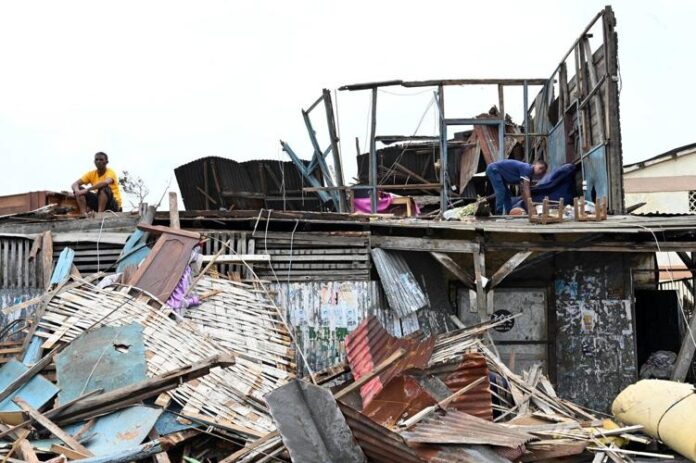
A powerful cyclone struck Madagascar’s east coast on Tuesday, killing at least 20 people and causing extensive destruction, authorities have confirmed.
Cyclone Gezani made landfall in the coastal city of Toamasina with winds reaching 250 kilometres (155 miles) per hour, according to the National Office for Risk and Disaster Management.
In an updated statement on Wednesday, the agency said 20 people had died — many after houses collapsed under the force of the storm. Fifteen others were reported missing, while at least 33 sustained injuries.
Drone footage released by authorities showed severe flooding across Toamasina, a city of about 400,000 residents located roughly 220 kilometres northeast of the capital, Antananarivo. Roofs were ripped off buildings, trees uprooted, and major roads blocked by debris.
Officials reported extensive damage across the surrounding Atsinanana region, noting that assessments were ongoing.
“It’s total chaos: 90 percent of house roofs have been blown off, entirely or in part,” said Rija Randrianarisoa, head of disaster management at the humanitarian group Action Against Hunger.
“The roads are completely inaccessible because of fallen trees and sheets of metal,” he told AFP.
A Toamasina resident described the storm as “monstrous,” saying the winds were strong enough to bring down solid walls.
Although the cyclone weakened after making landfall, it continued moving inland, raising fears of further flooding.
President Michael Randrianirina, who assumed office in October, travelled to Toamasina on Wednesday to assess the scale of the devastation.
The Regional Specialised Meteorological Centre (CMRS) on France’s Reunion Island said Toamasina was “directly hit by the most intense part” of the storm.
It noted that the landfall could rank among the strongest recorded in the region in the satellite era comparable to Cyclone Geralda in February 1994, which killed at least 200 people and affected about half a million.
Cyclone season in the southwest Indian Ocean typically runs from November to April and produces around a dozen storms annually.
Malaria remains one of the world’s most persistent public health challenges, with more than 200 million cases reported globally each year. In Nigeria, the burden is especially heavy, accounting for a substantial proportion of these infections and making malaria a familiar illness in many households.
While mosquito transmission is the primary cause of malaria, health experts warn that another overlooked factor contributes to repeated infections: the way the disease is often treated at the community level.
A common scenario illustrates the problem. An individual begins to feel feverish, weak, and chilled. Instead of visiting a clinic for a diagnostic test, they stop at a nearby chemist or patent medicine shop and request “something for malaria.” Within minutes, they are handed a small nylon bag containing a mixture of tablets, often without a confirmed diagnosis, detailed instructions, or professional supervision only brief directions such as “take morning and night.”
This informal approach to treatment is widespread across many communities. Although many drug vendors are well-meaning, medical professionals caution that the medications dispensed in such combinations are frequently not properly dosed or clinically appropriate. The consequences, they say, can be serious.
Incomplete Treatment and Recurring Infection
One of the most significant risks of unsupervised drug combinations is incomplete treatment. When antimalarial medicines are taken in insufficient doses or incorrect combinations, symptoms may temporarily subside, but the parasite may not be fully eliminated from the bloodstream. This allows the infection to resurface, leading many patients to believe their malaria “keeps coming back,” when in reality it was never completely treated.
Strain on Vital Organs
Health specialists also warn that taking multiple medications simultaneously without proper medical assessment can place unnecessary stress on the liver and kidneys. Repeated exposure to inappropriate drug mixtures throughout the year increases the likelihood of adverse effects, particularly among individuals with underlying health conditions.
Misdiagnosis and Mistreatment
Another major concern is that not every fever is caused by malaria. Illnesses such as typhoid fever, viral infections, exhaustion, or dehydration can produce symptoms similar to malaria. Without laboratory confirmation, patients may unknowingly treat the wrong condition, delaying accurate diagnosis and appropriate care while exposing themselves to potent medications they may not need.
A Call for Proper Testing and Guidance
Public health authorities continue to emphasize the importance of confirmed testing before treatment. Rapid diagnostic tests and laboratory screening remain the safest way to determine whether malaria parasites are present. Proper diagnosis ensures patients receive the correct medication, in the right dosage, for the appropriate duration.
As malaria continues to affect millions, experts stress that responsible treatment practices are just as critical as prevention measures. Avoiding self-medication and seeking professional medical guidance can significantly reduce recurring infections, protect vital organs, and improve overall health outcomes.
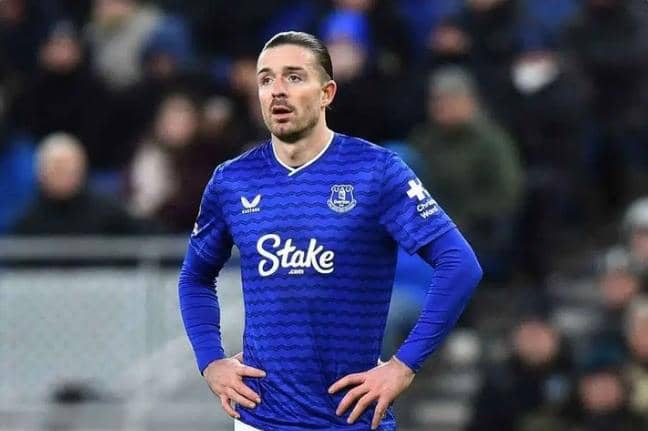
(DDM) – Jack Grealish, the high-profile English footballer currently playing for Everton on loan, has landed in legal trouble after a Liverpool court fined him for failing to identify a driver linked to a traffic violation involving his luxury Lamborghini.
Diaspora Digital Media (DDM) gathered that the case has stirred debate among football fans and road safety advocates, because it mixes celebrity privilege, legal responsibility, and public accountability.
A Liverpool magistrates’ court ordered Grealish to pay a total of £1,044 after authorities connected his £210,000 Lamborghini to a red-light offence during a late-night drive in September 2025.
Traffic cameras captured the sky-blue supercar moving through a junction on Leeds Street and Vauxhall Road about 1.4 seconds after the signal turned red.
Prosecutors, however, did not ultimately convict Grealish for running the red light itself.
Instead, the court found him guilty of failing to provide information about who drove the car at the time of the offence, which UK law requires vehicle owners to do when police make a formal request.
Merseyside Police officers reportedly sent multiple letters to addresses linked to the player, including a Manchester residence and a high-value property in Cheshire.
Authorities said Grealish did not supply the requested identification details within the legal timeframe.
Kevin Scott, a safer roads unit manager with Merseyside Police, told the court that officers followed standard procedure when they contacted the footballer.
The magistrate issued six penalty points on Grealish’s driving licence, alongside a £660 fine, £120 in court costs, and a £264 victim surcharge.
The incident occurred shortly after 11:30 p.m. on September 12, just one day before Grealish played in a Premier League match against his former club, Aston Villa, which ended in a goalless draw.
The timing drew attention because it placed the incident right in the middle of the football season, when professional players usually follow strict schedules and club rules.
Grealish built a reputation as one of England’s most talented and marketable midfielders over the past decade.
He rose to prominence as Aston Villa’s captain before his record-breaking £100 million transfer to Manchester City in 2021, which made him the most expensive British player at the time.
He later joined Everton on loan, seeking more playing time and a fresh start.
Recent reports say injury has already ruled him out for the remainder of the 2025–26 season, adding to what many observers see as a difficult period in his career.
Some critics argue that high-earning athletes should model responsible behavior, especially on public roads.
Others counter that celebrities deserve the same legal treatment as any citizen, neither harsher nor softer.
UK road safety laws treat failure to identify a driver as a serious offence because it can obstruct enforcement of traffic regulations.
Legal experts note that many similar cases end in fines and penalty points, even for non-celebrities.
Still, Grealish’s status ensures that his case attracts far more media coverage than usual.
Neither Grealish nor his representatives have issued a detailed public statement addressing the court’s decision as of press time.
The case has nevertheless revived conversations about discipline, fame, and responsibility in modern football, where players live under constant public scrutiny.
Former Kaduna State governor and prominent member of the opposition African Democratic Congress (ADC), Malam Nasir El-Rufai, has alleged a possible plot by security operatives to arrest him.
Speaking in an interview with the BBC Hausa Service, El-Rufai disclosed that although he has not been arrested, several of his former associates have been detained, fueling concerns that he could be targeted next.
“About four people we worked with in Kaduna have been arrested. So, it may only be a matter of time before they come for me as well,” he said during the interview.
His comments come amid heightened political tension following the arrest and prosecution of Nigeria’s former Attorney-General of the Federation and Minister of Justice, Abubakar Malami.
Malami, who is facing multiple allegations, has remained in custody. The Economic and Financial Crimes Commission (EFCC) has accused him of offences including abuse of office and money laundering.
He was subsequently re-arrested by the Department of State Services (DSS) over separate allegations linked to terrorism financing.
Malami, regarded as a prominent figure among opposition elements critical of President Bola Tinubu, has denied all allegations.
Convener of #RevolutionNow and Publisher of Sahara Reporters, Omoyele Sowore
Human rights activist Omoyele Sowore has said that 90% of National Assembly members would lose their seats if Nigeria’s elections were truly transparent.
Sowore made the claim while reacting to the ongoing debate surrounding amendments to the Electoral Act, particularly the provisions on electronic transmission of election results.
On Tuesday, the Senate approved amendments allowing the electronic transmission of results, a development widely welcomed by Nigerians.
However, lawmakers retained a clause permitting manual collation in areas with poor internet connectivity, a provision critics have described as unnecessary and open to abuse.
While speaking on Channels Television on Wednesday, Sowore argued that legislators are unwilling to introduce reforms that would guarantee credible elections because such measures threaten their political survival.
He dismissed claims that network challenges justify manual collation, describing them as mere excuses.
He advocated for full electronic voting, citing India’s successful model with minimal disputes, and questions why Nigerians can’t vote electronically from home.
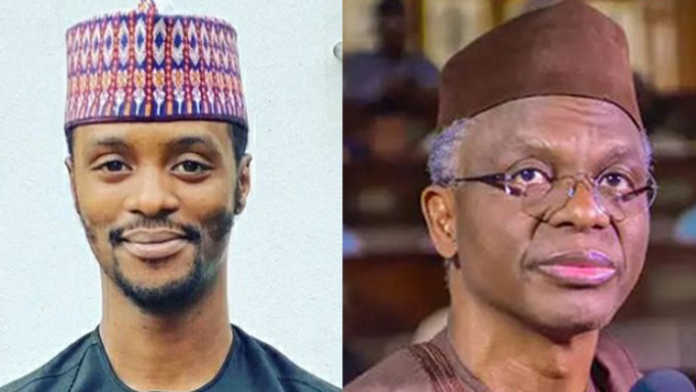
Hon. Mohammed Bello El-Rufai, member of the House of Representatives representing Kaduna North, has reaffirmed his loyalty to the ruling All Progressives Congress (APC).
Bello, son of former Kaduna State Governor Mallam Nasir El-Rufai, made the declaration in a post on his X (formerly Twitter) account.
He stressed that while he loves and respects his father, he also holds President Bola Ahmed Tinubu in high regard.
The lawmaker was responding to a comment by an X user, @utddiehard_, who accused him of aligning with his father, now a member of the African Democratic Congress (ADC).
In his response, Bello maintained that his commitment to the APC remains unwavering and that he would never compromise his values.
“I love my father. I respect Asiwaju. I will never do anything against my party’s interest as long as I am a member. But I will never compromise my principles,” he wrote.
He further added, “After all, God is bigger than PMB, Asiwaju, Mallam, and Buhari. It is God and Kaduna North who will judge me.
“My oath was with the Qur’an, the Constitution, and the APC Constitution. Any data boy and his sponsor will bow before me whenever they try to drag me. And that’s what it is.”
Landmark peace agreements have been signed between herders and farmers in parts of Plateau State in a renewed effort to strengthen inter-ethnic cooperation and reduce recurring clashes in rural communities.
The agreements, involving residents of Sha in Bokkos Local Government Area and Bum and Sopp communities in Riyom LGA, are aimed at addressing persistent tensions between the two dominant groups and fostering lasting social cohesion.
A total of 25 resolutions were endorsed by representatives of farmer and herder communities.
The process was facilitated by women leaders, youth actors, and members of disadvantaged groups, who played key roles in mediating dialogue and building trust.
The peace deal was brokered by the Institute for Integrated Transitions (IFIT) with funding support from the German GIZ Peace Core II Project under the BMZ Nigeria Cooperation framework.
It followed six months of intensive engagement between the parties, during which they examined the root causes and triggers of violence in their communities.
Key issues addressed in the agreements include deliberate damage to farmlands and crops, compensation mechanisms for destroyed produce, obstruction of cattle routes and watering points, incidents of sexual violence, harassment and provocative utterances, and the practice of allowing underage children to graze livestock, often leading to crop destruction.
Other areas covered are procedures for implementing compensation claims, preventing violent reactions during disputes over grazing and farming activities, tackling drug and substance abuse, and addressing kidnappings.
The communities also resolved to end collective accusations and ethnic profiling linked to criminal acts.
The agreements were formalised during a learning and exchange workshop on building social cohesion in rural Plateau communities, held at Novel Hotel and Suites in Jos.
Speaking at the event, IFIT Country Director, Thomas Vimba Jnr., said the initiative sought to empower local actors to drive their own peace processes rather than impose external solutions.
He explained that IFIT facilitated negotiated settlements in six rural communities across Riyom and Bokkos LGAs by strengthening the leadership capacities of women, youths, and vulnerable groups, giving them platforms to co-facilitate dialogue and conflict resolution.
According to him, the project was conceived in response to rising violence in Plateau’s rural areas, with the primary objective of reducing farmer-herder conflicts through community-led solutions.
GIZ representative, Seth Keplan, noted that the Middle Belt region was selected because of its ethnic and religious diversity, making it particularly vulnerable to identity-based conflicts.
He described Plateau State as strategically important due to the “spillover effects” of violence, warning that instability in the state could have broader regional consequences. The project, he added, also targets neighbouring Nasarawa State to address cross-border conflict dynamics.
Director-General of the Plateau Peace Building Agency (PPBA), Julie Sanda, described the initiative as part of a broader multi-stakeholder peacebuilding effort in the state.
She said the agency’s role is to coordinate peacebuilding interventions and ensure sustainability beyond the lifespan of donor-funded projects.
“Beyond coordination, we focus on building structures that can sustain peace efforts even after partners exit. Community engagement and social cohesion remain central to our mandate,” she said.
Sanda emphasised the importance of engaging directly with communities and empowering them to take ownership of the peace process, noting that sustainable solutions must come from those most affected by the conflict.
The agreements are seen as a significant step toward restoring trust and promoting peaceful coexistence in Plateau’s conflict-prone rural communities.
2023 New Nigeria People’s Party (NNPP) presidential candidate, Senator Rabiu Musa Kwankwaso
The United States Congress has proposed targeted sanctions, including visa bans and asset freezes, against former Kano State governor, Rabiu Musa Kwankwaso, and members of Miyetti Allah groups over alleged involvement in religious violence in northern Nigeria.
The proposed legislation, titled the Nigeria Religious Freedom and Accountability Act of 2026, was introduced on Tuesday by Chris Smith, Chairman of the House Foreign Affairs Subcommittee on Africa, alongside Congressman Riley Moore.
According to the draft bill submitted to the U.S. House of Representatives, the lawmakers urged the U.S. Department of State and the Department of the Treasury to impose sanctions under the Global Magnitsky Human Rights Accountability Act on individuals and entities accused of severe religious rights violations.
“The Department of State and the Department of Treasury should impose targeted sanctions, including visa bans and asset freezes, on individuals and entities responsible for severe religious violations,” the bill stated.
Among those listed for possible sanctions are Fulani ethnic nomad militias, Rabiu Musa Kwankwaso, the Miyetti Allah Cattle Breeders Association of Nigeria, and Miyetti Allah Kautal Hore.
The move comes amid renewed diplomatic tension between Washington and Abuja over allegations of religious persecution in Nigeria.
In 2025, U.S. President Donald Trump redesignated Nigeria as a “Country of Particular Concern,” citing what he described as widespread violence against Christians a claim that sparked debate within Nigeria’s political and religious communities.
The bill referenced several incidents, including the October 2025 killings in Plateau State and the case of Sunday Jackson, a farmer who spent nearly a decade in prison and was sentenced to death for killing a Fulani herder.
Jackson was later pardoned in 2025 following international advocacy and diplomatic engagement.
In addition to visa restrictions and asset freezes, the lawmakers are calling for a formal review to determine whether certain Fulani militias should be designated as foreign terrorist organisations.
The bill also seeks investigations into individuals and networks allegedly sponsoring armed groups linked to violence in northern Nigeria.
If passed, the legislation could affect diplomatic relations between Nigeria and the United States, particularly at a time when security cooperation between both countries has expanded. Reports indicate that in December, U.S. forces conducted airstrikes in Sokoto targeting suspected terrorist hideouts.
The United States has also announced plans to deploy 200 troops to support Nigeria’s counter-terrorism operations.
As of press time, there has been no official response from Kwankwaso, Miyetti Allah officials, or the Nigerian Presidency regarding the proposed sanctions.
While it remains uncertain whether the bill will pass both chambers of Congress, its introduction signals increased scrutiny from Washington over Nigeria’s handling of religious violence and accountability for those implicated.