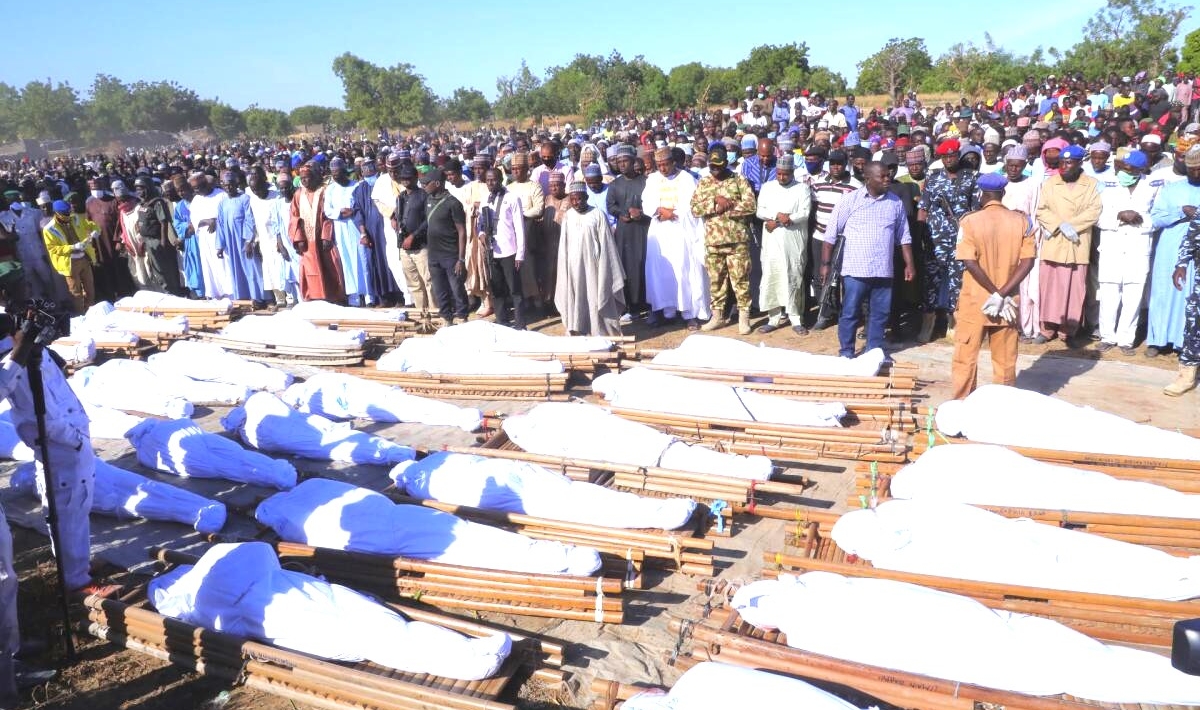
An Enugu State High Court has ordered the British government to pay £420 million in compensation to the families of 21 Nigerian coal miners killed by colonial officers at the Iva Valley Coal Mine in Enugu in 1949.
Justice Anthony Onovo ruled that the killing was unlawful and a grave historical injustice, ordering £20 million to be paid to each family with 10% post-judgment interest.
The miners were protesting poor working conditions and racial wage disparities when colonial police opened fire, killing 21 and injuring 51.
The victims were identified as Sunday Anyasodo, Ani Oha, Andrew J. Obiekwe Okonkwo, Augustine Chiwetalu, Onoh Ugwu, Ngwu Offor, Ndunguba Eze, Okafor Agu, Livinus Ukachunwa, Jonathan Agu Ozoani, Moses Ikegbu Okoloha, Chukwu Ugwu, Thomas Chukwu, Simon Nwachukwu, Agu Alo, Ogbonnia Ani Chima, Nnaji Nwachukwu, William Nwaku, James Onoh Ekeowa, Felix Nnaji and Ani Nwaekwe.
The suit, marked E/909/2024, was instituted by human rights activist, Mazi Greg Onoh, who asked the court to compel the British Government to accept responsibility for the massacre, issue a formal apology and pay adequate compensation to the victims’ families.
Those listed as respondents were the Secretary of State for Foreign, Commonwealth and Development Affairs, the British Government, the Federal Government of Nigeria, the Attorney-General of the Federation, and the Head of the Commonwealth Government of the United Kingdom.
At the hearing, no legal representation appeared for the British Government and some other foreign respondents.
In his ruling, Justice Onovo dismissed claims of sovereign immunity and held that Nigerian courts have the authority to hear cases involving grave historical human rights abuses.
“These defenseless coal miners were asking for improved work conditions. They were not embarking on any violent action against the authorities, yet they were shot and killed,” the judge said.
He further ordered the British Government to issue unreserved written apologies to the victims’ families through their counsel. The apologies are to be published in Nigeria’s Daily Sun, Daily Independent and The Punch newspapers, as well as in three major national newspapers in the United Kingdom.
Proof of publication must be filed in court within 60 days, while the compensation must be fully paid within 90 days of the judgment.
Justice Onovo also held that the Federal Government of Nigeria and the Attorney-General of the Federation failed in their constitutional duty to seek justice for the victims, describing their decades of inaction as a dereliction of responsibility.
He ordered the Nigerian government to begin diplomatic engagement with the British Government within 60 days to ensure enforcement of the judgment and payment of the reparations.
“The argument that Nigeria was under colonial rule when the killings were committed is hereby struck out,” the judge ruled.
While reacting to the decision, counsel to the applicants, Prof. Yemi Akinseye-George, SAN, and P.N. Agazie, described the ruling as historic and far-reaching.
They said the judgment sends a strong signal that governments must be held accountable for human rights violations, regardless of when they occurred.
“This ruling represents a significant milestone in the pursuit of historical accountability and justice for colonial-era violations,” Akinseye-George said. “It affirms that the right to life transcends time, borders and changes in sovereignty.”
The lawyers added that the court drew persuasive parallels with international precedents, including compensation paid by the United Kingdom to victims of abuses during the Mau Mau uprising in Kenya, stressing the continuing duty of states to provide redress for serious human rights violations.
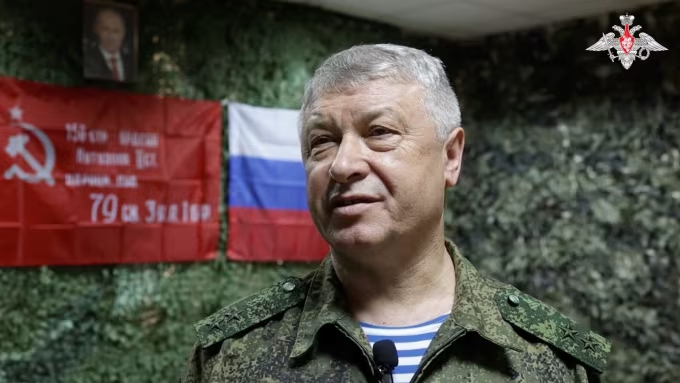
A senior Russian military intelligence official has been shot in Moscow and is receiving treatment in hospital, Russian authorities have confirmed.
Lieutenant General Vladimir Alekseyev, the first deputy head of Russia’s Main Intelligence Directorate (GRU), was wounded after an unknown assailant opened fire inside a residential building on Volokolamskoye Highway in the Russian capital.
In a statement released on Friday, the Russian Investigative Committee said the attacker fired several shots at Alekseyev before fleeing the scene.
Officers were immediately deployed to the location, and a criminal investigation has been opened into what authorities described as the attempted murder of a high-ranking official of the defence ministry.
Alekseyev was rushed to a city hospital, where he is currently in intensive care. Russian state media reported that he remains in serious condition.
The Investigative Committee said efforts are ongoing to identify and apprehend the suspect, but did not provide further details on a possible motive or whether any arrests have been made.
According to a 2025 report by the United States Congressional Research Service, Alekseyev serves as the first deputy director of the GRU, Russia’s military intelligence agency, one of the country’s most powerful security institutions.
The shooting has heightened security concerns in Moscow, particularly given Alekseyev’s senior role within Russia’s defence and intelligence structure.
Authorities have not indicated whether the incident is being treated as politically motivated or linked to his official duties.
When I ended my update on the heartrending mass murder and abductions of the people of Woro in Kaiama LGA by calling attention to the Muslim identity of the victims, just so some screwdriver salesman won’t use “Google” to “verify” that they are Christians in the service of advancing a tendentious “Christian genocide” narrative, I came across to some people as being needlessly overdramatic. But I knew what I was doing.
Now, look at this headline from BarristerNG, a well-regarded, law-focused Nigerian news site: “Kwara Tragedy: Terrorists Kill Villagers for Refusing to Change Their Faith, 78 Buried in Mass Graves.”
It is based on Gov. Abdulrazaq Abdulrahman’s disclosure that the people, whom the governor was careful to identify as Muslims, were murdered because they resisted the extremist version of Islam the terrorists preach.
The headline is a devious, sinister, underhanded but nonetheless visible rhetorical maneuver to give the impression that even in a communal mass slaughter where both the villains and the victims are Muslims, it was a “Christian genocide.”
When you pair “terrorists,” which invariably evokes the imagery of Muslim extremists, with murder as punishment for refusal to “change their faith,” you can’t help but conclude that the victims are Christians.
Faith is a synonym for religion. Since there are two major faiths in Nigeria, and since there has been a tyrannical, well-oiled, carefully choreographed, even if factually impoverished, amplification of a “Christian genocide” narrative that suggests that only Christians are being murdered in Nigeria, that Muslims are not only spared from this but are, in fact, complicit in this “genocide,” the headline basically implies that the mass murders in Woro were just another evidence of “Christian genocide.”
If the screwdriver salesman or his ilk come across this sort of story in a Google search, they will present it as yet another “evidence” of “Christian genocide.”
BarristerNG’s headline is similar in many respects to the December 24, 2025, headlines of many Christian-owned Nigerian news media organizations, which captured the mass murder of Muslims in a Maiduguri mosque with headlines that gave the impression that Christians were the victims.
Channels TV’s headline was: “BREAKING: Many Feared Dead as Bomb Blast Rocks Maiduguri on Christmas Eve.” Other Lagos newspapers had headlines like, “Christmas Eve Bombing Leaves 5 Dead, 35 Injured in Borno.” There was no mention of “mosque” or “Muslim worshipers” in the headlines.
Since most people only read headlines, you can imagine the impression these headlines created in the minds of people who reason like the screwdriver salesman, who fishes for and sees “Christian genocide” anywhere and everywhere.
There is an endemic mass murder of innocents in most parts of Nigeria, which I won’t hierarchize by religious affiliation because I think that’s cruel and inhuman.
And I actually don’t have a problem with Christian communities that interpret their own experience of the nationwide sanguinary fury of bloodthirsty terrorists as religiously based genocide, since the villains self-identify as Muslims.
But I do have a problem with the dangerously divisive dimension this is now taking.
It increasingly seems that the basic humanity that binds us is becoming immaterial. There is now a growing, unreasoning, bigoted, pigheaded, and obnoxiously monomaniacal obsession with advancing the narrative of a Christian genocide that suggests that only Christians are being murdered, that Muslims are exempt from murder because they share a similar faith with the murderers (as if faith is all that matters in a person), that Muslim deaths don’t matter, and that every shocking death must be “Christianized” to make it worthy of sympathy and empathy–and, of course, a part of the rhetorical armory to prosecute the narrative of a “Christian genocide.”
If the facts don’t fit, force them. If you can’t force them, manufacture them. It’s distressing.
Every death diminishes and distresses me. We are, first of all, human before we’re anything else. Our ethnicity, faith, language, etc. are incidental to our humanity.
American rapper 50 Cent has once again stirred conversation on social media after reacting to a viral video allegedly showing Rick Rvoss hugging and kissing a man aboard a luxury yacht in Miami.
The clip, which began circulating online over the weekend, quickly ignited debate across platforms, with fans and critics questioning its authenticity. While some speculated that the footage could be digitally altered or generated using artificial intelligence, 50 Cent dismissed such claims with his trademark bluntness.
Sharing his reaction online, the G-Unit boss mocked the situation, writing: “Ya man was looking real saucy kissing that boy on that boat! That’s not AI.”
As expected, the comment sent social media into a frenzy, with many interpreting it as another chapter in the long-running rivalry between the two hip-hop heavyweights. 50 Cent and Rick Ross have been publicly feuding for over a decade, frequently trading insults, jabs, and online taunts.
The alleged yacht incident has since become a trending topic, drawing mixed reactions from fans. While some laughed off 50 Cent’s comment as typical trolling, others criticized the rapper for fueling speculation and making light of a private moment, regardless of who was involved.
Rick Ross, known for maintaining a larger-than-life persona rooted in hyper-masculinity and luxury, has not issued any official statement addressing the viral clip or 50 Cent’s remarks as of the time of this report. His silence has only intensified online discussions, with supporters urging the rapper to ignore what they describe as deliberate provocation.
Meanwhile, several social media users have pointed out that public affection, regardless of gender, should not be weaponized for ridicule, calling for a more respectful tone in celebrity discourse. Others argued that the video’s origin and context remain unclear and should not be treated as factual evidence without confirmation.
Industry observers note that 50 Cent has built a reputation for leveraging viral moments involving rivals to dominate online conversations, often blending humor, controversy, and calculated provocation.
Whether the clip is authentic or misunderstood, the incident underscores how quickly unverified footage can escalate into major pop-culture discourse especially when amplified by influential figures.
For now, the situation remains speculative, with fans watching closely to see if Rick Ross will respond or continue to stay silent as the internet debates rage on.
Asthma is a chronic respiratory condition that affects the airways, causing them to become inflamed, narrowed, and filled with excess mucus. This makes breathing difficult and often leads to recurring symptoms such as wheezing, shortness of breath, chest tightness, and coughing. The condition affects people of all ages and, while commonly diagnosed in childhood, can also develop later in life.
Health experts note that asthma is not contagious, yet it remains one of the most widespread long-term illnesses globally. If not properly managed, asthma can interfere with daily activities and, in severe cases, become life-threatening.
Causes of Asthma
The exact cause of asthma is not fully known, but medical research shows that a combination of genetic and environmental factors plays a major role. Individuals with a family history of asthma, allergies, or other respiratory conditions are more likely to develop the disease.
Environmental exposure is another key factor. Air pollution, cigarette smoke, dust, pollen, pet dander, mold, and chemical fumes can irritate the airways and trigger asthma. Repeated respiratory infections during childhood may also increase the risk of developing the condition.
Common Symptoms
Asthma symptoms vary from person to person and can range from mild to severe. The most common signs include wheezing, shortness of breath, chest tightness, and frequent coughing, especially at night or in the early morning.
During an asthma attack, symptoms may worsen suddenly, making it difficult to breathe. Without prompt medical attention, severe attacks can lead to serious complications and require emergency care.
Prevention and Management
Although asthma has no permanent cure, it can be effectively prevented and controlled. Health professionals advise people living with asthma to identify and avoid known triggers such as smoke, dust, and strong odors. Keeping living spaces clean and well-ventilated also helps reduce exposure to allergens.
Regular use of prescribed inhalers and medications is essential in managing symptoms and preventing attacks. Early diagnosis, routine medical check-ups, and proper education on inhaler use play a critical role in long-term control of the condition.
With increased awareness, access to healthcare, and responsible management, people living with asthma can lead healthy, active, and productive lives. Health authorities continue to urge the public to take asthma seriously and seek medical care at the first sign of breathing difficulties.
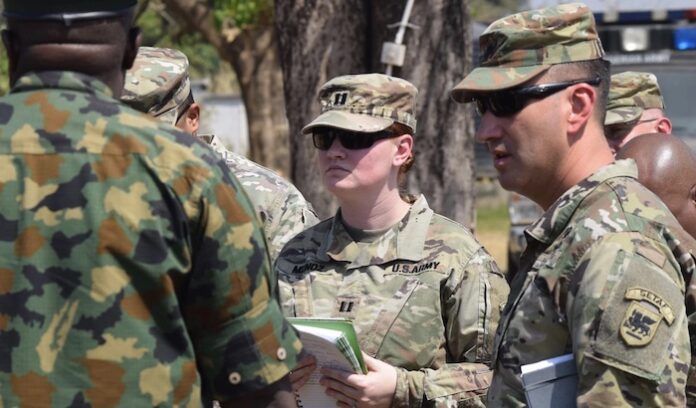
Nigeria’s Defence Headquarters (DHQ) has confirmed the presence of United States military personnel in the country but clarified that they are not deployed for combat operations.
The military high command said the American troops are in Nigeria strictly in an advisory and support capacity, focusing on intelligence sharing, capacity building, professional military education, logistics support and strategic dialogue with Nigerian security forces.
The Director of Defence Information, Major General Samaila Uba, made the clarification on Thursday in response to public concerns and media reports suggesting that US troops had been deployed for ground combat operations in Nigeria.
He stressed that the cooperation between both countries is aimed at addressing shared security challenges, including terrorism and other transnational threats.
The confirmation followed an earlier disclosure by the United States Africa Command (AFRICOM), which revealed on Tuesday that a small team of American military personnel had been deployed to Nigeria as part of ongoing security cooperation between the two countries.
Speaking during a virtual press briefing, AFRICOM Commander, General Dagvin Anderson, said the deployment was made at the request of the Nigerian government and was focused on providing specialised intelligence assistance to support counter-terrorism efforts.
“Our partnership with Nigeria is a great example of a willing and capable ally that requested unique capabilities only the United States can provide,” Anderson said, adding that the mission is advisory in nature and aligned with mutual security objectives.
Major General Uba reassured Nigerians that the Armed Forces of Nigeria (AFN) maintains full operational control and that the country’s sovereignty remains intact.
He noted that Nigeria has a long-standing and structured security partnership with the United States, conducted within existing bilateral frameworks and based on mutual respect.
“All engagements are conducted in full respect of Nigeria’s sovereignty and in accordance with existing bilateral agreements,” Uba said in a statement.
He explained that recent high-level engagements between officials of both countries included a two-day Working Group meeting held at the Office of the National Security Adviser in Abuja.
The meeting, he said, followed earlier discussions in the United States and reflected a mature, trust-based relationship focused on practical security outcomes.
According to Uba, discussions during the engagements centred on proposals to strengthen cooperation mechanisms, improve coordination and enhance accountability in joint efforts to counter violent threats while ensuring the protection of civilians.
He added that the proposals are still under consideration by the appropriate Nigerian authorities.
Uba further stated that Nigeria’s engagement with international partners is guided strictly by national interest, measurable outcomes and the protection of the country’s sovereignty.
He reiterated the military’s commitment to safeguarding Nigeria’s territorial integrity while working with credible partners to strengthen the nation’s security architecture.
Earlier, the Minister of Defence, Christopher Musa, also addressed public concerns, explaining that the US personnel are not combat troops but a small advisory team supporting intelligence gathering and capacity-building initiatives for Nigerian security forces.
In an interview with the BBC, Musa said the deployment forms part of long-standing bilateral cooperation aimed at enhancing Nigeria’s capacity to combat terrorism and insurgency, particularly in areas affected by banditry and violent extremism.
He declined to disclose details such as the size of the team, their locations or duration of stay, citing security reasons.
“Their role is purely supportive,” the minister said, emphasising that Nigerian forces remain fully in charge of all operations and decision-making on the ground.
Meanwhile, security experts and legal practitioners have weighed in on the development.
A security and intelligence expert, Abdullahi Garba, said the presence of US forces would not be harmful to Nigeria if it was approved by the government.
He noted that foreign military deployments typically occur with the consent of host governments and urged Nigerians to allow the situation to unfold.
Legal experts also argued that Nigeria’s security challenges could justify such cooperation.
A Senior Advocate of Nigeria, Dayo Akinlaja, said safeguarding the security and welfare of citizens falls within the executive’s constitutional responsibilities, while another lawyer, Obioma Ezenwobodo, said the deployment aligns with international law when limited to technical and intelligence support.
The Defence Headquarters has continued to assure Nigerians that the country’s defence partnerships remain transparent, policy-driven and firmly anchored on national sovereignty.
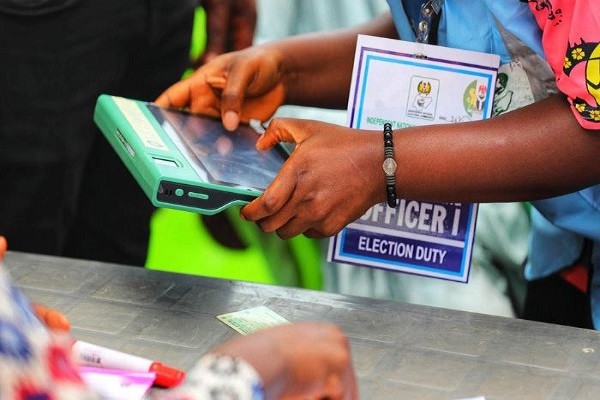
The ongoing debate over electronic transmission of election results has once again taken centre stage in Nigeria’s political space, following comments by Senate President Godswill Akpabio and a sharp response from prominent human rights lawyer, Inibehe Effiong. The exchange has reopened unresolved questions about the credibility of Nigeria’s electoral reforms and whether the country is genuinely committed to ending election manipulation.
The controversy was triggered after Senate President Akpabio stated publicly that the National Assembly did not reject electronic transmission of election results. According to him, the Senate merely allowed flexibility within the Electoral Act, leaving the implementation to the discretion of the Independent National Electoral Commission (INEC). His remarks were widely interpreted as an attempt to counter growing public criticism that lawmakers deliberately weakened the 2022 Electoral Act.
Reacting strongly, Inibehe Effiong took to social media platform X to challenge Akpabio’s position, describing it as misleading and intellectually dishonest. The lawyer argued that the real issue has never been whether electronic transmission exists in law, but whether it is compulsory and enforceable.
“Akpabio thinks he is talking to illiterates,” Effiong wrote. “The issue is making e-transmission compulsory. What is in the 2022 Act has been rendered useless by INEC, and the courts upheld INEC’s action. If e-transmission is not compulsory, we’re wasting our time.”
According to DDM NEWS, Effiong’s remarks have resonated widely among civil society groups, election observers, and pro-democracy advocates who believe that Nigeria’s electoral reforms have been deliberately diluted to preserve loopholes for manipulation.
The Core of the Dispute
At the heart of the debate is Section 60 and related provisions of the Electoral Act 2022, which introduced the use of technology in elections, including electronic transmission of results. While many Nigerians celebrated the law as a breakthrough, critics have long warned that its wording gives INEC excessive discretion.
Instead of mandating electronic transmission in all elections, the Act allows INEC to determine “the manner” of transmitting results. This discretion, according to Effiong and other critics, has effectively neutralised the reform.
During the 2023 general elections, INEC’s failure to consistently upload results in real time to its Result Viewing Portal (IReV) triggered nationwide outrage, legal battles, and allegations of large-scale electoral malpractice. Although courts acknowledged lapses in technology deployment, they ultimately ruled that electronic transmission was not mandatory under the law, thereby validating INEC’s position.
For Effiong, that judicial outcome confirmed that the reform was fundamentally flawed.
“The courts upheld INEC’s action because the law itself is weak,” he has argued in previous commentaries. “A reform that depends on the goodwill of an institution rather than a binding obligation is not reform at all.”
Akpabio’s Defence and Public Skepticism
Senate President Akpabio’s defence rests on the argument that lawmakers never opposed technology in elections, but simply avoided imposing rigid rules that might fail in areas with poor network coverage. However, critics say this explanation ignores Nigeria’s history of electoral manipulation.
DDM NEWS gathered that many election observers believe flexibility has consistently been exploited to justify manual collation, delayed uploads, and post-election alterations of results. For them, the refusal to make electronic transmission compulsory signals a lack of political will to reform the system.
Civil society organisations have also questioned why Nigeria continues to design electoral laws around potential failure rather than building infrastructure to ensure success.
“If banks can mandate electronic transfers nationwide, why can’t elections?” asked a governance advocate who spoke to DDM NEWS. “We are setting a lower standard for democracy than for commercial transactions.”
Why Compulsion Matters
Legal analysts explain that making electronic transmission compulsory would fundamentally alter Nigeria’s election architecture. It would drastically reduce human interference at collation centres, limit ballot box manipulation, and increase public confidence in the process.
Effiong argues that anything short of compulsion only creates the illusion of reform.
“If INEC can choose when to transmit electronically and when not to, then politicians will always find a way to influence those choices,” he said in an earlier interview. “That defeats the whole purpose.”
According to DDM NEWS, several election observer missions, including international partners, have consistently recommended mandatory electronic transmission as a safeguard against fraud.
A Pattern of Half-Measures
Critics say the controversy fits a broader pattern of Nigeria adopting reforms that appear progressive on paper but fail in implementation. From campaign finance regulations to asset declarations and procurement rules, enforcement gaps have repeatedly undermined public trust.
“The tragedy of Nigerian governance is not lack of laws, but lack of courage,” Effiong wrote in a follow-up post. “We keep pretending that optional compliance will fix systemic corruption.”
Political analysts warn that unless the National Assembly amends the Electoral Act to remove ambiguity, future elections will face the same credibility crisis.
What Lies Ahead
As discussions on electoral reform resume ahead of future polls, pressure is mounting on lawmakers to revisit the Act. Pro-democracy groups are calling for clear, non-negotiable provisions that compel real-time electronic transmission of results from polling units.
For many Nigerians, the stakes are existential.
“If e-transmission is not compulsory, then nothing has changed,” Effiong insists. “We are simply recycling the same problems under a new name.”
DDM NEWS observes that the debate is no longer about technology alone, but about trust, accountability, and whether Nigeria’s political elite is willing to surrender control over an electoral system that has long worked in its favour.
As the dust settles on Akpabio’s remarks and Effiong’s rebuttal, one thing is clear: without decisive legislative action, Nigeria risks repeating the same electoral controversies—election after election—while citizens grow increasingly disillusioned with democracy itself.
A heartbreaking tragedy has sent shockwaves across India and beyond after three teenage sisters were found dead following a late-night incident at their family apartment in Ghaziabad, Uttar Pradesh, raising renewed concerns about adolescent mental health, digital obsession, and the unseen pressures facing young people in the age of social media and online gaming.
The victims—Pakhi, Prachi, and Vishika, aged between 12 and 16—were daughters of Chetan Kumar and lived with their parents in a high-rise residential complex in Bharat City, Ghaziabad. The incident occurred in the early hours of Wednesday and has since triggered widespread public grief, debate, and introspection across the country.
Police authorities confirmed that the three sisters were discovered outside their residential building after what they described as a “domestic incident involving emotional distress.” Emergency responders were called to the scene, but all three girls were confirmed dead shortly afterward.
According to investigators, the tragedy followed a disagreement between the parents and the children over restrictions placed on the girls’ use of mobile phones. Law-enforcement officials said the father had recently imposed limits on phone usage due to concerns about excessive screen time, online gaming, and emotional withdrawal.
Neighbours reported being awakened by loud cries during the night, prompting panic within the building. By the time family members and residents reacted, the situation had already escalated beyond control.
A Troubling Discovery
In the aftermath, authorities recovered a handwritten diary believed to belong to the girls. The diary reportedly contained multiple pages expressing intense emotional attachment to foreign pop culture, online entertainment, and digital identities they had adopted over time. Police said the contents of the diary are being reviewed as part of an ongoing investigation and psychological assessment.
Officials declined to publicly release the full contents of the diary, citing ethical concerns and the ages of the victims. However, investigators acknowledged that the writings reflected deep emotional distress, identity confusion, and a sense of alienation from their immediate family environment.
DDM NEWS gathered that the sisters had withdrawn from formal schooling nearly two years earlier, a development that is now drawing attention to the long-term impact of social isolation during and after the COVID-19 pandemic. Mental-health professionals say prolonged isolation, excessive online immersion, and lack of structured peer interaction may have played a role in shaping the girls’ emotional world.
Digital Obsession and Identity Crisis
Police sources confirmed that the girls had developed a strong fascination with foreign pop culture, particularly Korean entertainment, as well as online gaming platforms. They reportedly used alternate names online and spent long hours engaging with digital communities.
Investigators are also examining claims that the girls may have been exposed to online content or gaming challenges that encourage emotional dependency, identity detachment, or harmful behaviour. While no conclusions have been reached, authorities said cybercrime and child-protection units are assisting with digital forensics.
Experts warn that adolescents are particularly vulnerable to online environments that blur the line between fantasy and reality, especially when parental supervision is limited or when emotional support systems are weak.
Conflicting Accounts and Ongoing Investigation
A resident of the apartment complex told Indian media that he witnessed movement on a balcony late at night but initially assumed it was a domestic disagreement. He said he attempted to alert others but events unfolded rapidly.
Police have not ruled out any line of inquiry and are carefully examining witness statements, family testimony, and digital records to reconstruct the sequence of events accurately. Authorities also stated that counselling support has been provided to the surviving family members.
Assistant Commissioner of Police Atul Kumar Singh confirmed the deaths and described the incident as “a deeply tragic case involving minors and emotional vulnerability.”
“This is a very painful situation. Our investigation will be thorough and sensitive,” he said.
Public Reaction and National Debate
News of the deaths has ignited widespread debate across India about parenting in the digital age, the psychological well-being of children, and the responsibilities of online platforms. Social media users, educators, and mental-health advocates have called for stronger safeguards to protect minors from harmful online influences.
Many have also criticised emergency response times, with witnesses claiming that medical help arrived later than expected. Local authorities have promised to review emergency service protocols in the area.
Television footage from the scene showed distraught residents and grieving family members, prompting renewed calls for ethical reporting standards when covering tragedies involving children.
Mental Health Experts Speak
Mental-health professionals say the case underscores the urgent need for open communication between parents and children, particularly around technology use.
“Restricting access without understanding the emotional world of a child can sometimes worsen distress,” a child psychologist told DDM NEWS. “What young people need is dialogue, emotional validation, and gradual boundaries—not sudden isolation.”
Experts also warn against demonising pop culture or gaming alone, noting that such interests often become coping mechanisms rather than root causes.
A Broader Wake-Up Call
The tragedy has reignited conversations about adolescent mental health services in India, which remain underfunded and overstretched. Advocacy groups are urging schools, religious institutions, and community organisations to prioritise early mental-health screening and digital literacy education.
A toxicologist who operates one of Africa’s largest snake farms, reportedly housing over 4.7 million snakes in Nasarawa State, has shared insights on snake behavior and first-aid responses during a live appearance on Brekete Family Radio on Tuesday morning.
According to the expert, several common household items and animals can attract snakes from long distances. He stated that discarded egg shells can draw snakes from as far as 15 kilometres. Other major attractants include chickens, rats, frogs, and any creature small enough for snakes to swallow.
Speaking on snake venom, the toxicologist explained that while most snakes are venomous, pythons are an exception. However, he noted that the danger posed by a snake bite depends on the speed of venom circulation and the potency of the venom, which varies by species.
He cautioned against the use of tight bandages or tourniquets on snake-bite victims, warning that such practices can cause severe swelling and may lead to paralysis of the affected limb. He also advised against trekking or excessive movement after a bite, as physical activity can accelerate the spread of venom in the bloodstream and increase the risk of death.
The toxicologist emphasized the importance of keeping the victim calm and limiting movement while seeking medical attention. He further claimed that drinking cold water could slow venom circulation and suggested that chewing pawpaw leaves and swallowing the extract may temporarily delay the spread of venom until proper treatment is administered. Medical professionals, however, generally advise that snake-bite victims seek immediate hospital care rather than rely on home remedies.
On venom exposure, he stated that snake venom spat into the eyes can be treated if medical help is sought promptly. However, he warned that venom entering the nose could be fatal within minutes.
In a surprising assertion, the toxicologist described wall geckos as more dangerous than snakes. He claimed that if a wall gecko contaminates a toothbrush and it is used without washing, it could result in death. He also warned that gecko droppings can be deadly, advising households to keep cooking pots and water containers properly covered at all times.
Health experts continue to stress that in cases of snake bites or suspected venom exposure, immediate medical attention at a certified health facility remains the safest and most effective course of action
The wife of the Executive Chairman of Okobo Local Government Area, Mrs. Nelly George Henshaw, has officially flagged off the Measles–Rubella (MR) Vaccination Campaign in the area, urging parents, caregivers, and community leaders to ensure that all eligible children are presented for immunization.
Mrs. Henshaw performed the flag-off ceremony on Wednesday at the Primary Health Centre, Okopedi. She described the campaign as a vital public health intervention aimed at protecting children aged 9 months to 14 years from measles and rubella—two highly contagious but preventable diseases that can result in severe complications and, in some cases, death if not properly controlled.
As part of the ceremony, the Chairman’s wife presented essential support items to nursing mothers in attendance. The gesture was intended to promote maternal and child health while encouraging increased participation in the vaccination exercise. Beneficiaries expressed appreciation for the support, which further highlighted her commitment to the wellbeing of women and children in the Local Government Area.
She explained that the campaign is designed to achieve full coverage across all wards in Okobo LGA and assured residents that the local government council, under the leadership of her husband, Engr. George Henshaw, is fully committed to providing the necessary support for effective coordination, logistics, and community mobilization.
Mrs. Henshaw also appealed to traditional rulers, religious leaders, women and youth groups, and other key stakeholders to support vaccination teams by encouraging parents and caregivers to cooperate and by helping to dispel myths and misinformation surrounding vaccines.
Commending the Akwa Ibom State Government, the Akwa Ibom State Primary Health Care Agency, the Health District, and development partners, she emphasized that the vaccines are safe, free of charge, and highly effective in preventing childhood illnesses.
The campaign was formally launched with the vaccination of children at the event, followed by the commencement of continuous vaccination activities across all communities in Okobo Local Government Area.
Speaking on the importance of the exercise, Dr. Grace Sampson, representing the National Primary Health Care Development Agency (NPHCDA), Abuja, noted that measles remains one of the leading causes of vaccine-preventable deaths among children. She added that rubella infection in pregnant women can lead to congenital defects, stressing that the MR vaccine is a proven and effective tool for reducing child mortality and safeguarding future generations.
In her remarks, the Director of Primary Health Care in Okobo, Mrs. Margaret Mkpang, assured residents that health workers have been adequately trained and deployed to both fixed posts and outreach centres to ensure that no child is left behind. She encouraged parents to take full advantage of the exercise, noting that early vaccination is essential for building strong immunity in children.
Delivering the vote of thanks, the Honourable Supervisor for Health, Okobo LGA, Mrs. Joe Ekpenyong, expressed appreciation to all stakeholders and partners for their collaboration. She urged communities to take ownership of the campaign to guarantee its overall success.
The event attracted several dignitaries and key stakeholders, including the Local Government Immunization Officer, Mrs. Ukeme Akpan; the Health Promotion Officer, Mrs. Atim Duncan; the Monitoring and Evaluation Officer, Mr. Okon Onukak; and the Cold Chain Officer, Mr. Mbikpom William. Representatives of the World Health Organization (WHO) and the National Primary Health Care Development Agency (NPHCDA) were also in attendance.
Political and community leaders present included the Chapter Women Leader of the All Progressives Congress (APC) in Okobo LGA, Hon. Nkoyo Uloh; a former Leader of the Okobo Local Government Legislative Council; former Special Adviser to the Local Government Council, Mrs. Victoria Andem; the Special Assistant to the Chairman on Women Affairs, Mrs. Josephine Ukoh; and the Women Development Officer for Okobo, Mrs. Uneh, among other stakeholders.
Their collective presence underscored the significance of the Measles–Rubella vaccination campaign and reflected a shared commitment to improving child health and strengthening routine immunization efforts in Okobo Local Government Area. The strong collaboration among health officials, development partners, political leaders, and community stakeholders signals renewed determination to ensure that every eligible child is reached, protected, and given a healthier future.
DDM NEWS — Nigeria’s already complex opposition politics took a decisive turn on Wednesday as the Independent National Electoral Commission (INEC) appeared to formally acknowledge the Abdulrahman Mohammed–led National Caretaker Committee of the Peoples Democratic Party (PDP), a faction openly backed by the Minister of the Federal Capital Territory, Nyesom Wike. The development, though not announced through an official statement, has sent strong political signals across the country, effectively reshaping the balance of power within Nigeria’s main opposition party.
The quiet but significant recognition became evident during INEC’s first quarterly consultative meeting of 2026 with leaders of registered political parties. Attendance at the meeting is strictly limited to national chairmen and national secretaries of parties recognised by the electoral umpire. At the gathering, Abdulrahman Mohammed appeared as the PDP’s representative alongside Senator Samuel Anyanwu, who currently serves as Acting National Secretary under the caretaker arrangement.
Their presence, according to multiple political observers and party insiders, amounts to a de facto recognition of the Wike-aligned faction as the legitimate leadership structure of the PDP, at least in the eyes of the electoral commission. DDM NEWS gathered that the development has intensified internal tensions within the opposition party, with rival factions interpreting INEC’s action as a major institutional endorsement.
INEC’s position is particularly consequential because recognition by the commission determines which party leadership can submit candidates’ names, access party symbols, receive official correspondence, and participate in statutory engagements ahead of elections. Without such recognition, any faction is effectively sidelined from Nigeria’s electoral process.
Sources within INEC confirmed to DDM NEWS that the commission’s decision to engage with the Mohammed-led caretaker committee was informed by a binding court order. A Federal High Court sitting in Ibadan had earlier directed INEC to recognise the Abdulrahman Mohammed–led National Caretaker Committee as the authentic leadership of the PDP pending the resolution of ongoing internal disputes.
The court ruling, which has remained a subject of intense legal and political debate, compelled the commission to comply in order to avoid contempt proceedings. According to legal analysts, INEC is constitutionally obligated to obey court orders, even where such orders intersect with politically sensitive party matters.
“This is not necessarily about INEC taking sides,” a senior legal practitioner told DDM NEWS. “From a legal standpoint, once a court of competent jurisdiction issues an order, INEC has very little discretion. Compliance becomes mandatory until the order is set aside by a higher court.”
Nevertheless, the political implications are enormous. The caretaker committee is widely perceived as being backed by Nyesom Wike, the former Rivers State governor and current FCT minister, whose long-running feud with the PDP’s traditional power bloc has repeatedly shaken the party’s internal cohesion. Wike’s alliance with the ruling All Progressives Congress (APC)-led federal government, despite remaining a PDP member until recently, had already raised questions about his influence over the opposition party’s future.
DDM NEWS reports that within PDP circles, the appearance of Mohammed and Anyanwu at the INEC meeting has been interpreted as a turning point, potentially marking the beginning of a new leadership order within the party. Several party stakeholders fear that the recognition could weaken ongoing efforts by rival factions to reclaim control of the party’s national secretariat.
The quarterly consultative meeting itself is a critical platform where INEC interfaces with political parties on electoral reforms, preparations for upcoming off-cycle elections, voter registration updates, and compliance with electoral laws. Participation in such meetings confers both symbolic and practical legitimacy, reinforcing the authority of those recognised as party leaders.
Political analysts say the timing of the development is particularly sensitive as parties begin early positioning ahead of the 2027 general elections. For the PDP, which is still grappling with the fallout from its 2023 electoral defeat, internal unity remains elusive. The latest episode further exposes the depth of the party’s fragmentation.
Supporters of the caretaker committee argue that the Ibadan court ruling provides a lawful basis for INEC’s action and accuse opposing factions of attempting to cling to power through political manoeuvring rather than due process. They maintain that the caretaker arrangement is a temporary stabilisation mechanism designed to reorganise the party, conduct a credible national convention, and restore internal democracy.
However, critics within the PDP see the development as an orchestrated attempt to weaken the opposition from within. Some party leaders privately told DDM NEWS that they believe the Wike-backed faction’s growing institutional acceptance could pave the way for deeper influence by the ruling APC in opposition affairs.
“This is dangerous for democracy,” a senior PDP chieftain said on condition of anonymity. “When the main opposition party is consumed by internal battles and external interference, the entire democratic system suffers.”
The role of Senator Samuel Anyanwu has also attracted scrutiny. As Acting National Secretary under the caretaker committee, Anyanwu’s presence at the INEC meeting reinforces the perception that the commission now considers the Mohammed-led structure operational. Party insiders say this could have far-reaching consequences for control of party records, candidate nominations, and official communications.
DDM NEWS understands that rival PDP factions are already exploring legal and political options to counter the situation. Some are reportedly preparing appeals against the Ibadan court ruling, while others are pushing for political reconciliation to prevent further erosion of the party’s relevance.
Yet, legal experts caution that until a higher court overturns the existing order, INEC is unlikely to alter its stance. “The commission cannot pick and choose which court orders to obey,” a constitutional lawyer explained. “If there is dissatisfaction, the remedy lies in the appellate courts, not in political pressure.”
Beyond the PDP, the development has broader implications for Nigeria’s political landscape. A weakened and divided opposition could strengthen the ruling party’s dominance, particularly as early alliances and defections ahead of 2027 begin to take shape. Analysts warn that prolonged instability within the PDP may discourage voter confidence and limit the range of viable political alternatives.
DDM NEWS also notes that INEC’s handling of the situation may set a precedent for how the commission navigates internal party disputes in the future. By anchoring its actions strictly on court orders, the electoral body appears to be reinforcing a legalistic approach that prioritises judicial directives over political considerations.
As the dust settles, attention now turns to the next moves by PDP stakeholders, the judiciary, and INEC itself. Whether the caretaker committee’s recognition evolves into long-term control or is reversed through legal challenge remains uncertain. What is clear, however, is that the struggle for the soul of the PDP has entered a new and decisive phase.
For now, the presence of Abdulrahman Mohammed and Senator Samuel Anyanwu at INEC’s high-level meeting stands as a powerful signal: in Nigeria’s intricate mix of law and politics, institutional recognition often matters as much as popular support. And as DDM NEWS observes, the consequences of this moment may reverberate far beyond the walls of INEC’s conference hall.
Nigeria’s currency market recorded another cautiously positive signal mid-week as the naira appreciated at the official foreign exchange window, reinforcing a gradual recovery trend that has begun to reshape sentiment around the country’s macroeconomic outlook. Fresh data released by the Central Bank of Nigeria (CBN) showed that the local currency strengthened further at the Nigerian Autonomous Foreign Exchange Market (NAFEM), supported by sustained external reserves, improved dollar liquidity, and tightening monetary conditions.
At the official market, the naira closed at ₦1,359 to the United States dollar on Wednesday, marking a steady improvement from ₦1,367/$ on Tuesday and ₦1,384.50/$ on Monday. The mid-week gain extended a trend that analysts say reflects renewed confidence in Nigeria’s foreign exchange reforms and a more disciplined policy environment under the current monetary framework.
However, the picture remained mixed across market segments. In the parallel market, also known as the black market, the naira experienced a mild depreciation, trading at an average of ₦1,453.13/$ on Wednesday compared with ₦1,445/$ the previous day. Despite this divergence, the gap between the official and parallel market rates continued to narrow, declining to ₦94 from ₦96 recorded a week earlier. Market watchers view this gradual convergence as a critical indicator of improving price discovery and reduced speculative pressure.
According to DDM NEWS analysis, narrowing spreads between the two markets suggest that arbitrage opportunities are shrinking, a development widely regarded as essential for restoring confidence among foreign portfolio investors and exporters who rely on transparent pricing. Analysts note that sustained convergence could also discourage round-tripping and other distortions that have historically plagued Nigeria’s foreign exchange system.
A major factor underpinning the naira’s relative stability is the country’s external reserve position. Data from the CBN showed that Nigeria’s external reserves stood at $46.59 billion as of February 2, 2026, providing the monetary authorities with short-term capacity to intervene in the market when necessary. While the reserves are not being aggressively deployed, their size continues to act as a psychological buffer, reassuring investors that the central bank retains sufficient firepower to smooth excessive volatility.
Financial analysts say the recent appreciation at the official window reflects a combination of improved dollar supply, cautious but consistent intervention strategies, and the impact of tight monetary policy aimed at curbing inflation and stabilising the currency. The CBN’s continued commitment to orthodox monetary tools, including elevated interest rates and liquidity management, has also helped temper speculative demand for foreign currency.
DDM NEWS gathered that market participants are increasingly responding to signals of policy coherence, particularly the alignment between fiscal authorities and the central bank on issues such as subsidy reforms, revenue mobilisation, and debt management. These efforts, though still evolving, are gradually reshaping perceptions of Nigeria’s macroeconomic credibility after years of policy uncertainty.
The naira’s recent movement also marks a recovery from bouts of volatility seen in previous weeks. Just last week, the currency traded around ₦1,394/$ at the official market, reflecting lingering pressures linked to import demand, delayed export proceeds, and seasonal dollar shortages. This week’s close at ₦1,359/$ therefore represents a notable turnaround, reinforcing expectations that the worst of the turbulence may be easing, at least in the short term.
Despite the improvement, economists caution that the recovery remains fragile and highly sensitive to both domestic and external shocks. Global oil prices, capital flow dynamics, and geopolitical developments continue to influence Nigeria’s foreign exchange position, given the country’s reliance on crude oil exports for dollar earnings. Any sharp decline in oil prices or disruption to production could quickly reverse recent gains.
Looking ahead, projections for 2026 suggest a cautiously optimistic outlook for the naira. Investment firm CardinalStone recently forecast that the currency could trade within a band of ₦1,350 to ₦1,450 per dollar over the course of the year. The projection is anchored on expectations of stronger capital inflows, moderated import demand, and sustained monetary discipline by the CBN.
CardinalStone analysts noted that ongoing reforms in the foreign exchange market, including improved transparency at the NAFEM window and efforts to clear outstanding FX backlogs, could further stabilise the currency if consistently implemented. The firm also highlighted the importance of boosting non-oil exports and attracting long-term foreign direct investment as key structural drivers of currency strength.
Investor sentiment received an additional boost after S&P Global Ratings reaffirmed Nigeria’s sovereign credit rating at B-, maintaining a positive outlook. The ratings agency cited improvements in fiscal coordination, better management of external balances, and the authorities’ willingness to pursue difficult reforms as factors supporting its assessment. According to DDM NEWS, the reaffirmation has helped temper concerns among international investors who remain wary of emerging market risks amid tightening global financial conditions.
Nonetheless, challenges persist. Inflation remains elevated, eroding purchasing power and increasing demand for dollars as a store of value. Import-dependent sectors continue to exert pressure on the currency, while structural bottlenecks in power, logistics, and manufacturing limit Nigeria’s ability to rapidly expand export capacity. These factors underscore the need for complementary reforms beyond monetary policy alone.
Economists also point to the behaviour of the parallel market as a reminder that confidence has not been fully restored. While the gap with the official rate is narrowing, persistent depreciation in the informal market reflects lingering uncertainty among households and small businesses that lack direct access to the official window. Bridging this confidence gap will require not only stable pricing but also sustained access to FX for genuine trade and investment needs.
According to The Business Bureau, the naira’s recent appreciation, though modest, carries symbolic weight. Consistent gains at the official window signal that policy direction is beginning to yield results, even if the process remains uneven. Market participants say stability, rather than dramatic appreciation, is the more realistic and desirable goal at this stage of Nigeria’s economic adjustment.
DDM NEWS observes that the coming months will be critical in determining whether the naira can maintain its current trajectory. Continued growth in external reserves, disciplined fiscal spending, and clear communication from the CBN will play central roles in shaping expectations. Equally important will be Nigeria’s ability to attract and retain foreign capital in a competitive global environment where investors are increasingly selective.
For now, the naira’s move to ₦1,359/$ at the official market represents a tentative step toward stability rather than a definitive turnaround. Yet in a currency market long characterised by volatility and uncertainty, even incremental progress is being greeted with cautious optimism. As reforms deepen and confidence slowly rebuilds, stakeholders will be watching closely to see whether this fragile recovery can be sustained into the second half of 2026 and beyond.
(DDM) – The Anambra State House of Assembly has officially passed a bill establishing the Anambra State Public Complaints, Anti-Corruption Commission, and Financial Crimes, signaling a major step toward enforcing accountability and transparency in the state’s management of public resources.
DDM notes that the legislation was prompted by mounting concerns over the need for a dedicated state-level body to handle complaints, financial crimes, and corruption-related issues involving government assets and finances.
Lawmakers said the move was designed to consolidate oversight responsibilities and improve the efficiency of investigations across the state’s public sector.
The bill was approved on Thursday during plenary at the assembly complex in Awka, following the completion of amendments at the Committee of the Whole stage.
Key figures in the legislative process included Majority Leader Ikenna Ofodeme, who moved the motion for the third reading of the bill, and Deputy Minority Leader Nobel Igwe, who seconded it.
Speaker Somtochukwu Udeze presided over the session, commending the joint committee for its thorough review and refinement of the legislation prior to final passage.
During a voice vote, Udeze announced that the bill received unanimous approval from members and revealed that the law will take effect on February 17. The newly established commission will assume responsibility for investigating financial crimes and corruption-related cases tied to the finances and assets of the Anambra State Government.
The Speaker explained that the commission will take over such investigations from other agencies within the state, serving as the central authority for managing corruption-related cases under its jurisdiction.
He added that the law mandates the commission to submit periodic reports on its activities to both the Office of the Governor and the Anambra State House of Assembly.
Udeze highlighted that the legislation contains safeguards to protect residents and indigenes from arbitrary or unjust administrative actions, with special attention given to examining any conduct that appears to violate existing laws and regulations.
The passage of the bill, lawmakers said, underscores the Assembly’s commitment to promoting good governance and accountability, while also strengthening public trust in the state’s anti-corruption efforts.
Officials expressed confidence that the commission would operate within the bounds of the law and provide an effective mechanism to curb financial crimes, enhance transparency, and ensure the responsible management of public resources in Anambra State.
The new law represents a significant milestone in the state’s legislative agenda to address corruption, improve public sector efficiency, and guarantee that citizens’ rights are protected in the course of investigations.
(DDM) – The House of Representatives has set up a bipartisan conference committee to reconcile differences between the versions of the Electoral Act (Amendment) Bill passed by the National Assembly’s two chambers.
DDM notes that the development was confirmed in a statement on Thursday by the House spokesman, Akin Rotimi, who said the decision followed a directive from the leadership of the Green Chamber.
The committee is chaired by Rep. Adebayo Balogun, Chairman of the House Committee on Electoral Matters. Other members include Reps. Fred Agbedi, Sada Soli, Ahmadu Jaha, Iduma Igariwey Enwo, Saidu Musa Abdullahi, and Dr. Zainab Gimba.
The panel is mandated to work closely with its counterpart from the Senate to produce a harmonised version of the bill for final passage by the National Assembly.
According to Rotimi, “The conference committee is mandated to engage with its counterpart from the Senate to reconcile the differing provisions in the Electoral Act (Amendment) Bill, with a view to producing a harmonised version for final passage by the National Assembly.”
The House emphasized that the exercise is critical to advancing electoral reforms aimed at enhancing transparency, credibility, and public confidence in Nigeria’s democratic process.
Senate President Godswill Akpabio had earlier announced the Senate’s conference committee, chaired by Senator Simon Bako Lalong. Members of the Senate panel include Senators Niyi Adegbonmire, Mohammed Tahir Monguno, Adamu Aliero, Orji Uzor Kalu, Abba Moro, Asuquo Ekpenyong, Aminu Abbas, and Tokunbo Abiru.
The committees from both chambers are expected to engage in robust negotiations to harmonise contentious clauses, including the contentious timelines for elections, the Permanent Voter Card (PVC) regulations, and the use of electronic transmission of results.
Political analysts note that the collaboration between the House and Senate committees is crucial to fast-tracking the legislative process, reducing uncertainty, and preventing legal loopholes that could affect the 2027 elections.
The move underscores the determination of the National Assembly to improve Nigeria’s electoral legal framework, following months of public debates, civil society advocacy, and media scrutiny over the bill.
Observers also point out that a harmonised Electoral Act amendment is key to ensuring that both chambers present a unified law for presidential assent, preventing conflicts that could undermine electoral credibility.
With elections fast approaching, the harmonisation exercise is likely to be closely monitored by political parties, civil society groups, and voters, who are keen to see reforms that strengthen the integrity of the electoral process.
The conference committee is expected to submit a reconciled version of the bill in the coming weeks, setting the stage for final consideration and presidential assent, potentially shaping the conduct of the 2027 general elections.
Lawmakers have reiterated their commitment to delivering reforms that balance transparency, efficiency, and legal certainty in Nigeria’s voting processes, as pressure mounts from both domestic and international stakeholders.
(DDM) – The African Democratic Congress (ADC) in Imo State has raised serious alarm over the killing of two of its members, describing the incident as a grim reminder of the state’s worsening security situation.
DDM notes that the ADC made the disclosure through a statement by its Publicity Secretary, Macdonald Amadi, condemning the brutal murder of Esther Chimezie Ijeoma, the party’s woman leader for Amosu Umulolo Ward, and Ambrose Ndukwe, both indigenes of Okigwe Local Government Area.
The victims were reportedly shot dead on Friday, January 30, 2026, in circumstances that remain under investigation.
Amadi expressed profound sorrow over the loss, stating that “the loss of innocent lives, regardless of political affiliation or background, strikes at the very heart of our shared humanity and calls for sober reflection by all stakeholders.”
The ADC emphasized that the foremost responsibility of any government is the protection of lives and property. The party added that when citizens continue to fall victim to violent attacks, it “raises serious concerns about the effectiveness, responsiveness, and prioritisation of public safety measures.”
The party demanded proactive leadership, clear strategies, and unwavering commitment from relevant authorities to prevent further loss of lives.
“In the interest of justice, peace, and public confidence, the ADC respectfully calls for comprehensive and transparent investigations into the killings, with findings communicated to the public within a reasonable timeframe,” Amadi said.
The ADC also urged that perpetrators be swiftly identified and prosecuted under the rule of law to ensure justice and serve as a deterrent against future violent acts.
Party officials warned that continued inaction would deepen public distrust in the state’s security apparatus, while also endangering political activists and ordinary citizens alike.
The tragic killings have sparked outrage among local communities and political groups in Imo, highlighting the persistent security challenges in the southeastern state.
ADC leaders stated that their members remain committed to peaceful political engagement, but stressed that government negligence could escalate tension and undermine democratic processes.
The party concluded by calling on law enforcement agencies, the Imo State government, and civil society actors to work collaboratively to restore public safety and guarantee the protection of all citizens, irrespective of political affiliation.
Political analysts have described the incident as another example of the increasing vulnerability of political actors at the grassroots level, warning that failure to address such violence could discourage civic participation ahead of future elections.
The ADC vowed to continue advocating for justice for the slain members while pressing the government to take immediate and concrete steps to prevent further tragedies.
This development adds to the growing discourse on the security of political operatives in Nigeria’s volatile local environments, particularly in areas prone to armed attacks and law enforcement lapses.
(DDM) – The Nigerian Senate has rejected a proposed 10-year jail term for buyers and sellers of Permanent Voter Cards (PVCs), choosing instead to retain the existing two-year imprisonment while increasing the fine from ₦2 million to ₦5 million under Clause 22 of the Electoral Amendment Bill.
DDM notes that the decision was taken during a clause-by-clause consideration of the bill, which also saw adjustments to key electoral timelines ahead of the 2027 general elections.
Under Clause 28, the Senate reduced the notice of election period from 360 days to 180 days before polling day, shortening the preparatory period for political parties and the Independent National Electoral Commission (INEC).
Clause 29 now requires political parties to submit candidate lists and affidavits 90 days before an election, down from the previous 180 days, and stipulates that nominees must emerge from valid party primaries.
The chamber retained Clause 44, which directs INEC to invite parties at least 20 days before an election to inspect ballot samples, with parties given two days to approve or reject how their identities appear.
Clause 47 replaces smart card readers with the Bimodal Voter Accreditation System (BVAS) for accreditation and voting, but the Senate rejected electronically generated voter identification, insisting that the PVC remain the sole identification method at polling units.
Additionally, the Senate struck out Clause 142, which limited the need for oral evidence in election petitions, citing concerns that it could waste judicial time.
The Electoral Amendment Bill must now be harmonised with the version passed by the House of Representatives before being sent to President Bola Tinubu for assent.
The Senate’s rejection of electronically transmitted results has drawn sharp criticism from the Labour Party, a Turaki-led PDP faction, former PDP Deputy National Chairman Chief Olabode George, and APGA founder Chief Chekwas Okorie, who argue that the move undermines transparency and could facilitate electoral malpractice.
Analysts warn that the decision may fuel political tension, as the country prepares for the 2027 polls, with opposition groups insisting that the amendments could preserve loopholes for vote manipulation.
Observers note that the adjustments to electoral timelines and accreditation methods could affect campaign strategies, party primaries, and INEC’s logistical planning for national and state elections.
While the increase in fines for PVC trading signals a tougher stance on electoral fraud, critics contend that rejecting longer jail terms and electronic transmission limits the deterrent effect against systemic manipulation of votes.
Political commentators suggest that harmonisation of the Senate and House versions will be a critical stage, as disagreements between the chambers could delay the final enactment of the bill.
The amendments have intensified debates over the credibility of future elections, with stakeholders urging INEC and the federal government to implement measures that guarantee transparency and public confidence in the electoral process.
The Senate’s final position, while modifying certain punitive measures, appears to maintain a cautious approach, balancing electoral discipline with concerns about procedural fairness and operational feasibility.
Overall, the passage of the amended bill is being closely monitored by political parties, civil society, and international observers, amid fears that inadequate reforms could perpetuate the vulnerabilities in Nigeria’s voting system.
(DDM) – President Bola Ahmed Tinubu met with Kwara State Governor AbdulRahman AbdulRazaq at the State House, Abuja, following the deadly attack in Worro community, Kaiama LGA.
Diaspora Digital Media gathered that the meeting comes just two days after reports emerged that more than 160 people were killed in the assault, allegedly by jihadist fighters.
Sources say the engagement is part of federal consultations on the security crisis and immediate steps to protect residents and apprehend the attackers.
On Wednesday, Tinubu ordered the deployment of a full army battalion to Kaiama and approved the creation of a new military command under Operation Savannah Shield to secure vulnerable communities.
The President condemned the massacre as cowardly and inhumane, noting that victims were targeted for rejecting extremist indoctrination and choosing a peaceful practice of Islam.
Tinubu also directed enhanced collaboration between federal and state agencies to deliver relief to affected communities and ensure justice for the victims.
Other high-profile officials present at the State House included Senate President Godswill Akpabio, APC National Chairman Professor Nentawe Yilwatda, and governors Hope Uzodinma (Imo), Nasir Idris (Kebbi), and Bassey Otu (Cross River).
Security analysts say the rapid federal response reflects the government’s commitment to tackling insurgency threats while reassuring the public of safety in northern and central Nigeria.
The Kaiama attack has raised concerns over rural community protection, with calls for improved intelligence, local militia support, and stronger coordination between security agencies.
Tinubu’s approval of a dedicated military command for the area is viewed as a strategic move to prevent further attacks and restore confidence in state and federal security operations.
Residents of Kaiama have expressed shock and fear, urging authorities to expedite investigations and bring the perpetrators to justice.
Observers note that the massacre could have broader political and security implications, influencing federal-state relations and community trust in governance.
The deployment of Operation Savannah Shield is expected to include targeted patrols, intelligence-led operations, and engagement with local leaders to enhance situational awareness.
Tinubu’s engagement with Governor AbdulRazaq signals the federal government’s intent to maintain close oversight of the security situation and prevent escalation of violence in Kwara State.
Security experts also suggest that similar rapid-response mechanisms may be considered for other vulnerable rural areas to curb attacks from extremist groups.
The meeting concluded with assurances from both federal and state authorities to prioritize humanitarian relief, reconstruction, and long-term security planning for affected communities.
This consultation underscores the administration’s focus on integrating military, political, and community-based strategies to combat insurgency and protect civilians in Nigeria.
Facing the vast Atlantic Ocean, just off the corridor where the ambitious Lagos–Calabar coastal road stretches toward Nigeria’s eastern flank, a massive technology campus is quietly reshaping the country’s digital ambitions. Spread across 42 hectares of coastal land in Lekki, Lagos, the Kasi Cloud development does not resemble the conventional image of an industrial project. Instead, it feels like a long-term wager on Nigeria’s place in the global artificial intelligence and cloud computing economy, one anchored in steel, concrete, fibre optics and megawatts of power.
As sea breeze moves across half-finished concrete shells, towering steel frames and carefully cleared expanses of land, the sheer scale of the project becomes unmistakable. This is Kasi Cloud, a hyperscale data centre campus founded by technology entrepreneur Johnson Agogbua, and widely described as Nigeria’s first data centre built specifically for artificial intelligence workloads from the ground up. In a country with roughly 17 operational data centres, none exceeding 20 megawatts of capacity, Kasi Cloud’s vision of scaling to 100 megawatts marks a dramatic departure from the norm.
Globally, hyperscale AI campuses now routinely target 50 to 100 megawatts or more, driven by the explosive growth of GPU-powered computing. Modern AI racks, often drawing between 50 and 150 kilowatts per rack, have rendered older enterprise data centre designs obsolete. Nigeria’s existing facilities, built primarily for traditional enterprise and cloud workloads, were never engineered for this density. Without new infrastructure, experts warn, the country risks being locked out of the next phase of global digital innovation.
The layout of the 42-hectare data centre campus. Image Credit: Kasi Cloud
“This is not a retrofit,” Agogbua said during a site tour of the campus on January 25, 2026. “This was designed for AI from day one.” DDM NEWS gathered that Kasi Cloud broke ground on the project in April 2022, with active construction commencing in the second quarter of 2023. The development, valued at about $250 million in its initial phase, represents one of the largest private digital infrastructure investments in Nigeria’s history.
Kasi Cloud expects to complete its first 5.5 megawatts of capacity by April 2026, with commercial operations slated for the second quarter of the year. While that figure may seem modest in global hyperscale terms, it is only the first step in a carefully staged expansion plan that ultimately aims to deliver up to 100 megawatts of sellable power across the campus.
At the heart of the site stands the first building, a six-floor structure that immediately signals its hyperscale ambitions. Four of its floors are dedicated entirely to data halls, each engineered to support up to 8 megawatts, giving the building a total designed capacity of 32 megawatts. The initial 5.5 megawatts will occupy one floor, which will later be upgraded to the full 8 megawatts as demand grows.
According to Kasi Cloud, government approvals already permit the construction of four such facilities on the campus. However, the campus-wide power and density design means that, at full AI load, only three buildings may ultimately be required to reach the 100-megawatt threshold. Ngozika Agogbua, Global Director of Marketing and Sales Operations, explained that while power could be redistributed to stretch across four buildings, the current configuration prioritises density and efficiency over symmetry.
Even in its unfinished state, the building’s proportions stand out. Ceilings are unusually high, corridors wider than typical Nigerian data centres, and reinforced concrete columns appear thick and closely spaced. Agogbua frequently pauses during the tour to emphasise that every structural choice reflects future needs rather than present convenience. “If you don’t design for where you’re going on day one, you’ll pay for it later,” he said, underscoring a philosophy that runs through the entire project.
DDM NEWS understands that power infrastructure was treated as the first and most critical design priority. Instead of conventional cable bundles, Kasi Cloud relies on massive solid busbars—rigid copper or aluminium conductors capable of carrying thousands of amps. These busbars, housed in insulated modular channels, allow power to be tapped efficiently along their length, offering both flexibility and resilience as tenants scale.
The facility is configured with four independent high-voltage feeds, providing fully redundant A and B power paths. This ensures that even if one or two feeds fail or require maintenance, operations can continue uninterrupted. “We’re bringing all four lines in here, not just two,” Agogbua explained, noting that resilience is engineered rather than assumed. Dry-type transformers, housed in dedicated electrical rooms, further shape the building’s design, influencing everything from door dimensions to installation sequencing.
Where many Lagos data centres are built to support rack densities of 5 to 10 kilowatts, Kasi Cloud is designed for a far broader range, from 10 kilowatts up to 100 kilowatts per rack. This capacity is essential for modern AI systems driven by GPUs and accelerators. One section of the building is reinforced specifically for high-density AI halls, including support for liquid cooling that brings coolant directly to the rack and even down to the chipset.
Cooling, often the loudest and most energy-intensive component of a data centre, has been reimagined at Kasi Cloud. Magnetic-drive technologies reduce mechanical noise, while air-handling units more than four metres tall manage hundreds of kilowatts of heat each. Triple HEPA filtration systems scrub salt and dust from incoming air, a necessity given the site’s proximity to the ocean. The result, Agogbua said, is an environment where engineers hear airflow rather than machinery.
Below ground, lithium-ion batteries power uninterruptible power supply systems housed in reinforced bunkers. Their higher energy density, longer lifespan and faster recharge cycles make them better suited to AI workloads, where even brief power interruptions can corrupt training runs or crash clusters. Above them, layered fire suppression systems reflect a sober acknowledgment of risk. Lithium-ion batteries do not require oxygen to burn, making fire control complex and unforgiving. Gas-based suppression, specialised chemical agents and last-resort containment measures are all part of the design. “You don’t cut corners here,” Agogbua said bluntly.
One of the most striking spaces on the campus is the meet-me room, where telecom operators interconnect. DDM NEWS observed that the room is larger than some entire data centres currently operating in Lagos. Two such rooms, positioned north and south, will house dense fibre infrastructure, with ducts buried at standard depths of 1.8 metres to avoid future disruptions as capacity scales.
A hall inside the 6-storey facility in the Kasi Cloud campus. Image credit: Kasi Cloud
Economically, building AI infrastructure at this scale is costly, particularly in Nigeria, where specialised equipment is largely imported and supply chains are fragile. Industry estimates suggest that a fully built 100-megawatt data centre campus can cost between $900 million and $1.5 billion globally. Yet Agogbua believes the investment is unavoidable if Africa is to claim a meaningful stake in the AI era. Currently, the continent accounts for less than one percent of announced global GPU capacity.
Beyond economics, Kasi Cloud is framed as a play for data sovereignty. Hosting data locally reduces costs, strengthens regulatory enforcement and allows Nigerian developers to build cloud-native products without relying on foreign infrastructure. Agogbua argues that Nigeria could become a regional anchor for ECOWAS, mirroring the European Union’s approach to data residency.
As roads, drainage and community agreements continue to take shape around the campus, the long-term vision extends beyond a single facility. Kasi Cloud aims to attract network operators, tower companies and service providers, creating a digital ecosystem rather than an isolated fortress.
Though the first building remains unfinished, with exposed cabling and bare floors awaiting final finishes, the direction is clear. For Agogbua, the question is not whether Nigeria can build world-class infrastructure, but why it ever accepted less. Kasi Cloud, he insists, is proof that capability is not the constraint—intent and discipline are.
2023 New Nigeria People’s Party (NNPP) presidential candidate, Senator Rabiu Musa Kwankwaso
(DDM) – Abdul’aziz Ganduje, son of former Kano State governor and APC national leader Abdullahi Umar Ganduje, has visited Senator Rabi’u Musa Kwankwaso at his residence.
DDM Diaspora Digital Media gathered that the meeting, confirmed by Kwankwaso’s media aide Saifullahi Hassan on Facebook, has stirred intense speculation in Kano’s political circles.
The visit comes at a delicate time, following Governor Abba Kabir Yusuf’s defection to the All Progressives Congress (APC), where Ganduje wields considerable influence nationally.
Sources say Abdul’aziz’s trip was intended as a gesture of respect and a signal of continued loyalty to Kwankwaso, the former governor and current NNPP leader.
Although no official statement has been released regarding the contents of the discussion, political analysts suggest it could influence alliances ahead of upcoming elections.
Kano politics has grown increasingly volatile in recent days, with Kwankwaso publicly expressing disappointment over Yusuf’s departure from the party that elevated him to power.
The former governor questioned why Abba Kabir Yusuf would abandon the platform that gave him the governorship ticket, especially after a hard-fought struggle to reclaim power from Ganduje’s political camp in the previous election.
Kwankwaso has described the overturning of that victory as deeply unjust, noting that the governorship was ultimately returned to Ganduje’s camp despite significant sacrifices by his supporters.
Political commentators argue that Abdul’aziz’s visit may be a strategic attempt to mend fences or signal behind-the-scenes negotiations in Kano’s increasingly fractious political environment.
Some observers note that the timing aligns with rising tensions within the APC and NNPP, highlighting the potential for shifting loyalties and new power dynamics.
The meeting has also sparked debates on social media, with citizens questioning whether it reflects personal respect, political calculation, or both.
Analysts caution that the interaction could foreshadow new alliances, possibly impacting voter sentiment and party cohesion ahead of the 2027 elections.
Kwankwaso’s NNPP continues to monitor the political landscape closely, while APC leaders, including Ganduje, are expected to leverage such engagements to consolidate influence.
Observers stress that Kano, as a key political state, remains a battleground where every gesture and visit carries symbolic weight for national and local politics.
The Abdul’aziz-Kwankwaso interaction underscores how family ties and political loyalty intertwine, shaping narratives that could define the state’s political trajectory.
As the dust settles, political watchers are closely examining whether this meeting will lead to reconciliation, collaboration, or further strategic maneuvering within Kano’s political elite.
This visit is likely to remain a talking point in both APC and NNPP circles as parties prepare for critical contests in 2027.
(DDM) – Anthropic has announced that its Claude artificial intelligence chatbot will remain completely free from advertising.
DDM Diaspora Digital Media gathered that the company publicly rejected sponsored responses, product placements, and advertiser influence inside Claude conversations.
The decision places Anthropic in direct contrast with rivals exploring advertising revenue in consumer AI tools.
Company executives argue that advertisements would undermine the purpose of a thoughtful and reliable assistant.
They insist that users seek clear answers rather than subtle marketing messages during serious interactions.
Anthropic explained its position through a public blog post and a series of promotional videos.
The videos mocked the idea of inserting ads into personal or professional chatbot exchanges.
Although the clips avoided naming competitors, industry watchers quickly connected the message to OpenAI.
OpenAI recently disclosed plans to test display advertisements within ChatGPT responses for some users.
That move triggered debate across the technology sector about monetization and user trust.
Anthropic framed its ad-free promise as a commitment to user-centered design and ethical AI deployment.
Executives said conversations should remain focused on problem-solving and deep thinking.
They argued that hidden commercial interests could distort how chatbots prioritize information.
Google has also signaled caution about introducing advertising into its Gemini assistant.
These positions reveal a growing divide over how AI companies should generate revenue.
Some firms prefer subscriptions and enterprise services instead of advertising models.
Others see ads as a way to keep powerful tools free for mass audiences.
OpenAI chief executive Sam Altman responded critically to Anthropic’s announcement on social media.
Altman said Anthropic’s campaign misrepresented how OpenAI plans to handle advertising.
He claimed OpenAI would never allow ads to compromise core user experience principles.
He also argued that ad-supported systems help maintain free access for millions of users.
Altman described Claude as an expensive product that mainly benefits wealthier customers.
Market observers quickly noted that Claude also offers free access tiers.
Altman further boasted about ChatGPT’s large user base compared with competitors.
His comments signaled rising tension in the competitive AI marketplace.
Analysts believe the clash reflects deeper rivalry over public perception and market dominance.
AI assistants increasingly shape how people search, work, and make decisions online.
Control over these platforms may influence future digital advertising ecosystems.
Consumer advocates warn that advertising inside AI could blur lines between advice and promotion.
They argue that transparency will determine long-term public trust in AI tools.
Technology investors watch these debates closely as companies refine business models.
Some predict hybrid models combining subscriptions, enterprise sales, and limited ads.
Others believe strict ad-free policies could become a selling point for privacy-conscious users.
The disagreement highlights how quickly AI services now compete for loyalty and credibility.
For users, the outcome may shape how neutral or commercial their digital assistants become.
The contest between ad-supported and ad-free AI appears far from settled.
As competition intensifies, companies will keep testing what users accept.
The struggle over AI monetization now defines the next phase of chatbot evolution.
(DDM) – The Nigerian Communications Commission and the Nigeria Data Protection Commission have signed a new agreement to safeguard citizens’ data in the telecom sector.
DDM Diaspora Digital Media gathered that both regulators formalised the partnership through a Memorandum of Understanding signed at the NCC headquarters.
The agreement brings together Nigeria’s telecom regulator and its data protection authority under a shared framework on privacy enforcement.
Officials from both agencies say the collaboration will tighten how telecom operators collect, store, and process personal information.
The signing ceremony featured NCC Executive Vice Chairman Dr Aminu Wada Maida and NDPC National Commissioner Dr Vincent Olatunji.
Dr Olatunji stressed that data safety and responsible governance now define credible digital economies across the world.
He argued that Nigeria’s fast-growing digital space creates opportunities but also exposes citizens to privacy risks.
He explained that telecom networks handle enormous volumes of sensitive personal and financial data daily.
He noted that the telecom industry contributes significantly to Nigeria’s Gross Domestic Product and digital transformation.
He described the telecom sector as a natural starting point for deep regulatory cooperation on privacy.
He said both agencies share legal responsibilities that sometimes intersect in the communications space.
He added that the MoU will reduce regulatory clashes and clarify oversight duties.
He maintained that clearer coordination will protect consumers and strengthen trust in digital services.
Dr Olatunji framed data protection as a pillar of Nigeria’s digital economy strategy.
NCC chief Dr Maida welcomed the partnership and called it a milestone for smarter regulation.
He said the framework will guide how both agencies share information and enforce compliance.
He pointed to ongoing NCC efforts to push telecom companies toward stricter regulatory adherence.
He warned that personal data has become a valuable economic asset in the global marketplace.
He told Nigerians that many companies already monetise user data behind the scenes.
He argued that citizens must understand and exercise their rights over personal information.
He predicted that future advocacy may shift from labour rights to what he called “data rights.”
He suggested that people will increasingly demand control over how firms use their digital footprints.
He warned that platforms described as free often profit from user data indirectly.
He urged the public to become aware of the data they generate through daily digital activities.
Industry observers say the MoU could reshape compliance expectations for telecom operators.
Some analysts believe stronger enforcement may increase operating costs for service providers.
Others argue that firm privacy rules can attract foreign investment by improving digital trust.
Consumer advocates welcome the move but say enforcement will determine real impact.
They note that many Nigerians still lack awareness of existing data protection rights.
Technology policy experts say coordination between regulators often decides policy success.
The new pact signals Nigeria’s intention to align with global privacy standards.
Whether the agreement delivers real protection will depend on transparency and accountability.
For millions of subscribers, the deal touches on who ultimately controls their digital identity.
The partnership places data rights at the centre of Nigeria’s telecom future.
Opposition Senators have blatantly rejected the amended Electoral Act which was passed by the Senate on Wednesday.
While speaking during a press briefing on Thursday, Senator Enyinnaya Abaribe, who spoke on behalf of the lawmakers, stated that the Electoral Reform Bill passed by the Senate President, Godswill Akpabio was not the version approved by the Senate.
He said they are shocked, just as Nigerians are by what was eventually passed.
(DDM) – The Joint Admissions and Matriculation Board has urged prospective candidates for the 2026 Unified Tertiary Matriculation Examination and Direct Entry to generate their profile codes early to avoid registration setbacks.
The examination body says early preparation will reduce last-minute congestion and technical errors that often disrupt the admission process.
JAMB requires every candidate to obtain a unique 10-character profile code before purchasing an ePIN, visiting a Computer-Based Test centre, or completing registration.
Officials explain that the profile code links a candidate’s phone number, National Identification Number, and personal records into a single identity used throughout the admission cycle.
The board now relies heavily on the National Identity Management Commission database to retrieve candidate biodata.
This approach means any error in a candidate’s NIN details can automatically affect JAMB records and delay registration.
Education observers note that the stricter identity link has improved transparency but has also created anxiety among students who struggle with NIN verification.
Many families complain about long queues and slow processing at NIMC centres across the country.
JAMB maintains that candidates must first confirm they possess a valid NIN before attempting to generate a profile code.
Applicants can check their NIN by dialing the designated short code on the same phone number used during NIN registration.
Candidates without a NIN must visit an enrolment centre with valid identification documents.
Accepted documents include birth certificates, school identity cards, voter cards, driver’s licences, international passports, certificates of origin, and staff identity cards.
Officials collect biometrics and photographs during enrolment and later issue a NIN slip after verification.
Once a candidate secures a NIN, the next step requires sending the NIN by SMS to JAMB’s official numbers.
The system then returns a 10-character profile code to the same phone number.
JAMB warns candidates to use personal and active phone numbers because the system permanently ties the code to that line.
The board stresses that candidates cannot edit the code after generation, making accuracy essential.
Students who registered a NIN without a linked phone number must first update their records at NIMC.
School counsellors say many students delay this process and later rush when registration opens.
They advise parents to guide candidates through early verification to avoid panic.
Some education stakeholders praise the system for promoting credible data management.
Others argue that dependence on digital systems in areas with weak connectivity could disadvantage rural candidates.
Despite the debate, JAMB insists the policy strengthens the integrity of Nigeria’s admission system.
The board continues to encourage early action, saying preparedness will save candidates time, money, and stress.
Analysts believe the success of the 2026 registration cycle will largely depend on how smoothly students navigate the NIN and profile code process.
For now, candidates who act early appear more likely to avoid the yearly scramble that surrounds JAMB registration.
(DDM) – Elon Musk has stirred global conversations after declaring that money cannot guarantee happiness despite his status as the world’s richest man.
DDM gathered that the billionaire technology entrepreneur shared the remark in a short social media post that quickly went viral.
Musk leads major companies including Tesla, SpaceX, and several artificial intelligence ventures that have reshaped global technology discussions.
He wrote that whoever first said money cannot buy happiness understood a deep truth about life.
His statement appeared simple but triggered intense reactions across different countries and cultures.
Many readers treated the comment as a rare emotional reflection from a businessman known for bold ambitions.
The post attracted tens of millions of views within hours of appearing online.
Hundreds of thousands of users also reacted by liking and sharing the message.
Online debates soon emerged over whether wealth naturally leads to personal fulfillment.
Some social media users agreed that financial success does not erase emotional struggles.
They argued that people with money still face stress, loneliness, and pressure.
Other commenters insisted that money reduces suffering even if it cannot create joy.
They noted that financial security can improve healthcare, housing, and life choices.
Several critics questioned Musk’s viewpoint because of his enormous fortune.
They argued that wealthy individuals may underestimate the pain of poverty.
Some said even a small portion of Musk’s wealth could transform many lives.
Faith-based contributors joined the discussion with spiritual interpretations.
They suggested that purpose and values shape happiness more than possessions.
Nigerian audiences drew parallels with popular music and cultural messages.
Some referenced songs that highlight the limits of material success.
Observers say the debate reflects a long-standing global philosophical question.
Psychologists have often studied the link between income and happiness.
Research frequently shows that basic financial stability improves well-being.
However, studies also indicate that happiness levels may plateau after comfort needs are met.
Public fascination grows whenever billionaires speak about personal meaning.
People often expect wealthy figures to express complete satisfaction.
Musk has previously spoken about intense workloads and personal pressures.
He manages multiple companies operating in competitive industries.
Analysts note that leadership stress can affect even the most successful executives.
The reaction to his message shows how strongly people connect money with hope.
Economic hardship in many countries shapes how citizens view wealth.
In developing economies, financial security often represents survival and dignity.
Cultural values also influence how societies define happiness.
Some communities emphasize family, faith, or impact over riches.
Social media has amplified these philosophical debates in recent years.
Short statements from influential figures now reach global audiences instantly.
Musk’s remark may fade, but the conversation it sparked continues.
The episode highlights the complex relationship between money and emotional well-being.
Many observers conclude that wealth solves problems but not every problem.
The global reaction shows that happiness remains deeply personal and widely debated.