Samsung Electronics faces a historic labor crisis as President Lee Jae-myung intervenes. Global chip supply chains hang in the balance of new talks.
Consequently, Samsung Electronics and its labor unions have entered a critical phase of government-mediated negotiations. This high-stakes summit aims to avert an unprecedented 18-day strike involving over 45,000 workers. Furthermore, global semiconductor markets remain on edge as the deadline for industrial action approaches this Thursday.
The Breakthrough in Labor Negotiations
South Korean President Lee Jae-myung recently issued a public plea for both parties to find common ground. He emphasized that labor rights and management rights must receive equal respect within a democratic market economy. Moreover, he noted that workers deserve fair compensation while shareholders must also see returns on their risks.
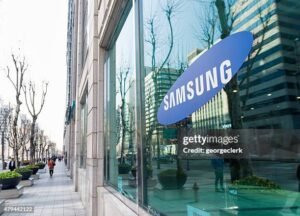
Meanwhile, the National Samsung Electronics Union continues to demand a larger share of the company’s massive artificial intelligence windfall. They are specifically requesting that 15% of operating profits be allocated to employee performance bonuses. However, management has countered with a 10% offer alongside additional special compensation packages for the current fiscal year.
Impact on Global Semiconductor Production
A prolonged walkout could potentially cost the tech giant up to $20 billion in lost production revenue. This disruption would hit the supply of high-bandwidth memory chips essential for Nvidia’s AI data centers. Therefore, key industry partners have expressed deep concern regarding the stability of future shipments during the planned protest period.
Additionally, the Suwon District Court has already stepped in to limit the scope of the potential strike. The court ruled that unions must maintain staffing levels necessary for safety and product quality maintenance. Failure to comply could lead to daily fines exceeding 100 million won for the labor organizations involved. You can read more about how Samsung continues to innovate its hardware despite these internal organizational challenges.
Political Influence and Economic Outlook
Prime Minister Kim Min-seok warned that the government might invoke emergency arbitration powers to protect the national economy. This rare legal maneuver would effectively prohibit industrial action for 30 days while a federal commission conducts final mediation. Historically, Samsung has avoided such massive labor disputes, making this a pivotal test for the current administration.
Consequently, financial markets have responded positively to the news of government intervention in the stalemate. Samsung’s share price jumped nearly 4% in morning trade as investors anticipated a last-minute compromise. Experts believe that a successful resolution could set a new standard for labor relations across the South Korean tech manufacturing sector.
The coming days will determine if Samsung can maintain its leadership in the global semiconductor race. Both sides must balance immediate financial demands with the long-term stability of the South Korean economy. Ultimately, a deal would safeguard the AI boom that has fueled the company’s recent record profits.