27.1 C
Lagos
Tuesday, February 24, 2026

Ganduje’s Son Visits Kwankwaso, Sparks Kano Political Firestorm

DDM News

0
2023 New Nigeria People’s Party (NNPP) presidential candidate, Senator Rabiu Musa Kwankwaso

(DDM) – Abdul’aziz Ganduje, son of former Kano State governor and APC national leader Abdullahi Umar Ganduje, has visited Senator Rabi’u Musa Kwankwaso at his residence.

DDM Diaspora Digital Media gathered that the meeting, confirmed by Kwankwaso’s media aide Saifullahi Hassan on Facebook, has stirred intense speculation in Kano’s political circles.

The visit comes at a delicate time, following Governor Abba Kabir Yusuf’s defection to the All Progressives Congress (APC), where Ganduje wields considerable influence nationally.

Sources say Abdul’aziz’s trip was intended as a gesture of respect and a signal of continued loyalty to Kwankwaso, the former governor and current NNPP leader.

Although no official statement has been released regarding the contents of the discussion, political analysts suggest it could influence alliances ahead of upcoming elections.

Kano politics has grown increasingly volatile in recent days, with Kwankwaso publicly expressing disappointment over Yusuf’s departure from the party that elevated him to power.

The former governor questioned why Abba Kabir Yusuf would abandon the platform that gave him the governorship ticket, especially after a hard-fought struggle to reclaim power from Ganduje’s political camp in the previous election.

Kwankwaso has described the overturning of that victory as deeply unjust, noting that the governorship was ultimately returned to Ganduje’s camp despite significant sacrifices by his supporters.

Political commentators argue that Abdul’aziz’s visit may be a strategic attempt to mend fences or signal behind-the-scenes negotiations in Kano’s increasingly fractious political environment.

Some observers note that the timing aligns with rising tensions within the APC and NNPP, highlighting the potential for shifting loyalties and new power dynamics.

The meeting has also sparked debates on social media, with citizens questioning whether it reflects personal respect, political calculation, or both.

Analysts caution that the interaction could foreshadow new alliances, possibly impacting voter sentiment and party cohesion ahead of the 2027 elections.

Kwankwaso’s NNPP continues to monitor the political landscape closely, while APC leaders, including Ganduje, are expected to leverage such engagements to consolidate influence.

Observers stress that Kano, as a key political state, remains a battleground where every gesture and visit carries symbolic weight for national and local politics.

The Abdul’aziz-Kwankwaso interaction underscores how family ties and political loyalty intertwine, shaping narratives that could define the state’s political trajectory.

As the dust settles, political watchers are closely examining whether this meeting will lead to reconciliation, collaboration, or further strategic maneuvering within Kano’s political elite.

This visit is likely to remain a talking point in both APC and NNPP circles as parties prepare for critical contests in 2027.

Anthropic Ad Ban Ignites Fierce Battle Over AI Profits

0

(DDM) – Anthropic has announced that its Claude artificial intelligence chatbot will remain completely free from advertising.

DDM Diaspora Digital Media gathered that the company publicly rejected sponsored responses, product placements, and advertiser influence inside Claude conversations.

The decision places Anthropic in direct contrast with rivals exploring advertising revenue in consumer AI tools.

Company executives argue that advertisements would undermine the purpose of a thoughtful and reliable assistant.

They insist that users seek clear answers rather than subtle marketing messages during serious interactions.

Anthropic explained its position through a public blog post and a series of promotional videos.

The videos mocked the idea of inserting ads into personal or professional chatbot exchanges.

Although the clips avoided naming competitors, industry watchers quickly connected the message to OpenAI.

OpenAI recently disclosed plans to test display advertisements within ChatGPT responses for some users.

That move triggered debate across the technology sector about monetization and user trust.

Anthropic framed its ad-free promise as a commitment to user-centered design and ethical AI deployment.

Executives said conversations should remain focused on problem-solving and deep thinking.

They argued that hidden commercial interests could distort how chatbots prioritize information.

Google has also signaled caution about introducing advertising into its Gemini assistant.

These positions reveal a growing divide over how AI companies should generate revenue.

Some firms prefer subscriptions and enterprise services instead of advertising models.

Others see ads as a way to keep powerful tools free for mass audiences.

OpenAI chief executive Sam Altman responded critically to Anthropic’s announcement on social media.

Altman said Anthropic’s campaign misrepresented how OpenAI plans to handle advertising.

He claimed OpenAI would never allow ads to compromise core user experience principles.

He also argued that ad-supported systems help maintain free access for millions of users.

Altman described Claude as an expensive product that mainly benefits wealthier customers.

Market observers quickly noted that Claude also offers free access tiers.

Altman further boasted about ChatGPT’s large user base compared with competitors.

His comments signaled rising tension in the competitive AI marketplace.

Analysts believe the clash reflects deeper rivalry over public perception and market dominance.

AI assistants increasingly shape how people search, work, and make decisions online.

Control over these platforms may influence future digital advertising ecosystems.

Consumer advocates warn that advertising inside AI could blur lines between advice and promotion.

They argue that transparency will determine long-term public trust in AI tools.

Technology investors watch these debates closely as companies refine business models.

Some predict hybrid models combining subscriptions, enterprise sales, and limited ads.

Others believe strict ad-free policies could become a selling point for privacy-conscious users.

The disagreement highlights how quickly AI services now compete for loyalty and credibility.

For users, the outcome may shape how neutral or commercial their digital assistants become.

The contest between ad-supported and ad-free AI appears far from settled.

As competition intensifies, companies will keep testing what users accept.

The struggle over AI monetization now defines the next phase of chatbot evolution.

NCC NDPC Data Pact Raises Fresh Privacy Control Concerns

0

(DDM) – The Nigerian Communications Commission and the Nigeria Data Protection Commission have signed a new agreement to safeguard citizens’ data in the telecom sector.

DDM Diaspora Digital Media gathered that both regulators formalised the partnership through a Memorandum of Understanding signed at the NCC headquarters.

The agreement brings together Nigeria’s telecom regulator and its data protection authority under a shared framework on privacy enforcement.

Officials from both agencies say the collaboration will tighten how telecom operators collect, store, and process personal information.

The signing ceremony featured NCC Executive Vice Chairman Dr Aminu Wada Maida and NDPC National Commissioner Dr Vincent Olatunji.

Dr Olatunji stressed that data safety and responsible governance now define credible digital economies across the world.

He argued that Nigeria’s fast-growing digital space creates opportunities but also exposes citizens to privacy risks.

He explained that telecom networks handle enormous volumes of sensitive personal and financial data daily.

He noted that the telecom industry contributes significantly to Nigeria’s Gross Domestic Product and digital transformation.

He described the telecom sector as a natural starting point for deep regulatory cooperation on privacy.

He said both agencies share legal responsibilities that sometimes intersect in the communications space.

He added that the MoU will reduce regulatory clashes and clarify oversight duties.

He maintained that clearer coordination will protect consumers and strengthen trust in digital services.

Dr Olatunji framed data protection as a pillar of Nigeria’s digital economy strategy.

NCC chief Dr Maida welcomed the partnership and called it a milestone for smarter regulation.

He said the framework will guide how both agencies share information and enforce compliance.

He pointed to ongoing NCC efforts to push telecom companies toward stricter regulatory adherence.

He warned that personal data has become a valuable economic asset in the global marketplace.

He told Nigerians that many companies already monetise user data behind the scenes.

He argued that citizens must understand and exercise their rights over personal information.

He predicted that future advocacy may shift from labour rights to what he called “data rights.”

He suggested that people will increasingly demand control over how firms use their digital footprints.

He warned that platforms described as free often profit from user data indirectly.

He urged the public to become aware of the data they generate through daily digital activities.

Industry observers say the MoU could reshape compliance expectations for telecom operators.

Some analysts believe stronger enforcement may increase operating costs for service providers.

Others argue that firm privacy rules can attract foreign investment by improving digital trust.

Consumer advocates welcome the move but say enforcement will determine real impact.

They note that many Nigerians still lack awareness of existing data protection rights.

Technology policy experts say coordination between regulators often decides policy success.

The new pact signals Nigeria’s intention to align with global privacy standards.

Whether the agreement delivers real protection will depend on transparency and accountability.

For millions of subscribers, the deal touches on who ultimately controls their digital identity.

The partnership places data rights at the centre of Nigeria’s telecom future.

NHS Drone Plan Sparks Fears Over Patient Safety Standards

DDM News

0

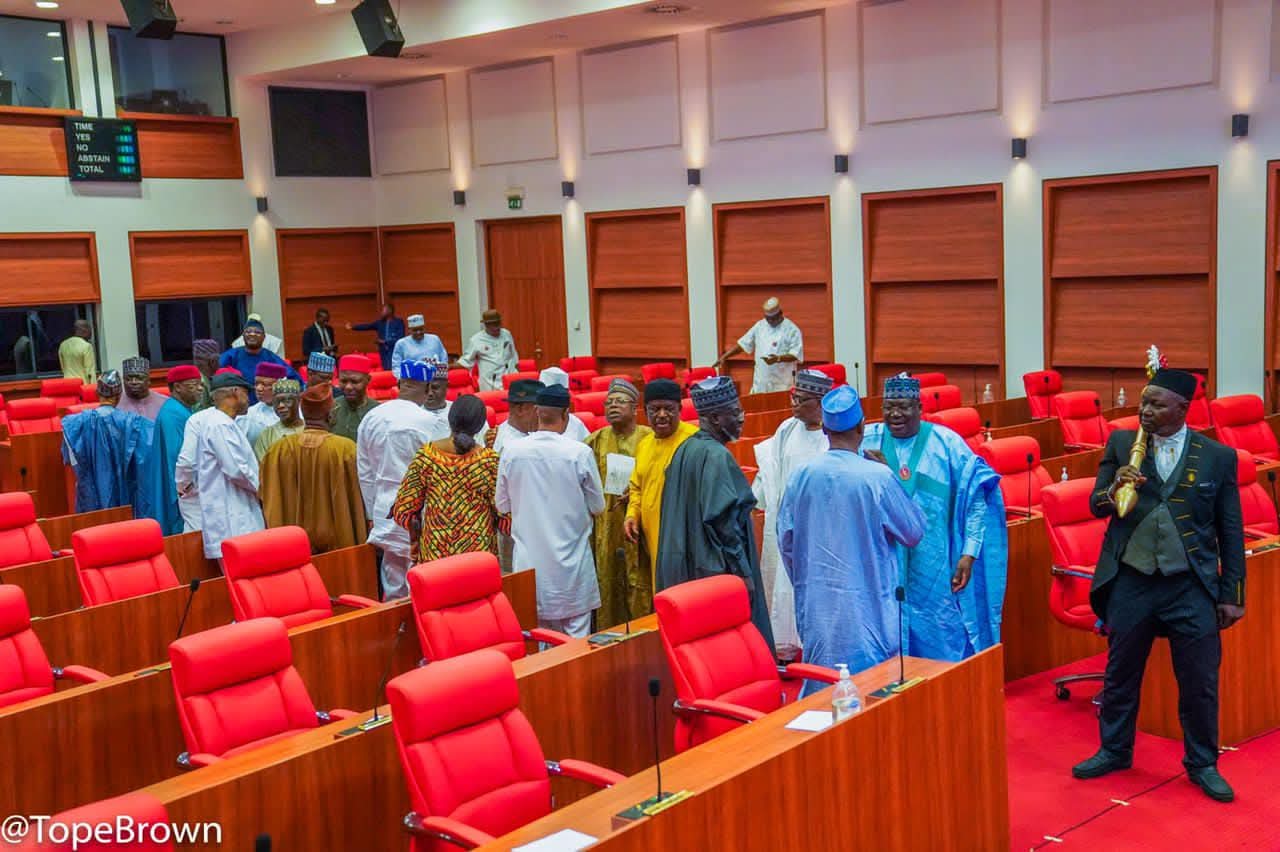
BREAKING: We voted for direct transmission of results — Opposition Senators reject manipulation of electoral bill

0
BREAKING NEWS

Opposition Senators have blatantly rejected the amended Electoral Act which was passed by the Senate on Wednesday.

While speaking during a press briefing on Thursday, Senator Enyinnaya Abaribe, who spoke on behalf of the lawmakers, stated that the Electoral Reform Bill passed by the Senate President, Godswill Akpabio was not the version approved by the Senate.

He said they are shocked, just as Nigerians are by what was eventually passed.

More details to follow…..

JAMB Forces NIN Rule As Students Fear Registration Delays

DDM News

0

(DDM) – The Joint Admissions and Matriculation Board has urged prospective candidates for the 2026 Unified Tertiary Matriculation Examination and Direct Entry to generate their profile codes early to avoid registration setbacks.

The examination body says early preparation will reduce last-minute congestion and technical errors that often disrupt the admission process.

JAMB requires every candidate to obtain a unique 10-character profile code before purchasing an ePIN, visiting a Computer-Based Test centre, or completing registration.

Officials explain that the profile code links a candidate’s phone number, National Identification Number, and personal records into a single identity used throughout the admission cycle.

The board now relies heavily on the National Identity Management Commission database to retrieve candidate biodata.

This approach means any error in a candidate’s NIN details can automatically affect JAMB records and delay registration.

Education observers note that the stricter identity link has improved transparency but has also created anxiety among students who struggle with NIN verification.

Many families complain about long queues and slow processing at NIMC centres across the country.

JAMB maintains that candidates must first confirm they possess a valid NIN before attempting to generate a profile code.

Applicants can check their NIN by dialing the designated short code on the same phone number used during NIN registration.

Candidates without a NIN must visit an enrolment centre with valid identification documents.

Accepted documents include birth certificates, school identity cards, voter cards, driver’s licences, international passports, certificates of origin, and staff identity cards.

Officials collect biometrics and photographs during enrolment and later issue a NIN slip after verification.

Once a candidate secures a NIN, the next step requires sending the NIN by SMS to JAMB’s official numbers.

The system then returns a 10-character profile code to the same phone number.

JAMB warns candidates to use personal and active phone numbers because the system permanently ties the code to that line.

The board stresses that candidates cannot edit the code after generation, making accuracy essential.

Students who registered a NIN without a linked phone number must first update their records at NIMC.

School counsellors say many students delay this process and later rush when registration opens.

They advise parents to guide candidates through early verification to avoid panic.

Some education stakeholders praise the system for promoting credible data management.

Others argue that dependence on digital systems in areas with weak connectivity could disadvantage rural candidates.

Despite the debate, JAMB insists the policy strengthens the integrity of Nigeria’s admission system.

The board continues to encourage early action, saying preparedness will save candidates time, money, and stress.

Analysts believe the success of the 2026 registration cycle will largely depend on how smoothly students navigate the NIN and profile code process.

For now, candidates who act early appear more likely to avoid the yearly scramble that surrounds JAMB registration.

Elon Musk Admits Wealth Fails To Deliver Happiness True

0

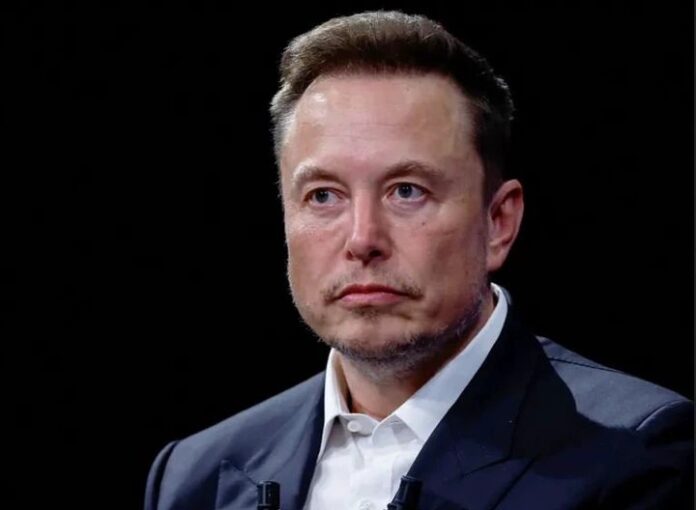
(DDM) – Elon Musk has stirred global conversations after declaring that money cannot guarantee happiness despite his status as the world’s richest man.

DDM gathered that the billionaire technology entrepreneur shared the remark in a short social media post that quickly went viral.

Musk leads major companies including Tesla, SpaceX, and several artificial intelligence ventures that have reshaped global technology discussions.

He wrote that whoever first said money cannot buy happiness understood a deep truth about life.

His statement appeared simple but triggered intense reactions across different countries and cultures.

Many readers treated the comment as a rare emotional reflection from a businessman known for bold ambitions.

The post attracted tens of millions of views within hours of appearing online.

Hundreds of thousands of users also reacted by liking and sharing the message.

Online debates soon emerged over whether wealth naturally leads to personal fulfillment.

Some social media users agreed that financial success does not erase emotional struggles.

They argued that people with money still face stress, loneliness, and pressure.

Other commenters insisted that money reduces suffering even if it cannot create joy.

They noted that financial security can improve healthcare, housing, and life choices.

Several critics questioned Musk’s viewpoint because of his enormous fortune.

They argued that wealthy individuals may underestimate the pain of poverty.

Some said even a small portion of Musk’s wealth could transform many lives.

Faith-based contributors joined the discussion with spiritual interpretations.

They suggested that purpose and values shape happiness more than possessions.

Nigerian audiences drew parallels with popular music and cultural messages.

Some referenced songs that highlight the limits of material success.

Observers say the debate reflects a long-standing global philosophical question.

Psychologists have often studied the link between income and happiness.

Research frequently shows that basic financial stability improves well-being.

However, studies also indicate that happiness levels may plateau after comfort needs are met.

Public fascination grows whenever billionaires speak about personal meaning.

People often expect wealthy figures to express complete satisfaction.

Musk has previously spoken about intense workloads and personal pressures.

He manages multiple companies operating in competitive industries.

Analysts note that leadership stress can affect even the most successful executives.

The reaction to his message shows how strongly people connect money with hope.

Economic hardship in many countries shapes how citizens view wealth.

In developing economies, financial security often represents survival and dignity.

Cultural values also influence how societies define happiness.

Some communities emphasize family, faith, or impact over riches.

Social media has amplified these philosophical debates in recent years.

Short statements from influential figures now reach global audiences instantly.

Musk’s remark may fade, but the conversation it sparked continues.

The episode highlights the complex relationship between money and emotional well-being.

Many observers conclude that wealth solves problems but not every problem.

The global reaction shows that happiness remains deeply personal and widely debated.

CBN Moves To Accelerate Open Banking Rollout In Nigeria

0

(DDM) – Nigeria’s financial regulator has announced fresh steps to fast-track open banking implementation across the country’s financial system.

DDM gathered that the Central Bank of Nigeria plans to release a detailed open banking roadmap within three months.

The plan appears in the newly published CBN Fintech Report 2025 reviewing developments in the sector.

Officials say the roadmap will close existing technical gaps slowing adoption of open data standards.

The CBN earlier introduced an Open Banking Framework through a circular released in February 2021.

Regulators later supported the framework with operational guidelines issued in 2023.

The framework defined rules for sharing customer-approved data across banks and payment providers.

It also outlined API access rules and security standards for financial data exchange.

Despite these efforts, adoption has progressed slower than regulators initially expected.

The CBN now prioritises technical protocols to drive practical implementation.

The report urges timely rollout of governance structures and dispute resolution systems.

It also emphasises consumer education to build trust in data sharing systems.

Authorities believe awareness will encourage broader customer participation.

Immediate priorities for the next three months include creating a fintech engagement forum.

The CBN will lead this forum to coordinate industry dialogue.

Regulators also plan to begin technical scoping for a single regulatory window.

A smart licensing gateway is also under consideration.

The bank will review payment service bank lending limits and digital identity access rules.

Officials indicate a shift toward digital bank licensing rather than PSB expansion.

Near-term reforms between three and nine months include a new regulatory sandbox.

This sandbox will test artificial intelligence and regulatory technology solutions.

The CBN also plans a fintech credit guarantee scheme with development finance institutions.

Guidelines on data portability and consumer protection will follow under open finance.

Nigeria will begin talks on regulatory passporting with Ghana, Kenya, and Senegal.

Long-term reforms over eighteen months aim to institutionalise fintech governance.

A fintech advisory council will supervise progress and policy corrections.

Authorities will launch a public consultation calendar for transparency.

Supervisory technology pilots will introduce early-warning monitoring tools.

Nigeria will also join continental forums shaping African regulatory standards.

Industry surveys show strong demand for open banking infrastructure.

About one quarter of fintech executives rank open banking APIs as critical.

Global experience shows open banking can stimulate competition and innovation.

The European Union’s payments directive remains a major reference model.

Countries like Australia, Brazil, and Canada have adopted similar systems.

Nigerian fintech firms increasingly pursue regional expansion opportunities.

More than sixty percent reportedly plan cross-border growth.

The CBN therefore promotes mutual licence recognition with other regulators.

This passporting system could reduce compliance duplication across borders.

The regulator also reassesses strategies for inclusive lending.

A dedicated digital banking licence may replace broader PSB credit roles.

Officials see this model as more scalable for underserved populations.

Artificial intelligence now plays a defensive role in fintech operations.

Most firms deploy AI tools for fraud detection and risk monitoring.

Stakeholders describe fraud as a major sector challenge.

Recent reforms helped Nigeria exit the FATF grey list.

The CBN expects this development to boost investor confidence.

Observers say successful implementation could transform Nigeria’s digital finance landscape.

Analysts note that trust and security will determine public acceptance.

The coming roadmap may therefore shape the future of Nigerian fintech.

Financial institutions now await detailed regulatory direction from the apex bank.

Soaring Cement Prices Spark Outrage Across Nigeria Construction Crisis

0

(DDM) – Cement prices across Nigeria have climbed again, tightening pressure on builders and households planning construction projects.

DDM gathered that the average retail price of a 50-kilogram bag of cement increased within one week in several markets.

Traders confirmed that a bag that sold for about ₦10,500 last week now sells for roughly ₦11,000.

The new pricing affects popular brands widely used by Nigerian builders.

Major producers such as Dangote Cement, BUA Cement, and Mangal Cement now record similar market prices.

Dealers in multiple cities reported nearly uniform pricing around the ₦11,000 mark.

Retailers said customers expressed frustration over the repeated increases.

Many small-scale builders said the surge disrupts their project budgets.

Contractors also warned that frequent price changes complicate cost planning.

Market observers linked the increase to broad economic pressures.

They stressed that cement production depends heavily on energy inputs.

Manufacturers run large plants that consume significant electricity and fuel.

Rising diesel and gas prices therefore raise factory operating costs.

Producers often transfer those higher costs to distributors and buyers.

Currency movements also influence cement pricing in Nigeria.

Some raw materials and spare parts come from foreign markets.

A weaker naira raises the naira cost of those imports.

Import-dependent inputs therefore push production expenses upward.

Logistics also play a central role in final cement prices.

Cement travels long distances from plants to depots and retail points.

Transporters now pay more for fuel and vehicle maintenance.

Spare parts and truck servicing costs have also increased.

Those logistics expenses add to the shelf price of each bag.

Demand within the construction sector remains strong.

Public and private building projects continue across many states.

Urban expansion fuels housing and infrastructure development.

High demand can place pressure on available supply.

When supply tightens, sellers often adjust prices upward.

Supply chain challenges also influence availability.

Port delays sometimes slow the arrival of inputs and equipment.

Logistical bottlenecks can restrict steady distribution.

Temporary shortages may then appear in local markets.

Such conditions can trigger price spikes.

Developers said the latest jump carries serious implications.

Large projects require hundreds or thousands of cement bags.

Even a ₦500 increase per bag raises total project costs sharply.

Some developers may delay projects due to rising expenses.

Households building homes also feel the burden.

Higher cement prices can slow personal construction plans.

Industry watchers urged stable policies to support local production.

They noted that stable energy and currency conditions could help.

Some called for improved transport infrastructure to cut logistics costs.

Others encouraged expanded domestic sourcing of inputs.

Consumers continue to monitor prices closely.

Many hope the market will stabilize in coming months.

For now, cement remains a cost driver in construction budgets.

The trend highlights wider inflation pressures in the economy.

Builders and buyers alike await relief from future price shocks.

Forex Decline Raises Fresh Fears Over Nigeria Stability Crisis

0

(DDM) – Nigeria’s foreign exchange position recorded a notable contraction as fresh data showed weaker net inflows into the economy.

DDM gathered that net forex inflow into Nigeria dropped significantly within the first nine months of 2025.

The figures indicated an 18.3 percent year-on-year decline compared with the same period in 2024.

Net inflows fell to about 48.1 billion dollars from 58.8 billion dollars previously.

Analysts linked the fall to reduced foreign currency supply into the economy.

They noted that lower inflows outweighed the reduction recorded in outflows.

Total foreign exchange inflows declined by roughly 15 percent year-on-year.

Foreign exchange outflows also decreased, but by a smaller 12.2 percent margin.

Central Bank data showed total inflows reached 83.71 billion dollars in nine months.

The same period in 2024 recorded higher inflows of 99.44 billion dollars.

Outflows stood at 35.65 billion dollars in the 2025 review period.

Outflows were higher at 40.61 billion dollars in the corresponding 2024 period.

Inflows routed through the Central Bank fell sharply during the review window.

Such inflows declined by about 30 percent to 28.72 billion dollars.

They previously stood around 40.15 billion dollars a year earlier.

Autonomous sources also recorded weaker foreign exchange inflows.

Those sources declined by 6.8 percent to 54.99 billion dollars.

They had earlier delivered about 59.29 billion dollars.

On the outflow side, CBN-related forex outflows reduced considerably.

They dropped by 18.8 percent to 25.68 billion dollars.

A year earlier, they stood at 32.16 billion dollars.

However, autonomous outflows moved in the opposite direction.

They rose by about 18 percent year-on-year.

They increased to 9.97 billion dollars from 8.44 billion dollars.

Net forex flow through the Central Bank weakened dramatically.

It declined by nearly 62 percent to 3.04 billion dollars.

It previously reached 7.99 billion dollars in 2024.

Autonomous net flows also recorded a noticeable reduction.

They fell by 11.5 percent to 45.02 billion dollars.

They had been around 50.85 billion dollars before.

Diaspora remittances contributed to the softer autonomous supply.

Inflows from International Money Transfer Operators weakened.

IMTO inflows declined by 15.7 percent to 3.22 billion dollars.

They had reached 3.82 billion dollars in the prior year.

The decline appeared consistently across all three quarters.

First quarter inflows dropped by 18 percent year-on-year.

They settled near 888 million dollars in that quarter.

Second quarter inflows slipped by 6.5 percent.

They delivered about 1.18 billion dollars.

Third quarter inflows showed the sharpest contraction.

They fell by roughly 22 percent year-on-year.

They settled around 1.15 billion dollars.

Experts said the trend pressured overall forex availability.

They added that policy incentives have yet to fully reverse the pattern.

Quarterly movements, however, showed a mixed performance.

Net inflow declined quarter-on-quarter in the first two quarters.

It fell by 6.4 percent in Q1.

It also dropped by 4.1 percent in Q2.

The pattern changed in the third quarter.

Net forex inflow rebounded by 20 percent quarter-on-quarter.

The Central Bank attributed the rebound to lower outflows.

Net inflow rose to about 17.46 billion dollars in Q3.

It stood at 14.46 billion dollars in the previous quarter.

Aggregate inflow in Q3 declined slightly by 4.17 percent.

It reached 26.27 billion dollars.

Outflows dropped more sharply by 32.01 percent.

They settled near 8.80 billion dollars.

Economic watchers say the figures send mixed signals.

Some see vulnerability in Nigeria’s external sector buffers.

Others see room for recovery if inflows improve.

Investors continue to monitor liquidity and policy direction closely.

Future performance may depend on remittances, oil earnings, and confidence.

Naira Rally Sparks Hopes, Doubts Over Nigeria’s Economic Stability

0

(DDM) – The Nigerian naira continued its upward movement against the United States dollar, closing stronger at the official foreign exchange window as improved liquidity met international payment demands.

Currency market data showed the naira closing at ₦1,358 to the dollar at the official window, marking its strongest level since the Central Bank of Nigeria introduced its recent foreign exchange reforms.

Traders reported that better dollar supply helped the local currency maintain its rally and meet existing foreign payment obligations.

Market participants also confirmed that the naira appreciated in the informal segment of the market.

The currency gained about 0.87 percent in the parallel market to settle around ₦1,431 per dollar.

At the official window, the naira strengthened by roughly 1.08 percent to close at about ₦1,358.28 per dollar.

Analysts linked the appreciation to increased dollar liquidity from foreign portfolio investors, exporters, and non-bank corporate entities.

They explained that these players supplied more dollars into the market, which helped ease pressure on the naira.

Financial analysts now project that the naira could record further gains in the first quarter of 2026.

Some forecasts place the exchange rate between ₦1,300 and ₦1,350 per dollar if current trends continue.

Experts anchor these projections on rising oil earnings and improved external reserves.

They also point to sustained conversion of foreign currency into naira by offshore investors seeking returns in Nigeria’s financial markets.

Import-dependent companies have started to feel the impact of the stronger currency.

Many firms now require fewer naira to settle foreign invoices and obligations.

This development has reduced cost pressures for businesses that rely heavily on imported inputs.

Manufacturing and consumer goods companies, in particular, have seen some relief on their balance sheets.

The Central Bank of Nigeria attributed the currency’s performance to increased foreign portfolio investment inflows and stronger supply at the official window.

The bank’s updates suggest that improved sentiment is building across both the regulated and parallel markets.

Investors appear to be positioning themselves for more stability in the local currency.

A stronger naira also increases the purchasing power of naira-denominated assets.

Lower import costs could gradually reduce inflationary pressures tied to foreign goods.

However, some economists urge caution despite the positive signals.

They warn that exchange rate gains can reverse if dollar inflows weaken or oil prices fall.

Others note that structural issues in Nigeria’s economy still require long-term reforms.

They argue that sustainable currency strength depends on productivity, exports, and fiscal discipline.

For now, the rally has injected a measure of optimism into the foreign exchange market.

Businesses, investors, and policymakers continue to watch the trend closely.

If momentum holds, the naira’s performance could influence investment flows and pricing across sectors.

The coming months will test whether the recent appreciation represents a short-term rebound or a more stable shift in Nigeria’s currency outlook.

Araba Mourns Kaiama Killings, Backs Military Action

0

Engr. Femi Sanni (Araba) has expressed profound grief over the brutal killings in Woro and Nuku communities of Kaiama Local Government Area, describing the attack as a painful assault on the peace-loving people of Kwara North and their long-standing tradition of religious tolerance and communal harmony.

In a statement issued on Wednesday, Engnr. Sanni said the massacre struck at the very heart of Kaiama, a land known for its coexistence, dignity of labour, and firm rejection of extremism in all its forms.

“The people of Kaiama, Woro, Nuku and neighbouring communities have practised Islam as a religion of peace for generations,” he said.

“Those who carried out this barbaric act are not representatives of the faith or our culture.

“They are violent extremists twisting religion to advance sinister and destructive motives.”

Engnr. Sanni noted that the attack was particularly tragic because it targeted innocent villagers who refused indoctrination and stood by the moderate, non-violent values that have defined Kwara North for decades.

He commended Governor AbdulRahman AbdulRazaq for his swift response, presence, and decisive engagement with security authorities, describing the Governor’s actions as reassuring to grieving families and reflective of leadership that understands the peculiar security challenges of the Kwara North axis.

“Our people needed reassurance, and the Governor did not hesitate,” Araba said.

“His prompt intervention and coordination with federal authorities helped restore confidence that Kwara North will not be abandoned to terror.”

The statement also praised President Bola Ahmed Tinubu for his strong condemnation of the killings and for approving the immediate deployment of an army battalion to Kaiama under Operation Savannah Shield.

Engnr. Sanni welcomed the President’s clear description of the attackers as terrorists and extremists, stressing that naming the crime correctly was essential to defeating it.

“The President’s position affirms what the people of Kwara North already know: this was not banditry for ransom, but calculated terror aimed at breaking our communities,” he said.

He further lauded President Tinubu’s call for close collaboration between the Federal Government and sub-national authorities, noting that sustained synergy among security agencies, traditional institutions and local stakeholders was critical to restoring lasting peace in Kaiama, Baruten, Edu and other vulnerable border communities.

Engnr. Sanni prayed for the repose of the souls of the departed, strength for the bereaved families, and healing for survivors. He urged residents of Kwara North to remain united, vigilant and supportive of security efforts.

“This tragedy will not define us. Justice will be served, peace will return, and our communities will rise stronger,” Arabs said.

Soludo urges SEDC to produce impactful plan for Southeast

0
Professor Chukwuma Charles Soludo

Anambra State Governor, Professor Chukwuma Charles Soludo, CFR, has called on the South East Development Commission, SEDC to produce a simple, measurable, impactful plan for the South East, which could be known and referred to as Nigeria’s Marshall Plan for the South East

Speaking at the South East Vision 2050 Stakeholder Forum, Governor Soludo—a renowned economist and former Central Bank Governor—delivered a sobering yet hopeful assessment of the region’s trajectory.

He emphasized that gradually coming out of an insecurity situation with the best Christmas ever, for the first time in recent memory, the political will of the region’s leadership is aligned.

He tasked the commission with focusing on three deliverables including regional security and funding, super interstate infrastructure; with highways and runways connecting major cities, gas pipelines, seaports, as well as institutional framework for coordination.

According to the Governor, the South East Vision 2050 strategy should be rightly regarded as a “post-war reconstruction” effort, calling for unprecedented regional unity to improve the zone’s economic significance.

Soludo noted that the gathering represented a departure from the fragmented efforts of the past. He signaled that the era of “going it alone” is over.

“Today is history in the making. What we have yearned for decades is finally taking shape. I can say with confidence that the governors in the region are now more united than ever.”

Addressing the skepticism surrounding long-term developmental blueprints, Soludo challenged technocrats to bridge the gap between academic theory and political reality.

While every state has its internal roadmap including Anambra’s Vision 2070 which he chaired, Soludo argued that execution has often been the Achilles’ heel.

“There have been many plans; is this going to be another plan? Technocrats must understand that politics and policy work hand in hand. If you don’t navigate the political landscape, the best policies will sit on a shelf.”

Governor Soludo did not mince words regarding the current economic standing of the South East. Despite the entrepreneurial spirit of its people, he noted that the region’s domestic economy remains punchless because its primary capital resides elsewhere.

“Economically speaking, the South East is insignificant. Our wealth is largely outside the South East,” Soludo remarked.

He urged the commission to “Keep it simple” and focus 70 percent of its energy on what can actually be delivered, describing the current initiative as being in a “post-war reconstruction mode,” aimed at building a sustainable homeland for over 35 million Ndigbo.

On funding, the Governor made it clear that while the states will drive the vision, the financial heavy lifting must come from the center and the business community.

“The plan will largely be funded by the Federal Government and the private sector, pleading with President Bola Tinubu to give the full funding required for this transformation.”

In closing, Governor Soludo reminded stakeholders that time is a luxury the region does not have. He called for the Commission to act as a cohesive unit to ensure measurable and achievable goals.

“As governors, we are beneficiaries of this collective effort. We need to come together. This is an agenda with a deadline, and speed is of the essence.”

Declaring the summit open earlier, the Vice President, Senator Kashim Shettima said the South East region is known for ingenuity and enterprise and it remains central to Nigeria’s economic growth. He commended the SEDC, adding that the forum should be the foundation for collaboration.

Governors of Enugu, Imo, Abia and Ebonyi, all spoke at the event. They expressed optimism that as a result of this initiative, opportunities would be created for the States to integrate and build the South East economy collectively

The Chairman of SEDC, Chief Emeka Nwogu and it’s Managing Director, Mark Okoye, described the event as a visionary moment for the region, appreciated the President for establishing the Commission which, he says, is poised to transform ideas into bankable projects.

The Minister of State for Foreign Affairs, Ambassador Bianca Ojukwu was also at the occasion.

The event had the theme: “Charting a Shared Path to Sustainable Prosperity for The South East.”

Kwara: Killings in Nigeria under Tinubu worse than war-torn nations — Obi

0

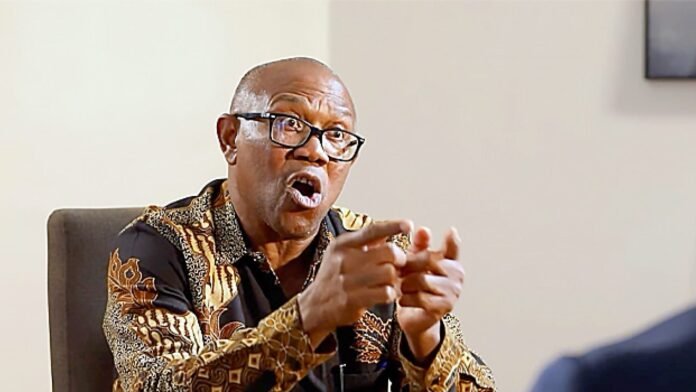
Peter Obi, former presidential candidate of the Labour Party (LP), has condemned the terrorist attacks on Woro and Nuku communities in Kwara State, which reportedly killed at least 162 people.

Obi in a statement described the killings as more severe than what is witnessed in some countries at war, calling for urgent action to address Nigeria’s insecurity.

He expressed condolences to the families of the victims, the affected communities, and the government and people of Kwara State, saying “Every loss of innocent life is tragic, and these killings represent a major failure for us as a nation”.

He urged authorities to restore peace, apprehend and prosecute those responsible, and reassure Nigerians that their lives are valued and protected.

Meanwhile, President Bola Tinubu has ordered the deployment of soldiers to the affected communities, with the military launching Operation Savannah Shield to checkmate terrorists and protect vulnerable communities.


Kanu Appeals Terrorism Conviction, Says Trial Was Political Witch-hunt

DDM News

0
Nnamdi Kanu
Nnamdi Kanu

(DDM) – Detained Indigenous People of Biafra (IPOB) leader Nnamdi Kanu has formally challenged his terrorism conviction and sentences, asking a higher court to overturn the Federal High Court judgment that handed him multiple life terms and additional prison years.

Kanu filed a notice of appeal dated February 4, 2026, where he directly contested both the verdict and the punishments imposed on him.

He argued that the trial court committed serious legal errors and delivered a judgment that amounted to a miscarriage of justice.

The Federal High Court in Abuja convicted Kanu on November 20, 2025, on seven counts tied to terrorism and related offences.

Justice James Omotosho sentenced him to five life imprisonments for terrorism-linked charges.

The court also imposed a 20-year term for his role as leader of IPOB, a group the Nigerian government has proscribed.

The judge added a separate five-year sentence without an option of fine for importing a radio transmitter without a license.

In his appeal, Kanu insisted that the court failed to properly address what he described as a major disruption to the original trial process.

He linked that disruption to the 2017 military operation at his Afara-Ukwu residence, which he believes affected the legal continuity of his case.

Kanu declared in his filing that he would not accept the conviction quietly.

He stated in clear terms that he was exercising his constitutional right to challenge the decision of the lower court.

Legal observers say the appeal opens a new chapter in one of Nigeria’s most closely watched national security cases.

They note that appellate courts will now review whether the trial court followed due process and correctly applied the law.

Kanu’s prosecution has remained politically and socially sensitive since his first arrest and subsequent legal battles.

His supporters view him as a political figure advocating for self-determination.

The federal government, however, has consistently treated his actions as threats to national security and unity.

The appeal process could take months or longer, depending on court schedules and legal arguments.

During this period, Kanu will remain in custody unless a court orders otherwise.

Some analysts believe the case will continue to generate debate about national security laws, free speech, and political dissent in Nigeria.

Others argue that the judiciary must strictly interpret terrorism laws to deter violence and instability.

Human rights advocates have also followed the case closely.

They often raise concerns about fair trial standards and proportional sentencing in terrorism cases.

Government officials have not yet issued a detailed response to the new appeal.

However, past statements show that authorities consider the prosecution lawful and necessary.

The Court of Appeal will ultimately decide whether to uphold, reduce, or overturn the convictions and sentences.

Whatever the outcome, the decision will likely carry political and legal significance across Nigeria.

For now, Kanu’s legal team prepares to argue that the trial court got it wrong.

Prosecutors, on the other hand, will seek to defend the judgment as sound and justified.

The appeal ensures that the Kanu case remains a major issue in Nigeria’s legal and political landscape.

Many Nigerians now watch closely to see how the higher courts will rule on this high-profile challenge.

Ghana, Zambia Agree on Visa-Free Travel for Citizens

0
Italy to issue 50,000 visas to non-EU

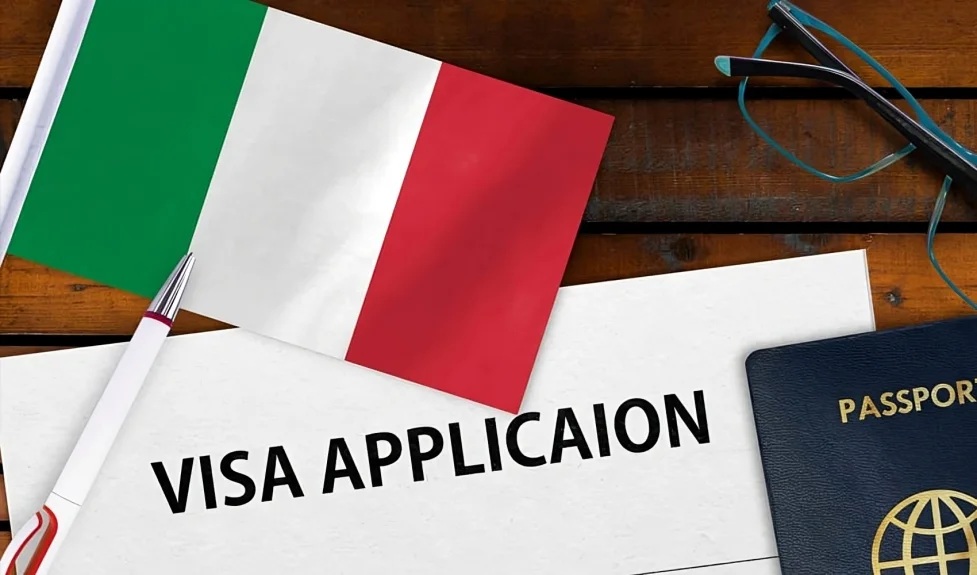
Ghana and Zambia have agreed to introduce visa-free travel for citizens of both countries, marking a significant step toward closer diplomatic and economic cooperation between the two African nations.

The agreement was reached during a three-day state visit to Zambia by Ghana’s President, John Dramani Mahama, who was received in Lusaka by his Zambian counterpart, President Hakainde Hichilema. Officials said the visit was aimed at strengthening bilateral relations and expanding collaboration in key sectors.

Under the new arrangement, citizens of Ghana and Zambia will be able to travel to each other’s countries without the need for entry visas. Officials described the deal as the first visa waiver agreement between a West African country and a Southern African nation.

Ghana’s Minister of Foreign Affairs, Samuel Okudzeto Ablakwa, said the agreement was concluded after last-minute discussions between officials of both governments. He explained that negotiations initially stalled due to differences in passport categories between the two countries.

According to Ablakwa, Ghana issues three types of passports—diplomatic, service and ordinary—while Zambia recognises only diplomatic and ordinary passports. Zambian authorities had raised concerns that the systems were not aligned, but the issue was resolved following high-level consultations.

Ablakwa said the breakthrough came after Zambian officials sought approval from President Hichilema late on Tuesday night, leading to the final agreement.

The effective date for the implementation of visa-free travel has not yet been announced.

Ghana is among a small number of African countries that grant visa-free entry to citizens of all African nations. Since President Mahama returned to office in January 2025, Ghana has signed bilateral visa-free agreements with 15 African countries.

Other African nations that currently allow visa-free entry to all Africans include Rwanda, Seychelles, The Gambia and Benin.

The Ghana-Zambia agreement comes amid broader continental efforts to ease travel restrictions, boost intra-African trade and tourism, and advance regional integration, although progress has varied across countries and regions.

Electoral act amendment: Nigerians must speak out against Akpabio-led Senate — Nwankwo

0
Mr. Clement Nwankwo
Mr. Clement Nwankwo

Mr. Clement Nwankwo, convener of the Civil Society Situation Room, is urging Nigerians to speak out against the Electoral Act Amendment Bill passed by the Senate, citing concerns that it may undermine future election credibility.

Nwankwo made the call on Thursday while speaking on Arise Television’s Morning Show which was monitored by Diaspora Digital Media.

He argued that the version passed by the red carpet chamber does not reflect the position of the majority of senators and could create serious issues for the Independent National Electoral Commission (INEC).

“I think citizens have to raise their voices. I know that the Situation Room organised a protest last week. I believe that this will continue,” Nwankwo said.

He commended the role of organised labour, the media and civil society groups in sustaining public engagement on the bill.

“I think the labour unions, citizens, the media have been doing an excellent job. Even in your programme, your analysis and your comments on these issues are so very important, and it is important that this continues,” he added.

Nwankwo noted that the outcome of the Senate vote was determined by procedural control rather than a genuine majority decision.

“What I see that has been passed is really the views of those who have the power to hit the gavel and decide whether a yes is a yes or a no is a no in terms of voting,” he said.

He claimed that several senators were unhappy with how the decision was taken.

“I know that a lot of senators themselves are very aggrieved by the way the gavel has been hit on this matter,” Nwankwo said.

He urged Nigerians to push for the adoption of the version of the bill passed by the House of Representatives, which he said better reflected public consultations and stakeholders’ input.

“I think that citizens should canvass that the version that the House of Representatives has passed, which is very much more in consonance with the consultations that the National Assembly has had with citizens, should be what is retained,” he said.

Nwankwo warned that changes introduced by the Senate, particularly the rejection of electronic transmission of results and the alteration of electoral timelines, could lead to serious logistical problems for INEC.

“But as it is today, what the National Assembly has done, the Senate particularly, is not the views of majority of senators. I am told what has happened is going to create electoral chaos,” he said.

“There is no way that these timelines that the Senate has tampered with will stand in terms of INEC’s logistics preparations. What has happened is that electoral chaos will be created by these new timelines that the Senate has put out as its position.”

Diaspora Digital Media reported that the Senate on Wednesday passed the bill after its third reading but rejected a proposed amendment to Clause 60, Subsection 3, which would have made electronic transmission of election results mandatory.

Meanwhile, the development has drawn criticism from the media and other stakeholders who insist that electronic transmission is crucial to ensuring free, fair and credible elections ahead of the 2027 polls.


Nwankwo Warns Senate Changes Threaten Nigeria’s Election Credibility

DDM News

0
Nigerian Senate
Nigerian Senate

(DDM) – The convener of the Civil Society Situation Room, Clement Nwankwo, has urged Nigerians to speak out against what he described as dangerous provisions in the newly amended Electoral Act bill passed by the Senate.

Nwankwo raised the alarm during an appearance on Arise Television’s Morning Show, where he addressed the implications of the Electoral Act 2022 Repeal and Re-enactment Amendment Bill 2026.

He argued that the Senate’s version of the amendment could weaken the credibility of future elections and complicate preparations by the Independent National Electoral Commission.

Nwankwo told citizens not to remain silent, insisting that public engagement remains critical in shaping democratic outcomes.

He revealed that the Civil Society Situation Room recently organized a protest and indicated that further actions may follow.

He praised labour unions, civil society organizations, and the media for keeping public attention on the bill.

Nwankwo emphasized that media discussions and civic debates help maintain pressure on lawmakers.

He alleged that the Senate vote reflected procedural control rather than the true will of the chamber.

According to him, those who controlled the process determined the outcome by deciding how votes were recognized.

He suggested that the method used to finalize the vote created dissatisfaction among some senators.

Nwankwo claimed that several lawmakers felt aggrieved about how the decision was handled.

He urged Nigerians to push for the adoption of the version earlier passed by the House of Representatives.

He argued that the House version better reflects consultations and stakeholder input gathered by the National Assembly.

Nwankwo maintained that retaining the House version would align more closely with citizens’ expectations.

He warned that the Senate’s rejection of mandatory electronic transmission of results could reduce transparency.

He also cautioned that altering electoral timelines could disrupt INEC’s logistics planning.

According to him, election management requires stable and realistic timelines.

He warned that sudden changes could create confusion and operational strain.

Nwankwo predicted that poorly structured timelines could trigger what he termed electoral chaos.

He insisted that credible elections depend on clarity, preparation, and trust in the process.

The Senate passed the amendment bill after a third reading but declined to make electronic transmission of results compulsory.

This decision has attracted criticism from sections of the media and civil society.

Many stakeholders argue that electronic transmission improves transparency and reduces disputes.

Supporters of technology-based reforms say digital systems can strengthen public confidence.

Some lawmakers, however, advocate caution and argue that reforms must match institutional capacity.

The debate highlights ongoing disagreements over how to modernize Nigeria’s electoral system.

As discussions continue, citizens and institutions remain divided on the best path forward.

The controversy places renewed focus on how legislative decisions shape democratic processes.

With 2027 elections approaching, conversations about credibility and logistics are intensifying.

Nwankwo’s remarks add to growing calls for broader consultation on electoral laws.

The coming months may determine whether further changes or compromises emerge.

For many Nigerians, the central concern remains how to ensure free, fair, and credible elections.

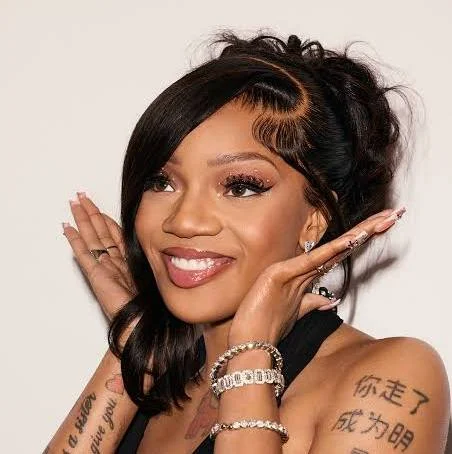
GloRilla’s Sister Breaks Silence, Denies Homelessness Rumors

0

GloRilla’s sister has finally addressed circulating rumors about her personal life, firmly denying claims that she was ever homeless and offering her own account of what led to tensions within her family.

In a candid statement, she dismissed online narratives suggesting she was abandoned or left without support, stating clearly that she was never homeless. According to her, the situation stemmed from ongoing disagreements with her parents over lifestyle choices, which eventually led to her being asked to leave their home.

She explained that her parents disapproved of what they viewed as irresponsible behavior, claiming they felt she prioritized social activities and relationships over structure and stability. The disagreement, she said, escalated over time until her parents decided it was best for her to move out.

Her comments have sparked widespread reactions online, with many debating family boundaries, personal freedom, and parental expectations especially when family members are linked to public figures. Some social media users praised her for speaking her truth and correcting misinformation, while others argued that parental discipline, regardless of fame, remains a private family matter.

The rumors gained traction largely due to GloRilla’s rising fame, with speculation fueled by assumptions that her success should automatically translate into financial support for relatives. However, her sister’s clarification has challenged that narrative, emphasizing that the issue was not about money or neglect but about household rules and personal accountability.

So far, GloRilla herself has not publicly commented on the situation. The rapper has historically kept family matters private, choosing instead to focus public attention on her career and music.

The situation highlights a recurring theme in celebrity culture—how the private lives of family members often become public speculation once fame enters the picture. It also underscores the reality that success does not eliminate family conflicts or differing values.

By speaking out, GloRilla’s sister has attempted to reclaim her story, shifting the conversation away from rumors and toward a more nuanced understanding of family dynamics. Whether the matter settles quietly or continues to trend online remains to be seen, but her statement has undeniably added clarity to a situation long clouded by speculation.

BREAKING: INEC registers 2 new political parties

0
Breaking news
Breaking news

By Agency Report

The Independent National Electoral Commission (INEC) has registered two new political parties.

The News Agency of Nigeria (NAN) reports that the registration has increased the total number of registered parties in Nigeria to 21.

INEC Chairman, Prof. Joash Amupitan, disclosed this during the commission’s quarterly consultative meeting with leaders of political parties in Abuja.

The two new parties, according to Amupitan, are the Democratic Leadership Alliance (DLA) and the Nigeria Democratic Congress (NDC).

He explained that DLA was registered, being the only association out of the 171 associations seeking INEC registration as political parties, and that NDC was registered in obedience to a court order.

Amupitan recalled that INEC received a total of 171 letters of intent from associations seeking registration as political parties.

He said the associations were assessed in line with Sections 222 and 223 of the Constitution of the Federal Republic of Nigeria, 1999 (as amended), Sections 75 and 79(1), (2) and (4) of the Electoral Act, 2022, as well as Clause 2 of the Commission’s Regulations and Guidelines for Political Parties, 2022.

“Consequently, 14 associations that satisfied the initial pre-qualification were invited to proceed to the next stage. Of these, eight successfully uploaded their documents on the commission’s dedicated portal.

“They are the All Democratic Alliance (ADA), Citizens Democratic Alliance (CDA), Abundance Social Party (ASP), African Alliance Party (AAP), Democratic Leadership Alliance (DLA), Green Future Party (GFP), National Democratic Party (NDP) and the Peoples Freedom Party (PFP).

“Out of the eight above, only two qualified for final assessment and verification of due compliance with the Constitution and the Electoral Act.

“After due consideration, only the Democratic Leadership Alliance was found to have complied fully with the requirements of the law.

“Accordingly, the commission decided to register the DLA as a political party, effective from today, Feb.5, 2025.

“Furthermore, the Federal High Court sitting in Lokoja, Kogi, in Suit No. FHC/LKJ/CS/49/2025 between Barr Takori Mohammed Sanni & Ors v. INEC ordered the commission to register the Nigeria Democratic Congress (NDC) as a political party.

“The commission has decided to comply with the order and is being registered as a political party. Certificate of Registration will be handed over to the two new political parties in due course,” he said.

Amupitan, however, expressed concerns over increasing internal crossing within political parties, urging party leaders to prioritise constructive dialogue over divisive disputes, to foster unity within their ranks.

He expressed INEC’s commitment to maintaining the integrity of Nigeria’s electoral processes, which was being challenged by increasingly frequent leadership squabbles within various political parties across the nation.

He said the essence of democracy was rooted in the ability of political parties to flourish, debate, and contest ideologies in a manner that respected the tenets of fair play and mutual respect.

“However, it is with great concern that I note the current trend of infighting among party leaderships, which not only detracts from the core objectives of these political entities but also spills over into unnecessary legal battles that tax our judicial system and public resources.

“These numerous litigations, in which the commission often finds itself joined as a party, divert our attention from our primary mandate: to ensure free, fair, and credible elections in Nigeria.

“As the guardians of our electoral process, we are compelled to address these issues not just for the sake of our institution but for the greater good of our democracy.

“The implications of these squabbles are far-reaching. They create an environment of uncertainty for party members and supporters, erode public trust in the political system, and undermine the democratic process that we all hold dear.

“Each litigation not only consumes time and resources but also distracts from the important work of mobilising voters and engaging with the public on critical national issues,” he said.

Amupitan said that as an Independent body, INEC remained neutral but reminded all political parties that cohesive and transparent leadership remained essential for the health of our democracy.

“We urge party leaders to prioritise constructive dialogue over divisive disputes, to foster unity within their ranks, and to focus on policy development and community engagement rather than internal strife,” he said.


NAN

SNG USA condemns Kwara massacre, calls for national prayer

0
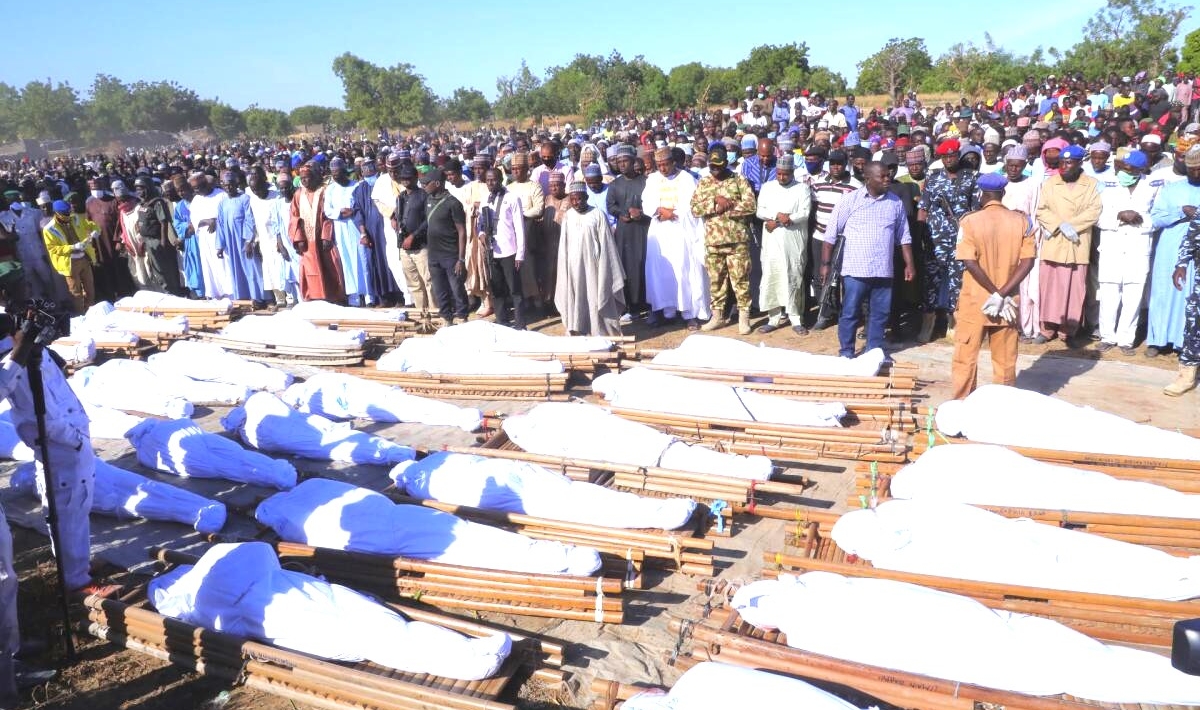
Mass burial conducted for Boko Haram victims

…Calls for naational day of prayer and urgent U.S. security assistance


Save Nigeria Group (SNG) USA has strongly condemned the horrific and senseless massacre of more than 170 innocent Nigerians in the Woro and Nuku communities of Kwara State.

With dozens still missing and reports of additional bodies being recovered, the group in a statement issued by it’s president, Stephen Osemwegie, said the attack represents a catastrophic failure of security and a profound moral stain on the nation’s conscience.

“While official figures confirm at least 172 deaths, credible reports from local sources indicate the death toll may exceed 300, as search teams continue to recover victims from surrounding bushland. The attack—allegedly carried out by the Lakurawa extremist group, who reportedly executed residents for refusing to renounce their allegiance—confirms that no region of Nigeria is immune from the expanding threat of terrorism”, the statement partly reads.

SNG called on President Bola Ahmed Tinubu to fulfill the most basic constitutional duty of government—the protection of lives and property, adding that Nigeria’s current insecurity trajectory is unsustainable.

“As political actors prematurely shift into election-mode ahead of 2027, we issue a stark reminder—there will be no country to govern if citizens continue to be slaughtered in their homes.

“Nigeria is bleeding, and we cannot afford denial or delay,” said Stephen Osemwegie, President of Save Nigeria Group USA.
“Those who pretend these attacks do not concern them are merely waiting their turn. A ‘wait-and-see’ approach is a death sentence for the Nigerian people.

“In light of the declining capacity of local forces to counter increasingly sophisticated terror networks, SNG USA makes a formal appeal to President Donald J. Trump and the United States Government to expand security cooperation with Nigeria. We urge the deployment of additional U.S. military advisers, intelligence support, and technical assistance to help close critical gaps within Nigeria’s counterterrorism operations.

“A stable Nigeria is indispensable to the security of West Africa and the transatlantic community. American expertise is urgently needed to dismantle these terror networks before they succeed in destabilizing the entire region, the statement added.

Also, the group called on traditional rulers, religious leaders, civil society, and political opposition to set aside partisan interests and form a United Front Against Terrorism.

The statement further added: “We also call for a National Day of Prayer for Nigeria, urging Nigerians at home and in the diaspora to seek divine intervention—for the souls of the departed, comfort for grieving families, and wisdom and courage for national leaders.

“Save Nigeria Group USA will not stand by while the nation is carved up by extremists.
We demand, An immediate, transparent investigation into the security failures in Kwara State

“The deployment of advanced surveillance and border-monitoring technology across Kwara and Niger States

“An urgent shift from political posturing back to governance, security, and national defense

“The effort to save Nigeria will fail if political ambition continues to be valued above human life.”


Why I Don’t Kiss in Movies” — Juliana Olayode Addresses Rumours About Her Nollywood Career

0

Nollywood actress Juliana Olayode has spoken openly about her long-standing decision not to engage in kissing scenes in movies, describing it as a personal conviction rather than an act of pride or spiritual superiority.

The actress addressed the issue in a video that has since gone viral on social media, following persistent rumours within the film industry that she is difficult to work with or unwilling to collaborate with certain producers and directors.

According to Olayode, her boundaries on screen have often been misunderstood and, in some cases, misrepresented, leading to false assumptions about her character and professionalism.

She explained that her choice not to kiss in films, as well as her refusal to wear certain outfits for roles, is rooted in what she described as her personal consecration. She emphasized that the decision is a private one and does not place her above colleagues who make different creative choices.

“I don’t think I’m closer to God than anyone else,” she said, stressing that her convictions should not be interpreted as judgment or criticism of others in the industry.

Olayode revealed that these boundaries have occasionally caused friction on movie sets, particularly when production managers fail to clearly communicate her conditions to executive producers and directors. She noted that such breakdowns in communication have sometimes resulted in tension and strained working relationships.

Despite this, the actress made it clear that she remains open to collaboration and is not selective about the status of roles she accepts. She stated that she is willing to take on both major and minor parts, provided they align with her values and personal standards.

“I’m open to working with anyone,” she said, adding that her focus is on professionalism and mutual respect rather than hierarchy or star power.

Addressing claims that she deliberately avoids working with certain people, Olayode dismissed the allegations as untrue, explaining that her recent comments were aimed solely at correcting the narrative surrounding her career.

The actress also used the opportunity to call for greater understanding within the industry, urging filmmakers to respect individual boundaries just as they expect actors to respect creative direction.

Her comments have since sparked mixed reactions online. While some fans praised her for standing firm in her beliefs, others debated whether personal convictions should influence artistic expression. Nonetheless, many agreed that her decision reflects the broader conversation about consent, boundaries, and diversity of values within Nollywood.

Juliana Olayode’s clarification highlights the growing importance of open communication and mutual respect in the Nigerian film industry, as more actors continue to speak up about the conditions under which they are willing to work.

Kwara Massacre: Village Head Says Military Arrived 10 Hours After Attack That Left Over 75 Dead

0

The village head of Woro in Kwara State, Umar Bio Salihu, has alleged serious security lapses following a deadly attack on his community, revealing that soldiers arrived nearly 10 hours after armed terrorists killed scores of residents and razed several villages.

Speaking on Thursday during an interview on ARISE News, Salihu said the attack began around 5:00pm and lasted for hours, despite distress calls made to security agencies shortly after it started. According to him, military personnel only arrived at about 3:00am the next day, by which time the attackers had already withdrawn.

“I called after 5pm, but they did not come until about 3am. That was about 10 hours,” Salihu said.

He stated that no confrontation occurred between the military and the attackers, as they had fled before security forces arrived. He also confirmed that there was no air support or aerial interdiction during the assault.

“The military did not engage them. The bandits had gone when the military came. There was no air operation; no ammunition was dropped,” he said.

Salihu explained that the community had been left exposed after soldiers previously stationed in the area were withdrawn months earlier, following an earlier attack on the military base.

“Initially, we had about 15 soldiers stationed there. About three to five months ago, they were attacked, and since then, they were evacuated. We have had no security presence,” he said, adding that this created an opportunity for the attackers to strike freely.

He identified the assailants as members of the Mamuda terrorist group and linked the violence to the community’s refusal to accept the group’s ideology.

“Our people are not ready to take that ideology. I believe that is what made them angry enough to attack,” he said.

The village head also dismissed suggestions that the killings were religiously motivated, noting that most of the victims were Muslims.

“About 95 per cent of those killed are Muslims, while about five per cent are Christians,” he stated.

Salihu further disclosed that he had reported a threat letter to security agencies days before the attack, raising concerns that intelligence handling may have been compromised.

“When the letter was brought to me, I sent it to the DSS in Kiama that same night. The next day, I took it to the Emirate Council for documentation,” he said.

He suggested that subsequent patrols by security agents may have alerted the terrorists, triggering the attack.

“As of yesterday, we buried 75 people, but there are still bodies in the bush,” Salihu said, warning that the death toll could rise. He added that several villages were destroyed during the assault, including his own home.

“They burned almost half of the villages, including my house,” he said.

Salihu confirmed that Kwara State Governor AbdulRahman AbdulRazaq visited the affected communities and ordered immediate security reinforcements.

“The governor came personally and saw the level of destruction. Immediately, security was deployed. About 15 soldiers were sent initially, and there are now around 80 security personnel in the area,” he said.

The attack has renewed concerns over delayed security response, intelligence coordination, and the vulnerability of rural communities in Nigeria’s North-Central region.

Rick Ross Allegedly Ends Relationship with Supermodel Jazzma Kendrick After Public Snub

0

American rapper and music mogul Rick Ross has reportedly ended his relationship with American supermodel Jazzma Kendrick, following what sources describe as repeated moments of public embarrassment involving displays of affection.

According to circulating reports and social media speculation, the breakup allegedly stemmed from Kendrick’s refusal to kiss the rapper in public on several occasions. Witnesses claim Ross was left visibly hanging in front of cameras during high-profile outings, moments that quickly gained traction online and sparked widespread commentary.

Videos and photos from recent public appearances showed Ross leaning in affectionately, only for Kendrick to subtly pull away or avoid the gesture altogether. While neither party directly addressed the moments at the time, fans were quick to interpret the interactions as signs of tension within the relationship.

Sources close to the situation allege that the repeated public snubs became a point of contention for Ross, who is known for his larger-than-life persona and comfort with public displays of confidence and affection. Being left hanging in front of cameras, insiders suggest, may have bruised the rapper’s pride and raised deeper questions about the relationship’s dynamic.

The rumored split has since ignited conversations across social media platforms, with users divided on the issue. Some argue that no one is obligated to display affection publicly, regardless of status or expectations. Others believe the incidents pointed to a lack of emotional alignment and mutual understanding between the couple.

As of the time of reporting, neither Rick Ross nor Jazzma Kendrick has publicly confirmed or denied the breakup, leaving room for speculation. However, fans have noted the apparent absence of each other from recent social media posts, further fueling breakup rumors.

Rick Ross, born William Leonard Roberts II, has previously spoken about valuing loyalty, respect, and emotional connection in relationships. Jazzma Kendrick, on the other hand, has largely kept her personal life private despite her high-profile modeling career, rarely addressing relationship rumors publicly.

Whether the alleged breakup was truly sparked by the public moments or by deeper, private issues remains unclear. What is certain, however, is that the situation has once again highlighted the pressures placed on celebrity relationships, where even small gestures can become viral talking points.

Until either party speaks out, the story remains speculative. Still, the alleged incident serves as a reminder that behind the cameras and headlines, celebrity relationships face the same challenges of communication, comfort, and compatibility as any other.

Jarvis Knelt and Begged Me” Peller’s Mother Speaks on Breakup, Accident, and Possible Reconciliation

0

The mother of popular content creator Peller has finally broken her silence on the circumstances surrounding her son’s highly publicized breakup with Jarvis, offering rare insight into the emotional moments that followed Peller’s accident.

Speaking candidly, Peller’s mother revealed that Jarvis personally came to her home to plead for forgiveness during the difficult period when Peller was recovering from his accident. According to her, Jarvis knelt and begged, expressing deep remorse and concern over the situation, a gesture she described as both emotional and sincere.

She further clarified that, contrary to widespread speculation online, Peller was the one who instigated the breakup, not Jarvis. Acknowledging her son’s temperament, she admitted that Peller could be extremely stubborn and headstrong, especially when emotions are involved.

“I know my son is very stubborn,” she said, suggesting that his personality may have played a significant role in the breakdown of the relationship.

Despite everything that has happened, Peller’s mother stopped short of shutting the door on a possible reconciliation. Rather than taking sides, she expressed a faith-based perspective on the situation, leaving the outcome in God’s hands.

“If God says they will end up together, then they will,” she added, signaling openness to whatever the future may hold.

Her comments have since sparked renewed conversations across social media, with fans debating accountability, forgiveness, and the role of family in high-profile relationships. While some praised Jarvis for her humility and willingness to seek peace, others focused on the importance of emotional maturity and communication, especially during moments of crisis.

The statement also humanized a story that many had only followed through rumors and online reactions. By acknowledging her son’s flaws while recognizing Jarvis’s efforts, Peller’s mother presented a balanced narrative that resonated with many observers.

For now, neither Peller nor Jarvis has publicly responded to the remarks. However, her words have added a new layer of depth to the ongoing conversation, one that shifts the focus from blame to reflection, healing, and the possibility of redemption.

Whether reconciliation is on the horizon or not, one thing is clear: behind the viral headlines are real people, real emotions, and a family hoping for peace.

Get Notifications from DDM News Yes please No thanks