Thousands of residents of Borgu and Agwara local government areas of Niger State have fled across the border into the Benin Republic following renewed attacks by suspected terrorists, worsening Nigeria’s growing security and humanitarian crisis.
The latest assault occurred early Tuesday when heavily armed gunmen reportedly numbering over 200 stormed Konkoso community on motorcycles, burning houses and forcing residents to flee.
Witnesses said the attackers later advanced to nearby Segbana, a border settlement linking Nigeria and the Benin Republic, where they continued their rampage. No official casualty figures were available as of press time.
The attack came barely 24 hours after the governors of Niger State and Kwara State met in Minna to review the deteriorating security situation in border communities.
Residents said panic intensified due to the absence of security personnel in affected areas, noting that police outposts were recently destroyed by attackers who have reportedly established a base in Konkoso.
Thousands of villagers are said to have crossed into Segbana and other border towns seeking safety.
Community sources revealed that the insurgents had launched sustained attacks over the past five days, during which more than 50 people were reportedly killed and several homes, including a police station, were destroyed.
The renewed violence comes despite the recent arrival of United States military personnel in northern Nigeria to collaborate with local forces in tackling terrorism and insecurity.
Senate Condemns Killings, Calls for Security Overhaul
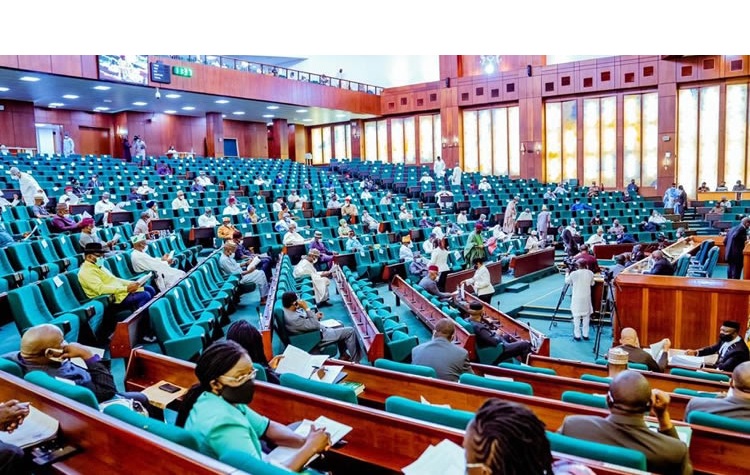
The Nigerian Senate condemned the killing of at least 56 people and the abduction of women and children in Konkoso and nearby communities, describing the attacks as brutal and unacceptable.
The resolution followed a motion raised by Senator Sani Musa, who warned that persistent attacks in rural communities threaten food security, local economies, and national stability.
He noted that the affected areas serve as corridors linking forests across neighbouring states, enabling cross-border movements by armed groups.
Lawmakers called for a comprehensive overhaul of Nigeria’s security architecture, including improved intelligence coordination, unified operational command, deployment of surveillance technology, and strengthened community policing.
The chamber observed a minute of silence in honour of the victims.
Over 3.7 Million Nigerians Displaced — UN
The United Nations has disclosed that more than 3.7 million Nigerians are internally displaced due to insecurity, banditry, and communal violence.
The UN Resident and Humanitarian Coordinator in Nigeria, Mohamed Malick Fall, stated that displacement is no longer limited to the Northeast, with the Northwest increasingly emerging as a major epicentre.
He warned that displacement undermines economic productivity, social cohesion, and long-term stability.
Police Seek Strategic Solutions
Meanwhile, Inspector-General of Police Kayode Egbetokun met with former police chiefs to draw on their experience in tackling evolving security threats.
He pledged improved professionalism, enhanced capacity building, and stronger operational responses to rising crime and terrorism.
Authorities and stakeholders warn that the escalating violence and displacement crisis require coordinated national and regional responses to restore security and support affected communities.