



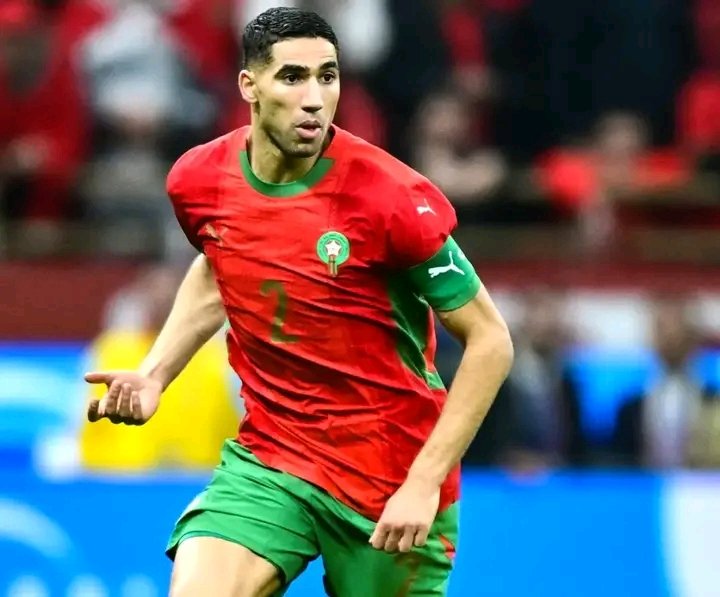
The 2026 FIFA World Cup continues to deliver blockbuster fixtures as Brazil and Morocco prepare for a highly anticipated Group C showdown that brings together two teams with contrasting football philosophies and rising global expectations. The match has generated significant attention due to the presence of elite talents such as Vinícius Júnior and Achraf Hakimi, both of whom are expected to play decisive roles in shaping the outcome of the encounter.
Brazil enter the fixture carrying the weight of history and expectation as five time world champions determined to return to the summit of international football. Their squad blends youthful energy with elite technical quality, and the focus remains on attacking dominance, quick transitions, and creative freedom in the final third. Vinícius Júnior stands as the central figure in this new era of Brazilian football, bringing pace, flair, and direct attacking threat that has made him one of the most feared forwards in world football.
For Brazil, this match represents more than just a group stage fixture. It is a test of discipline and consistency against a side that has built its reputation on tactical organisation and defensive resilience. The coaching setup has emphasized control of possession, patience in build up play, and the need to break down opponents who are comfortable without the ball.

Morocco arrive with growing confidence following their historic rise in global football over the past few years. Their remarkable run to the semi finals in the 2022 World Cup transformed perceptions of African football and established them as a serious competitive force on the world stage. Since then, they have continued to refine their tactical structure, combining defensive discipline with quick and effective counterattacking movements.
Achraf Hakimi remains central to Morocco’s ambitions. As captain and one of the most influential full backs in international football, his leadership extends beyond defensive duties. He provides width in attack, pace in transition, and a constant outlet on the right flank. His duel with Brazil’s attacking left side, particularly Vinícius Júnior, is expected to be one of the defining battles of the match.
Morocco’s tactical approach is built on compact defensive lines, intelligent pressing, and rapid transitions once possession is recovered. Their ability to absorb pressure and strike quickly has troubled many top ranked teams, and they will rely heavily on discipline and teamwork to contain Brazil’s attacking threats.
Brazil, however, are aware of the challenge that awaits them. The team understands that Morocco are not a traditional underdog but a well organised side capable of frustrating elite opposition. This awareness has led to increased focus on midfield control, positional awareness, and finishing efficiency in front of goal.
The midfield battle is expected to play a crucial role in determining the flow of the match. Brazil will look to dominate possession and create space for their forwards, while Morocco aim to disrupt rhythm and force turnovers that can be converted into counterattacking opportunities. The balance between creativity and control versus structure and discipline sets the tone for what promises to be a compelling contest.
In attack, Brazil’s fluid front line is expected to rotate positions, pulling Moroccan defenders out of shape and creating gaps in dangerous areas. Vinícius Júnior’s ability to isolate defenders in one on one situations will be a key weapon, especially if Brazil manage to stretch Morocco’s defensive block.
Morocco’s response will depend heavily on collective effort rather than individual brilliance. Their defensive unit has developed strong cohesion, with players understanding spacing, timing, and communication at an elite level. Hakimi’s leadership will be vital in maintaining structure while also contributing to forward transitions when opportunities arise.
This fixture also highlights the broader evolution of international football, where tactical discipline is increasingly matching individual talent. Morocco’s rise represents the growing competitiveness of teams outside traditional powerhouses, while Brazil continue to embody attacking artistry combined with modern tactical adaptation.
As anticipation builds, fans around the world are expecting a match defined by intensity, strategic battles, and moments of individual brilliance that could decide the outcome. Both teams have everything to play for, not only in terms of points but also in establishing momentum for the rest of the tournament.
Match preview and fixture details are already drawing global attention, with analysts predicting a closely contested encounter that could go either way depending on execution in key moments.
Ultimately, this clash between Brazil and Morocco represents more than a group stage meeting. It is a collision of football cultures, tactical ideologies, and elite talent at the highest level. Vinícius Júnior’s attacking brilliance against Achraf Hakimi’s defensive intelligence symbolizes the broader duel between creativity and structure that defines modern football.
Regardless of the result, the match is expected to leave a lasting impression on the tournament and further underline the global balance of power in international football.




