


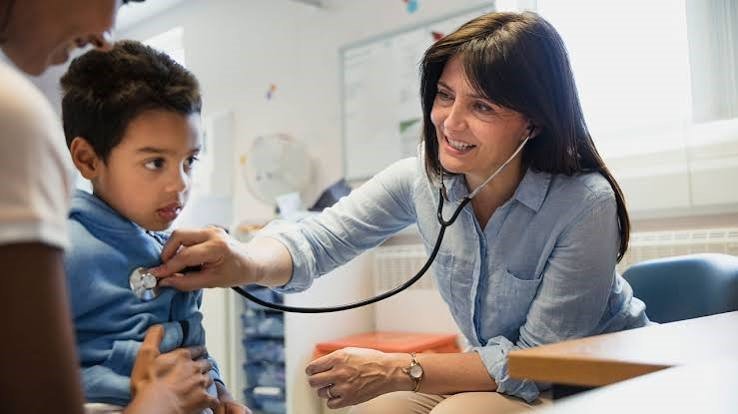
Children’s health is the foundation of a healthy future, with proper nutrition, immunisation, regular medical care and safe environments playing vital roles in their growth and development. Health experts say investing in children’s health not only improves their quality of life but also reduces the risk of illness and long-term health complications.
Medical professionals continue to encourage parents and caregivers to prioritise preventive healthcare, recognise early signs of illness and ensure children receive the care they need to thrive.
Why Children’s Health Matters
From infancy through adolescence, children undergo rapid physical, emotional and cognitive development. During these stages, they require adequate nutrition, quality healthcare and supportive environments to reach important developmental milestones.
Health experts note that early intervention can prevent many childhood illnesses from becoming severe and can improve lifelong health outcomes.

Common Health Challenges in Children
Children may experience a variety of health conditions, including:
- Respiratory infections
- Malaria
- Diarrhoeal diseases
- Malnutrition
- Asthma
- Ear infections
- Skin conditions
- Dental problems
- Childhood obesity
- Allergies
Prompt diagnosis and appropriate treatment are essential to prevent complications and support healthy development.
The Importance of Immunisation
Vaccination remains one of the most effective ways to protect children from serious infectious diseases. Health authorities recommend that children receive all routine immunisations according to national vaccination schedules.
Vaccines help protect against diseases such as measles, polio, hepatitis B, tuberculosis and other preventable illnesses. Parents are encouraged to keep immunisation records up to date and attend scheduled vaccination appointments.
Nutrition for Healthy Growth
A balanced diet is essential for children’s physical and mental development. Healthcare professionals recommend meals that include:
- Fresh fruits and vegetables
- Whole grains
- Lean proteins such as fish, eggs and beans
- Dairy products or suitable alternatives
- Plenty of clean drinking water
Parents are also advised to limit sugary drinks, highly processed snacks and foods high in salt and unhealthy fats.
Recognising Warning Signs
Parents and caregivers should seek medical attention if a child experiences:
- Persistent high fever
- Difficulty breathing
- Severe diarrhoea or vomiting
- Refusal to eat or drink
- Unusual drowsiness
- Convulsions or seizures
- Persistent cough
- Rapid weight loss
- Signs of dehydration
Early medical evaluation can prevent serious complications and improve recovery.
Physical Activity and Emotional Well-being
Regular physical activity helps children build strong bones and muscles, maintain a healthy weight and improve mental well-being. Health experts also encourage limiting excessive screen time and promoting outdoor play whenever possible.
Emotional health is equally important. Children benefit from supportive relationships, quality sleep and opportunities to express their feelings in safe and nurturing environments.
Regular Medical Check-Ups
Routine health visits allow healthcare providers to monitor growth, assess developmental milestones and identify health concerns early. Vision, hearing and dental examinations are also important parts of preventive healthcare for children.
Parents are encouraged to attend scheduled medical appointments even when their children appear healthy.
Building Healthy Communities
Health professionals emphasise that improving children’s health requires collaboration among families, schools, healthcare providers and governments. Public health initiatives that promote immunisation, nutrition, clean water, sanitation and health education remain essential for protecting children’s well-being.
Conclusion
Children’s health is a shared responsibility that begins with preventive care, proper nutrition and timely medical attention. By ensuring children receive routine immunisations, balanced diets, regular health check-ups and safe environments, families can help them grow into healthy and productive adults. Continued investment in child health remains one of the most effective ways to build stronger and healthier communities.




