


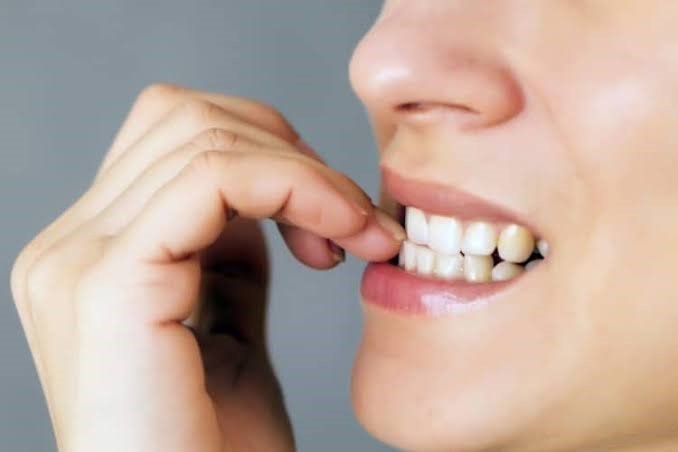
Dental experts are urging people to break the habit of nail biting, warning that it can do more than damage fingernails. The habit, medically known as onychophagia, can also harm the teeth, gums, and jaw while increasing the risk of infections. Although often linked to stress, anxiety, or boredom, frequent nail biting can have lasting effects on oral health if left unchecked.
Experts say recognising the habit early and seeking appropriate support can help prevent avoidable dental problems.
How Does Nail Biting Affect Oral Health?
Repeated nail biting places excessive pressure on the teeth and surrounding structures.
Over time, this may lead to:

- Chipped or cracked teeth.
- Worn tooth enamel.
- Gum injuries.
- Jaw pain.
- Changes in the alignment of the teeth.
The habit may also transfer bacteria from the hands into the mouth.
Why Is It a Health Concern?
Fingernails can carry germs picked up from everyday surfaces.
When nails are bitten, bacteria and viruses may enter the mouth, increasing the risk of:
- Oral infections.
- Gum inflammation.
- Stomach infections caused by harmful microorganisms.
- Worsening of existing dental conditions.
Keeping hands away from the mouth helps reduce the spread of germs.
Signs That Nail Biting Is Affecting Your Teeth
You may notice:
- Small cracks or chips in the teeth.
- Tooth sensitivity.
- Sore or bleeding gums.
- Pain in the jaw.
- Frequent headaches caused by jaw strain.
- Flattened or uneven tooth edges.
These symptoms should be evaluated by a dentist.
Why Do People Bite Their Nails?
Common triggers include:
- Stress.
- Anxiety.
- Boredom.
- Nervousness.
- Habit developed during childhood.
Understanding the cause can make the habit easier to overcome.
How Can You Stop Nail Biting?
Dental and mental health experts recommend:
- Identifying situations that trigger the habit.
- Keeping nails trimmed short.
- Using bitter-tasting nail polish designed to discourage biting.
- Managing stress through relaxation techniques.
- Keeping your hands busy with another activity.
- Seeking professional support if the habit is difficult to control.
Breaking the habit may take time, but persistence often leads to success.
Protecting Your Oral Health
To reduce the risk of dental damage:
- Avoid biting nails or other hard objects.
- Brush twice daily with fluoride toothpaste.
- Floss every day.
- Attend regular dental check-ups.
- Seek treatment for any chipped or damaged teeth.
Healthy daily habits support strong teeth and gums.
When Should You See a Dentist?
Arrange a dental appointment if you experience:
- Cracked or chipped teeth.
- Persistent jaw pain.
- Tooth sensitivity.
- Bleeding gums.
- Difficulty chewing.
Early treatment can prevent more serious complications.
The Bottom Line
Nail biting may seem harmless, but repeated biting can damage teeth, irritate the gums, and introduce harmful germs into the mouth. Breaking the habit not only protects oral health but also supports overall well-being. If nail biting has already caused dental problems, early evaluation and treatment by a dentist can help prevent permanent damage.
Disclaimer: This article is for informational purposes only and should not replace professional medical or dental advice. Individuals with persistent nail-biting habits or dental concerns should consult a qualified dentist or healthcare professional for appropriate guidance.




