


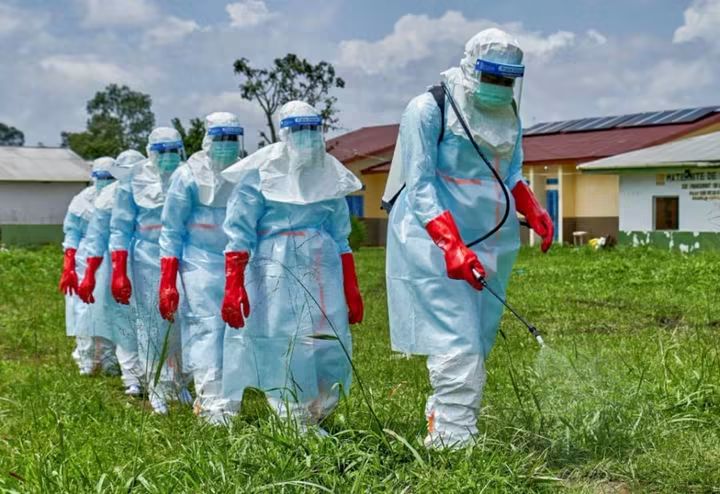
ABUJA, NIGERIA — The Nigeria Centre for Disease Control and Prevention has provided details of the Ebola patient’s arrival, symptoms, and diagnosis. The agency said the woman who tested positive for Ebola arrived in Nigeria on October 5.
She developed symptoms two days later. She presented at a private health facility in the Federal Capital Territory on October 11.
The Timeline
The NCDC said the patient arrived from Uganda. She was screened at the point of entry but showed no symptoms at the time.

She developed symptoms on October 7. These included fever, fatigue, and sore throat.
She presented at a private hospital on October 11. Health workers suspected Ebola and alerted the NCDC. The agency responded swiftly.
Diagnosis and Isolation
The NCDC said samples were taken from the patient. They were tested at the National Reference Laboratory in Abuja.
The results confirmed the Bundibugyo strain of the Ebola virus. The patient was immediately transferred to an isolation centre.
The NCDC said the patient is receiving supportive care. Health workers are monitoring her condition closely.
Contact Tracing
The NCDC said it has traced all contacts of the patient. These include family members, health workers, and other patients at the private hospital.
The contacts are being monitored for symptoms. So far, none have tested positive.
“We have identified all the contacts. We are monitoring them closely. We are also providing them with support,” the NCDC stated.
Response Measures
The NCDC said it has activated its emergency operations centre. It is coordinating the national response to the outbreak.
The agency is working with the Federal Ministry of Health, the World Health Organisation, and other partners. It is also collaborating with state governments.
The NCDC has deployed rapid response teams to the FCT. These teams are supporting contact tracing and case management.
Public Advisory
The NCDC urged Nigerians to remain calm. It said there is no cause for panic.
It advised citizens to practise good hygiene. They should wash their hands regularly and avoid contact with sick persons.
The agency also urged anyone experiencing symptoms to report to the nearest health facility. Early detection saves lives.
What This Means
The timeline shows the importance of early detection. The patient was diagnosed quickly, which helped to prevent further spread.
The NCDC’s response has been swift. But the coming days are critical.
The agency is working to contain the outbreak. It is also working to prevent a wider spread of the virus.
What Happens Next
The patient is receiving treatment at the isolation centre. The NCDC will continue to monitor the contacts.
The agency will also provide updates to the public. It said it will continue to work with all stakeholders to contain the outbreak.
For now, the focus is on containing the virus. The coming days will reveal whether the outbreak has been contained. Nigerians are urged to remain vigilant and to cooperate with health authorities.




