


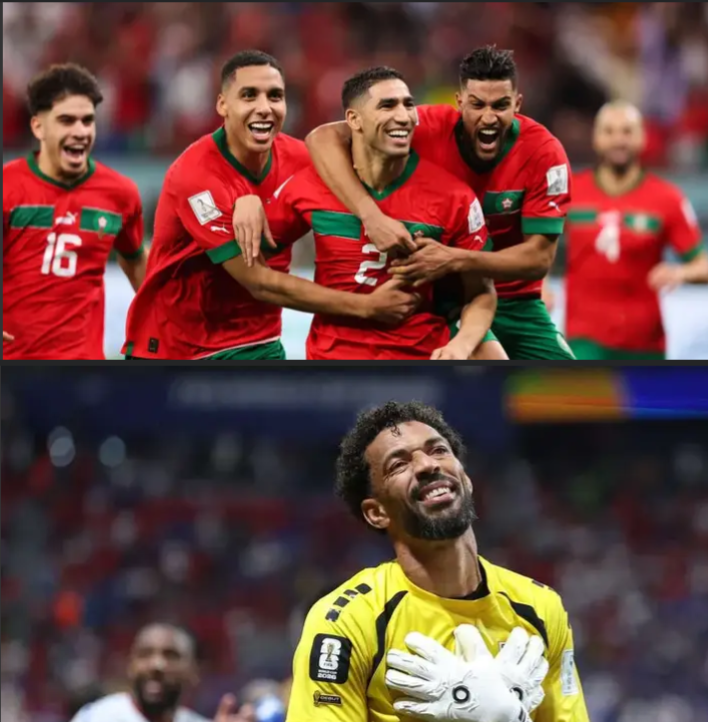
Africa enjoyed its most successful FIFA World Cup campaign in history at the 2026 tournament, with a record 10 nations representing the continent across the United States, Canada and Mexico. The expanded 48-team competition gave African football its biggest platform yet, and the continent responded with memorable performances, historic breakthroughs and several giant-killing moments.
Nine of Africa’s 10 representatives progressed beyond the group stage, a remarkable achievement that underlined the rapid development of football across the continent. Although no African nation reached the semi finals, Morocco once again led the charge by advancing to the last eight, while several debutants and traditional powers left lasting impressions on the global stage.
Morocco Leads Africa Once Again

Morocco reaffirmed its status as Africa’s leading football nation by reaching the quarterfinals for the second consecutive World Cup.
Building on their historic semifinal appearance in Qatar in 2022, the Atlas Lions combined tactical discipline with attacking quality to eliminate strong opposition before eventually bowing out to France in the last eight. Their campaign also saw them establish new African World Cup records, further cementing their place among the continent’s football elite.
Cape Verde’s Fairytale Debut
One of the tournament’s biggest surprises came from Cape Verde.
Making their first ever World Cup appearance, the Blue Sharks exceeded all expectations by progressing to the knockout rounds and earning admiration for their fearless style of play. Their inspiring journey ended against Argentina, but they returned home as national heroes after proving they could compete with the world’s best.
South Africa Break New Ground
South Africa achieved one of the country’s greatest football milestones by reaching the World Cup knockout stage for the first time.
Bafana Bafana displayed resilience throughout the group phase before their impressive campaign ended in the Round of 32 against Canada. Despite the elimination, their performances offered renewed optimism for the future of South African football.
Egypt, Senegal, Ghana and Algeria Show Their Quality
Egypt, Senegal, Ghana and Algeria all advanced beyond the group stage, highlighting the strength and depth of African football.
Each nation produced competitive displays against elite opponents and demonstrated the technical quality and tactical maturity increasingly associated with African teams on the international stage. While none managed to reach the quarterfinals, their performances contributed significantly to Africa’s record-breaking World Cup campaign.
DR Congo Makes a Strong Return
Returning to the World Cup after decades away from the global stage, DR Congo enjoyed a memorable tournament.
The Central African nation progressed from the group stage and showed determination against experienced opponents, proving they belong among Africa’s rising football powers. Their campaign is expected to provide a strong foundation for future international competitions.
Ivory Coast Impresses
The Elephants enjoyed a positive campaign by reaching the knockout rounds for the first time in their World Cup history.
Their blend of experienced players and emerging talents produced exciting performances that reflected the country’s growing strength following recent continental success. Although they were unable to progress further, Ivory Coast demonstrated that they remain one of Africa’s leading football nations.
Tunisia Suffers Early Exit
Tunisia was the only African representative unable to progress beyond the group stage.
The North Africans struggled to find consistency throughout the tournament and exited after the opening round, making them the lone disappointment among Africa’s 10 participants. Their early elimination contrasted sharply with the success enjoyed by the continent’s other representatives.
A Landmark Tournament for African Football
Although no African nation reached the final four, the continent emerged as one of the biggest winners of the expanded World Cup.
The performances of Morocco, Cape Verde, South Africa, Egypt, Senegal, Ghana, Algeria, DR Congo and Ivory Coast demonstrated that African football continues to close the gap on the traditional global powers. The tournament also showcased new stars, improved tactical organisation and greater competitiveness across the continent.
With nine teams advancing to the knockout rounds and several countries achieving historic milestones, the 2026 FIFA World Cup will be remembered as a defining moment for African football. It strengthened the belief that an African nation winning the FIFA World Cup is no longer an impossible dream but an increasingly realistic ambition for future tournaments.




