


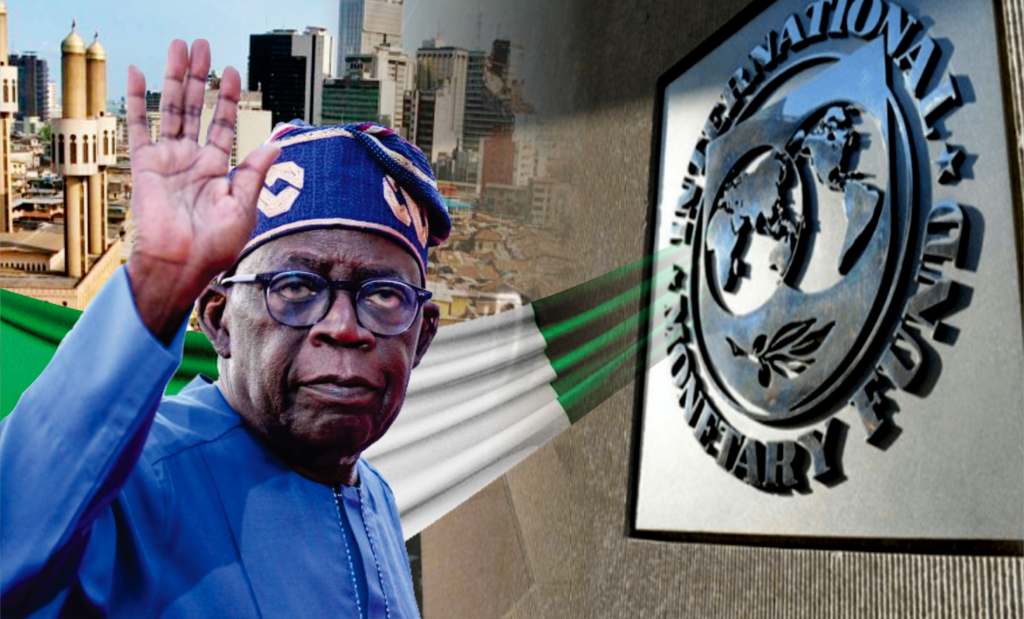
The International Monetary Fund (IMF) and Nigeria’s Minister of Finance and Coordinating Minister of the Economy, Taiwo Oyedele, have acknowledged the hardship associated with economic reforms, as high living costs and persistent poverty continue to affect millions of Nigerians.
The acknowledgement comes as the IMF raised Nigeria’s economic growth forecast for 2026 by 0.1 percentage point to 4.2 per cent, while projecting growth of 4.3 per cent in 2027.
Despite the improved outlook, the Fund warned that economic growth had not translated into sufficient relief for households struggling with rising food and energy prices.
Oyedele, meanwhile, cautioned against imposing new taxes or increasing the tax burden on vulnerable citizens and productive sectors, urging governments to explore alternative ways of mobilising revenue.

Presenting the IMF’s fiscal policy analysis at the ongoing IMF/World Bank Annual Meetings in Bangkok, Thailand, Research Department Division Chief, Deniz Igan, said policymakers needed to balance immediate household needs with medium-term fiscal stability.
“What we are advocating is for policymakers to balance the near-term needs of the population, and that involves food security. That involves energy security,” she said.
Igan noted that the prices of food and energy had risen disproportionately, worsening the cost-of-living crisis.
Using Nigeria as an example, she said the economy had remained resilient, partly because of the country’s position as an energy exporter, but poverty levels remained high.
“While the growth held up in Nigeria, given energy exports, poverty rates are still very high, and we are very mindful that the population is suffering,” she said.
She also warned that risks associated with El Niño could place additional pressure on households.
The IMF recommended targeted and temporary income support, including cash transfers to vulnerable households, to ease poverty and strengthen food security.
However, Igan stressed that such interventions should be consistent with a sustainable medium-term fiscal framework, supported by improved public spending and more effective revenue collection.
Speaking at separate events on Tuesday, Oyedele presented Nigeria’s economic reforms as a source of lessons for other African countries but acknowledged that their implementation had come with significant costs.
At a panel session titled Africa’s Golden Future, which examined the continent’s economic potential, the minister admitted that the sequencing of petrol subsidy removal and foreign exchange market liberalisation had contributed to the price crisis in the downstream petroleum sector.
President Bola Tinubu announced the removal of the petrol subsidy during his inauguration in May 2023, triggering an immediate increase in fuel prices.
About two weeks later, the Central Bank of Nigeria liberalised the foreign exchange market.
The naira subsequently lost more than 40 per cent of its value at the reformed official market, contributing to higher costs across the economy.
Oyedele acknowledged concerns about the pace of implementation, describing the sequencing of the fuel and foreign exchange reforms as too fast.
He argued, however, that partially implemented reforms could leave the country bearing the costs without achieving their anticipated benefits.
By July 2023, the average price of petrol had risen to about ₦600 per litre. Oyedele recalled that the sharp increase, driven by subsidy removal and foreign exchange reforms, prompted price-capping measures.
The minister stressed the importance of communicating policy decisions effectively, urging other African countries to learn from Nigeria’s experience, even when citizens initially found it difficult to accept the changes.
He also claimed that the Federal Government had provided support to more than 10 million vulnerable Nigerians.
The IMF’s revised growth projection aligns with the World Bank’s estimate of 4.2 per cent growth for Nigeria in the first half of 2026.
However, the improved outlook does not automatically place the country on course to achieve President Tinubu’s $1 trillion economy target.
With nominal economic output estimated at $377 billion, Nigeria would need to grow by nearly 22 per cent annually over the next five years to reach the target, assuming the naira’s value against the dollar remains unchanged.
Further depreciation of the naira would require even faster growth in dollar terms to meet the target within the period.
The IMF said Nigeria had made substantial economic progress but warned that the benefits remained unevenly distributed, leaving many citizens struggling with poverty and rising living expenses.
More than three years after the reforms began, households continue to face the effects of higher fuel prices and other increases in the cost of living.
At a press conference of the Intergovernmental Group of Twenty-Four on International Monetary Affairs and Development (G-24), which he chairs, Oyedele highlighted the macroeconomic stability recorded so far, describing it as a foundation for structural growth.
His comments come amid concerns about the gap between macroeconomic stability and inclusive growth, with economists calling for policies that ensure the benefits of economic progress reach more Nigerians.
Oyedele argued that stability and inclusive growth were not mutually exclusive, maintaining that a stable economy was necessary for long-term development.
He also identified debt sustainability as a critical issue, saying borrowing should finance essential infrastructure and deliver value to future generations.
Responding to questions about the balance between debt and tax financing, the minister said governments must place citizens at the centre of economic decisions.
“This is the wrong time to impose new taxes or increase the burden of tax, particularly on the vulnerable population and productive sectors of the economy,” he said.
Oyedele urged governments to look inward for savings and explore new sources of revenue rather than immediately increasing taxes on households and businesses.
He maintained that borrowing could support economic growth if directed towards job creation and inclusive development.
The IMF’s recommendations similarly emphasise targeted support for vulnerable households alongside responsible fiscal management, as Nigeria seeks to sustain economic growth while addressing the hardship experienced by its population.




