


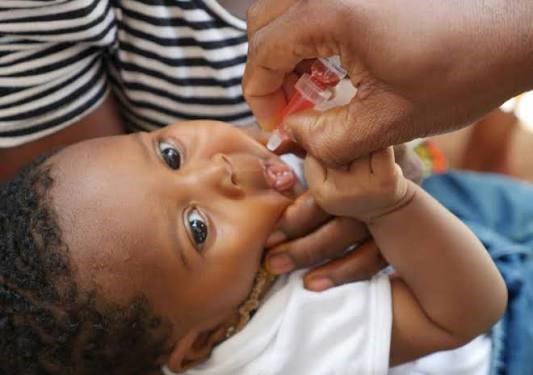
Immunisation remains one of the most successful and cost-effective public health interventions, protecting millions of people from life-threatening infectious diseases every year. Health experts say vaccines have significantly reduced the spread of diseases that once caused widespread illness, disability and death.
Despite these achievements, healthcare professionals continue to stress the importance of maintaining high vaccination rates to prevent outbreaks of vaccine-preventable diseases and protect vulnerable populations.
What Is Immunisation?
Immunisation is the process of protecting individuals against infectious diseases through vaccination. Vaccines help the body’s immune system recognise and fight harmful viruses or bacteria without causing the disease itself.
When a vaccinated person is exposed to an infection in the future, the immune system can respond quickly, reducing the risk of severe illness.

Why Vaccination Is Important
Health experts say vaccines provide several important benefits, including:
- Preventing serious infectious diseases
- Reducing hospital admissions
- Lowering the risk of disease outbreaks
- Protecting vulnerable individuals who cannot be vaccinated
- Saving lives and reducing healthcare costs
Widespread vaccination also contributes to community protection by limiting the spread of contagious diseases.
Diseases Prevented by Vaccination
Routine immunisation helps protect against several diseases, including:
- Measles
- Polio
- Tuberculosis
- Hepatitis B
- Tetanus
- Diphtheria
- Whooping cough (pertussis)
- Yellow fever
- Human papillomavirus (HPV)
- Rotavirus infection
Health authorities encourage eligible individuals to receive recommended vaccines according to national immunisation schedules.
Who Should Be Vaccinated?
Vaccination is important throughout life. Recommended groups include:
- Infants and young children
- School-age children
- Pregnant women, where appropriate
- Adults requiring booster doses
- Older adults
- Healthcare workers
- Travellers to countries where certain diseases are common
Healthcare providers advise individuals to consult medical professionals regarding vaccines appropriate for their age, occupation and health status.
Addressing Common Misconceptions
Health experts emphasise that vaccines undergo rigorous testing before approval and continue to be monitored for safety after they are introduced.
Like all medicines, vaccines may cause mild side effects such as pain at the injection site, low-grade fever or temporary fatigue. Serious adverse reactions are rare, and the benefits of vaccination greatly outweigh the risks for most people.
Medical professionals encourage individuals to seek information from qualified healthcare providers rather than relying on misinformation from unreliable sources.
The Role of Parents and Caregivers
Parents and caregivers play an essential role in ensuring children receive vaccines on schedule. Keeping immunisation records up to date and attending scheduled appointments helps protect children from preventable diseases during their most vulnerable years.
Healthcare providers also encourage parents to ask questions if they have concerns about vaccination.
Community Responsibility
High vaccination coverage protects not only vaccinated individuals but also those who cannot receive vaccines because of certain medical conditions. Public health experts note that maintaining strong immunisation programmes helps prevent disease outbreaks and protects entire communities.
Governments, healthcare institutions and community leaders continue to promote vaccination campaigns to improve public awareness and access to immunisation services.
Conclusion
Immunisation remains one of the most effective tools for preventing infectious diseases and safeguarding public health. By following recommended vaccination schedules, seeking reliable medical advice and supporting community immunisation efforts, individuals can help protect themselves, their families and future generations from preventable illnesses. Health experts agree that vaccination continues to play a vital role in building healthier and more resilient communities.




