
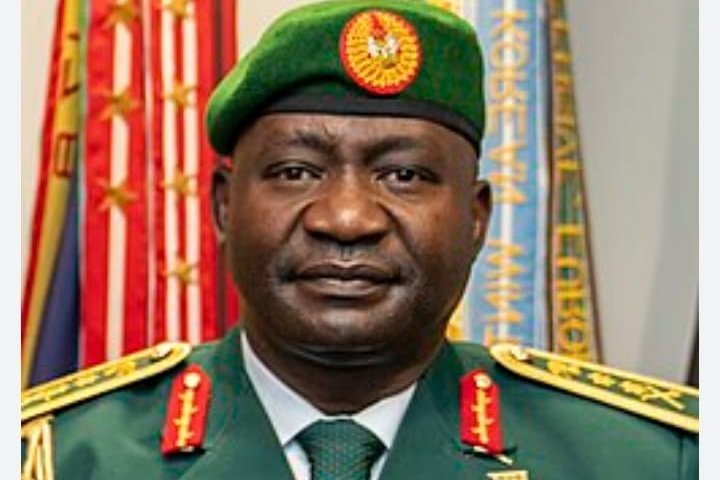
Nigeria’s new Minister of Defence, Christopher Musa, says he will pull soldiers out of road checkpoints and deploy them into the bush to engage terrorists directly.
He announced this major shift on Wednesday during his Senate screening, stressing that frontline troops should not remain at checkpoints while criminal groups expand their operations in rural areas.
Mr Musa, a retired general, said police officers and the Nigeria Security and Civil Defence Corps (NSCDC) would take over checkpoint duties. He argued that the military must focus on offensive operations instead of routine checks on highways.
He said the current method weakens the fight against insurgency. According to him, the military must hunt criminals inside forests, hideouts, and ungoverned spaces where kidnappers and terrorists operate freely. He added that independent patrol teams would enforce discipline among military personnel while ensuring compliance with the new strategy.

For decades, soldiers have manned checkpoints across Nigeria, especially in troubled northern states. Other security outfits, including hunters and vigilantes, also operate roadside stations.
However, Mr Musa said this approach must change to restore public confidence and regain control of rural communities.
He said the new deployment model would also help farmers return to their lands. He described food security as a critical national concern and warned that hunger fuels tension and instability.
He intends to work with NSCDC’s Agro Rangers to secure farmlands and support displaced farmers.
Mr Musa also outlined plans to track criminals through a unified national database. He said developed countries succeed because they maintain comprehensive citizen records accessible across security agencies.
The minister stressed that Nigeria must move away from isolated databases owned separately by immigration, police, or other institutions.
He explained that a unified database would allow security agencies to trace offenders across states.
He noted that in many countries, criminals can be locked out of financial systems instantly.
He said Nigeria could replicate this by linking citizens’ data to banking and digital platforms.
The minister-designate also criticised ransom payments. He vowed to stop the practice and said payments can be tracked through financial institutions.
Mr Muse noted that with improved technology and proper data integration, authorities could follow money trails and identify both kidnappers and their sponsors.
He argued that ransom payments only empower criminal groups and prolong insecurity.
Mr Musa also highlighted rising maritime threats, including piracy, sea robbery, and cross-border crime between Akwa Ibom and Cameroon. He said Operation Delta Safe has already been expanded to confront those threats. He insisted that there would be no negotiations with criminal groups, warning that such deals only buy terrorists time to rearm.
He added that his broader security plan includes a total ban on illegal mining and other activities that fuel armed groups. He pledged to collaborate closely with the Office of the National Security Adviser to stop states from engaging in negotiations with insurgents. He said illegal mining finances criminal networks and must be dismantled immediately.
Mr Musa concluded that collaboration among all agencies is essential.
He promised a coordinated, technology-driven response that prioritises direct engagement with terrorists, strict financial tracking, and nationwide data integration.