


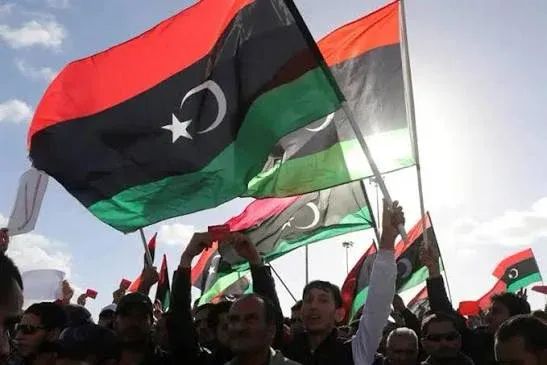
TRIPOLI, LIBYA — Representatives of Libya’s rival political groups signed a United Nations-brokered agreement on Sunday, marking a significant breakthrough in the country’s protracted political deadlock and potentially paving the way for long-delayed national elections in the deeply divided nation.
The agreement, which was signed following intensive negotiations facilitated by the UN Support Mission in Libya, commits the rival factions to a framework for conducting presidential and parliamentary elections. The deal represents the most concrete progress toward resolving Libya’s political crisis in years, though significant challenges remain, including unresolved disputes over electoral laws, the eligibility of candidates, and the volatile security situation on the ground.
Libya has been mired in political turmoil since the 2011 uprising that toppled longtime leader Muammar Gaddafi, with the country subsequently splitting between rival administrations in the east and west. The internationally recognised Government of National Unity based in Tripoli and the Libyan National Army-aligned administration in the east have been locked in a power struggle that has stymied efforts to hold national elections for over a decade. Multiple attempts to hold elections have been postponed amid disagreements over the legal and constitutional basis for the vote, with the last national elections in 2014 deepening the country’s division rather than resolving it.
The UN-brokered agreement is seen as a critical step toward unifying the country’s fragmented institutions and restoring democratic governance. The deal includes provisions for the formation of a unified electoral commission, the establishment of a legal framework for the elections, and the creation of a security arrangement to ensure the protection of voters, candidates, and polling stations. It also addresses the contentious issue of candidate eligibility, which has been a major sticking point in previous negotiations, particularly regarding the candidacy of figures associated with the country’s past conflicts.

The signing ceremony, held at the UN headquarters in Tripoli, was attended by representatives of the UN, regional bodies, and international partners, who have called on all Libyan stakeholders to uphold the agreement and work toward a peaceful political transition. The UN Special Envoy for Libya welcomed the signing, describing it as “a historic moment” and urging all parties to “seize this opportunity to end the suffering of the Libyan people.”
However, the path to elections remains fraught with obstacles. The security situation in Libya continues to be precarious, with armed groups controlling large swathes of territory and periodic clashes erupting between rival militias. The presence of foreign mercenaries and the ongoing involvement of external powers in Libya’s conflict further complicate efforts to stabilise the country. The United Nations has emphasised the need for all parties to commit to a ceasefire and to the withdrawal of foreign forces as essential prerequisites for credible elections.
The date for the elections has not yet been announced, but officials indicated that preparations would begin immediately to establish the necessary legal and logistical frameworks. International observers have cautioned that the timeline for elections should be realistic, allowing sufficient time for voter registration, candidate vetting, and the resolution of outstanding disputes. The deal commits the signatories to holding elections within 18 months, though this timeline has been met with scepticism given the history of delays.
For ordinary Libyans, who have endured years of instability, economic hardship, and periodic outbreaks of violence, the agreement offers a glimmer of hope for a return to normalcy. The country’s oil-dependent economy has been severely impacted by the political crisis, with frequent blockades of oil fields and facilities undermining production and exports. The resumption of political stability is seen as essential to unlocking Libya’s economic potential and improving the living standards of its citizens.
The international community has welcomed the agreement, with the United States, the European Union, and regional powers offering support for the electoral process. The UN has called for the appointment of an election commission and the adoption of a constitutional framework as immediate next steps. However, challenges remain, including the integration of armed groups into state security forces, the disarmament, demobilisation and reintegration of combatants, and the establishment of a unified military command.
As Libya takes its first tentative steps toward elections, the coming weeks will determine whether the signatories can translate their commitments into concrete actions and whether the country can finally break free from its cycle of political paralysis. The agreement has raised hopes, but the hard work of implementation lies ahead. The international community, Libyan political leaders, and civil society must work together to ensure that this opportunity is not lost. For now, the agreement stands as a testament to the power of dialogue and diplomacy in resolving even the most entrenched conflicts, but its success ultimately depends on the will and commitment of all Libyan stakeholders to put the nation’s future above their own interests.




