


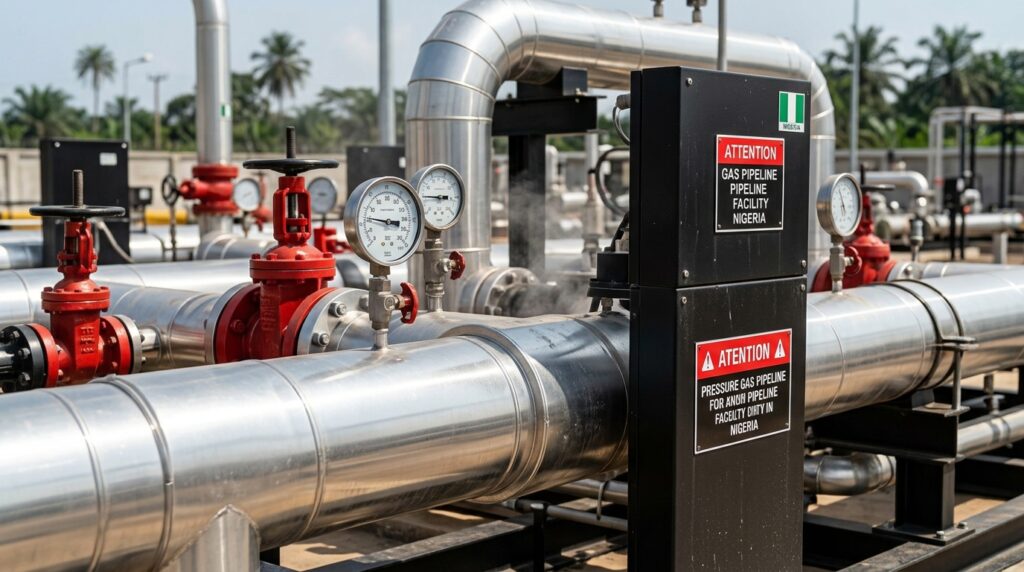
Nigeria has introduced revised gas transportation rules aimed at improving pipeline access, increasing transparency and attracting foreign investment into its energy sector.
The Nigerian Midstream and Downstream Petroleum Regulatory Authority (NMDPRA) launched the updated Nigerian Gas Transportation Network Code to establish clearer guidelines for companies transporting gas through shared pipelines.
The rules cover pipeline capacity booking, gas measurement, transportation charges and the scheduling of gas deliveries.
They are designed to reduce disputes, prevent avoidable losses and provide investors with greater certainty when planning projects.

The development comes as Nigeria seeks between $30 billion and $50 billion in new oil and gas investment by 2030.
The country holds about 215 trillion cubic feet of proven gas reserves, but infrastructure gaps continue to limit production and distribution.
For international investors, the revised framework could create opportunities in gas processing, pipeline development, liquefied natural gas and industrial supply.
It also introduces initial provisions to support future cross-border gas transportation across Africa.
However, attracting investment will depend on how effectively the rules are implemented, alongside improvements in infrastructure and the wider business environment.




