


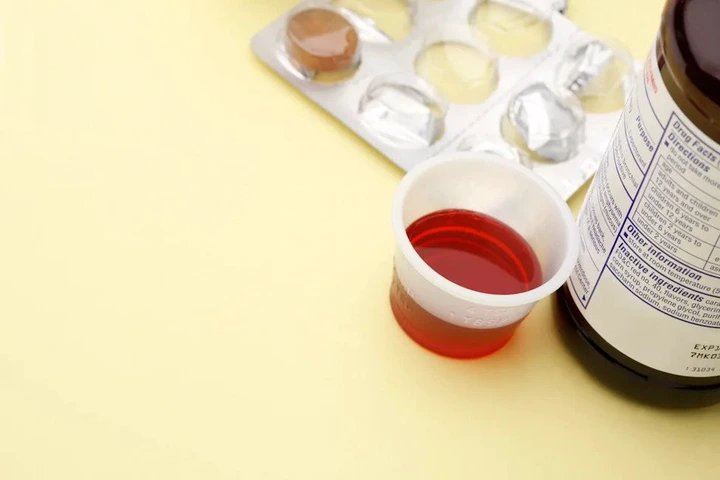
LAGOS, NIGERIA — Having a cold can be a miserable experience. Your head throbs, your nose alternates between running and being stuffed up, and you just feel crummy. To get some relief, you might take an over-the-counter cold medicine.
While the common cold is a virus with no cure, taking a decongestant or pain reliever can help you “alleviate symptoms temporarily,” such as congestion or body aches, says Dr. Brintha Vasagar, a family physician.
However, some over-the-counter cold medicines actually pose risks, especially if you combine them. Here is what experts want you to know about which cold medicines you should not take together.
Different Types of Decongestants

Common decongestants pseudoephedrine and phenylephrine work similarly by narrowing blood vessels to relieve congestion, explains Scott Coon, a pharmacist. Taking multiple cold medicines that combine these ingredients is “like taking a double dose rather than getting extra relief.”
This can “double up on the side effects,” adds Mary Hebert, a professor at the University of Washington School of Pharmacy. These might include a rapid heart rate, elevated blood pressure, difficulty sleeping, anxiety, and restlessness.
You also should not mix these decongestants with some prescription drugs, including blood pressure medications and certain antidepressants.
Different Types of Pain Relievers
Acetaminophen and nonsteroidal anti-inflammatory drugs, including ibuprofen and aspirin, can help reduce fever and muscle aches. But you should not take the two groups together at the same time, Coon says. You also should not mix different types of NSAIDs.
However, you can alternate taking acetaminophen and an NSAID by spacing them out. The medications work differently. NSAIDs reduce inflammation and are processed through the kidneys. Acetaminophen targets pain and fever and is processed by the liver.
Do not exceed the maximum daily doses. These are 3,000 mg for acetaminophen and 1,200 mg for ibuprofen. “Too much acetaminophen can cause severe liver damage, and too much NSAID can cause stomach bleeding and ulcers and kidney problems,” Coon says.
Combo Meds and Single-Ingredient Drugs
Many over-the-counter cold medications are “multi-symptom.” They may bundle ingredients, including decongestants, pain relievers, cough suppressants, and antihistamines.
Pairing these combo medications with a separate single-ingredient drug can lead to double dosing and the potential for an overdose. “This is a real problem because oftentimes people do not realize what’s included in these products,” Hebert says.
Taking too much ibuprofen or acetaminophen can put you at risk for kidney and liver problems.
How to Take Cold Medicines Safely
Before taking a cold medicine, read the product’s labels. Compare the “active ingredients” list on each medication you take. Make sure the same ingredient is not listed on multiple products.
“Watch for acetaminophen, in particular, since it hides in many cold, flu, and pain products and has a hard daily ceiling,” Coon says.
Follow the dosing guidelines on the medication. Never exceed the recommended dose. Also check for any warnings, such as about combining cold medicine with other drugs.
If you are at all uncertain, ask for help at your pharmacy. “Pharmacists are specifically trained to help select over-the-counter products and spot duplicate ingredients or interactions,” Coon says.
The Bottom Line
Over-the-counter medications can alleviate cold symptoms. But they do not come without risks. It is important to follow packaging instructions exactly.
Keep in mind that “most of those over-the-counter cold medicines are not going to help you get better any faster,” according to Dr. Vasagar. Generally, a cold needs to run its course. If you are healthy, it will likely go away within about a week.
If you have a high fever or your cold symptoms persist or worsen after trying a cold medicine, see your doctor.
What This Means
The warning is important for consumers. Many people unknowingly combine medicines that interact dangerously.
Taking the time to read labels and consult pharmacists can prevent serious health consequences.
What Happens Next
Pharmacists will continue to educate the public about safe medication practices. Consumers are advised to be vigilant and to seek professional advice when in doubt.




