


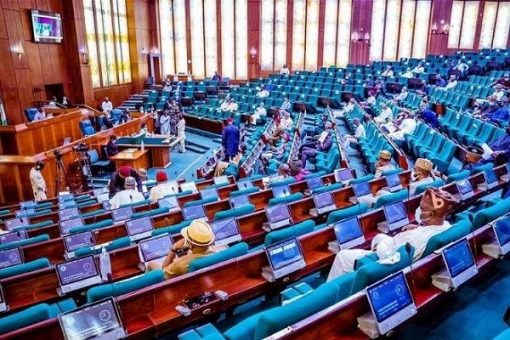
The House of Representatives has advanced a bill seeking to regulate deceased organ and tissue donation in Nigeria, with provisions to prohibit organ trafficking and ensure donated organs are allocated according to medical needs rather than wealth or political influence.
The bill, sponsored by Deputy Speaker Benjamin Kalu and six other lawmakers, passed its second reading during plenary on Wednesday.
The proposed legislation seeks to establish a National Deceased Organ and Tissue Donation Programme to oversee the identification, referral, authorisation, recovery, preservation, allocation and transplantation of organs and tissues from deceased persons.
It also proposes the establishment of a National Organ Donation and Transplantation Authority to regulate the process, determine death for donation purposes and promote fair access to transplantation.

The proposed law would prohibit organ trafficking, transplant tourism and commercial dealings in human organs and tissues.
Bill seeks to prevent exploitation
Leading the debate on the bill’s general principles, co-sponsor Patrick Umoh said organ and tissue donation offers an opportunity for one person’s death to help save or improve another person’s life.
However, he noted that the process requires clear legal, ethical and medical safeguards.
According to Umoh, Nigeria needs a coordinated legal framework to govern consent, determination of death, organ recovery, allocation, transplantation, tissue banking, safety and regulatory oversight.
He warned that the absence of such a framework could expose vulnerable people to exploitation and undermine public confidence in organ donation.
Umoh said the bill would establish appropriate regulatory structures, strengthen patient safety, promote equitable access to transplantation and prohibit the commercialisation and trafficking of human organs and tissues.
Organ allocation to follow medical needs
Under the proposed legislation, recovered organs would be allocated through a national organ allocation and matching system, alongside a national waiting list.
Umoh said allocation must not be influenced by wealth, political connections or other considerations unrelated to medical needs.
He added that a person’s inability to pay alone would not be grounds for removing them from the waiting list.
The bill also provides for voluntary donation based on lawful authorisation and expressly rejects presumed consent, under which consent is assumed unless a person opts out.
According to Umoh, an adult with legal capacity may authorise organ donation, and a valid first-person authorisation would remain effective even if the person’s family objected.
The proposed framework would introduce accreditation and licensing requirements, donor audits, biovigilance, adverse-event reporting, traceability and safety alerts.
It also seeks to prohibit organ trafficking, transplant tourism, brokerage and commercial dealings in human organs and tissues, with enforcement measures for violations.
The bill has been referred to the relevant committee of the House for further legislative action.




