


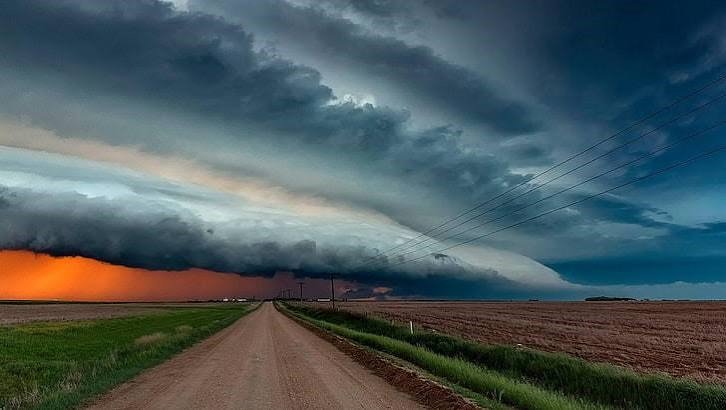
Seasonal changes can significantly affect public health, increasing the spread of infectious diseases and other illnesses. During the rainy season and periods of extreme weather, healthcare professionals often report a rise in cases of malaria, respiratory infections, cholera, influenza and other seasonal diseases.
Health experts are urging individuals and communities to adopt preventive measures, maintain good hygiene and seek early medical care when symptoms appear to reduce the impact of seasonal illnesses.
Why Seasonal Illnesses Increase
Changes in weather create conditions that encourage the spread of disease-causing organisms and disease-carrying insects. Heavy rainfall may lead to stagnant water that serves as breeding sites for mosquitoes, while cold or dusty conditions can contribute to respiratory infections.
Flooding and poor sanitation can also contaminate water sources, increasing the risk of waterborne diseases.
Common Seasonal Diseases
Health authorities commonly record increased cases of the following illnesses during seasonal weather changes:
- Malaria
- Cholera
- Influenza (flu)
- Common cold
- Pneumonia
- Typhoid fever
- Diarrhoeal diseases
- Asthma attacks triggered by weather changes
- Skin infections caused by prolonged exposure to damp conditions
Prompt diagnosis and treatment remain essential to preventing complications.
Recognising the Symptoms
Symptoms vary depending on the illness but may include:
- Fever
- Persistent cough
- Headache
- Chills
- Sore throat
- Difficulty breathing
- Vomiting
- Diarrhoea
- Body aches
- Fatigue
Anyone experiencing severe symptoms or symptoms that persist should seek medical attention without delay.
Preventing Seasonal Illnesses
Medical experts recommend several practical steps to reduce the risk of infection during seasonal changes:
- Sleep under insecticide-treated mosquito nets.
- Eliminate stagnant water around homes.
- Wash hands regularly with soap and clean water.
- Drink safe, treated water.
- Eat freshly prepared food and maintain proper food hygiene.
- Cover the mouth and nose when coughing or sneezing.
- Keep homes and surroundings clean.
- Stay up to date with recommended vaccinations where available.
These preventive measures help protect both individuals and the wider community.
Protecting Vulnerable Groups
Young children, pregnant women, older adults and people living with chronic illnesses are more likely to develop severe complications from seasonal diseases.
Healthcare providers advise caregivers to pay close attention to symptoms in these groups and seek prompt medical care when necessary.
Strengthening the Immune System
Health professionals recommend supporting the body’s natural defences by:
- Eating a balanced diet rich in fruits and vegetables
- Drinking enough clean water
- Getting adequate sleep
- Exercising regularly
- Managing stress effectively
- Avoiding tobacco products and excessive alcohol consumption
A healthy immune system can help the body respond more effectively to infections.
Community Responsibility
Public health experts emphasise that preventing seasonal illnesses requires community participation. Environmental sanitation, proper waste disposal, clean water initiatives and public health education all contribute to reducing disease outbreaks.
Communities are encouraged to report unusual disease outbreaks promptly and cooperate with health authorities during public health interventions.
Conclusion
Seasonal illnesses remain a recurring public health challenge, but many can be prevented through simple daily habits, environmental sanitation and early medical care. By maintaining good hygiene, protecting against mosquito bites, consuming safe food and water and seeking timely treatment when symptoms develop, individuals can reduce their risk of illness and help build healthier, more resilient communities.




