


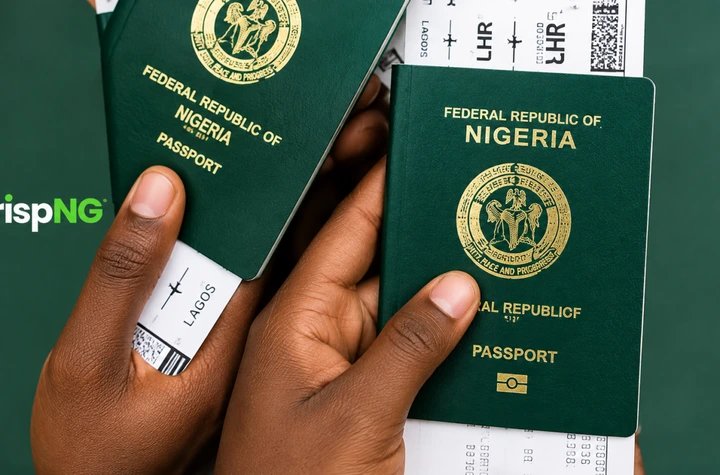
LAGOS, NIGERIA — Nigerians considering international travel, employment or relocation are facing a changing immigration landscape in 2026, with several countries introducing new rules affecting skilled workers, residence permits, employment opportunities and short-term travel.
The changes vary significantly from one country to another. Some countries have created or expanded pathways for specific categories of skilled professionals, while others have simplified entry for African passport holders.
However, the reforms do not mean that Nigerians automatically qualify for visas, employment or permanent residence. Applicants must still meet the requirements of the specific immigration route they intend to use.
Canada Expands Skilled-Worker Opportunities
Canada remains a major destination for Nigerians seeking employment and permanent residence.

In 2026, the country introduced new permanent-residence opportunities targeting internationally trained medical professionals, including doctors trained outside Canada.
The initiatives form part of efforts to attract professionals in areas experiencing workforce shortages. Eligible applicants may explore federal, provincial or territorial programmes depending on their qualifications and circumstances.
Canada also continues to operate regional immigration programmes for skilled workers, graduates, entrepreneurs and other eligible applicants.
The Provincial Nominee Program, for instance, allows participating provinces and territories to nominate immigrants whose skills and experience align with local labour-market requirements.
However, access to these programmes depends on individual eligibility, and the availability of a pathway does not guarantee permanent residence.
Russia Introduces Skilled-Worker Route
Russia has also introduced a new skilled-worker immigration route aimed at attracting foreign professionals into sectors experiencing labour shortages.
The programme provides eligible foreign workers with a route towards temporary residence and, in some circumstances, permanent residence.
One reported feature of the new route is the removal of a mandatory Russian-language examination for applicants who qualify under the skilled-worker programme.
The initiative is targeted at professionals whose qualifications correspond with areas where Russia requires additional labour.
Nigerians interested in the route would still need to satisfy the applicable requirements, including those relating to employment and professional qualifications.
Ireland Expands Employment Options
Ireland introduced changes to its employment permit system in 2026, including the addition of more occupations to its Critical Skills Employment Permit system.
The reforms affect sectors facing labour shortages, with opportunities spanning areas such as healthcare, construction, agriculture, transport, food production and specialist services.
For Nigerian professionals, the changes could create additional employment opportunities where their occupations and qualifications meet the relevant requirements.
However, applicants must obtain an eligible job and satisfy the conditions attached to the appropriate employment permit.
Those interested in Ireland should therefore examine the latest list of eligible occupations before beginning an application.
Lithuania Moves Towards Digital Processing
Lithuania has also adjusted its system for employing foreign workers as it seeks to address labour shortages.
One of the reported changes involves greater use of a centralised digital process for applications.
The country has also moved away from some sector-specific labour quotas towards a unified national quota system.
More than 100 occupations have reportedly been identified as experiencing worker shortages, potentially creating opportunities for qualified foreign workers.
Despite the changes, Nigerians seeking employment must still secure the necessary employment and residence authorisation before starting work.
Spain Targets Eligible Migrants Already There
Spain’s 2026 immigration change differs significantly from the work and travel reforms introduced by some other countries.
The country introduced a regularisation programme aimed at certain undocumented migrants already living in Spain.
The programme is not a substitute for obtaining a Spanish visa from Nigeria.
Eligible migrants who satisfy the conditions can obtain legal residence and work authorisation, allowing them to participate formally in the labour market.
The measure could benefit people already working in sectors such as hospitality, tourism, agriculture and other services.
Nigerians living in Nigeria should therefore not interpret the regularisation programme as a new direct route for relocating to Spain.
Ghana Removes Visa Requirement For Africans
Ghana introduced a major travel-related change in 2026 by allowing citizens of African countries to enter without obtaining a traditional visa before travel.
The policy, which took effect on May 25, 2026, is relevant to Nigerian passport holders travelling to Ghana for permitted short-term purposes.
Travellers must nevertheless comply with Ghana’s applicable entry procedures, including any electronic travel authorisation requirements.
The visa-free arrangement can facilitate tourism, business trips, family visits and other permitted travel.
It does not, however, automatically give Nigerian visitors the right to live or work in Ghana indefinitely.
Togo Opens Visa-Free Entry To Africans
Togo also changed its entry requirements for African passport holders.
Under the reported arrangement, Nigerian citizens can enter Togo without obtaining a traditional visa for stays of up to 30 days, provided they satisfy the applicable entry conditions.
The policy took effect on May 18, 2026.
Travellers are still required to complete the relevant online travel declaration and comply with immigration, health and security requirements.
The change could make short-term travel easier for Nigerians visiting Togo for business, tourism, trade and other permitted activities.
As with Ghana, visa-free entry does not automatically provide employment rights or permanent residence.
What The Changes Mean For Nigerians
The seven countries have introduced different types of immigration changes, making it important for Nigerians to identify their specific objective before beginning an application.
Canada, Russia, Ireland and Lithuania have introduced or adjusted pathways that could benefit particular categories of skilled workers.
Spain’s reform primarily concerns eligible migrants who are already living in the country, while Ghana and Togo have made short-term entry easier for African passport holders.
A Nigerian seeking employment therefore needs to examine work-permit requirements, while someone pursuing permanent residence must identify an immigration pathway for which they qualify.
Travellers seeking short visits should instead focus on entry requirements, permitted duration of stay and any required travel authorisation.
Applicants Urged To Verify Requirements
Immigration rules can change quickly, and eligibility can depend on factors including occupation, qualifications, age, employment, financial resources, residence status and the purpose of travel.
Prospective travellers and migrants should therefore verify current requirements through the relevant government immigration authorities before paying agents, purchasing tickets or submitting documents.
The existence of an immigration pathway does not guarantee approval, and visa-free travel should not be confused with permission to work or settle permanently.
For Nigerians considering relocation in 2026, the key issue is not simply whether a country has become “easier” to enter. The more important question is whether a specific immigration route matches the applicant’s qualifications, employment plans, financial circumstances and intended length of stay.




