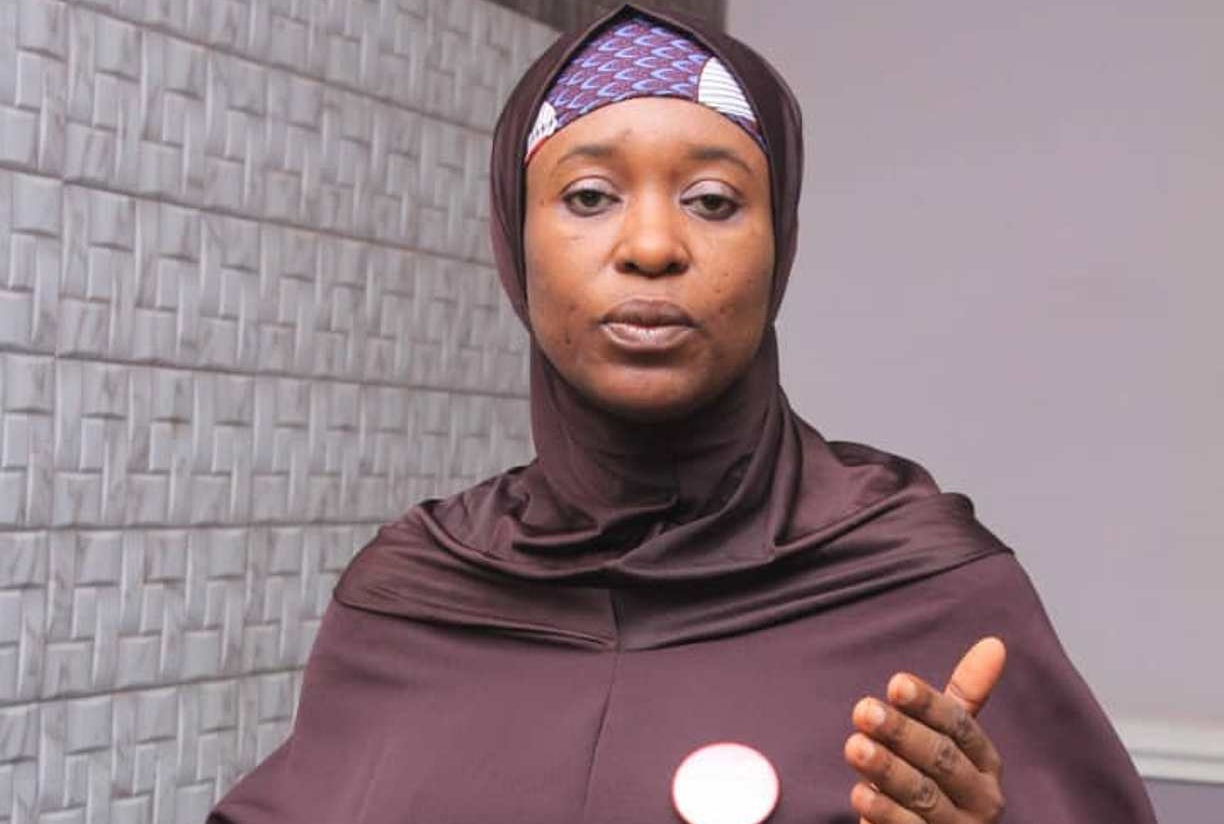
Prominent activist Aisha Yesufu has pledged to accompany Senator Natasha Akpoti-Uduaghan to the National Assembly today (Tuesday), in a show of solidarity with the embattled Kogi Central senator who insists on resuming her legislative duties despite ongoing resistance from the Senate leadership.
Senator Akpoti-Uduaghan’s determination to return to the red chamber follows a recent Federal High Court judgement by Justice Binta Nyako, which declared her suspension unconstitutional and called for her reinstatement.
The Senate, however, is contesting the verdict.
Its legal team, under the directive of Senate President Godswill Akpabio, has filed an appeal, arguing that the judiciary lacks the authority to interfere in parliamentary affairs.
Speaking on Sunrise Daily, a Channels Television programme, Aisha Yesufu criticised the Senate’s decision to oppose the court’s ruling and vowed to physically support the senator as she attempts to resume her duties.

“Senator Natasha has every right to return to office, and she will not do it alone,” Yesufu declared.
“I will be there with her.
“Many others will stand beside her because this injustice must be challenged.
“If the Senate chooses to kill us for standing by her, so be it.”
Yesufu did not hold back in expressing her frustration over what she described as systemic marginalisation of women in Nigeria’s political space.
“Out of 109 senators, only four are women.
“Yet one of them is being unfairly targeted.
“What crime did she commit, other than standing up and doing her job?” she asked.
“It’s time women stopped being treated as second-class citizens in our own country.”
She argued that the suspension was a clear case of institutional abuse, stating that a body like the Senate, sworn to uphold the constitution, has no business violating it.
“The court did not bar Natasha from resuming, and the suspension was ruled unconstitutional.
“The Senate did not elect her, her constituents did. The people of Kogi Central deserve representation,” Yesufu emphasised.
The vocal activist also criticised Nigeria’s judiciary, claiming it is losing its credibility due to political interference.
“There was an injunction telling the Senate to halt the suspension process, yet they ignored it,” she noted.
“It sends a dangerous message that lawmakers are above the law.
“Sadly, the judiciary now seems to be taking cues from politicians rather than the constitution.”
Meanwhile, Senator Akpoti-Uduaghan has remained resolute in her decision to return to the Senate today, July 22, 2025.
Speaking in Ihima, her hometown in Kogi State, she confirmed her plans: “I’ve informed the Senate of my intention to resume on the 22nd.
“That’s today, by God’s grace.
“I’ve only two months left out of the six-month suspension, but the court’s decision stands.”
Although the court’s ruling did not include a direct injunction ordering her reinstatement, Akpoti-Uduaghan insists it is still a judicial decision that must be respected.
“I understand they argue that it wasn’t an order, but it is a judgement that nullified my suspension.
“That should count for something,” she said.
Senator Akpoti-Uduaghan was suspended on March 6, 2025, following a heated confrontation in the Senate chamber.
The incident stemmed from a dispute over seating arrangements and her public accusation of sexual misconduct against Senate President Akpabio.
This is an allegation Akpabio has denied.
Despite the July ruling declaring her suspension illegal, the Senate on Sunday reaffirmed its position, maintaining that she must stay away from legislative activities until the full term of her suspension expires.
The Senate insists the court’s ruling is not enforceable without a specific order directing her immediate reinstatement.
As tensions mount, all eyes are now on the National Assembly to see whether Akpoti-Uduaghan will be allowed back into the chamber—and what actions may follow if she is blocked again.
For many Nigerians, especially women and civil society groups, this case has become a litmus test for judicial independence, gender equity, and democratic accountability in the country’s political system.